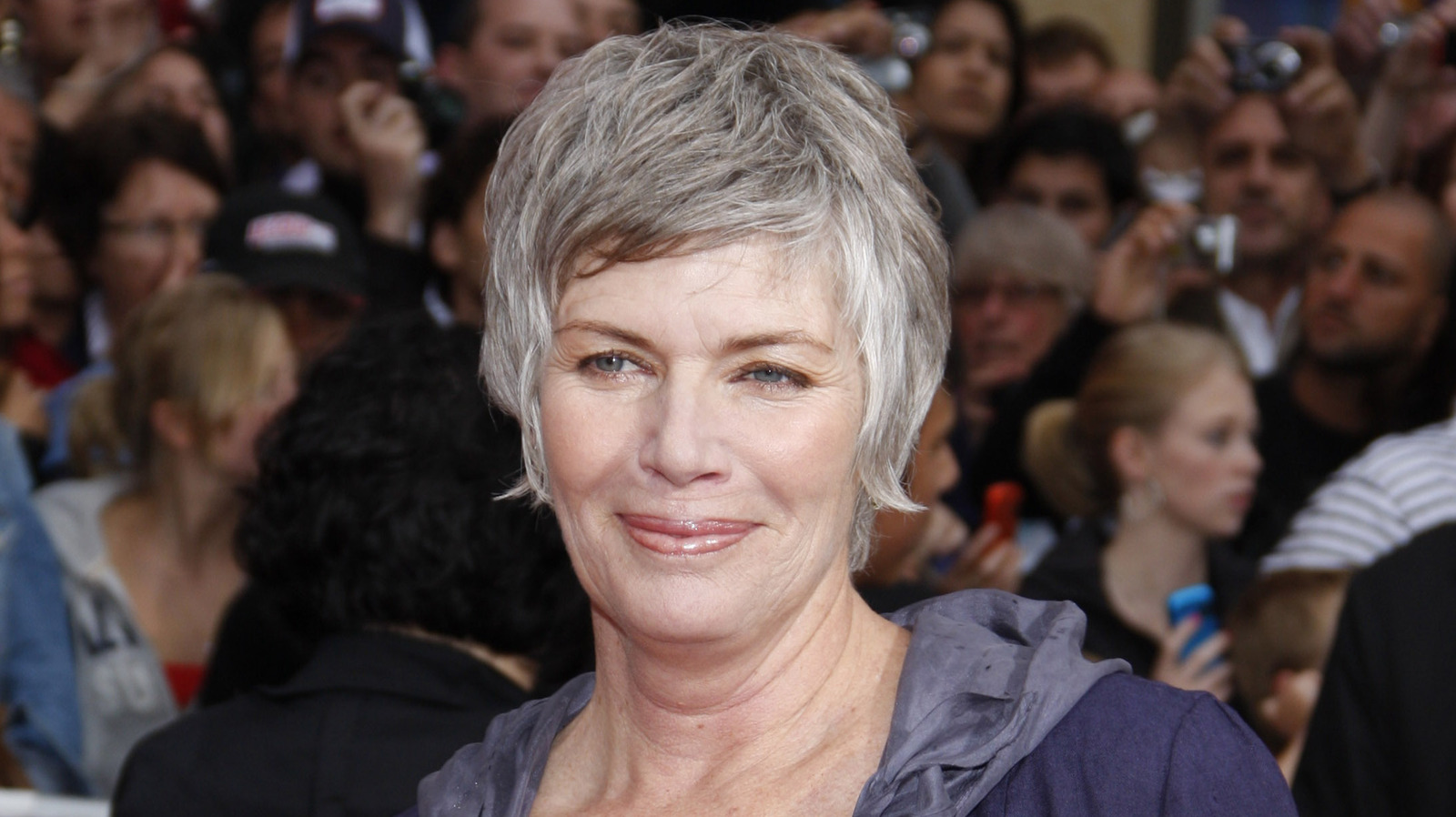
Kelly McGillis is an acclaimed American actress and dedicated activist best known for her iconic roles in major 1980s films like Top Gun and Witness, who later transitioned away from mainstream Hollywood to pursue regional theater, education, and advocacy work supporting trauma survivors and addiction recovery.
The trajectory of Kelly McGillis offers a fascinating study of an artist who achieved global cinematic fame only to deliberately step away from the machinery of Hollywood. While millions of moviegoers remember her as the brilliant astrophysicist Charlie Blackwood opposite Tom Cruise in Top Gun or as the Amish mother Rachel Lapp alongside Harrison Ford in Witness, her life extends far beyond the silver screen. Over the decades, McGillis has forged a deeply personal path defined by rigorous theatrical training, advocacy for survivors of sexual violence, recovery mentorship, and a quiet dedication to authenticity away from the public eye.
Early Life and Theatrical Foundations
Born on July 22, 1957, in Newport Beach, California, Kelly Ann McGillis grew up in a middle-class environment where artistic pursuits were encouraged. Her father was a general practitioner and her mother was a homemaker. Even during her youth, McGillis demonstrated a profound interest in dramatic arts, participating in local theater productions and high school drama classes. This early passion laid the groundwork for a serious professional commitment to acting.
Following her high school graduation, McGillis made a decisive move to New York City to hone her craft at the prestigious Juilliard School's Drama Division. Studying within Juilliard's rigorous Group 10 alongside other aspiring talents, she immersed herself in classical text analysis, vocal production, and movement. This conservatory training provided her with the technical discipline that would later distinguish her performances on both stage and screen.
Graduating from Juilliard in 1983 marked the formal entry of McGillis into the professional acting sphere. Unlike many young actors who chased television guest roles, her training oriented her toward complex character studies and classical theater. Her ability to project both raw emotional vulnerability and formidable intellectual strength quickly caught the attention of casting directors seeking actresses who could command complex emotional landscapes.
Breakthrough Roles and Cinematic Stardom
McGillis’s ascent in the film industry was rapid, highlighted by a series of critically acclaimed and commercially successful projects throughout the mid-1980s. Her cinematic breakthrough arrived with Peter Weir’s 1985 neo-noir thriller Witness. In the film, McGillis portrayed Rachel Lapp, a young Amish widow who, along with her young son, witnesses a brutal murder in a Philadelphia train station.
Playing an Amish woman required intense physical and cultural preparation. McGillis spent time living with an Amish family in Lancaster County, Pennsylvania, learning their customs, speech patterns, and daily labor routines to authentically capture the character's quiet resilience. Her performance was widely praised by critics for its understated power and quiet dignity, earning her Golden Globe and BAFTA Award nominations. Witness established McGillis not merely as a fresh face, but as a deeply serious dramatic actress capable of holding her own opposite established heavyweights like Harrison Ford.
| Film Title | Release Year | Role | Notable Recognition |
|---|---|---|---|
| Reuben, Reuben | 1983 | Geneva Spofford | Feature film debut |
| Witness | 1985 | Rachel Lapp | Golden Globe and BAFTA Award nominations |
| Top Gun | 1986 | Charlotte "Charlie" Blackwood | Global box-office blockbuster |
| The Accused | 1988 | Kathryn Murphy | Critical examination of legal justice |
Following the triumph of Witness, McGillis secured the role that would define her career in the global popular consciousness: Charlotte "Charlie" Blackwood in Tony Scott’s 1986 military action drama Top Gun. As the civilian astrophysicist and instructor who captures the heart of Maverick (Tom Cruise), McGillis brought intellectual authority, sharp wit, and undeniable cinematic presence to the screen. Top Gun became a defining cultural artifact of the 1980s, dominating the box office and cementing McGillis as an international sex symbol and A-list movie star.
Despite the dizzying heights of Top Gun, McGillis consistently sought projects that challenged societal norms and explored dark, complex themes. In the 1988 legal drama The Accused, she played Kathryn Murphy, the prosecutor fighting for justice on behalf of a sexual assault survivor (played by Jodie Foster). The film tackled the brutal reality of sexual violence and institutional apathy with unflinching honesty. McGillis’s performance grounded the legal procedural in genuine moral urgency, reflecting her growing off-screen interest in advocating for survivors of abuse.
Transition to Stage, Television, and Independent Film
As the 1990s approached, the cultural landscape of Hollywood began to shift. The intense scrutiny of global celebrity, combined with personal trauma and a desire for creative autonomy, prompted McGillis to reevaluate her career trajectory. Rather than chasing blockbuster sequels or conforming to the rigid archetypes often imposed on female stars of her era, she deliberately pivoted toward regional theater and independent productions.
Theater became her sanctuary. McGillis performed extensively in classical and contemporary stage productions across the United States. She took on demanding roles in regional theater companies, starring in plays by William Shakespeare, Henrik Ibsen, and Tennessee Williams. For McGillis, the stage offered an intimate connection with audiences and a level of artistic control that big-budget Hollywood studio filmmaking rarely afforded.
In addition to her stage work, she continued to appear in television films, independent features, and occasional recurring television roles. Projects like The Babe (1992) and various television thrillers allowed her to maintain a steady working relationship with the craft of acting while stepping away from the overwhelming paparazzi culture of Los Angeles. Her relocation to the East Coast marked a permanent geographical and psychological separation from the epicenter of the American film industry.
Advocacy and Humanitarian Work
Beyond her artistic achievements, Kelly McGillis has dedicated substantial portions of her life to advocacy, public service, and community support. Having experienced personal trauma and battles with substance use disorder in her own life, McGillis chose to use her public platform to destigmatize conversations surrounding addiction recovery and trauma survival.
During the late 1990s and 2000s, McGillis worked extensively as a recovery counselor and advocate in substance abuse treatment facilities. Operating largely away from the public spotlight, she assisted individuals navigating the arduous path of rehabilitation, drawing upon her own lived experiences to provide empathetic, grounded mentorship. This work highlighted a profound alignment between her personal values and her public identity as an activist.
Furthermore, McGillis has been an outspoken advocate for LGBTQ+ rights and visibility. Having publicly come out as a lesbian later in life, she has used her voice to support equality initiatives, speak against discrimination, and encourage younger generations to embrace their authentic identities without fear. Her advocacy is characterized by a pragmatic, grassroots approach, prioritizing direct community engagement and peer support over superficial celebrity activism.
Personal Life and Resilience
The life of Kelly McGillis has been marked by significant personal trials, resilience, and transformation. Navigating the sudden onset of global fame after Top Gun brought unique psychological pressures. Compounding these pressures, McGillis was the survivor of a violent assault in her New York City apartment in 1982, an event that deeply impacted her sense of personal safety and required years of emotional processing and healing.
In subsequent decades, she faced additional challenges, including high-profile divorces, struggles with alcohol addiction, and the physical realities of aging outside the traditional Hollywood spotlight. Rather than concealing these struggles, McGillis has approached them with candor and self-awareness. Her journey toward sobriety and emotional well-being represents a testament to personal accountability and inner strength.
Today, McGillis resides quietly outside the entertainment industry's nexus, maintaining a private lifestyle focused on personal peace, artistic integrity, and ongoing community involvement. Her refusal to conform to Hollywood's aging standards or return to high-profile franchises when invited—such as opting not to participate in the Top Gun sequel Top Gun: Maverick—demonstrates a rare commitment to personal boundaries and authenticity.
Frequently Asked Questions
Why did Kelly McGillis not appear in Top Gun: Maverick?
Kelly McGillis was never approached or asked to reprise her role as Charlie Blackwood in the 2022 sequel Top Gun: Maverick. Director Joseph Kosinski and the producers chose to take the narrative in a different direction, introducing new characters. McGillis herself has noted that she is old, comfortable in her own skin, and content with her life away from Hollywood, expressing little interest in returning to the blockbuster spotlight.
What are Kelly McGillis's most famous acting roles?
Her most internationally recognized cinematic performances are Rachel Lapp in Peter Weir’s Witness (1985) and Charlotte "Charlie" Blackwood in Tony Scott’s Top Gun (1986). She also earned critical acclaim for her work in Reuben, Reuben (1983) and The Accused (1988).
What kind of activist work does Kelly McGillis do?
McGillis has dedicated considerable time to advocating for survivors of sexual assault and domestic violence, working within substance abuse treatment centers as a recovery counselor, and supporting LGBTQ+ rights and visibility initiatives.
Where did Kelly McGillis receive her acting training?
She received formal, conservatory-level training at the Juilliard School's Drama Division in New York City, where she was a member of Group 10 and studied classical theater, voice, and movement.
Is Kelly McGillis still active in the entertainment industry?
McGillis has largely retired from mainstream film and television acting, choosing instead to focus on her private life, occasional regional theater projects, and community-based advocacy work.
Next Actions and Exploration
To gain a deeper understanding of Kelly McGillis’s artistic legacy, explore her foundational films Witness and The Accused, which showcase her dramatic range far beyond the commercial constraints of blockbuster cinema. For those interested in her theatrical career, research regional theater archives and classic play adaptations from the 1990s and 2000s where she performed extensively on stage.
Image Gallery
Select an image to open it in a new tab.


Simon Caldwell
Enterprise Technology and Systems Editor
