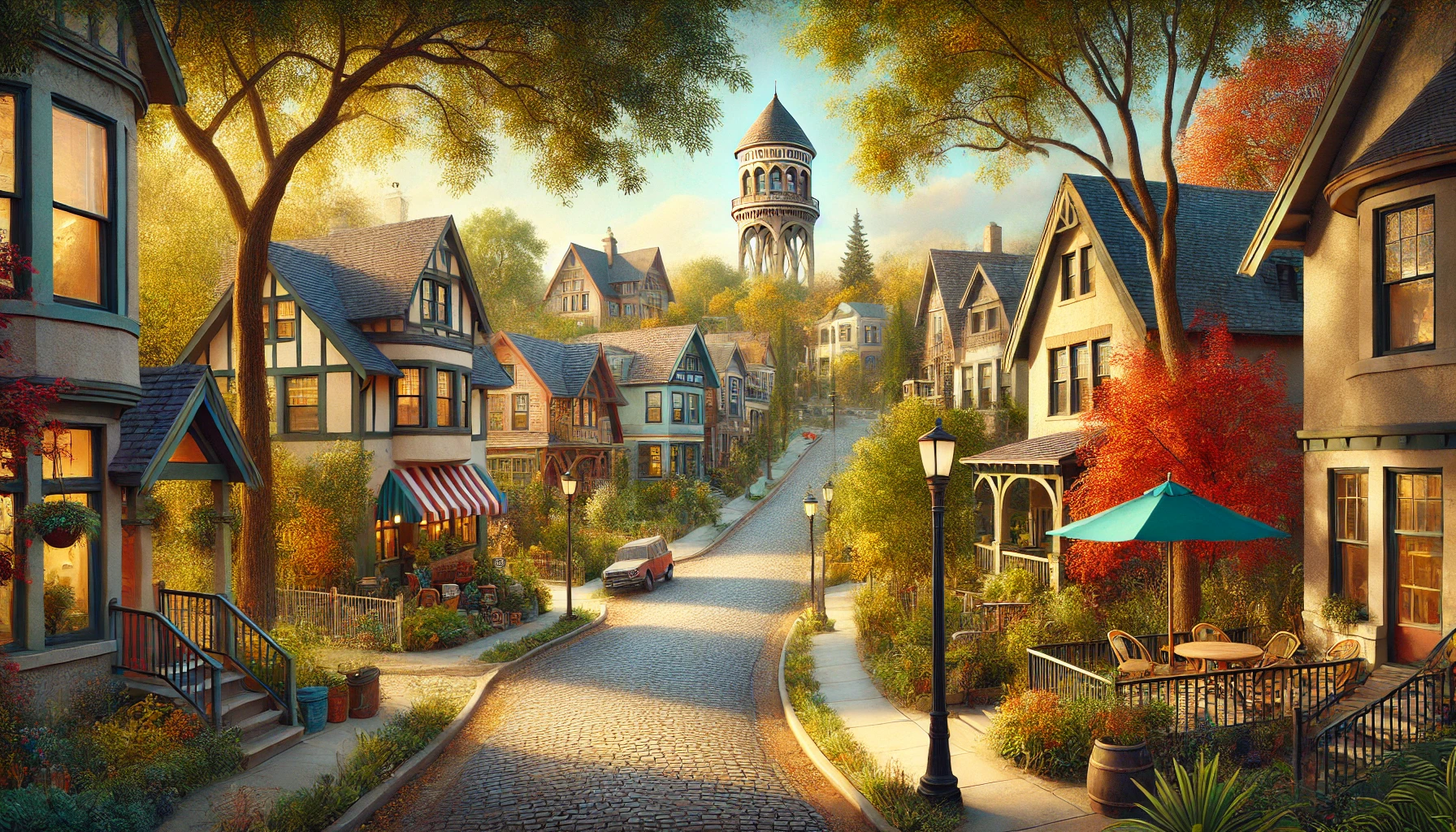
Exploring the Minneapolis Mill City District offers a profound journey through the industrial ruins and cultural resurgence of the former "Flour Milling Capital of the World." Visitors can tour the Mill City Museum, walk the historic Stone Arch Bridge, and witness the power of St. Anthony Falls. This district seamlessly blends 19th-century history with modern architectural wonders and scenic Mississippi River views.
The Historical Heart: Why Mill City Matters
The Mill City District, situated on the western bank of the Mississippi River in downtown Minneapolis, is not merely a collection of buildings but a testament to the forces that built the American Midwest. To understand the significance of exploring this area in 2026, one must first look back to the late 19th century, when the surging waters of St. Anthony Falls were harnessed to power a massive industrial machine.
From roughly 1880 to 1930, Minneapolis led the world in flour production. The district was dominated by the Washburn Crosby Company (which later became General Mills) and the Pillsbury Company. The massive limestone structures that still stand—or exist as preserved ruins—once processed enough grain to feed millions. However, the decline of water-powered industry in the mid-20th century left these titans empty, leading to fires and decay until a concerted preservation effort in the early 2000s transformed the area into a premier cultural destination.
Exploring Mill City today provides a unique "urban archaeology" experience. You are not looking at a recreated history; you are walking through the actual charred walls and hollowed-out hulls of the mills that defined the city’s identity. The juxtaposition of these rugged, industrial skeletons against the sleek glass of the Guthrie Theater and luxury lofts creates an architectural dialogue found in few other American cities.
Navigating the Mill City Museum
The cornerstone of any visit to the district is the Mill City Museum. Built directly into the ruins of the Washburn "A" Mill—which was once the largest and most technologically advanced flour mill in the world—the museum is an engineering marvel in its own right. After a devastating fire in 1991, the shell of the mill was stabilized and integrated into a modern museum structure that opened in 2003.
The Flour Tower Experience
The museum’s signature attraction is the Flour Tower. Visitors are seated in a large freight elevator that moves vertically through eight levels of the mill. At each stop, the doors open to reveal meticulously restored machinery and sets, accompanied by audio narratives from former mill workers. It explains the dangerous reality of the milling process, including the constant threat of flour dust explosions, which famously leveled the original "A" Mill in 1878.
The Observation Deck and Baking Lab
After the Flour Tower concludes, visitors emerge on the eighth-floor observation deck. This vantage point offers the best view of St. Anthony Falls and the Stone Arch Bridge. Back on the ground floor, the Mill City Museum Baking Lab provides live demonstrations of how the flour produced here was utilized by home cooks. These sessions often include historical recipes and discussions on the chemistry of gluten and yeast, making it a favorite for culinary enthusiasts.
The Courtyard Ruins
One of the most evocative spaces is the open-air courtyard. Because the 1991 fire destroyed the roof and many interior floors, the museum designers left the limestone walls open to the sky. Walking through this space allows you to see the scale of the original timber and iron supports and the thickness of the masonry required to house the vibrating, heavy machinery of the Victorian era.

The Architectural Marvels: Stone Arch Bridge and Guthrie Theater
Beyond the museum, the Mill City District is defined by two structures that represent the past and the future: the Stone Arch Bridge and the Guthrie Theater.
The Stone Arch Bridge
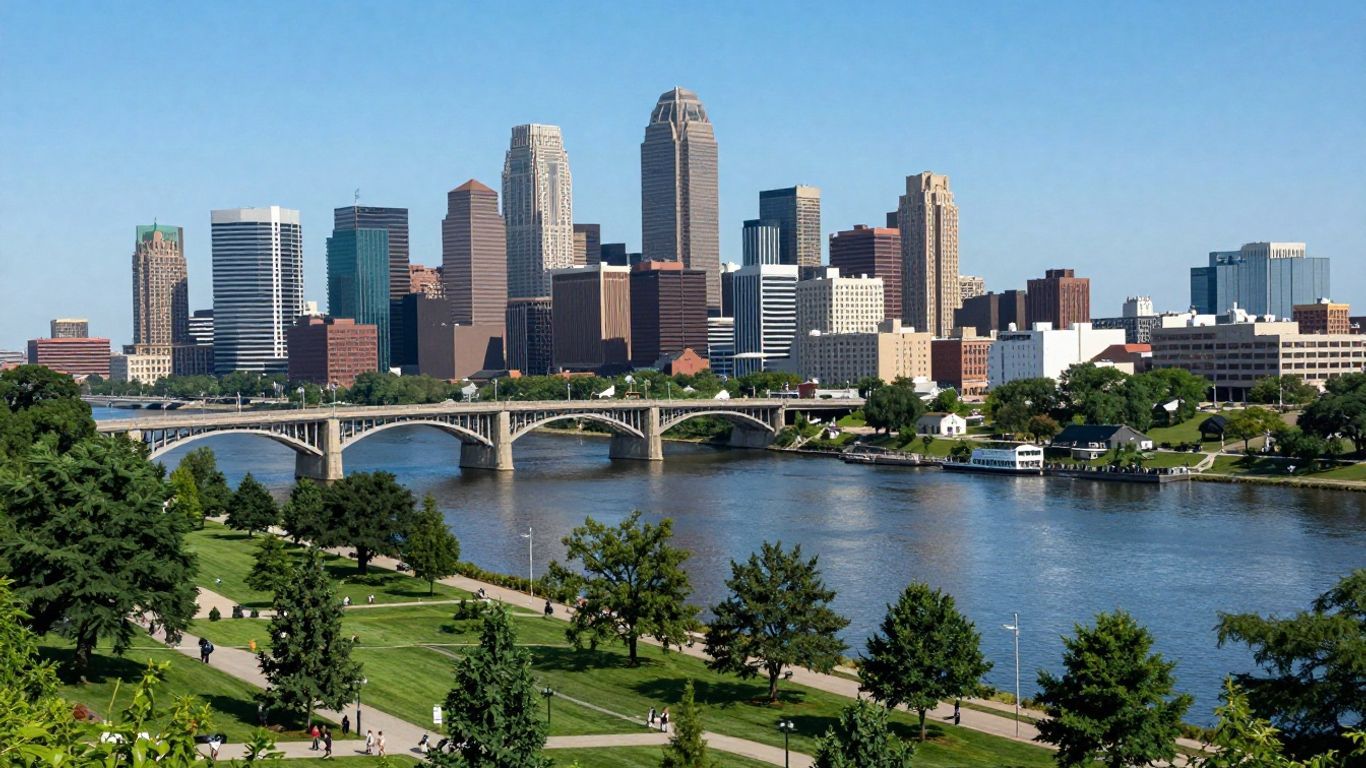
Completed in 1883 by railroad tycoon James J. Hill, the Stone Arch Bridge is a National Historic Civil Engineering Landmark. It consists of 21 limestone and granite arches and served as a rail bridge for decades. Today, it is a pedestrian and bicycle path that offers a panoramic view of the Minneapolis skyline and the river.
In 2026, the bridge remains a focal point for photography and evening strolls. Walking its 2,100-foot span allows you to feel the mist from the falls and observe the "apron"—the concrete slope built to protect the falls from erosion. It is the only bridge of its kind on the Mississippi River, and its gentle curve provides an ideal perspective for viewing both the Upper St. Anthony Lock and Dam and the ruins of the mills.
The Guthrie Theater
Standing in stark contrast to the rough-hewn stone of the mills is the Guthrie Theater, designed by Pritzker Prize-winning architect Jean Nouvel. Its deep blue metal facade and cantilevered "Endless Bridge" jut out toward the river, providing a public observation platform that is free to enter.
Even if you are not attending a play, the Guthrie is a vital part of the Mill City exploration. The "Endless Bridge" offers a stunning, framed view of the Stone Arch Bridge and the falls. For a different perspective, head to the amber-tinted observation level on the ninth floor, which provides a surreal, golden-hued look at the city and the riverfront.
Outdoor Exploration: Mill Ruins Park and the Riverfront
Located directly between the Mill City Museum and the river's edge, Mill Ruins Park serves as an outdoor museum. During the late 20th century, many of the district's smaller mills were buried under silt and gravel. Archaeological excavations in the 1990s and early 2000s uncovered the tailraces and canals that once funneled water into the mills to turn the turbines.
Understanding the Tailrace System
As you walk the boardwalks of Mill Ruins Park, you can see the intricate stone channels where water exited the mills after providing power. These ruins are part of a complex system of "headraces" (intake) and "tailraces" (outtake) that made Minneapolis an industrial powerhouse. Informational plaques throughout the park explain how the drop in elevation at St. Anthony Falls—the only major natural waterfall on the Mississippi—was exploited for mechanical energy.
Gold Medal Park
Just a short walk from the Guthrie Theater lies Gold Medal Park. This 7.5-acre green space features a large spiral mound at its center. Climbing the spiral provides a peaceful retreat from the industrial themes of the surrounding area. The park is often used for public art installations and provides a transition between the historic district and the residential developments of the North Loop and Downtown East.
Planning Your Visit in 2026
To get the most out of exploring the Minneapolis Mill City District, timing and logistics are essential. The area is highly walkable, but it is also a functioning part of a busy metropolitan center.
Transportation and Accessibility
The district is well-served by the Metro Blue and Green Lines (U.S. Bank Stadium Station is the nearest stop). For those driving, the Mill Quarter Ramp on 2nd Street South offers convenient parking. Most of the district, including the Stone Arch Bridge and the interior of the Mill City Museum, is ADA-accessible, though some of the gravel paths in Mill Ruins Park may be uneven.
Recommended Visiting Times
- Saturday Mornings: This is when the Mill City Farmers Market takes place (seasonally). It is one of the city's best markets, featuring local organic produce, artisanal cheeses, and handmade crafts, all set against the backdrop of the museum ruins.
- Sunset: The Stone Arch Bridge is most spectacular at golden hour, as the light reflects off the downtown skyscrapers and the limestone of the mills.
- Winter: While cold, the district is beautiful in the snow. The "A" Mill’s ruins take on a haunting quality, and the Guthrie provides a warm, indoor sanctuary with world-class views.
Comparison of Primary Attractions
| Site | Primary Focus | Best For | Typical Duration | Cost (2026 Est.) |
|---|---|---|---|---|
| Mill City Museum | Industrial History | Families, History Buffs | 2–3 Hours | $12–$20 |
| Stone Arch Bridge | Scenic Views | Photography, Exercise | 45 Minutes | Free |
| Guthrie Theater | Architecture/Arts | Aesthetic, Theatre | 1 Hour (excl. play) | Free (Observation) |
| Mill Ruins Park | Archaeology | Education, Walking | 30–60 Minutes | Free |
| St. Anthony Falls | Natural Power | Nature Lovers | 20 Minutes | Free |
Cultural and Dining Context
Exploring Mill City is as much about the present as it is about the past. The district has become a culinary hub, often leaning into its "flour" roots with high-end bakeries and farm-to-table restaurants.
Many visitors start their morning at one of the local cafes near 2nd Street, where the influence of the region's Scandinavian heritage is often felt in the pastries. For lunch or dinner, the area surrounding Gold Medal Park and the Guthrie Theater offers diverse options ranging from upscale New American cuisine to casual riverside dining.
The Mill City Farmers Market is particularly notable for its "Zero Waste" initiative. If you visit in 2026, you will find a highly organized market that emphasizes sustainable agriculture and local craftsmanship, often hosting educational workshops on urban gardening and healthy living within the museum’s train shed.
Common Mistakes to Avoid
- Skipping the Flour Tower: Some visitors skip the paid museum and only walk the bridge. The Flour Tower is the only way to truly visualize the scale of the milling operations and the interior mechanics of the ruins.
- Ignoring the "Pillsbury Side": Most visitors stay on the west bank. However, crossing the Stone Arch Bridge brings you to the Pillsbury "A" Mill (now artist lofts) and the historic Main Street of Southeast Minneapolis, which offers a different perspective on the milling era.
- Underestimating the Wind: The Stone Arch Bridge acts as a wind tunnel. Even on mild days, the breeze coming off the Mississippi can be significantly cooler than it is just two blocks inland. Always bring an extra layer.
Frequently Asked Questions
Is the Stone Arch Bridge currently open for walking?
As of 2026, the Stone Arch Bridge remains open, though periodic maintenance is common for a structure over 140 years old. Visitors should check the Minneapolis Park and Recreation Board website for any specific lane closures or construction notices before heading out.
Can you see the falls without entering the museum?
Yes, St. Anthony Falls is a public natural feature. The best views are from the Stone Arch Bridge or the public overlooks along the West River Parkway. The Mill City Museum offers a higher vantage point from its deck, but the falls themselves are entirely visible from public land.
How long does it take to walk through the Mill City District?
A comprehensive tour that includes the Mill City Museum, walking across the Stone Arch Bridge and back, and exploring Mill Ruins Park generally takes between four and five hours. If you add a meal or a show at the Guthrie, plan for a full day.
Is the Mill City District safe for solo travelers?
The district is one of the most popular and well-patrolled areas of Minneapolis. It is generally very safe for solo travelers during daylight and early evening hours. Like any urban area, it is wise to stay aware of your surroundings, especially after dark on the less-populated river trails.
Are there guided tours available for the ruins?
The Mill City Museum offers several guided walking tours, including the "Washburn A Mill Tour" and "Railroad History Tours." These are highly recommended for those who want a deeper dive into the engineering and social history of the area beyond what is written on the placards.
Final Recommendation for Your Visit
To truly capture the essence of exploring the Minneapolis Mill City District, begin your journey at the Mill City Museum around 10:00 AM to ground yourself in the history of the site. Following the museum, take a slow walk across the Stone Arch Bridge to the East Bank, grab a coffee or lunch on Southeast Main Street, and return via the bridge to catch the late afternoon light hitting the Guthrie Theater. This loop provides a complete sensory experience of the river’s power, the city’s industrial grit, and its modern cultural sophistication.
Image Gallery
Select an image to open it in a new tab.


Mateo Castillo
Decentralized Finance and E-Payments Strategist
