How to Help a Young Adult with Depression: A Practical Guide for Families and Caregivers

Supporting a young adult experiencing depression requires a delicate balance of emotional validation, boundary setting, and professional intervention. By recognizing early behavioral shifts, facilitating access to evidence-based care like cognitive behavioral therapy, and maintaining open communication without judgment, families can help bridge the gap between isolation and recovery.
Navigating the transition from adolescence to adulthood is inherently challenging, marked by academic pressures, career uncertainty, identity formation, and shifting social dynamics. When clinical depression enters this equation, it can derail a young person's developmental trajectory. Helping a young adult with depression is rarely as simple as offering a quick piece of advice or suggesting they "snap out of it." Depression is a multifaceted medical and psychological condition that alters brain function, energy levels, and cognitive processing. For parents, partners, and family members, knowing how to intervene effectively without alienating the individual requires patience, education, and strategic action.
Understanding Depression in Young Adulthood
Before offering effective support, caregivers must understand how depression presents in individuals aged 18 to 29. While clinical depression shares core diagnostic criteria across age groups—such as persistent sadness, anhedonia (loss of pleasure in activities), and changes in sleep or appetite—young adults often exhibit symptoms that differ from classical textbook definitions.
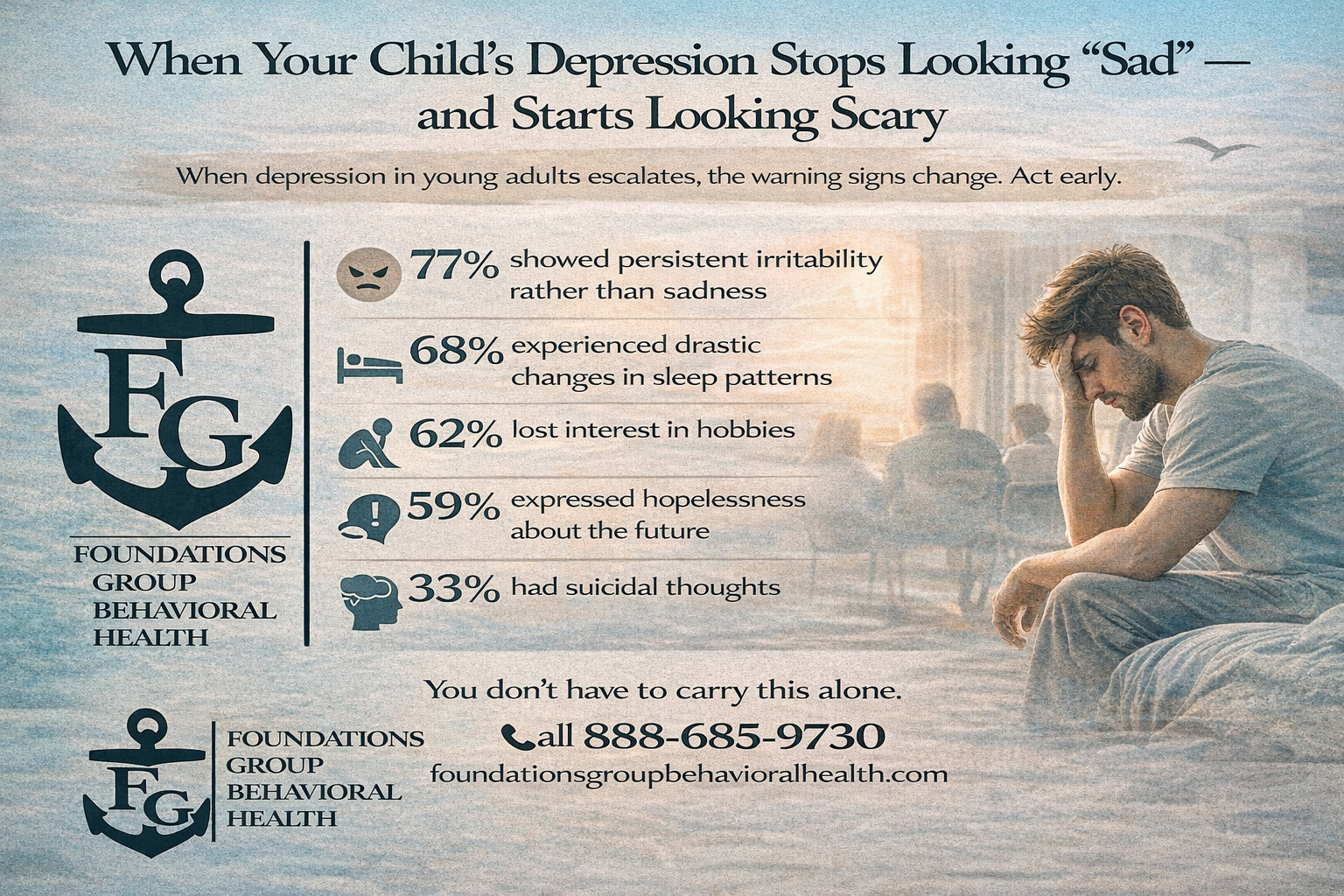
Instead of expressing overwhelming sadness, a depressed young adult may display chronic irritability, sudden academic or professional decline, social withdrawal, or reckless behavior. Some individuals mask their internal distress through high-functioning perfectionism, throwing themselves into work or studies while quietly crumbling under the weight of exhaustion. Others may experience vague, persistent somatic complaints, such as chronic headaches, digestive issues, or unexplained bodily aches.
Furthermore, this developmental stage is characterized by a drive for autonomy. Young adults often resist perceived micromanagement or unsolicited advice, making traditional caregiving approaches backfire if they feel patronized or controlled. Recognizing that depression is an illness—not a personal failing, a lack of willpower, or a phase—is the foundational first step toward providing meaningful assistance.
Recognizing the Signs and Knowing When to Act
Early identification significantly improves long-term outcomes for mood disorders. However, distinguishing between normal developmental stress and clinical depression can be difficult.
Common Behavioral and Emotional Indicators
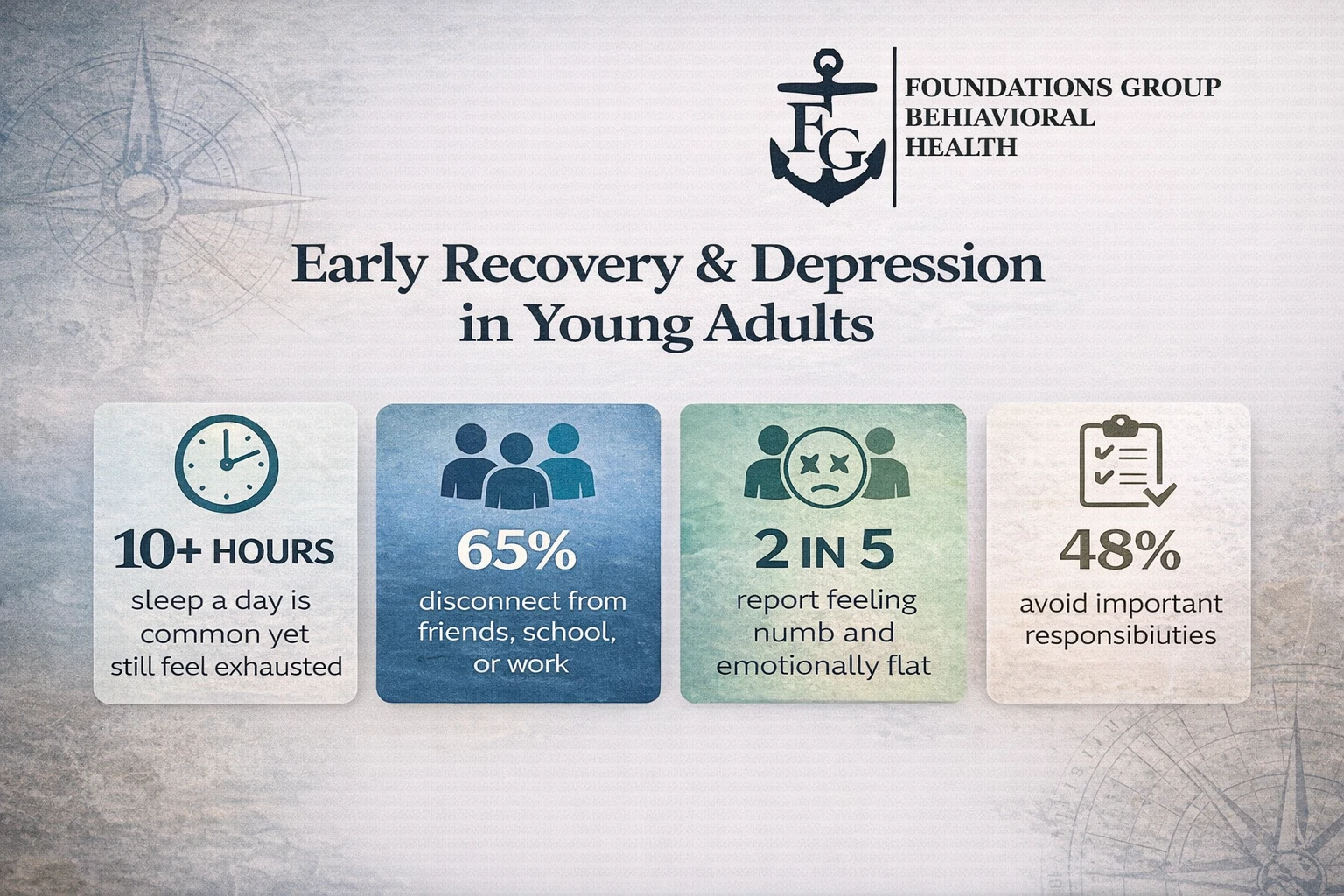
- Persistent Withdrawal: Drastically reducing communication with friends and family, ignoring text messages, or retreating to a bedroom for days at a time.
- Loss of Interest in Passions: Abandoning hobbies, creative outlets, sports, or social groups that once brought joy.
- Disruption in Sleep Architecture: Sleeping twelve to fourteen hours a day and still waking up exhausted, or suffering from severe insomnia that disrupts daytime functioning.
- Cognitive Fatigue: Difficulty concentrating, making decisions, or completing routine tasks like grocery shopping, paying bills, or submitting college assignments.
- Expressing Hopelessness: Making verbal remarks that indicate a bleak outlook on the future, feeling like a burden, or questioning their self-worth.
The Critical Threshold: Safety and Crisis Intervention
While all depressive symptoms require attention, safety concerns demand immediate intervention. If a young adult expresses thoughts of self-harm, suicide, or death, caregivers must take these statements seriously. According to public health guidelines, asking directly about suicide ("Are you thinking about suicide?") does not increase risk; rather, it opens a safe channel for communication. If there is an immediate threat to safety, emergency services or crisis hotlines—such as the 988 Suicide & Crisis Lifeline in the United States—must be contacted without hesitation.

Effective Communication Strategies
Talking to a young adult about mental health requires intentionality. Poorly chosen words can shut down communication, causing the individual to withdraw further.
Active Listening Versus Problem Solving
When a parent or caregiver sees someone they love suffering, the instinct is often to fix the problem immediately. However, young adults dealing with depression frequently do not want immediate solutions; they want to feel heard and validated.
Practice active listening by setting aside distractions, maintaining comfortable eye contact, and reflecting back what you hear. Instead of saying, "You just need to get outside more," try saying, "It sounds like getting through the day feels impossibly heavy right now, and I want to understand what that is like for you."
What to Say Versus What to Avoid
| Supportive Approach | Counterproductive Approach |
|---|---|
| "I notice you've been having a really hard time lately. I love you, and I am here for you." | "You have so much to live for; I don't understand why you are acting this way." |
| "Would it be helpful if I helped you research a therapist, or would you prefer to look together?" | "You just need to snap out of it and stay positive." |
| "It’s okay if you can’t do everything today. Let's focus on just one small step." | "Everyone feels stressed; you aren't the only one dealing with tough times." |
Navigating Professional Treatment Options
While family support is essential, depression is a clinical condition that typically requires professional intervention. Guiding a young adult toward treatment requires balancing encouragement with respect for their agency.
Types of Mental Health Professionals
- Licensed Professional Counselors (LPC) and Marriage and Family Therapists (LMFT): Provide talk therapy and behavioral interventions tailored to individual or relational dynamics.
- Clinical Psychologists (Ph.D. or Psy.D.): Offer comprehensive psychological testing and specialized psychotherapeutic modalities, such as Cognitive Behavioral Therapy (CBT) or Acceptance and Commitment Therapy (ACT).
- Psychiatrists and Psychiatric Nurse Practitioners (NPs): Medical doctors who specialize in mental health and are qualified to evaluate whether medication management is necessary alongside therapy.
Overcoming Resistance to Treatment
Many young adults resist seeing a therapist due to stigma, fear of the unknown, financial concerns, or previous negative experiences with the mental health system. Caregivers can lower these barriers by offering concrete assistance. This may include helping them navigate insurance coverage, researching providers who specialize in young adult mental health, or offering to drive them to their initial appointments.
Establishing Practical Daily Support
Living with depression depletes executive function, making ordinary routines feel insurmountable. Caregivers can assist by providing scaffolding without taking over complete control of the young adult's life.
Encouraging Physical Health and Movement
Physical well-being and mental health are deeply interconnected. Poor nutrition, dehydration, and a lack of sunlight can exacerbate depressive symptoms. Rather than demanding intensive gym sessions, encourage micro-movements: a ten-minute walk around the block, stretching in the living room, or sitting outside on the porch for fresh air. Preparing nutrient-dense meals or stocking the fridge with easy-to-grab, healthy options can also alleviate daily friction.
Balancing Support with Healthy Boundaries
It is common for caregivers to experience burnout, compassion fatigue, and anxiety when supporting a depressed loved one. It is vital to maintain personal boundaries. You can be a loving, supportive presence without becoming a 24/7 crisis counselor or abandoning your own emotional and physical well-being. Encouraging independence—even in small increments—reinforces the young adult's capability and prevents codependency.
Frequently Asked Questions
What should I do if my young adult child refuses to see a therapist?
Forcing therapy rarely yields positive results, especially with legal adults. Instead, express your concerns calmly, focus on how their well-being impacts the household or relationship, and offer to help them find resources when they are ready. Sometimes, starting with a routine physical exam from a primary care physician can uncover physical contributors to fatigue and sadness, serving as a lower-stigma entry point to care.
How can I tell the difference between typical young adult laziness and clinical depression?
Laziness typically involves a choice to avoid work or responsibilities while still enjoying leisure activities, hobbies, and social interactions. Depression, conversely, is marked by anhedonia—the inability to enjoy things that were once pleasurable—alongside profound physical exhaustion, changes in sleep patterns, and expressions of hopelessness or low self-worth.
Is it normal for my support to be met with anger or rejection?
Yes. Depression often manifests as irritability, and young adults striving for independence may interpret concern as criticism, micromanagement, or a lack of trust. Maintain a calm, steady presence, validate their frustration without taking their anger personally, and let them know your door remains open when they want to talk.
How long does recovery from depression take?
Recovery is rarely linear. It often involves periods of progress followed by temporary setbacks. Healing depends on the severity of the depression, the appropriateness of the treatment plan, and the individual's engagement with therapeutic tools. Patience and long-term consistency are critical for both the individual and their support network.
Next Steps for Caregivers
Supporting a young adult through depression is a marathon, not a sprint. Begin by educating yourself on depressive disorders through reputable medical organizations such as the National Institute of Mental Health (NIMH) or Mental Health America. Open a gentle, non-judgmental dialogue with your loved one, and explore local or telehealth mental health providers together. Most importantly, seek out support systems for yourself—such as caregiver support groups or individual therapy—to ensure you maintain your own resilience while helping them navigate theirs.
Image Gallery
Select an image to open it in a new tab.
Celine Dubois
Contemporary Living and Global Arts Columnist
