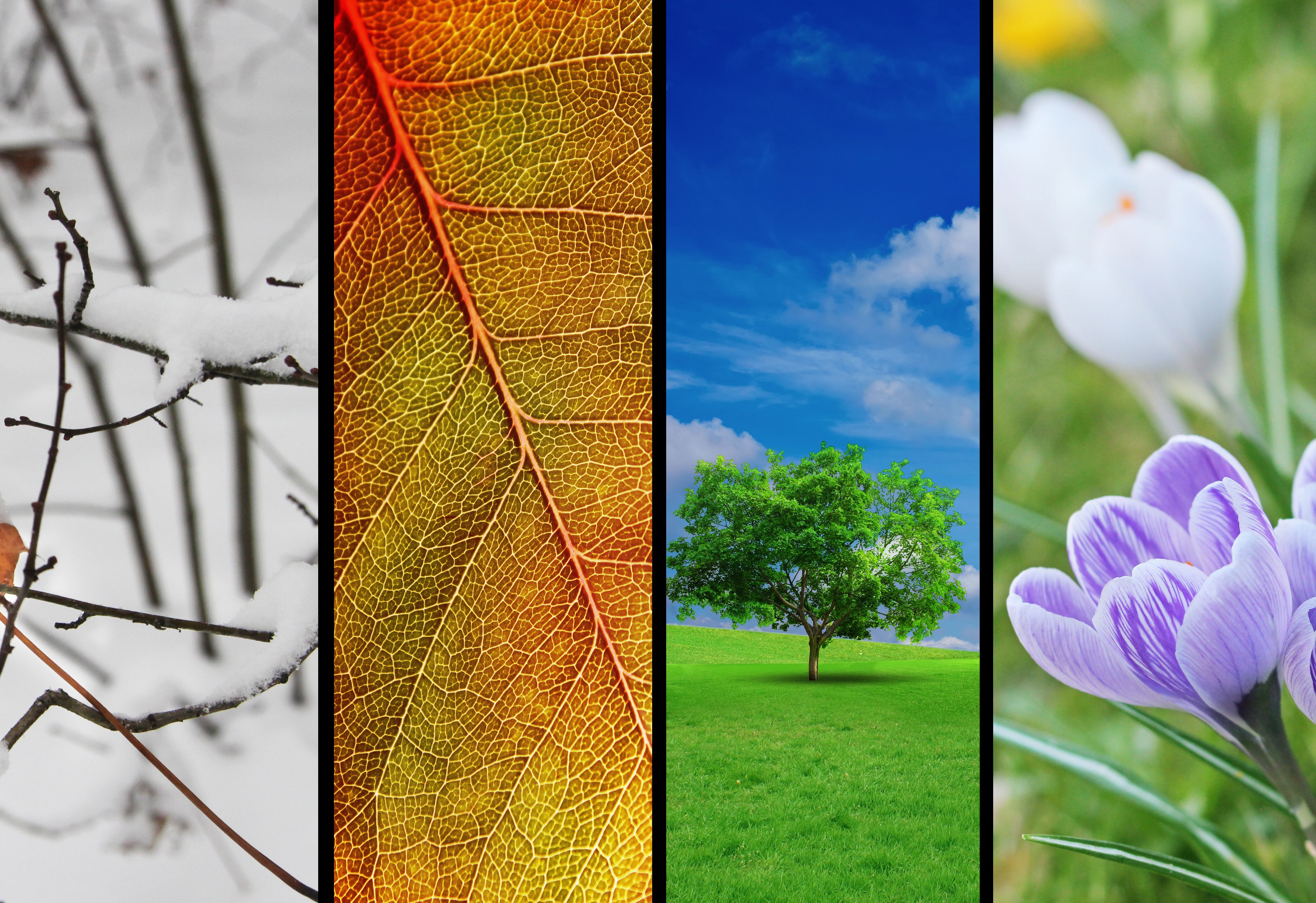
Experiencing a season in the Netherlands requires understanding how the country’s maritime temperate climate shapes daily life, outdoor activities, and cultural rhythms throughout the year. From the iconic spring tulip blooms and long summer days by the canals to the cozy autumn foliage and festive winter ice-skating, each period offers distinct environmental conditions, practical requirements, and travel opportunities.
The Geography and Climate Foundation of Dutch Seasons
To understand any season in the Netherlands, one must first grasp the geographical and meteorological influences that govern the region. Situated in Northwestern Europe with a long coastline along the North Sea, the Netherlands experiences a maritime temperate climate (Köppen climate classification Cfb). This means that winters are generally mild and summers are moderate, though weather patterns can shift rapidly due to Atlantic depressions sweeping across the flat landscape.
The country's lack of major natural barriers—such as significant mountain ranges—allows maritime winds to travel deep inland, moderating temperature extremes. However, this flatness also makes the country famously windy, which can substantially lower the perceived temperature, particularly during the autumn and winter months. Precipitation is distributed fairly evenly throughout the year, meaning travellers and residents should always anticipate rain showers regardless of the calendar month.
Understanding these baseline conditions helps set realistic expectations for outdoor planning, clothing choices, and seasonal events. Below is a foundational overview of how the four meteorological seasons unfold across the Dutch landscape.
Spring (March to May): Blossoms, Breezes, and Awakening Landscapes
Spring in the Netherlands is internationally celebrated, primarily driven by the explosion of color in the agricultural bulb fields and historic gardens. As daylight hours lengthen and temperatures slowly climb from daytime highs of around 10°C in March to 19°C by May, the nation shakes off the damp chill of winter.
The Bulb Fields and Keukenhof
The psychological and visual marker of Dutch spring is the blooming of tulips, hyacinths, and daffodils. The iconic Keukenhof gardens in Lisse open annually for a roughly eight-week window from mid-March to mid-May, attracting millions of visitors. Surrounding areas in the Bollenstreek (Bulb Region) display vast geometric strips of vibrant pink, red, yellow, and purple.
- Prerequisites for Visiting: Advance ticketing is mandatory for Keukenhof to manage daily visitor caps. Peak bloom for the outdoor fields typically occurs mid-April, though this depends entirely on winter temperatures.
- Etiquette: Visitors must respect private property; walking directly into working commercial bulb fields damages the crop and is strictly prohibited by local growers.
King’s Day (Koningsdag)
Celebrated on April 27th (or April 26th if the 27th falls on a Sunday), King’s Day is the national holiday marking the birthday of King Willem-Alexander. Cities like Amsterdam, Utrecht, and The Hague transform into seas of orange as millions of citizens take to the streets for vrijmarkt (free markets), where anyone can sell second-hand goods without a permit, accompanied by street parties, canal boat gatherings, and live music.

Summer (June to August): Long Days, Canals, and Outdoor Living
Summer in the Netherlands is characterized by long daylight hours—with dusk lingering past 10:00 PM in June—and average daily temperatures ranging from 20°C to 25°C, occasionally punctuated by heatwaves where temperatures exceed 30°C.
Coastal Culture and Lake Recreation
With hundreds of kilometres of coastline, the Dutch North Sea shorelines—such as Zandvoort, Scheveningen, and the islands of the Wadden Sea—become focal points for recreation. Beach pavilions (strandtenten) open for the season, offering dining and lounge spaces directly on the sand. Additionally, inland water bodies like the Loosdrecht Lakes and the IJsselmeer host extensive sailing, windsurfing, and swimming activities.
Cultural Festivals and Outdoor Events
Summer is the peak season for outdoor cultural programming. Major music festivals, open-air theatre productions, and historical city celebrations take place across the country.
- Pride Amsterdam: Held annually in late July and early August, it is unique for featuring a Canal Parade where floats travel through the historic grachten rather than traditional city streets.
- The Vierdaagse (Four Days Marches): Hosted in Nijmegen every July, this is the world's largest multi-day marching event, drawing tens of thousands of civilian and military walkers from around the globe.
Autumn (September to November): Changing Foliage and Shifting Weather
Autumn brings a dramatic visual transformation as the deciduous trees lining the historic canals and national parks—such as Hoge Veluwe National Park—turn shades of amber, gold, and russet. Temperatures decline steadily from a mild September average of 18°C down to crisp November lows hovering near 5°C.
Weather Dynamics and Practical Preparation
Autumn is historically the windiest and one of the wettest seasons in the Netherlands. Atlantic low-pressure systems frequently bring heavy gusts and prolonged rain.
- Cycling in Autumn: Bicycles are the primary urban transport mode, requiring riders to invest in reliable wind- and waterproof outerwear, waterproof panniers, and proper lighting as evening arrival shifts earlier.
- Cultural Shifts: As outdoor activities wind down, cultural life moves indoors. Museums, concert halls, and theaters launch their primary exhibition and performance seasons. The Dutch Film Festival (Nederlands Film Festival) takes place in Utrecht every September, highlighting domestic cinema.
Winter (December to February): Frost, Festivities, and Gezelligheid
Winter in the Netherlands is generally mild compared to Eastern Europe or Scandinavia, with daytime temperatures averaging between 2°C and 6°C. Sub-freezing temperatures occur, but prolonged snow cover is increasingly rare due to maritime moderation.
Sinterklaas and Christmas Markets
The festive season kicks off early, with the arrival of Sinterklaas in mid-November, culminating in gift-giving on December 5th. Throughout December, cities host winter lights festivals, ice rinks in central squares (such as Museumplein in Amsterdam), and traditional Christmas markets. The cultural concept of gezelligheid—roughly translating to coziness, warmth, and social belonging—becomes the central ethos of daily life during the dark, short winter days.
The Ice-Skating Tradition (Elfstedentwist)
Ice skating is a national obsession, though natural outdoor skating depends entirely on prolonged sub-freezing spells. When canals and shallow lakes freeze to a safe thickness (typically requiring several consecutive nights of -5°C or lower), the nation watches for the potential revival of the Elfstedentwist (Eleven Cities Tour), a legendary 200-kilometre ice-skating race across Friesland that has only been held fifteen times in history due to warming winters. When natural ice fails, indoor rinks and temporary synthetic sheets satisfy public demand.
Comparative Seasonal Analysis
To assist in planning a visit or relocation, the following table breaks down the core characteristics, primary activities, and practical considerations for each season in the Netherlands.
| Season | Months | Average Temperature | Primary Highlights | Key Practical Consideration |
|---|---|---|---|---|
| Spring | March – May | 10°C – 19°C | Bulb fields, Keukenhof, King’s Day, blooming gardens | Book ticket attractions well in advance; layer clothing for shifting winds. |
| Summer | June – August | 20°C – 25°C | Coastal beaches, canal festivals, long daylight, outdoor dining | High tourist volume in major cities; book accommodations early. |
| Autumn | September – November | 9°C – 18°C | Fall foliage in national parks, museum season, cultural festivals | Prepare for frequent rain and high wind speeds while cycling. |
| Winter | December – February | 2°C – 6°C | Festive lights, ice skating, Sinterklaas, gezellig indoor culture | Short daylight hours (dark by 4:30 PM in mid-winter); waterproof footwear essential. |
Frequently Asked Questions
What is the best season to visit the Netherlands for tulips?
The peak period for viewing the tulip and bulb fields in the Netherlands is mid-April. While the Keukenhof gardens open from mid-March to mid-May, visiting between the second and fourth weeks of April provides the highest statistical probability of seeing the outdoor fields in full bloom.
How rainy is the Netherlands throughout the year?
Rainfall is distributed fairly evenly across all twelve months in the Netherlands, rather than being concentrated in a distinct monsoon or rainy season. On average, the country experiences measurable precipitation on approximately 130 to 150 days per year, though showers are often brief rather than all-day washouts. Autumn and winter tend to feature higher total wind-driven rainfall volumes.
Is English widely spoken during all seasons?
Yes. The Netherlands consistently ranks among the highest non-native English proficiency nations globally. Tourists and newcomers will find that English is readily spoken in hospitality, retail, public transportation, and official administrative interactions year-round.
Can I cycle comfortably during the winter months?
Cycling remains a primary mode of transportation in the winter, and municipal authorities prioritize clearing snow and salting main cycle paths (fietspaden). However, winter cyclists must contend with cold headwinds, rain, and limited daylight, requiring proper winter cycling gear, functional lights, and defensive riding habits on slippery surfaces.
Conclusion and Next Actions
Evaluating a season in the Netherlands requires balancing your specific goals—whether that is witnessing spring blooms, enjoying summer coastal recreation, exploring autumn cultural events, or experiencing winter gezellig traditions. For travellers, secure accommodations and major attraction tickets months in advance if visiting during peak spring or summer windows. For prospective residents or long-term visitors, prioritize investing in durable, wind-resistant rain gear and mastering bicycle commuting infrastructure to integrate smoothly into Dutch seasonal rhythms.
Image Gallery
Select an image to open it in a new tab.


Celine Dubois
Contemporary Living and Global Arts Columnist
