Evaluating the Best How to Train Your Dragon Movie: A Comprehensive Cinematic Analysis
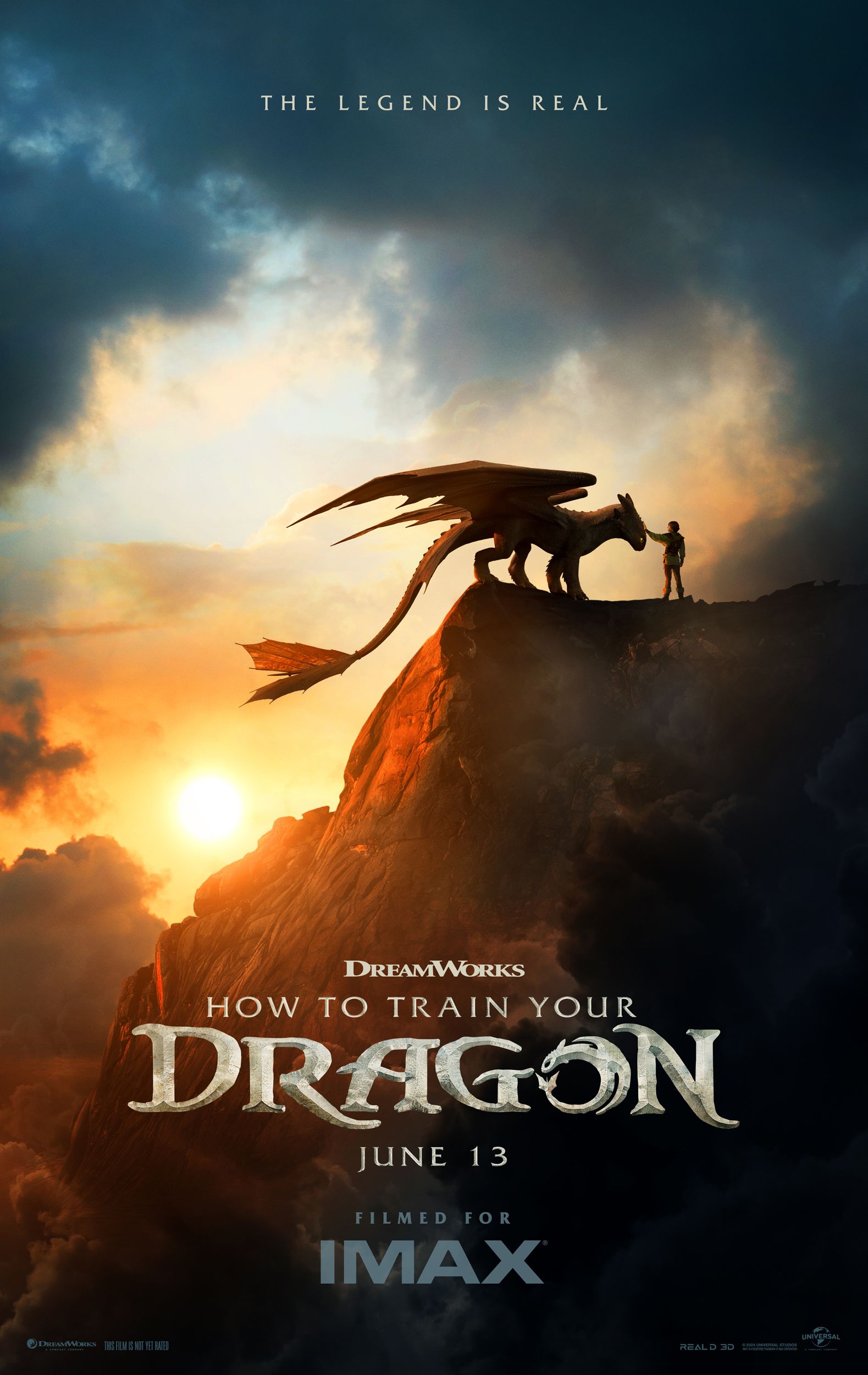
Determining the best "How to Train Your Dragon" movie involves balancing critical reception, audience impact, and the narrative evolution of the trilogy developed by DreamWorks Animation. While the original 2010 film is widely regarded as the foundational masterpiece that defined the franchise's emotional core, the sequels expanded its technical ambition and character complexity, leading to a highly debated ranking among fans and critics.
The Foundation: How to Train Your Dragon (2010)
The inaugural film, directed by Chris Sanders and Dean DeBlois, is frequently cited as the pinnacle of the series. Its success is rooted in the "hero's journey" archetype, centered on Hiccup Horrendous Haddock III, a young Viking who defies his society's anti-dragon prejudice. By choosing to befriend a Night Fury—the most feared dragon species—Hiccup bridges the gap between two warring worlds.
From a technical perspective, the 2010 film was a watershed moment for DreamWorks. It utilized innovative flight-simulation animation to provide a visceral sense of aerial freedom, supported by a haunting, orchestral score composed by John Powell. The emotional resonance of the bond between Hiccup and Toothless set a high bar for animated storytelling, establishing a narrative template that relied on genuine peril and character-driven stakes rather than just comedic relief.
The Expansion: How to Train Your Dragon 2 (2014)
Released four years later, the second installment took a darker, more epic approach. By aging the characters to young adulthood, the filmmakers explored themes of governance, legacy, and the moral complexities of warfare. This entry introduced the concept of the Dragon Alpha and a wider ecosystem of creatures, significantly expanding the series' world-building.
The animation quality saw a distinct leap forward, particularly in the rendering of fire, ice, and large-scale crowds. Critics often praise this film for its mature handling of loss and the high-stakes confrontation with Drago Bludvist. It solidified the franchise as a trilogy capable of evolving alongside its audience, moving away from the "villain of the week" trope toward a cohesive, overarching mythology.
The Conclusion: How to Train Your Dragon: The Hidden World (2019)
The final chapter serves as a poignant conclusion to the narrative arc. Focusing heavily on the necessity of letting go, the film explores the transition of dragons from the human world back to their ancestral home. The visual design of the Hidden World itself—a luminescent, cavernous ecosystem—represented the technical peak of the franchise, showcasing how far computer-generated imagery had progressed from the original film.
While some viewers argue it lacks the singular focus of the first movie, others contend that it provides the most satisfying emotional payoff. It completes the character development for both Hiccup and Toothless, ensuring that their relationship culminates in a way that respects the history established in the previous two films.
Comparative Metrics for the Trilogy
When analyzing these films, it is useful to weigh them against standard cinematic benchmarks such as narrative cohesion, visual innovation, and character development.
| Feature | How to Train Your Dragon (2010) | How to Train Your Dragon 2 (2014) | The Hidden World (2019) |
|---|---|---|---|
| Primary Theme | Discovery & Empathy | Legacy & Responsibility | Sacrifice & Independence |
| Visual Focus | Kinetic Aerial Motion | Large-scale World Building | Intricate Environmental Design |
| Character Arc | Transformation of Self | Transformation of Role | Final Maturation |
| Pacing | Measured & Introductory | Urgent & High Stakes | Reflective & Conclusive |
Evaluating Narrative Integrity Across the Trilogy
The "best" film often depends on what a viewer values most in the cinematic experience. Those who prioritize the purity of storytelling and the freshness of the concept usually gravitate toward the 2010 original. The film succeeds because it manages to condense an entire world—Berk, the dragon training academy, and the threat of the Red Death—into a tightly knit narrative that feels complete yet open to growth.
Conversely, those who value world-building and technical spectacle often cite the sequels as superior. By 2014 and 2019, DreamWorks had developed proprietary software that allowed for more fluid interaction between textures, light, and character models. The scale of the battle sequences in the second movie, in particular, dwarfs the original, yet these battles never feel disconnected from the personal stakes involving Hiccup’s family and his relationship with Toothless.
Addressing Common Audience Questions
Which movie has the best musical score?
While the musical DNA remains consistent throughout the trilogy due to John Powell’s involvement, the 2010 score is often cited as the most iconic. It introduced the primary themes that define the franchise, blending Celtic-inspired melodies with sweeping, cinematic orchestral arrangements.
Do I need to watch the films in order?
Yes. The narrative is strictly chronological and deeply interconnected. Characters undergo significant physical and emotional changes that are cumulative. Starting with The Hidden World would result in a loss of context regarding the foundational bond between the leads, significantly diminishing the emotional impact of the final scenes.
Is the franchise suitable for all ages?
The trilogy is widely considered family-friendly, though it deals with mature themes such as bereavement, the physical consequences of war, and the complexities of political leadership. Parents should be aware that the later films contain more intense action sequences and emotional weight compared to the first.
How do the spin-off series impact the "best" movie debate?
While shows like Race to the Edge provide extensive lore and background on the dragons and Viking history, they exist as supplementary content. When evaluating the "best" film, critics almost exclusively focus on the primary theatrical trilogy, as these were designed to function as self-contained cinematic works.
Why does the animation quality appear so different between the three films?
The advancement in technology over the nine-year span of the trilogy's release is evident. The original film relied on older lighting and simulation tools, while the final film utilized "Moon Ray," a light-rendering engine that allowed for much more sophisticated lighting effects, particularly regarding skin textures, fur, and the glowing bioluminescence of the Hidden World.
Practical Considerations for Viewers
To determine which movie is the best for your personal viewing preference, consider your current engagement goals:
- For Character Origins: Start with the 2010 original. It establishes the rules, the setting, and the unique dynamic between the human and dragon protagonists. It is the most accessible entry point.
- For High-Stakes Action: If you prefer epic storytelling with grand battles and political intrigue, the 2014 sequel offers the most significant escalation of conflict.
- For Emotional Completion: If you are looking for a definitive, bittersweet conclusion that respects the history of the characters, the 2019 finale is the intended resolution.
Ultimately, the trilogy is best viewed as a singular, extended piece of storytelling. While individual films have distinct styles, their value is magnified by their place within the whole. If you seek to understand the "best" entry, it is recommended to evaluate the series by its ability to maintain a consistent tone while maturing the complexity of its themes, a feat that few animated trilogies have successfully achieved.
Final Next Action
For those new to the franchise or looking to re-experience the series, the most effective approach is to schedule a weekend viewing of all three films in order of release. By doing so, you can observe the technical evolution of DreamWorks Animation alongside the aging of the characters. If you find yourself constrained by time, prioritize the 2010 original to establish the baseline of the universe, and follow it with the 2019 finale to witness the emotional resolution of the series' core relationship.

Image Gallery
Select an image to open it in a new tab.

Lars Thomsen
Global Labor Markets and Economic Strategy Editor
