The Boston Red Sox broke the "Curse of the Bambino" by winning the 2004 World Series, defeating the St. Louis Cardinals in a four-game sweep. This historic victory ended an 86-year championship drought and was highlighted by a miraculous comeback against the New York Yankees in the American League Championship Series.
The Psychological Weight of the 86-Year Drought
To understand the magnitude of the Red Sox breaking the curse, one must first understand the weight of the "Curse of the Bambino" itself. The legend began following the 1919 season when Red Sox owner Harry Frazee sold George Herman "Babe" Ruth to the New York Yankees for $125,000 and a $300,000 loan. At the time, Boston was a premier franchise, having won five of the first fifteen World Series titles. After the trade, the Red Sox entered a period of futility that lasted nearly nine decades, while the Yankees transformed into a global powerhouse.
The "curse" was not merely a lack of winning; it was defined by a series of high-profile, heartbreaking failures that seemed to defy logic. In 1946, Enos Slaughter’s "Mad Dash" cost Boston Game 7 of the World Series. In 1967, the "Impossible Dream" team fell in another Game 7. Most notoriously, in 1986, a ground ball through first baseman Bill Buckner’s legs in Game 6 allowed the New York Mets to force and eventually win Game 7. By the early 2000s, the "Curse" had become a psychological barrier that loomed over every postseason appearance, culminating in the 2003 ALCS where Aaron Boone hit a walk-off home run to eliminate the Red Sox.
Building the 2004 "Idiots" Roster
Entering the 2004 season, General Manager Theo Epstein—then the youngest GM in baseball history—sought to overhaul the team's culture and statistical efficiency. Epstein and his front office focused on "on-base percentage" and "plate discipline," but they also prioritized clubhouse chemistry. The 2004 team famously nicknamed themselves "The Idiots," a moniker intended to show they were too loose and unbothered to be weighed down by historical baggage.
Key Acquisitions and Core Players
The 2004 roster was a blend of homegrown talent and strategic acquisitions. Key figures included:
- David Ortiz: Signed as a free agent in 2003 after being released by the Twins, "Big Papi" became the emotional heart of the team.
- Manny Ramirez: One of the most feared right-handed hitters in history, providing protection for Ortiz.
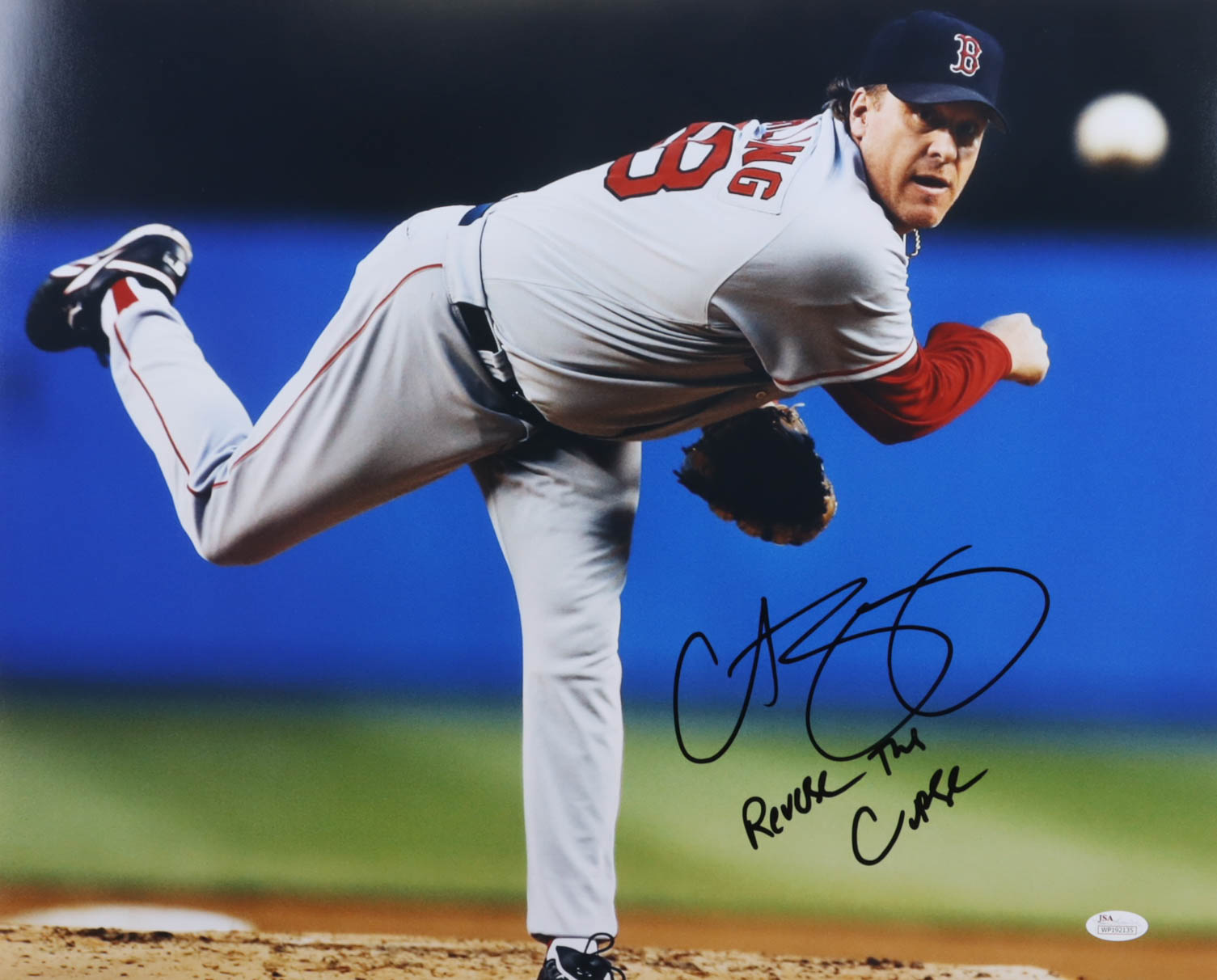
- Curt Schilling: Acquired via trade from the Arizona Diamondbacks specifically to win big postseason games.
- Pedro Martinez: A perennial Cy Young contender who provided the team with an ace-level swagger.
- Jason Varitek: The team captain and catcher who managed a complex pitching staff.
The mid-season trade of franchise icon Nomar Garciaparra for Orlando Cabrera and Doug Mientkiewicz was a pivotal moment. While unpopular at the time, it improved the team's infield defense and signaled that the front office was willing to make difficult decisions to achieve a championship.
The 2004 ALCS: The Greatest Comeback in Sports History
The Red Sox did not simply "break" the curse; they shattered it during the 2004 American League Championship Series (ALCS) against their rivals, the New York Yankees. After three games, Boston trailed the series 0-3. In the history of Major League Baseball, no team had ever recovered from a 3-0 deficit to win a best-of-seven series.
Game 4: The Turning Point
In the bottom of the 9th inning of Game 4, trailing 4-3 and facing the greatest closer in history, Mariano Rivera, the Red Sox were three outs away from being swept. Kevin Millar drew a walk, and Dave Roberts was sent in as a pinch runner. In what is now known as "The Steal," Roberts swiped second base on the first pitch. Moments later, Bill Mueller singled him home to tie the game. In the 12th inning, David Ortiz hit a walk-off home run, keeping the season alive.
The "Bloody Sock" and Game 6
Game 6 featured one of the most iconic moments in sports history. Curt Schilling, pitching on a surgically repaired ankle held together by a "cadaver stitch," took the mound in Yankee Stadium. As the game progressed, blood began to seep through his white sanitary sock. Schilling pitched seven masterful innings, allowing only one run. This performance neutralized the Yankee crowd and forced a Game 7.
Game 7: Exorcising the Ghosts
Unlike the tension of previous games, Game 7 was a rout. Johnny Damon hit two home runs, including a grand slam, and Derek Lowe pitched on short rest to stifle the Yankees' bats. The 10-3 victory made the Red Sox the first—and to this day, the only—MLB team to win a series after trailing 3-0. This victory was arguably more significant to the fans than the World Series itself, as it involved defeating their primary tormentors on their home turf.
The World Series Sweep of the St. Louis Cardinals
While the ALCS was a grueling marathon of emotions, the 2004 World Series was a clinical display of dominance. The Red Sox faced the St. Louis Cardinals, a team that had won 105 games in the regular season and featured stars like Albert Pujols, Scott Rolen, and Jim Edmonds.
- Game 1: A high-scoring affair at Fenway Park. Mark Bellhorn hit a late home run to help Boston win 11-9.
- Game 2: Curt Schilling, again pitching with a bloody sock, led Boston to a 6-2 victory.
- Game 3: Pedro Martinez pitched seven shutout innings in St. Louis, moving the Sox within one game of the title.
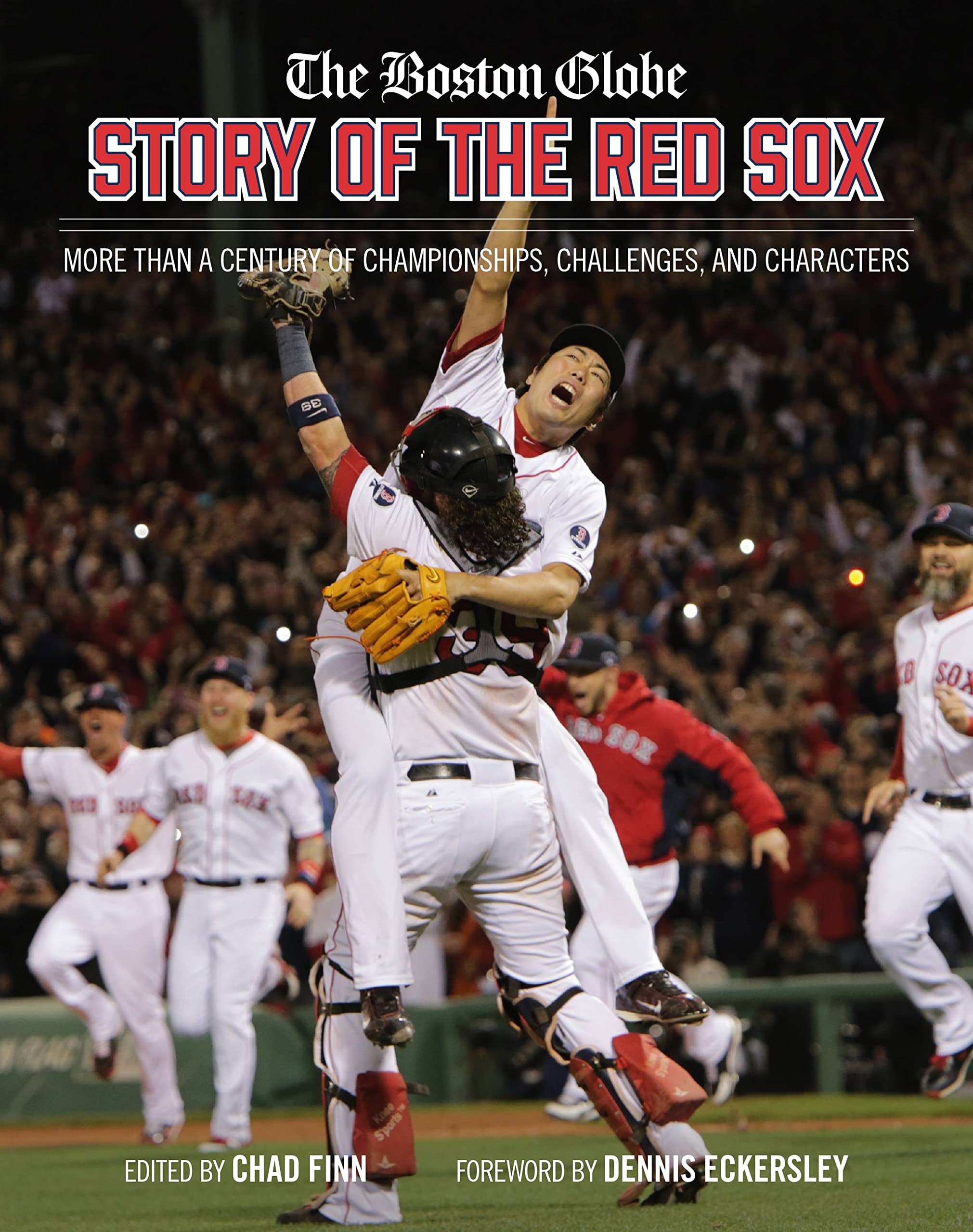
- Game 4: Derek Lowe pitched seven scoreless innings. At 11:40 PM ET on October 27, 2004, Edgar Renteria hit a ground ball back to pitcher Keith Foulke. Foulke tossed the ball to first baseman Doug Mientkiewicz, ending the 86-year wait.
Statistical Comparison: 1918 vs. 2004
The following table compares the last team to win before the curse and the team that finally broke it.
| Feature | 1918 Red Sox | 2004 Red Sox |
|---|---|---|
| Regular Season Record | 75-51 | 98-64 |
| Manager | Ed Barrow | Terry Francona |
| Primary Offensive Star | Babe Ruth (11 HR, .300 AVG) | David Ortiz (41 HR, .301 AVG) |
| Primary Pitching Ace | Carl Mays (21 Wins, 2.21 ERA) | Curt Schilling (21 Wins, 3.26 ERA) |
| World Series Opponent | Chicago Cubs | St. Louis Cardinals |
| Series Result | 4-2 | 4-0 |
| Winning Pitcher (Clincher) | Carl Mays | Derek Lowe |
Legacy and the End of an Era
Breaking the curse fundamentally changed the Boston Red Sox franchise and the city of Boston. Prior to 2004, the Red Sox were defined by "fatalism"—the belief that something would always go wrong. After 2004, the team became a modern dynasty, winning additional World Series titles in 2007, 2013, and 2018.
The victory also had a profound impact on the "Red Sox Nation" fan base. For generations of New Englanders, the quest for a title was a shared family burden. In the days following the victory, fans famously flocked to cemeteries across the region to place Red Sox pennants and "World Champions" stickers on the gravestones of parents and grandparents who had lived and died without seeing a title.
From a technical standpoint, the 2004 victory validated the "Sabermetric" approach to baseball. It proved that while history and "curses" make for great stories, roster construction, bullpen management, and statistical analysis are the tools that actually win championships.
Frequently Asked Questions
Who was the MVP of the 2004 World Series?
Manny Ramirez was named the World Series MVP. He hit .412 with a home run and 4 RBIs over the four-game sweep. His consistent hitting at the top of the lineup provided the necessary pressure to dismantle the Cardinals' pitching staff.
How many years did the "Curse of the Bambino" last?
The curse lasted 86 years. It began after the sale of Babe Ruth in January 1920 and ended with the final out of the World Series on October 27, 2004.
Did the Red Sox win any other titles during the "Curse"?
No. Between 1918 and 2004, the Red Sox appeared in the World Series four times (1946, 1967, 1975, and 1986), losing all four in seven games. This pattern of losing in the final possible game contributed heavily to the legend of the curse.
Who was the manager when the Red Sox broke the curse?
Terry Francona was the manager of the 2004 Boston Red Sox. It was his first year with the team. He was praised for his calm demeanor and his ability to manage the diverse personalities of "The Idiots" clubhouse.
What happened to the "Bloody Sock"?
The sock worn by Curt Schilling in Game 6 of the ALCS was originally lost or discarded but was later recovered and eventually auctioned. It became a symbol of the grit and determination required to overcome the Yankees and the historical "curse."
Practical Recommendation for Fans and Historians
For those looking to relive or study the breaking of the curse, the most comprehensive resource remains the official MLB 2004 World Series film. Additionally, the Baseball-Reference archives provide pitch-by-pitch data for the entire 2004 postseason. Understanding the "Curse of the Bambino" is essential for anyone studying American sports culture, as it represents the most famous example of how mythology and professional sports can become inextricably linked. To see the impact today, a visit to Fenway Park—the same stadium where the curse lived for decades—offers a living museum of the events of 2004.
Image Gallery
Select an image to open it in a new tab.



Declan O'Connor
Higher Education and Campus Culture Reporter
