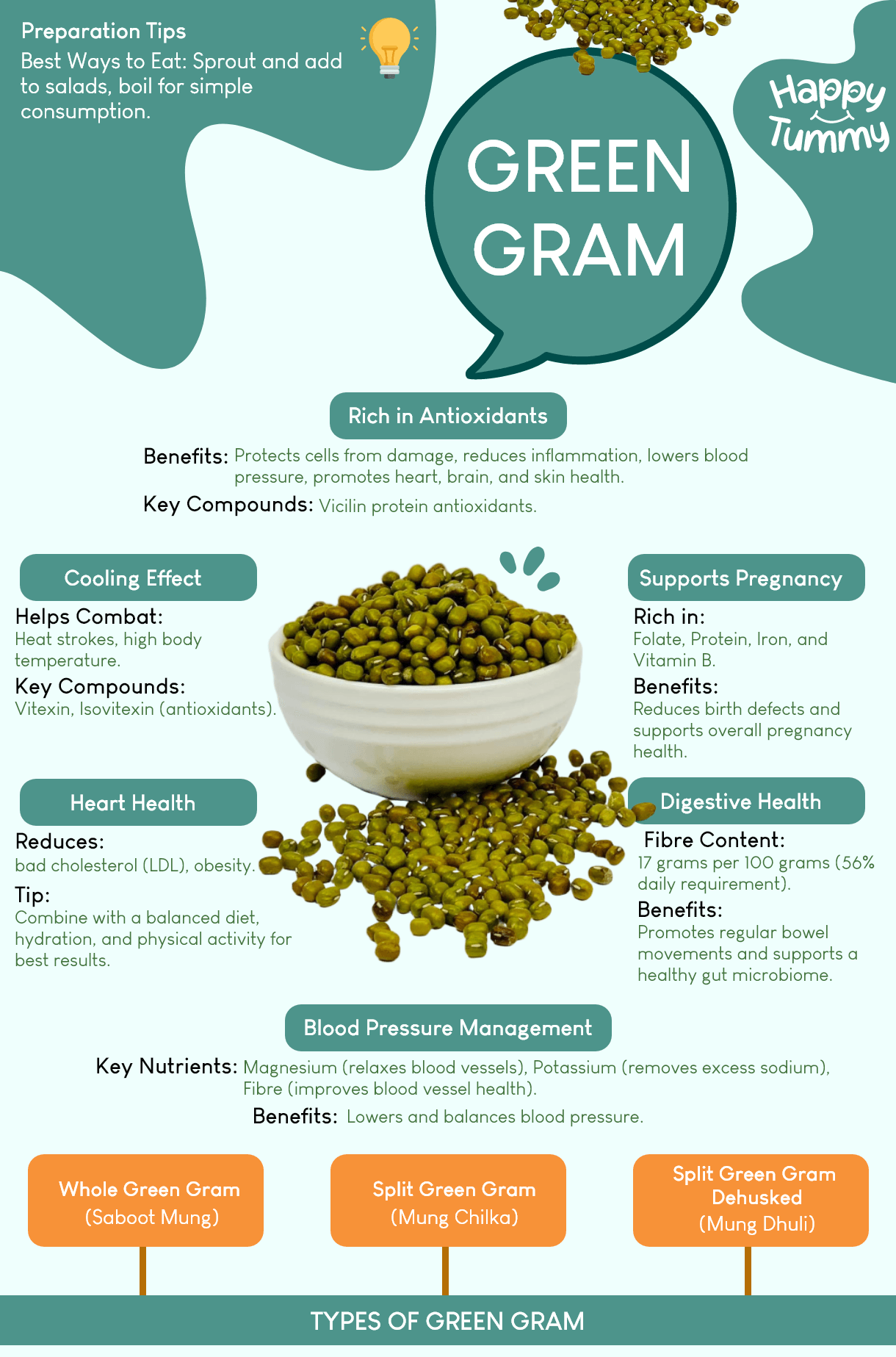
Green gram, scientifically known as Vigna radiata and commonly referred to as mung bean, provides approximately 23 to 24 grams of protein per 100 grams of its raw, dry form. This high protein density, combined with a significant profile of essential amino acids, fiber, and micronutrients, positions it as a staple dietary source for plant-based nutrition and global food security.
Botanical and Nutritional Context
Green gram is a leguminous crop native to the Indian subcontinent and Southeast Asia. Its versatility makes it a critical component of traditional diets worldwide. When assessing the protein content of green gram per 100g, it is essential to distinguish between the physical state of the legume, as hydration levels and processing significantly alter the density of nutrients.
In its raw, dried state, green gram is a concentrated source of macronutrients. The protein content remains relatively stable at roughly 24% by weight. However, as the bean absorbs water during soaking or boiling, the total weight increases significantly due to water uptake. Consequently, 100g of cooked green gram will have a lower protein density than 100g of raw, dry green gram, as the volume is now largely composed of water rather than protein solids.
Comparative Nutritional Density: Raw vs. Cooked
Understanding the difference between raw and cooked weight is the most common pitfall for individuals tracking their protein intake. Nutritional databases typically list values for raw seeds. When you cook green gram, the weight of the water absorbed means that 100g of cooked beans contains only about 7 to 9 grams of protein.
If you are calculating daily protein requirements, you must standardize your measurements. Whether you use a dry weight or cooked weight measurement determines how much you need to consume to meet your dietary goals.
Table 1: Nutritional Profile of Green Gram (Approximate Values per 100g)
| Nutrient Component | Raw, Dry Green Gram | Boiled/Cooked Green Gram |
|---|---|---|
| Protein | 23–24g | 7–9g |
| Total Carbohydrates | 60–63g | 19–21g |
| Dietary Fiber | 16–17g | 6–7g |
| Total Fat | 1.2–1.5g | 0.4–0.5g |
| Water Content | 8–10g | 70–75g |
Note: Values are averages based on standard nutritional data. Variation may occur based on the specific cultivar, soil conditions, and storage duration.
Amino Acid Profile and Bioavailability
Protein quality is determined by the presence of essential amino acids—those the body cannot synthesize on its own. Green gram is an excellent source of leucine, isoleucine, and valine, which are branched-chain amino acids (BCAAs) crucial for muscle protein synthesis.
However, like many legumes, green gram is slightly limited in sulfur-containing amino acids such as methionine and cysteine. To achieve a "complete" protein profile—one that contains all nine essential amino acids in sufficient proportions—nutritionists recommend pairing green gram with cereal grains, such as rice or wheat. This combination creates a synergistic effect, as the cereals provide the methionine that the pulses lack, and the pulses provide the lysine found in abundance within the legumes.
Bioavailability also plays a role. Green gram contains "antinutrients" such as phytic acid and tannins, which can slightly inhibit the absorption of minerals and protein. Traditional preparation methods, including soaking for several hours, sprouting, and thorough boiling, significantly reduce these compounds, thereby enhancing the digestibility and net nutritional value of the protein.
The Role of Sprouting in Protein Quality
Sprouting green gram is a popular method to improve its nutritional profile. During the germination process, the metabolic activity of the seed increases. Enzymes break down stored starches and proteins into simpler, more digestible forms.
While the total protein content does not drastically increase in terms of raw grams, the "quality" or digestibility of that protein often improves. Sprouting also neutralizes antinutrients like phytic acid more effectively than boiling alone. For many, sprouted green gram is easier on the digestive system, reducing the common side effect of flatulence often associated with legume consumption.
Factors Influencing Protein Content
Several environmental and agricultural variables can influence the protein content of green gram per 100g.
- Cultivar Differences: Different varieties of Vigna radiata have been bred for specific traits, such as drought resistance, rapid maturity, or yield size. These genetic differences can lead to slight variations in protein concentration.
- Soil Fertility: Legumes fix atmospheric nitrogen through a symbiotic relationship with Rhizobium bacteria in their root nodules. If the soil is deficient in essential minerals like phosphorus or sulfur, the plant may struggle to synthesize proteins efficiently, leading to lower-than-average protein concentrations in the harvest.
- Storage and Age: While dry green gram has a long shelf life, improper storage—specifically exposure to humidity—can degrade the quality of the protein and promote mold growth. Dry, cool, and airtight storage is essential for maintaining the nutritional integrity of the beans.
Dietary Implications and Health Benefits
Including green gram in your diet provides more than just protein. It is a dense source of folate, manganese, magnesium, and vitamin B1. For those following a plant-based, vegetarian, or vegan diet, it serves as a cornerstone ingredient.
Because of its high fiber content (both soluble and insoluble), the protein in green gram is digested more slowly than whey or other fast-acting animal-based proteins. This leads to a more sustained release of amino acids into the bloodstream, which can assist in satiety and blood sugar regulation. Research indicates that the consistent inclusion of pulses in the diet is associated with improved cardiovascular health, largely due to the combination of low fat, high fiber, and antioxidant properties found in legumes like the green gram.
Common Misconceptions
One frequent error is the assumption that 100g of green gram equals 100g of protein. It is critical to differentiate between the weight of the food and the weight of the macronutrient.
Another misconception is the idea that protein from legumes is "inferior" to animal protein. While it is true that individual plant sources may lack one or two amino acids, the human body is highly efficient at "pooling" amino acids consumed throughout the day. You do not need to consume complete proteins in every single meal; as long as your daily diet is varied and includes grains, nuts, seeds, and legumes, you will easily satisfy your protein requirements.
Frequently Asked Questions
Does the protein content change if I sprout the green gram? The total protein quantity remains relatively stable; however, the bioavailability increases. Sprouting activates enzymes that break down complex structures, making the amino acids easier for your digestive system to absorb and utilize.
How does green gram protein compare to soybean protein? Soybeans are considered a higher-density protein source, typically containing about 36g of protein per 100g. While green gram has a lower concentration (24g per 100g), it is often considered easier to digest and less allergenic than soy for many individuals.
Can I get all my daily protein from green gram? While you technically could, it is not recommended for a balanced diet. Relying on a single food source leads to micronutrient deficiencies. A varied intake of diverse plant proteins ensures you get a broader spectrum of vitamins, minerals, and phytonutrients.
Does boiling destroy the protein? Heat causes protein denaturation, which is actually beneficial for digestion. Denaturation unfolds the protein structure, allowing your stomach enzymes easier access to the peptide bonds. As long as you do not burn the beans, boiling is an essential step in preparing the protein for consumption.
Is there a difference between whole green gram and split green gram (moong dal)? The protein content per 100g is nearly identical. The difference lies in the dietary fiber content; whole green gram contains the hull (skin), which provides more fiber, while split, skinned green gram is lower in fiber and faster to cook.
Practical Recommendation
To maximize your protein intake from green gram, focus on incorporating a mix of whole and sprouted forms into your routine. For athletes or those with high protein requirements, pairing 100g of dry weight green gram with a portion of brown rice or quinoa creates a highly efficient protein meal. Always soak your beans for at least four to six hours before cooking to optimize digestibility and reduce the intake of antinutrients.

Image Gallery
Select an image to open it in a new tab.
Akira Tanaka
International Academic Trends Correspondent
