Comprehensive Guide to Mold Remediation in Finland: Procedures, Costs, and Legal Rights
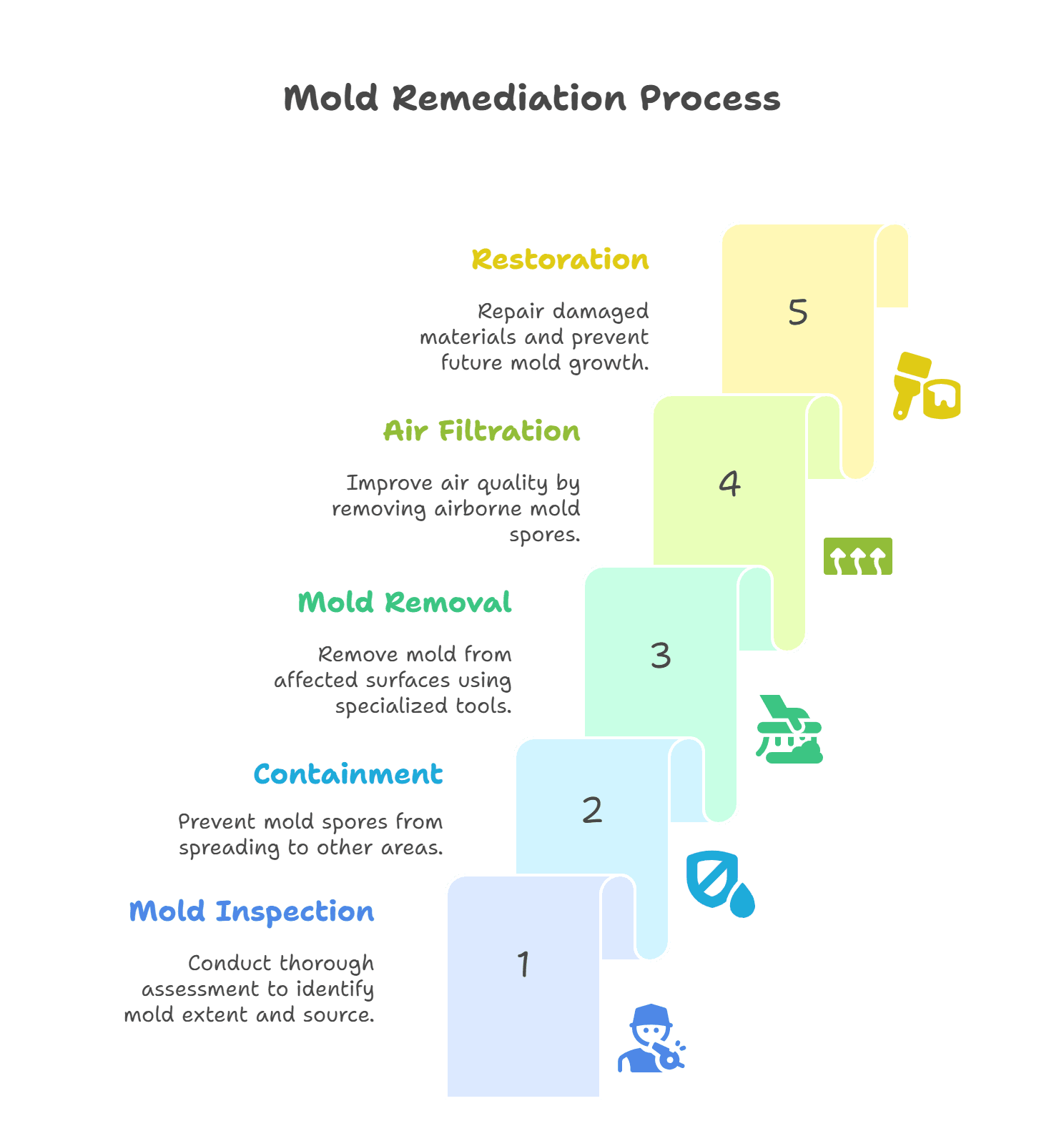
In Finland, mold remediation is a highly regulated process governed by the Housing Health Decree (Asumisterveysasetus), requiring a systematic approach that includes professional moisture mapping, microbial analysis, and structural repair. By 2026, the industry standard focuses on "alipaineistus" (negative pressure containment) and mechanical removal to ensure indoor air quality meets strict national safety thresholds.
Mold and moisture damage—often referred to in Finland as homevaurio—is a significant concern for homeowners, housing companies (taloyhtiö), and tenants alike. Due to the subarctic climate, characterized by extreme temperature fluctuations and high seasonal humidity, buildings are susceptible to structural moisture accumulation if ventilation and insulation are not perfectly balanced. Addressing mold is not merely a cosmetic issue but a critical structural and public health priority.
The Building Physics of Mold in the Finnish Climate
To understand mold remediation in Finland, one must first understand why it occurs. Finnish buildings are designed to be airtight to conserve energy during the harsh winters. However, this airtightness requires highly efficient mechanical ventilation to move moisture out of the living space.
When ventilation systems fail, or when "thermal bridges" (kylmäsilta) allow warm indoor air to hit cold outer wall surfaces, condensation occurs. Over time, this localized dampness facilitates the growth of microbial colonies. Common culprits include Penicillium, Aspergillus, and in more severe cases of long-term water damage, the toxic Stachybotrys chartarum.
By 2026, building regulations have further tightened, emphasizing the "breathing" capacity of materials and the necessity of smart sensors to detect moisture behind vapor barriers before mold becomes visible.
Identifying the Need for Remediation: Signs and Symptoms
In many Finnish cases, mold is "hidden" within the insulation or floor structures (valesokkeli or "false plinth" structures are a notorious historical example). Professional remediation becomes necessary when any of the following are present:
- The "Old House" Smell: A distinctive, musty, or earthy odor that clings to clothes.
- Physical Symptoms: Residents experiencing recurring respiratory infections, unexplained fatigue, skin irritation, or new-onset asthma.
- Visible Growth: Dark spots on window frames, bathroom silicone, or basement walls.
- Structural Discoloration: Peeling paint or dark stains on the lower parts of interior walls.
The Finnish Institute for Health and Welfare (THL) maintains that if a microbial source is found, it must be removed regardless of the current air quality results, as mold spores can remain dormant and reactivate with shifts in humidity.
The Professional Remediation Process in Finland
The process of fixing moisture damage in Finland follows a strict protocol to prevent the spread of spores to unaffected areas of the building.
1. Technical Condition Investigation (Kuntotutkimus)
Before any hammers swing, a certified structural moisture technician (Rakenne- ja kosteustekninen kuntotutkija) must conduct an investigation. This involves:
- Surface Moisture Mapping: Using non-destructive sensors to find "hot spots."
- Structural Opening: Drilling small holes to check the condition of insulation.
- Microbial Sampling: Taking "material bits" (materiaalinäyte) or air samples to identify the specific mold species.
2. Containment and Isolation (Osastointi)
To protect the rest of the home, the damaged area is sealed off using heavy-duty plastic sheeting and zip-doors. A negative pressure machine (alipaineistaja) equipped with a HEPA filter is used to ensure that air only flows into the work zone, preventing spores from escaping into the ventilation system or other rooms.
3. Removal of Contaminated Materials
In Finland, the "cleaning" of moldy porous materials (like drywall or mineral wool) is generally not recommended. Instead, the standard is mechanical removal:
- Contaminated insulation is vacuumed out using industrial equipment.
- Moldy timber may be planed or sandblasted if the structural integrity is still sound.
- Non-porous surfaces (concrete, stone) are cleaned using specialized detergents or dry ice blasting.
4. Structural Drying (Kuivaus)
If the mold was caused by a leak, the structure must be dried to specific moisture percentages (RH %) before it can be sealed again. This often involves high-capacity dehumidifiers running for several weeks.
5. Final Cleaning and Verification
Once the source is removed, a "fine cleaning" (siivous) is performed to remove all settled dust. A final inspection, often including a "clearance" air sample, is conducted to prove the home is safe for re-habitation.
Costs of Mold Remediation in 2026
The cost of mold remediation in Finland varies significantly based on the age of the building and the depth of the damage. Labor costs remain the highest factor, although the "household tax credit" (kotitalousvähennys) provides some relief for private owners.
| Remediation Type | Estimated Cost Range (2026) | Typical Duration |
|---|---|---|
| Localized (e.g., Bathroom corner) | €2,500 – €6,000 | 1–2 Weeks |
| Basement/Foundation Repair | €15,000 – €45,000 | 4–8 Weeks |
| Extensive Structural (e.g., Valesokkeli) | €50,000 – €120,000+ | 3–6 Months |
| Investigation & Sampling Only | €800 – €2,500 | 2–5 Days |
In 2026, the household tax credit allows individuals to deduct a significant portion of the labor costs (up to €2,250 per person) from their income tax, provided the work is done by a registered Finnish company.
Legal Rights and Seller Liability
One of the most complex aspects of mold remediation in Finland is the legal responsibility. Under the Finnish Code of Real Estate (Maakaari), a seller is liable for "hidden defects" (salainen virhe) for five years after the sale of a detached house. For apartments (housing shares), the liability period is two years under the Housing Transactions Act (Asuntokauppalaki).
If mold is discovered within these timeframes, the buyer may be entitled to:
- Price Reduction: The most common outcome, covering the cost of repairs.
- Damages: If the seller acted with negligence or provided false information.
- Cancellation of Sale: Only in extreme cases where the building is deemed beyond repair or "unfit for human habitation."
It is essential to document the damage with a certified third-party inspector before beginning repairs if a legal claim is intended.
Insurance Coverage Limitations
A common misconception in Finland is that home insurance will cover mold remediation. In reality, Finnish insurance policies typically only cover "sudden and unforeseen" damage, such as a pipe bursting.
What is usually covered:
- A dishwasher leak that causes immediate floor mold.
- Storm damage that leads to a roof leak and subsequent microbial growth.
What is usually NOT covered:
- Mold caused by long-term rising dampness from the ground.
- Damage resulting from poor maintenance or aging structures (wear and tear).
- Mold caused by high indoor humidity due to inadequate ventilation.
Choosing a Certified Contractor
In Finland, look for contractors and inspectors who hold certifications from Eurofins (formerly VTT) or are members of RALA (The Construction Quality Association). Specifically, look for a "Sertifioitu rakennusten kunnon tutkija" (Certified Building Condition Researcher).
Working with uncertified individuals can lead to "half-repaired" homes where the mold returns within a year because the root cause—usually a pressure imbalance or a thermal bridge—was never addressed.
Frequently Asked Questions
Can I do mold remediation myself in a Finnish apartment?
If you live in a taloyhtiö (housing company), you are legally prohibited from performing structural mold remediation yourself. All repairs affecting the building's structures, insulation, or ventilation must be coordinated through the building manager (isännöitsijä) and performed by professionals to ensure the company's insurance and technical standards are maintained.
Is ozonation an effective way to kill mold?
Ozonation is often used in Finland to remove the "smell" of mold, but it is not a remediation method. It does not remove the source. Furthermore, ozone can react with other indoor materials to create harmful secondary VOCs (Volatile Organic Compounds). It should only be used as a final step after all physical mold has been mechanically removed.
How do I know if my remediation was successful?
Success is verified through a "post-remediation verification" process. This includes a visual inspection to ensure no dust remains, moisture measurements to confirm the structure is dry, and often a microbial air or surface sample that shows levels are comparable to or lower than outdoor air.
Does the Finnish government provide aid for mold repairs?
Direct government grants for mold remediation are rare in 2026. However, the ARA (The Housing Finance and Development Centre of Finland) occasionally offers subsidies for energy-efficiency renovations which can be combined with moisture repairs. The primary financial assistance remains the kotitalousvähennys (tax credit).
What is the "hidden defect" period for a new build?
For new constructions in Finland, the builder has a 10-year structural liability and a shorter 12-to-24-month warranty period for surface and technical errors. If mold appears in a new building, it is often due to "construction-time moisture" being trapped in the walls, which is the builder's responsibility to fix.
Practical Next Steps for Property Owners
If you suspect mold in your Finnish property, do not start scrubbing with bleach, as this can trigger the mold to release more spores into the air. Instead, follow these steps:
- Contact an Independent Inspector: Hire a certified professional who does not perform the actual repair work to avoid a conflict of interest.
- Notify Stakeholders: If it is an apartment, notify the building manager immediately. If you recently bought the house, contact a lawyer specializing in real estate law.
- Review Your Insurance Policy: Send the inspection report to your insurance provider to see if any part of the damage (e.g., the initial leak) is covered.
- Prioritize Ventilation: Once remediation is complete, ensure your ventilation system is serviced and balanced to prevent the recurrence of high humidity levels.
Image Gallery
Select an image to open it in a new tab.
Celine Dubois
Contemporary Living and Global Arts Columnist
