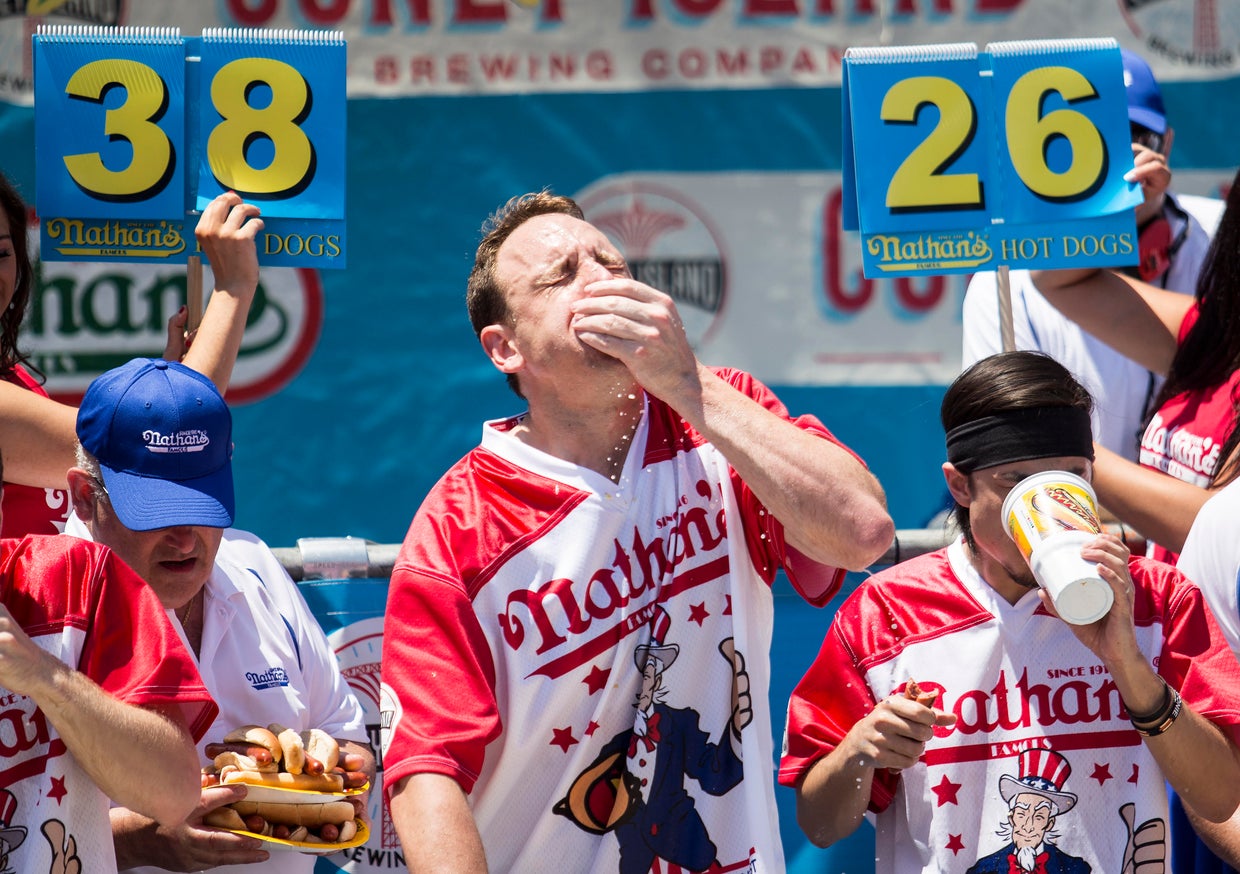
To win an eating contest, you must master the three pillars of competitive eating: stomach capacity, mechanical speed, and psychological endurance. Success requires a disciplined training regimen involving stomach expansion through high-volume, low-calorie ingestion, the refinement of food-specific techniques like "dunking" or "the Solomon method," and a strategic approach to digestion management.
Competitive eating has evolved from a county fair novelty into a highly technical discipline. In 2026, the sport is more competitive than ever, with athletes utilizing biological insights and rigorous practice schedules to push the limits of human gastric capacity. This roadmap provides a professional-grade framework for moving from a casual eater to a disciplined competitor, focusing on safety, technique, and preparation.
The Physiology of Competitive Eating
Understanding the biological hurdles is the first step toward overcoming them. The human body is naturally programmed to prevent overeating through a complex system of hormones and neural signals.
The Satiety Signal and the Vagus Nerve
When you eat, your stomach stretches, activating stretch receptors that send signals via the vagus nerve to the hypothalamus in the brain. This triggers the release of hormones like leptin and cholecystokinin (CCK), which create the sensation of fullness. A competitive eater’s primary goal is to desensitize this "satiety reflex." By gradually increasing the volume of intake over time, the stomach’s compliance—its ability to stretch without triggering a "stop eating" response—increases.
The "Belt of Fat" Theory
One of the most persistent theories in competitive eating, championed by legends like Takeru Kobayashi, is the "Belt of Fat" theory. It suggests that excess abdominal fat acts as a physical barrier, preventing the stomach from expanding fully within the abdominal cavity. This is why many top-tier competitive eaters maintain a lean physique; a thinner abdominal wall allows the stomach more room to distend during a ten-minute sprint.
Phase 1: Stomach Capacity Training
Stomach expansion is a gradual process that should never be rushed. Attempting to stretch the stomach too quickly can lead to gastric rupture or Mallory-Weiss tears (tears in the esophagus).
High-Volume, Low-Calorie Loading
The safest way to increase capacity is by consuming massive quantities of low-calorie, high-fiber foods. This stretches the stomach lining without causing excessive weight gain or metabolic distress.
- Cruciferous Vegetables: Steamed cabbage or broccoli are staples. They provide bulk and weight.
- Leafy Greens: Large salads (without heavy dressings) can help condition the upper GI tract.
- The Grape Method: Some eaters use grapes to practice swallowing larger boluses of food while maintaining volume.
Water Loading (Cautionary Note)
Water loading involves drinking large amounts of water in a short window to stretch the stomach. While effective, it is extremely dangerous due to the risk of hyponatremia (water intoxication), which can be fatal. In 2026, professional trainers emphasize that any fluid-based expansion must be balanced with electrolyte intake and performed under strict self-monitoring. Never exceed your known limits in a single session.
Phase 2: Mechanical Techniques and Speed
Speed is often the deciding factor in shorter contests (8–12 minutes). You must eliminate any wasted movement between the plate and your mouth.
The Solomon Method (For Hot Dogs)
Named after the Biblical King Solomon who offered to split a baby in half, this method involves breaking the hot dog protein in half, stuffing both halves into the mouth, and then consuming the bun separately.
- The Meat: Swallowing the protein first ensures the most calorie-dense part is handled while your jaw is fresh.
- The Bun: Buns are dry and difficult to swallow quickly. Eaters "dunk" the buns in water or a flavored beverage to compress the air out of the bread and provide lubrication for a faster transit down the esophagus.
Chipmunking
"Chipmunking" refers to the practice of stuffing the cheeks with as much food as possible in the final 30 seconds of a contest. According to most Major League Eating (MLE) rules, food in the mouth at the buzzer counts toward the total, provided it is swallowed within a specific "grace period" (usually two minutes) following the end of the round.
The "Shake and Shimmy"
To make room for more food as the stomach nears capacity, many eaters use a rhythmic jumping or shaking motion. This utilizes gravity to settle the food at the bottom of the stomach, clearing space in the upper gastric region and potentially relieving the feeling of being "stopped up."
Phase 3: The Roadmap to Contest Day
Preparation follows a specific timeline to ensure the body is "empty" but the metabolism is "hot."
| Timeframe | Action Item | Purpose |
|---|---|---|
| 4 Weeks Out | Start high-volume vegetable loading 3x weekly. | Build fundamental gastric compliance. |
| 2 Weeks Out | Practice with the specific contest food. | Develop muscle memory for texture and flavor. |
| 1 Week Out | Peak volume day (max expansion). | Test the upper limits of capacity. |
| 3 Days Out | Switch to liquid-only or very light meals. | Clear the intestinal tract of residual bulk. |
| 24 Hours Out | Fasting (water and electrolytes only). | Ensure the stomach is completely empty and "hungry." |
| 2 Hours Out | Warm up the jaw and esophagus with warm tea. | Loosen muscles and prevent cramping. |
Specialized Food Strategies
Different foods require different mechanical approaches. A roadmap for winning must account for the specific challenges of the "medium."
Chicken Wings
Winning a wing contest is about "stripping." You should place the entire wing in your mouth, grip the bone, and pull it through your teeth to strip the meat in one motion. Avoid small bites. For "flats" (the two-boned piece), many pros twist and pull one bone out first to leave a single tube of meat.
Pizza
Pizza is often won through folding. Folding a slice length-wise (the New York style) creates a rigid structure that can be fed into the mouth more efficiently. The "crust-first" vs. "point-first" debate is ongoing, but most winners save the dry crust for dunking to ensure it doesn't slow them down mid-contest.
Hard-Shell Tacos
Tacos are notoriously difficult because the shells shatter. The winning strategy involves grouping tacos together and utilizing water to soften the shells, effectively turning them into a mash that can be consumed at a much higher velocity.
Safety and Recovery
Competitive eating carries significant medical risks, including gastroparesis (paralyzed stomach), choking, and long-term metabolic damage.
- Choking Prevention: Never practice alone. The "swallow" in competitive eating is often aggressive, and having a "spotter" who knows the Heimlich maneuver is a prerequisite for safe training.
- The "Aftermath": Post-contest, the body must process a massive caloric load. Eaters often experience "meat sweats," lethargy, and significant GI distress.
- Rest Periods: The stomach needs time to shrink back to its normal size. Continuous stretching can lead to permanent distension and loss of the ability to feel full, which can lead to clinical obesity. Professional eaters in 2026 typically limit themselves to 3–5 major contests per year to allow for adequate recovery.
Psychological Conditioning
The "Wall" is a mental state where the body’s survival instincts scream at the brain to stop eating. Winning requires the ability to ignore the "urge to purge" and the discomfort of extreme fullness.
- Visualization: Successful competitors visualize the rhythmic movement of their hands and the sensation of swallowing before the event starts.
- Focus: Many eaters wear headphones to block out the crowd and the sound of other competitors. This internal focus helps maintain a consistent cadence, which is vital for not burning out in the first three minutes.
Common Mistakes to Avoid
- Ignoring Hydration: Dehydration makes the esophagus "sticky" and slows down the transit of food.
- Over-training: Just like a marathon runner doesn't run 26 miles every day, an eater shouldn't do a max-capacity load every day.
- Lack of Variety: If you only train with water, the sudden introduction of solid, salty food on contest day can cause the stomach to cramp.
FAQs
Is competitive eating legal and regulated?
While there is no federal "Department of Competitive Eating," organizations like Major League Eating (MLE) provide a structured environment with standardized rules, safety personnel, and sanctioned events. Most local contests are self-regulated but generally follow MLE-style guidelines for safety and fairness.
How much weight do competitive eaters gain?
An eater may gain 5 to 15 pounds immediately following a contest due to the weight of the food and water consumed. However, professional eaters typically follow strict exercise and diet regimens between events to maintain their baseline weight, as carrying extra body fat can hinder performance.
Can anyone train their stomach to expand?
Most healthy adults have a stomach that can expand to hold about 1 to 1.5 liters of content. With training, this can be expanded to 4 liters or more. However, individuals with certain medical conditions, such as ulcers, GERD, or history of eating disorders, should avoid any form of stomach expansion training.
What is the most difficult food to eat competitively?
Many professionals cite kale or thick meats (like steak) as the most difficult. Fibrous foods require significant mastication (chewing), which tires the jaw muscles and slows down the overall pace. Hot dogs remain the gold standard for testing pure speed and capacity.
How do I find contests near me in 2026?
Most contests are tied to festivals, state fairs, or restaurant challenges. Online databases and social media groups dedicated to "competitive eating circuits" are the primary resources for finding upcoming events. Many "Man vs. Food" style restaurant challenges serve as the entry point for novice eaters.
Final Recommendation
To begin your journey, start with a medical consultation to ensure your cardiovascular and digestive systems can handle the stress of competitive eating. Once cleared, focus on low-impact stomach expansion using vegetables and begin timing your meals to understand your natural baseline speed. The transition from "big eater" to "contest winner" is a marathon, not a sprint—despite the contest itself only lasting ten minutes.
Image Gallery
Select an image to open it in a new tab.
Vivian Cho
Executive IT and Emerging Technologies Reporter
