Understanding Diabetes and Sweaty Feet: Causes, Risks, and Management Strategies

Sweaty feet in individuals with diabetes, clinically known as plantar hyperhidrosis, can be more than just an uncomfortable nuisance; it is a physiological signal that requires careful attention. Diabetes-related autonomic neuropathy often disrupts the nerves that control sweat glands, leading to excessive moisture in the feet. This constant dampness creates an ideal environment for bacterial and fungal growth, significantly increasing the risk of skin breakdown, ulcers, and serious infections if not managed through rigorous daily foot care and blood glucose control.
The Physiological Connection Between Diabetes and Foot Sweating
To understand why excessive foot sweating is a concern for those with diabetes, one must look at the impact of the disease on the autonomic nervous system. The autonomic nervous system is responsible for involuntary bodily functions, including the regulation of sweat glands.
In patients with diabetes, prolonged exposure to high blood glucose levels can result in diabetic autonomic neuropathy. While many people associate diabetic neuropathy with numbness or tingling (sensory neuropathy), autonomic neuropathy affects the internal regulation systems. When the nerves that signal the sweat glands become damaged or misfire, the body may lose the ability to regulate moisture correctly. This often manifests as anhidrosis (a total lack of sweating) on the feet or, conversely, hyperhidrosis (excessive sweating).
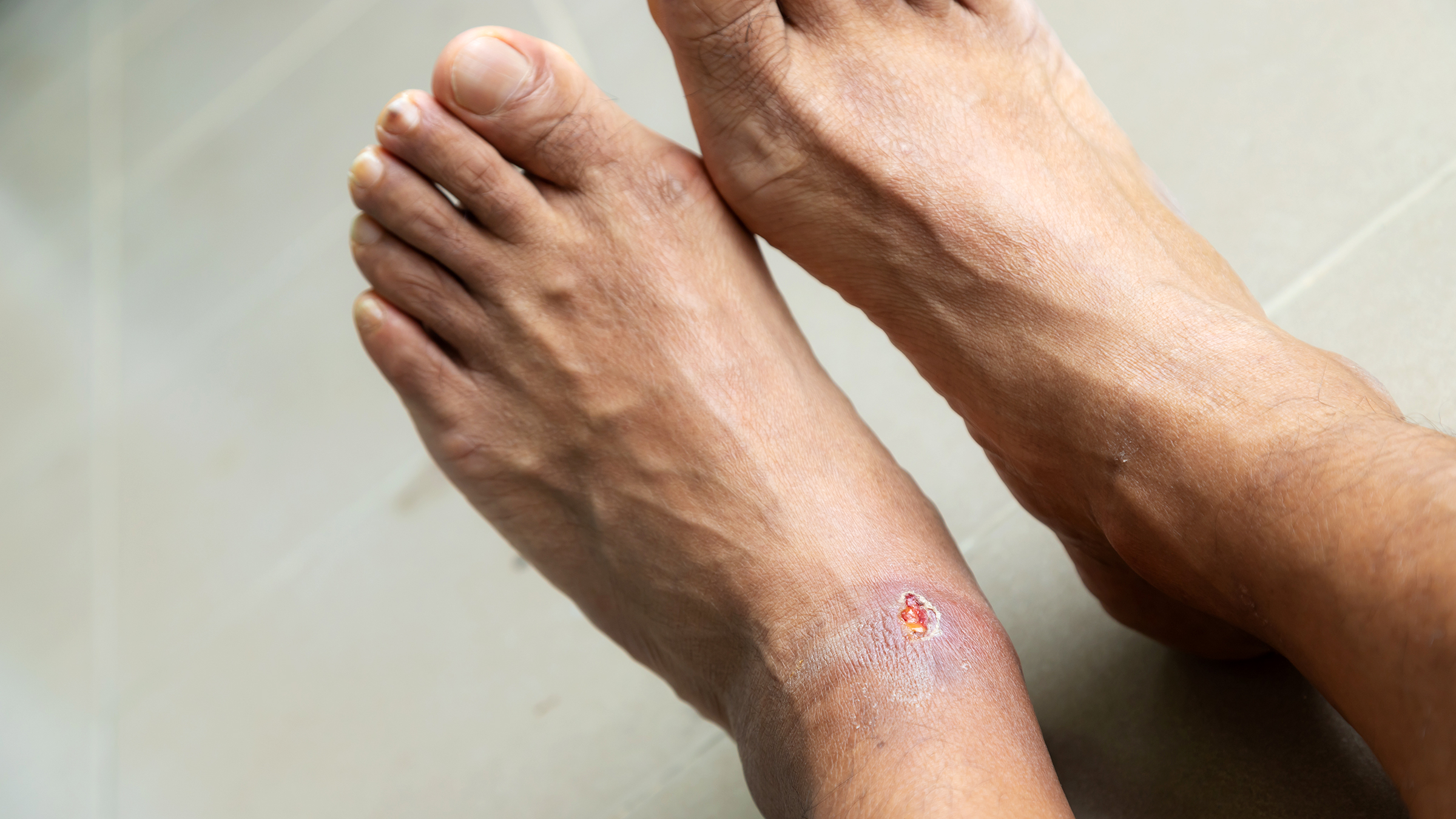
Excessive moisture is not merely a hygienic issue. In the context of diabetes, it compromises the integrity of the skin. Healthy skin acts as a protective barrier; however, skin that is chronically damp becomes macerated—soft, white, and fragile. Macerated skin is prone to cracking, peeling, and micro-tears. Because diabetes can also reduce blood flow (peripheral artery disease) and impair the body’s healing response, even minor abrasions caused by excessive moisture can quickly escalate into chronic wounds or infected ulcers.
Recognizing the Risks of Foot Maceration
The primary danger of "diabetes sweaty feet" is the secondary infection. When feet remain damp for extended periods, they become a breeding ground for microorganisms. Two primary threats arise from this environment:
Fungal Infections
Tinea pedis, commonly known as athlete’s foot, thrives in moist, dark environments. In a diabetic foot, a fungal infection is not just an itchy annoyance. The fungus can cause the skin to crack and split, providing an entry point for bacteria. Since a diabetic patient’s immune response may be slower, these small cracks can lead to cellulitis, a serious skin infection that requires prompt medical intervention.
Bacterial Colonization
Moist, macerated skin is significantly weaker than dry skin. Bacteria, which are naturally present on the skin, can penetrate the softened tissue more easily. In patients with compromised circulation, the body struggles to deliver the white blood cells necessary to fight off these bacteria, turning a superficial sweat-related issue into a deep-tissue infection.
Daily Foot Care Protocol for Hyperhidrosis
Managing sweaty feet requires a disciplined approach to daily foot care. By incorporating these steps into a 2026 health maintenance routine, patients can significantly reduce the risk of skin breakdown.
- Daily Inspection: Every evening, check the feet for any signs of maceration, redness, cracks, or blisters. Use a mirror to inspect the bottom of the feet and the spaces between the toes.
- Strategic Washing and Drying: Wash feet daily with mild soap and lukewarm water. It is critical to dry the feet thoroughly, especially the spaces between the toes, where moisture is most likely to trap. Use a soft towel and pat gently rather than rubbing, which can irritate thin skin.
- Moisture-Wicking Footwear: Avoid materials that trap heat and moisture, such as synthetic plastics or thick rubber. Opt for breathable fabrics.
- Sock Management: The choice of socks is as important as the choice of shoes. Avoid 100% cotton, as cotton absorbs moisture and holds it against the skin. Instead, look for moisture-wicking synthetic blends or high-quality wool designed for athletic use, which pull sweat away from the skin.
- Change Frequently: If your feet sweat profusely, change your socks at least once or twice during the day. Keeping a spare pair in your bag is a simple but highly effective preventative measure.
Choosing the Right Footwear and Products
Footwear for the diabetic patient should support foot health while minimizing moisture retention. In 2026, the availability of specialized orthopedic and diabetic-friendly footwear has expanded to include materials that are both supportive and breathable.
Footwear Features to Prioritize
- Breathability: Look for shoes with mesh uppers or perforations that allow for air circulation.
- Proper Fit: Shoes that are too tight can create friction, and combined with sweat, increase the likelihood of blisters.
- Removable Insoles: These allow for the insertion of moisture-wicking orthotics if necessary.
Supplemental Products
For some, topical treatments are required. It is essential to consult a healthcare provider before applying any over-the-counter antiperspirants or powders to the feet. Some products may contain chemicals that are too harsh for the delicate skin of a diabetic patient. If a doctor recommends an antiperspirant for the feet, follow the application instructions carefully and ensure the skin remains intact.
Comparison of Foot Management Strategies
| Strategy | Purpose | Frequency | Impact on Skin Integrity |
|---|---|---|---|
| Moisture-Wicking Socks | Prevents moisture accumulation | Daily/As needed | High (Protective) |
| Daily Inspections | Early detection of breakdown | Daily | High (Critical) |
| Medicated Powders | Absorbs moisture/prevents fungus | Per doctor advice | Moderate (Requires caution) |
| Breathable Shoes | Increases airflow | Daily use | High (Prevention) |
| Foot Soaks | Cleansing/Soothing | Weekly/Bi-weekly | Low (Must be cautious of drying) |
When to Seek Professional Medical Help
A patient with diabetes should view any foot problem as a potential priority. Professional podiatric care is not just for acute injuries; it is for preventative management. You should consult your primary care provider or a podiatrist if you notice:
- Persistent Odor: While sweating causes odor, a sudden, strong, or "rotting" smell can indicate a deep-seated infection.
- Changes in Skin Color: Redness, purple spots, or blackening of the toes or heels are red flags.
- Open Sores or Cracks: Any break in the skin that does not show signs of healing within 24 to 48 hours.
- Excessive Maceration: If the skin between your toes becomes consistently white, soggy, or peels away, it indicates that your current management routine is failing to control the moisture.
Your healthcare team can provide guidance on prescription-strength antiperspirants, suggest specialized orthopedic shoes, or treat fungal infections before they lead to complications.
Frequently Asked Questions
Is it normal for my feet to sweat if I have diabetes? It is common, but it is not "normal" in the sense that it should be ignored. Sweating is often a sign of autonomic neuropathy affecting the sweat glands. Because diabetes increases the risk of foot ulcers, any change in your foot health, including excessive sweating, should be reported to your doctor.
Should I use baby powder to keep my feet dry? Be cautious with powders. While they may absorb moisture, they can also cake up in the crevices between your toes, which may trap moisture and bacteria. If you use a powder, ensure it is specifically recommended by your podiatrist and that it does not contain irritants that could break the skin.
Can sweaty feet cause diabetes-related ulcers? Yes, indirectly. Sweaty feet lead to moisture accumulation, which macerates the skin. Macerated skin is fragile and prone to cracking. Once the skin is broken, bacteria can enter, potentially leading to an infection that may develop into a diabetic foot ulcer.
How often should I change my socks if I have diabetes? If you suffer from hyperhidrosis, you should change your socks as soon as they feel damp. For many, this means carrying at least one extra pair of moisture-wicking socks to change into halfway through the day.
Does high blood sugar directly cause sweaty feet? High blood sugar (hyperglycemia) causes the nerve damage (neuropathy) that leads to abnormal sweating. By maintaining blood sugar within your target range as determined by your endocrinologist, you can help slow the progression of nerve damage and potentially stabilize your autonomic nervous system over time.
Recommended Next Steps
If you are currently experiencing "diabetes sweaty feet," your immediate next step should be a visit to your podiatrist or primary care physician. Schedule an appointment specifically to discuss your foot health. During this consultation, provide a log of when you notice the most sweating and detail your current daily footwear.
Beyond clinical care, initiate a rigorous, written foot-care routine today. Use a mirror or a smartphone camera to document the state of your skin, as this will help you track changes over time and provide your doctor with visual evidence during your appointment. Prioritize the purchase of high-quality, moisture-wicking socks immediately, as this is the single most actionable step to reduce the maceration risk starting today.
Image Gallery
Select an image to open it in a new tab.

Omar Farooq
EdTech Innovation and Virtual Pedagogy Journalist
