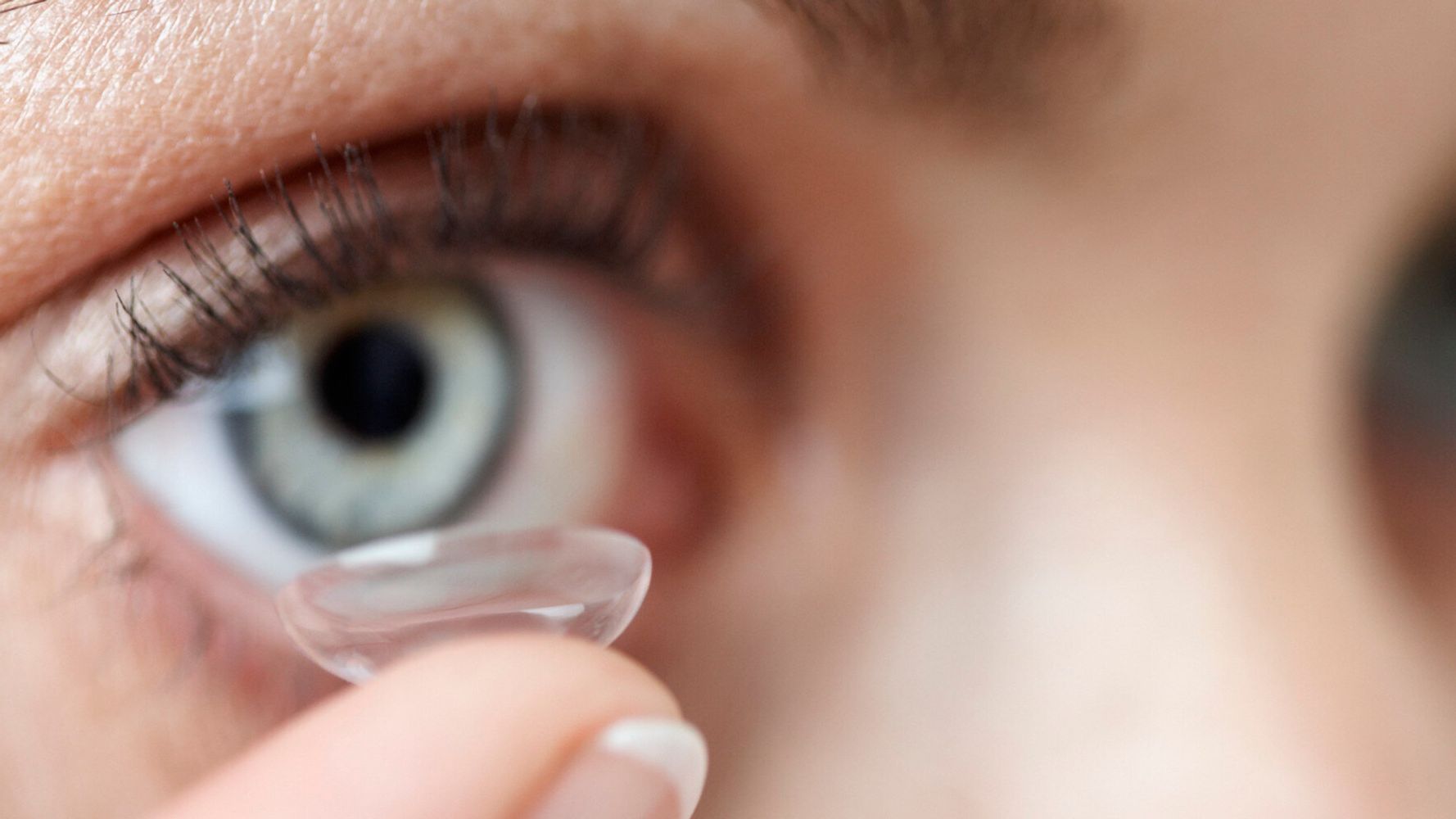
Leaving contact lenses in for an entire month is only safe if you are wearing specific FDA-approved "continuous wear" lenses prescribed by an eye care professional. While standard lenses must be removed nightly to prevent severe infections and corneal damage, certain silicone hydrogel models are engineered to allow sufficient oxygen to reach the eye during sleep.
The practice of wearing contact lenses continuously for 30 days is a topic of significant interest for those seeking convenience or those with lifestyles that make nightly removal difficult. However, the distinction between "monthly replacement" lenses and "30-day continuous wear" lenses is critical. Misunderstanding these categories can lead to vision-threatening complications. As of 2026, advancements in material science have improved the safety profile of extended-wear options, yet the biological requirements of the human cornea remain unchanged.
Understanding the Difference Between Monthly and Continuous Wear
To navigate the safety of wearing contacts for a month, one must first distinguish between the replacement schedule and the wear schedule. These are two separate designations that users frequently confuse.
Monthly Replacement Lenses
Most "monthly" lenses are designed for daily wear. This means you put them in every morning and take them out every night for 30 days. After the 30th day, you discard the pair and open a new one. These lenses are not designed to be slept in. When you close your eyes, the eyelid acts as a second barrier to oxygen, and standard monthly lenses do not have a high enough oxygen transmissibility to keep the cornea healthy during sleep.
Continuous Wear (30-Day) Lenses
A specific subset of contact lenses is FDA-approved for continuous wear for up to 30 nights. These are made of highly advanced silicone hydrogel materials. Silicone hydrogel allows significantly more oxygen to pass through the lens to the cornea compared to traditional soft lenses (hydrogels). Even with these approved lenses, eye doctors typically recommend a "breathing period" of at least one night without lenses after the 30-day cycle is complete.
The Science of Oxygen Permeability (Dk/t)
The human cornea is unique because it does not have a direct blood supply. It receives the oxygen it needs to remain transparent and healthy directly from the atmosphere and the tear film. When a contact lens is placed on the eye, it acts as a physical barrier.
The measure of how much oxygen can pass through a lens is known as Dk/t (where Dk is the permeability of the material and t is the thickness of the lens). For a lens to be safely worn overnight, it must meet a specific Dk/t threshold.
- Hypoxia: When the cornea is deprived of oxygen, it enters a state called hypoxia. This causes the cornea to swell (edema), which can lead to blurred vision and, in chronic cases, the growth of new blood vessels into the cornea (neovascularization) in an attempt to bring blood-borne oxygen to the tissue.
- The Silicone Hydrogel Advantage: Modern 30-day lenses use silicone, which is naturally highly permeable to oxygen. By combining silicone with hydrogel (which provides comfort and water content), manufacturers have created lenses that can maintain corneal health even when the eyes are closed for eight hours of sleep.
Major Risks of Overwearing Contact Lenses
Leaving contacts in for a month—especially lenses not designed for it—increases the risk of several ocular conditions. Even with approved 30-day lenses, the risk of infection is statistically higher than with daily-disposable lenses.
Microbial Keratitis
This is the most serious risk associated with continuous wear. Microbial keratitis is a bacterial, fungal, or amoebic infection of the cornea. Because the lens is sitting on the eye for 720 hours straight, it can trap bacteria against the corneal surface. If there is a microscopic scratch on the cornea, bacteria like Pseudomonas aeruginosa or Acanthamoeba can invade the tissue, leading to rapid vision loss or even the need for a corneal transplant.
Contact Lens-Induced Acute Red Eye (CLARE)
CLARE is an inflammatory reaction of the eye to toxins produced by bacteria that colonize the surface of the contact lens. It usually occurs upon waking. Symptoms include intense redness, pain, and light sensitivity. While not an infection itself, it indicates that the eye's environment has become toxic due to stagnant tear flow and lens buildup.
Corneal Ulcers
A corneal ulcer is an open sore on the outer layer of the cornea. It often appears as a white or grey spot on the eye. Ulcers are frequently a result of untreated keratitis and are considered a medical emergency. Leaving lenses in for a month without professional supervision is one of the leading causes of sterile and infectious ulcers.
Giant Papillary Conjunctivitis (GPC)
GPC is an allergic-like reaction where small bumps (papillae) form on the underside of the eyelid. This is often caused by the constant mechanical friction of a lens and the buildup of proteins and lipids on the lens surface over the course of 30 days. GPC makes lens wear uncomfortable and eventually impossible if not treated.
FDA-Approved 30-Day Continuous Wear Lenses
As of 2026, only a few specific brands have earned the FDA's "30-night continuous wear" approval. These products have undergone rigorous clinical testing to ensure they maintain a high safety profile.
| Brand Name | Manufacturer | Material | Max Wear Duration |
|---|---|---|---|
| Air Optix Night & Day Aqua | Alcon | Lotrafilcon A | 30 Nights |
| PureVision / PureVision 2 | Bausch + Lomb | Balafilcon A | 30 Nights |
| Biofinity | CooperVision | Comfilcon A | 6 Nights (standard) / 30 Nights (with MD approval) |
| Acuvue Oasys | Johnson & Johnson | Senofilcon A | 6 Nights (extended wear) |
Note: While some lenses are approved for 30 days, many optometrists still prefer to limit extended wear to 6 nights to mitigate the risk of infection.
Prerequisites for 30-Day Continuous Wear
You cannot simply decide to leave your contacts in for a month; you must be "fitted" for this specific modality by an eye doctor. The process involves several steps to ensure your eyes can handle the stress of continuous wear.
The Initial Screening
An optometrist will evaluate your tear film quality and corneal health. If you have chronic dry eye, blepharitis, or a history of eye infections, you are likely a poor candidate for 30-day wear. The doctor must ensure your cornea has no pre-existing signs of hypoxia or endothelial damage.
The Trial Period
Most doctors will start you on a one-week trial. You will wear the lenses for seven days and nights, then return for an evaluation. The doctor will look for "staining" (areas where the lens is rubbing or drying out the cornea) and ensure the lens moves correctly on the eye. A lens that is too tight will trap debris, while a lens that is too loose will cause irritation.
The Adaptation Phase
Even if the trial is successful, it takes time for the eye to adapt to the reduced tear exchange that occurs during sleep. You will be instructed to monitor your eyes every morning for the "Three S's": Sight, Sensitivity, and Swelling.
Red Flags: When to Remove Lenses Immediately
If you are attempting to leave your contacts in for a month, you must be vigilant. At the first sign of trouble, the lenses must be removed. Delayed action can result in permanent scarring.
- Persistent Redness: If one eye is significantly redder than the other or stays red for more than an hour after waking.
- Blurred Vision: Vision that does not clear up after blinking or using rewetting drops.
- Pain or Grittiness: The feeling of a "foreign body" in the eye, or sharp, stabbing pain.
- Discharge: Excessive tearing or any yellow/green mucoid discharge.
- Light Sensitivity (Photophobia): If normal indoor lighting becomes painful.
Best Practices for Successful 30-Day Wear
If you have been prescribed 30-day continuous wear lenses, following these guidelines in 2026 is essential for maintaining ocular health.
- Use Rewetting Drops: Use preservative-free rewetting drops specifically formulated for contact lenses. Applying them in the morning and before bed helps flush out debris that accumulates behind the lens.
- Avoid Water Exposure: Do not swim or shower in your lenses. Water (even tap water) contains microorganisms like Acanthamoeba that can get trapped under the lens and cause devastating infections.
- The "One-Night-Off" Rule: Most professionals recommend leaving your lenses out for at least 12 to 24 hours at the end of your 30-day cycle. This allows the cornea to fully oxygenate and any minor irritations to resolve.
- Scheduled Check-ups: Continuous wearers should see their eye doctor every six months rather than once a year. This allows for early detection of microscopic changes in the corneal tissue.
- Hands-Off Policy: Avoid rubbing your eyes. Rubbing can cause the lens to create micro-abrasions on the cornea, which act as entry points for bacteria.
Common Mistakes and Misconceptions
Many users unintentionally put their vision at risk due to common myths regarding monthly lenses.
"If it doesn't hurt, it's fine."
This is the most dangerous misconception. Many corneal issues, such as early-stage neovascularization or endothelial cell loss, do not cause pain until they are advanced. By the time you feel pain, the damage may already be significant.
"I can sleep in my daily-wear monthly lenses occasionally."
While an accidental nap might not cause permanent damage, "occasionally" sleeping in lenses not designed for it creates cumulative stress on the cornea. Each time you do this, you increase the inflammatory markers in your tear film.
"Cleaning them once a week is enough."
If you are wearing lenses continuously, you aren't cleaning them at all—that is the point of the modality. However, if you do take them out for a break, they must be cleaned with a hydrogen peroxide-based solution or a high-quality multi-purpose solution. Never "top off" old solution in a case.
Frequently Asked Questions
Can I leave my contacts in for a month if they are just "monthly" lenses?
No. Standard monthly lenses are designed for 30 days of daily use, not 30 nights of continuous use. Sleeping in standard monthly lenses significantly increases the risk of corneal ulcers and severe infection because they do not allow enough oxygen to reach the eye when the lids are closed.
What should I do if I accidentally left my contacts in for a week?
Remove the lenses immediately. Give your eyes at least 24 to 48 hours of rest by wearing glasses. Monitor for redness, pain, or blurred vision. If your eyes feel irritated or look red, schedule an appointment with an eye doctor to check for corneal swelling or micro-abrasions.
Are 30-day lenses more expensive than daily disposables?
Generally, 30-day continuous wear lenses are less expensive per year than daily disposables because you only use 12 pairs per year. However, when you factor in the cost of necessary rewetting drops and more frequent eye exams, the price difference narrows.
Can I swim with 30-day contacts in?
No. Swimming with any type of contact lens is discouraged by the FDA and the American Optometric Association. Water can harbor bacteria and parasites that can be trapped against the eye by the lens. If you must swim, wear airtight goggles or remove the lenses and replace them with a fresh pair afterward.
Why do some doctors refuse to prescribe 30-day wear?
Some optometrists believe the risk-to-reward ratio of continuous wear is too high. Since daily disposables provide the lowest risk of infection, many doctors prefer that modality. The risk of microbial keratitis is roughly 5 to 20 times higher in extended-wear users compared to daily-wear users.
Final Recommendations
If your goal is to leave your contacts in for a month, you must strictly adhere to the following path:
- Consult a Professional: Schedule a specific fitting for "continuous wear" lenses.
- Verify the Product: Ensure the lenses provided are FDA-approved for 30 nights (e.g., Air Optix Night & Day).
- Maintain Vigilance: Practice a "morning check" every day. If the eye looks red or the vision is blurry, the lenses must come out.
- Have Backup Glasses: Never attempt 30-day wear without a current pair of glasses to wear during "off" days or in case of an emergency.
Leaving contacts in for a month is a triumph of modern material science, but it requires a partnership between a responsible patient and a diligent eye care provider to be performed safely.
Image Gallery
Select an image to open it in a new tab.
Celine Dubois
Contemporary Living and Global Arts Columnist
