Understanding What a Biblical Counseling Degree Is and How It Functions

A biblical counseling degree is an academic credential focused on integrating theological training with psychological and pastoral care techniques. These programs prepare students to address emotional, relational, and behavioral challenges through a framework rooted in Christian scripture, typically offered at the bachelor’s, master’s, or doctoral level within faith-based institutions.
The Foundational Philosophy of Biblical Counseling
At the core of a biblical counseling degree lies the belief that the Bible serves as the primary and sufficient authority for understanding the human condition, suffering, and personal transformation. Unlike secular psychology, which often relies on human-centric frameworks or purely empirical observation, biblical counseling posits that human problems are fundamentally issues of the heart and the relationship between the individual and the Creator.
Students pursuing this degree learn to conduct "soul care." This involves helping individuals navigate depression, anxiety, marital conflict, and addiction by applying specific scriptural passages to their life experiences. The curriculum is designed to move beyond superficial behavior modification, aiming instead for fundamental change in thought patterns, desires, and behaviors that align with the counselor’s interpretation of theological doctrine.
Academic Tiers and Program Structures
Biblical counseling degrees are available at various levels of higher education, each serving different career trajectories and ministerial roles.
Undergraduate Programs (Bachelor’s Degrees)
Bachelor of Arts or Bachelor of Science degrees in Biblical Counseling often function as a foundation for future graduate work or as preparation for church-based lay leadership. These programs provide a broad liberal arts education alongside core courses in Old and New Testament studies, systematic theology, and introductory counseling theory.
Graduate Programs (Master’s Degrees)
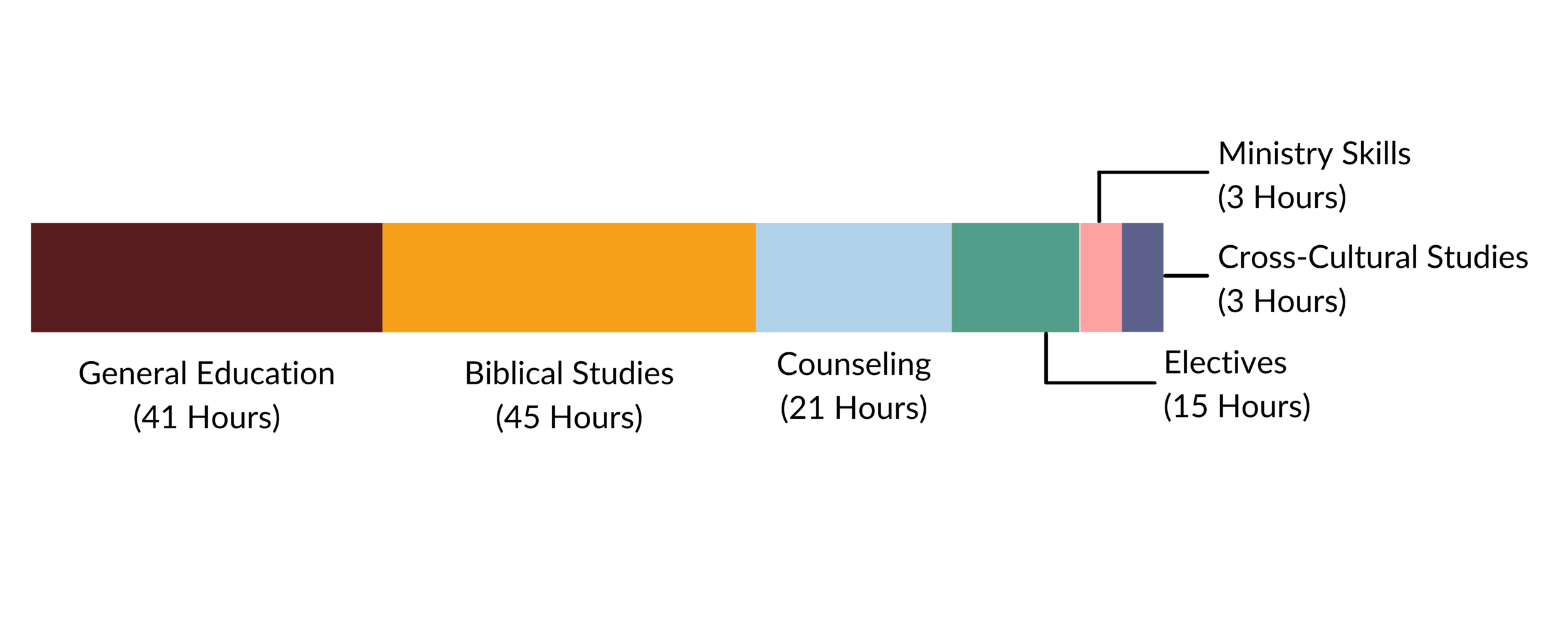
The Master of Arts in Biblical Counseling (MABC) is the professional standard for those seeking to practice in church settings, parachurch organizations, or private ministries. These programs typically require 45 to 60 credit hours and include supervised practicums. During these practical sessions, students are mentored by experienced practitioners, applying their academic knowledge to real-world scenarios while receiving feedback on their theological and practical methodology.
Doctoral Programs (D.Min or Ph.D.)
Doctoral degrees are generally reserved for those pursuing academic research, teaching roles within seminaries, or high-level leadership in counseling centers. These programs emphasize advanced research, the development of specialized counseling frameworks, and deep critical analysis of how theology intersects with contemporary mental health challenges.
Core Curriculum Components
While institutions vary in their specific course requirements, a robust biblical counseling degree program typically covers four foundational pillars:
- Systematic and Biblical Theology: Students must demonstrate a thorough understanding of the Bible’s narrative, Christian doctrines, and hermeneutics (the methodology of interpretation). This is essential because the counselor’s advice is rooted in their theological worldview.
- Theological Anthropology: This involves a study of what it means to be human from a scriptural perspective, exploring concepts such as the image of God, the fall of man, the nature of sin, and the mechanics of sanctification.
- Counseling Methodology: This area covers the practical aspects of the counseling session—data gathering, building rapport, identifying root issues, and providing "biblical intervention" through homework, prayer, and scripture application.
- Practical Ethics and Boundaries: Because counselors deal with sensitive and private information, rigorous training in confidentiality, the limitations of non-clinical ministry, and knowing when to refer individuals to licensed medical or psychological professionals is critical.
Differences Between Biblical Counseling and Licensed Professional Counseling
A frequent point of confusion is how a biblical counseling degree compares to a secular Master’s in Counseling or Psychology. It is vital to distinguish between these two paths, as they have different legal and professional implications.
- Licensure: A standard biblical counseling degree from a seminary is not a clinical mental health license. In many jurisdictions, practicing as a "licensed" counselor requires a specific curriculum approved by state boards (such as an LPC or LMHC).
- Methodology: Secular clinical psychology is typically based on evidence-based models like Cognitive Behavioral Therapy (CBT) or Dialectical Behavior Therapy (DBT). Biblical counseling, while often utilizing cognitive models, insists that the ultimate resolution for mental distress must involve spiritual reconciliation.
- The "Dual-Track" Approach: Some individuals pursue both a biblical counseling degree and a clinical license. This allows them to function in both worlds, providing insurance-billable clinical therapy while operating under a faith-based framework.
Table: Comparative Overview of Counseling Educational Paths
| Feature | Biblical Counseling Degree | Clinical Mental Health Degree |
|---|---|---|
| Primary Authority | Holy Scripture (Theology) | Empirical Science / DSM-5-TR |
| Primary Goal | Sanctification / Spiritual Growth | Symptom Reduction / Mental Health |
| Licensure | Generally Pastoral/Non-clinical | Licensed Professional Counselor (LPC) |
| Settings | Churches, Ministries, Private | Hospitals, Schools, Private Practice |
| Regulation | Denominational / Institutional | State Licensing Boards |
Career Opportunities and Professional Scope
Graduates with a biblical counseling degree often find employment in a variety of sectors, though the legal title of "counselor" may be restricted depending on the state or country.
- Church Ministry: Serving as a pastor of care, lay counselor, or staff member in a local congregation.
- Parachurch Organizations: Working with ministries focused on marriage, grief, addiction recovery, or crisis intervention.
- Seminary Teaching: Utilizing advanced degrees to instruct the next generation of ministry leaders.
- Private Practice (Non-Clinical): Operating a private practice that specifically identifies as "faith-based" or "pastoral" rather than "clinical." Note that these practitioners must clearly disclose their educational background and that they are not state-licensed psychologists.
Prerequisites and Application Requirements
Entering a program for a biblical counseling degree typically requires more than standard academic records. Because the degree involves spiritual leadership, schools often look for:
- Ecclesiastical Endorsement: Many seminaries require a letter of recommendation from the applicant’s pastor or church board.
- Personal Statement of Faith: Applicants must articulate their personal theology and their reasons for wanting to pursue ministry-oriented counseling.
- Undergraduate Foundation: While specific majors vary, a background in philosophy, psychology, or theology is highly preferred.
- Character References: Given the sensitive nature of the work, evidence of emotional stability and moral character is generally required.
Common Questions Regarding Biblical Counseling Degrees
Do I need a biblical counseling degree to provide spiritual guidance? No. Many laypeople in church settings provide informal peer-to-peer counsel. However, a degree is required if you seek professional credentials, wish to teach, or want to provide structured, long-term soul care in an organizational capacity.
Can a biblical counselor work with medical doctors? Yes. High-quality programs emphasize the necessity of consulting with medical professionals, particularly when a person exhibits symptoms that may be physiological in origin, such as severe chemical imbalances or neurological issues.
What is the difference between Christian counseling and biblical counseling? While often used interchangeably, "Christian counseling" is sometimes a broader term that includes the integration of psychological models with theology. "Biblical counseling" typically denotes a "nouthetic" or strictly scripture-based approach that emphasizes the sufficiency of the Bible above psychological theories.
Is a biblical counseling degree accredited? It depends on the institution. Prospective students should look for accreditation from recognized regional bodies or specialized accreditors like the Association of Biblical Higher Education (ABHE) or the Association of Theological Schools (ATS). Accreditation is vital if you ever plan to pursue further graduate study or licensure.
Are there legal limitations to practicing? Yes. In many regions, it is illegal to hold oneself out as a "licensed therapist" without the appropriate state-issued clinical license. Biblical counselors must be careful to avoid providing "medical" diagnoses to remain within the legal scope of "pastoral counseling."
Recommendations for Success
If you are considering this educational path, start by identifying your ultimate career goal. If you seek to practice in a state-regulated clinic, you should look for a "dual-track" program that provides both a seminary education in biblical counseling and the academic coursework required for state licensure. Conversely, if your call is specifically to the local church, a specialized master’s program focused on theological depth and practical ministry will be more beneficial than a secular clinical degree.
Begin your journey by reviewing the specific counseling centers or churches where you hope to serve. Ask them about their hiring preferences—do they prioritize licensed professionals, or do they value the specific theological training found in a dedicated biblical counseling degree? Clarity on this point will ensure your education serves your long-term ministry objectives.

Image Gallery
Select an image to open it in a new tab.



Mateo Castillo
Decentralized Finance and E-Payments Strategist
