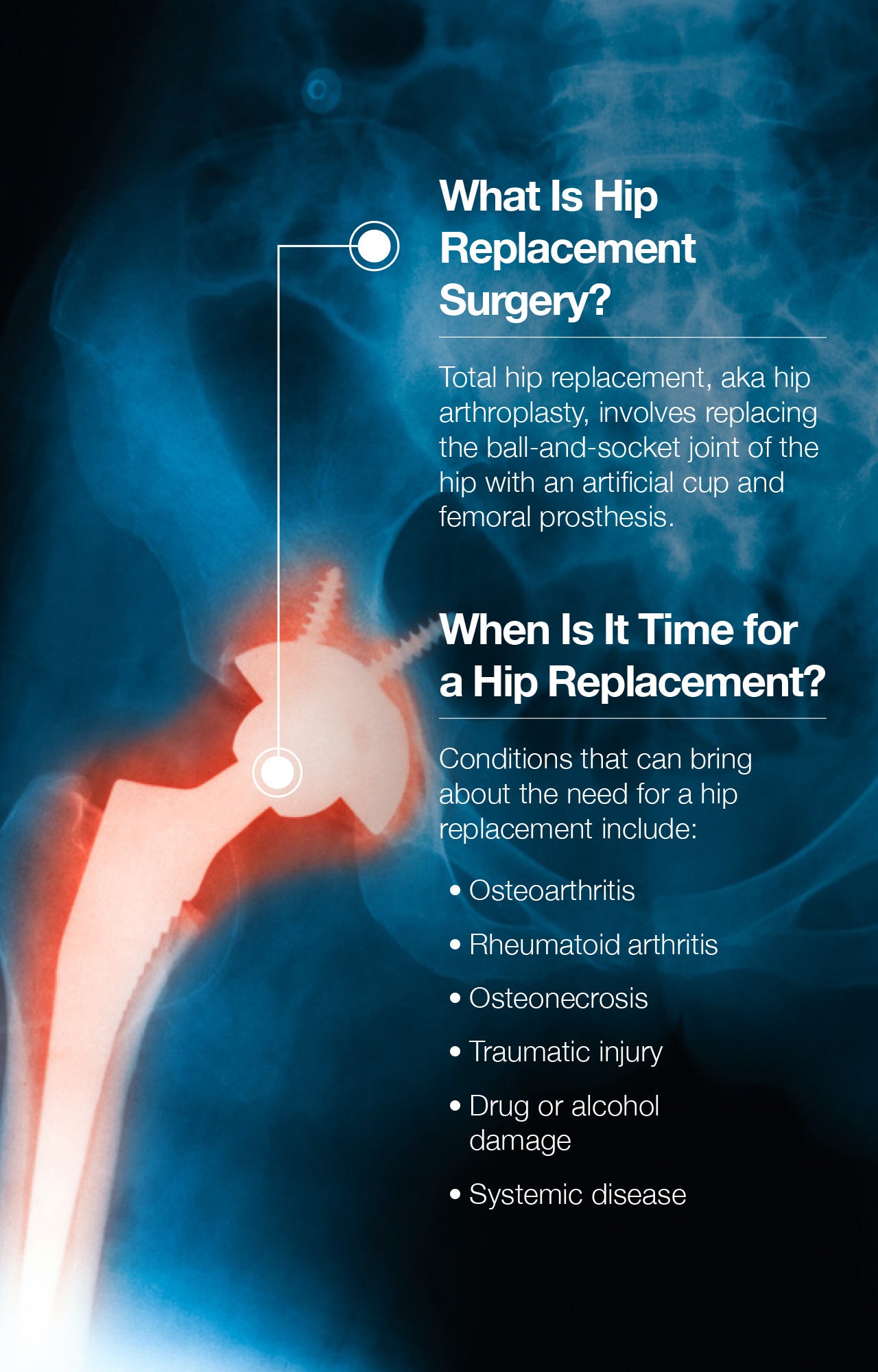
A hip replacement is highly suitable for a 44-year-old if chronic pain and joint degradation significantly impair quality of life and conservative treatments have failed. Modern advancements in prosthetic materials, such as highly cross-linked polyethylene and ceramic bearings, now offer the longevity required to support active lifestyles for 25 years or more.
The traditional medical consensus once suggested that patients should wait until their 60s to undergo a total hip arthroplasty (THA). This "wait-and-see" approach was rooted in the limited lifespan of early-generation implants, which often failed after 10 to 15 years. In 2026, however, the landscape of orthopedic surgery has shifted dramatically. Improved surgical techniques, robotic assistance, and more durable materials have made hip replacement a viable and often necessary option for younger adults suffering from debilitating joint conditions.
The Shift in Orthopedic Demographics
Historically, hip replacements were viewed as "elderly" surgeries. For a 44-year-old, being told they need a hip replacement can be psychologically jarring. However, data from national joint registries indicates a steady increase in the number of patients under 50 undergoing THA. This shift is driven by two factors: an increase in early-onset joint issues due to high-impact sports or obesity, and the refusal of the "Gen X" and "Millennial" cohorts to live with restricted mobility.
At age 44, the primary goal of surgery is not just pain relief, but the restoration of a high-functioning, active lifestyle. Unlike an 80-year-old patient who may simply wish to walk to the mailbox without pain, a 44-year-old often intends to return to the gym, hike, cycle, and maintain a demanding career. Orthopedic surgeons in 2026 recognize that delaying surgery often leads to secondary issues, such as muscle atrophy, weight gain, and depression, which can make eventual recovery much harder.
Common Indications for Early Hip Replacement
While osteoarthritis is the most common reason for hip surgery across all age groups, younger patients often present with specific underlying conditions that necessitate intervention earlier than the general population.
Osteoarthritis and Post-Traumatic Arthritis
Even at 44, primary osteoarthritis can occur, often due to genetic predispositions. Post-traumatic arthritis is also common; if a patient suffered a significant hip injury or fracture in their 20s, the joint may wear out prematurely. By the time the patient reaches their mid-40s, the cartilage may be entirely gone, leading to "bone-on-bone" contact.
Avascular Necrosis (AVN)
Avascular necrosis, or osteonecrosis, occurs when the blood supply to the head of the femur is interrupted. This causes the bone tissue to die and eventually collapse. AVN is a leading cause of hip replacement in adults between the ages of 30 and 50. It can be triggered by long-term steroid use, excessive alcohol consumption, or certain medical conditions like sickle cell anemia.
Developmental Dysplasia of the Hip (DDH)
Some individuals are born with hip sockets that do not fully cover the ball portion of the upper thigh bone. While often treated in infancy, many cases of mild dysplasia go undiagnosed until adulthood. By age 44, the abnormal wear and tear on the joint frequently results in severe labral tears and advanced arthritis.

The Longevity of Modern Implants (2026 Standards)
The most significant concern for a 44-year-old is the "revision" factor. If an implant lasts 25 years, a 44-year-old will likely need a second surgery around age 69 or 70. In the past, revision surgeries were extremely difficult and had lower success rates. Today, the outlook is different.
Bearing Surfaces: Most surgeons now utilize a combination of a ceramic head and a highly cross-linked polyethylene (HXLPE) liner. This "Ceramic-on-Poly" pairing has shown remarkably low wear rates in long-term studies. In 2026, many orthopedic centers are reporting that these materials may realistically last 30 years or more under normal conditions.
3D-Printed Titanium: The cups used in the hip socket are now frequently 3D-printed with a porous titanium structure. This allows the patient's own bone to grow into the implant (biological fixation), creating a much more stable and permanent bond than the bone cements used in the 20th century. For a younger patient with high bone density, this "press-fit" technology is the gold standard.
Surgical Approaches: Anterior vs. Posterior
When considering surgery at 44, the choice of surgical approach can impact the immediate recovery timeline and long-term stability.
- The Anterior Approach: This technique involves making an incision at the front of the hip. The surgeon works between the muscles rather than cutting through them. For a 44-year-old, this often means a faster initial recovery, less post-operative pain, and a lower risk of dislocation.
- The Posterior Approach: This is the traditional method, involving an incision on the side or back of the hip. While it involves cutting some muscle, it provides the surgeon with a better view of the hip socket. Modern "mini-posterior" techniques have significantly reduced the trauma associated with this method.
- Robotic-Assisted Surgery: By 2026, robotic arms like Mako or ROSA are standard in most high-volume orthopedic centers. These systems allow for "haptic" boundaries and sub-millimeter precision in implant placement. For a young patient, precise alignment is critical to preventing uneven wear and maximizing the lifespan of the prosthetic.
The Recovery Timeline for a 44-Year-Old
One advantage of being 44 is that the body generally heals faster than that of an older patient. However, the "young and healthy" mindset can sometimes lead to overexertion during recovery.
- Days 1–3: Most patients are up and walking within hours of surgery. In 2026, many 44-year-olds undergo "outpatient" hip replacement, returning home the same day.
- Weeks 1–2: Physical therapy begins immediately. The focus is on range of motion and preventing blood clots. Most patients transition from a walker to a cane within days.
- Weeks 3–6: This is the "stale" period where patients feel better but must still follow precautions. Driving is usually permitted once the patient is off narcotic pain medication and has regained sufficient leg strength.
- Months 3–6: Most restrictions are lifted. This is when the patient can return to more strenuous activities like swimming, cycling, or light hiking.
- One Year: The "final" result. The bone has fully grown into the implant, and the surrounding muscles have regained their strength.
Comparing Treatment Paths for Hip Pain at 44
For many 44-year-olds, the decision to have surgery follows years of trying other treatments. The following table compares the typical interventions.
| Treatment Phase | Intervention | Primary Goal | Limitations at Age 44 |
|---|---|---|---|
| Conservative | Physical Therapy & NSAIDs | Pain management and strengthening. | Only masks symptoms; does not reverse joint damage. |
| Interventional | Corticosteroid or Hyaluronic Acid Injections | Temporary inflammation reduction. | Effectiveness diminishes over time; potential for bone damage with overuse. |
| Biologic | Platelet-Rich Plasma (PRP) or Stem Cell Therapy | Promoting tissue repair. | Expensive; mixed clinical results for advanced arthritis. |
| Surgical | Total Hip Arthroplasty (THA) | Permanent joint replacement. | Requires recovery time; finite (though long) implant lifespan. |
| Surgical | Hip Resurfacing | Preserving femoral bone. | High technical difficulty; limited to specific anatomy and bone density. |
Lifestyle and Activity After Surgery
A common misconception is that a hip replacement means the end of an active life. On the contrary, for a 44-year-old, the surgery is often the beginning of a more active life. In 2026, orthopedic guidelines generally support a return to the following:
- Low-Impact Sports: Cycling, swimming, golf, doubles tennis, and hiking are highly encouraged.
- Weight Training: Resistance training is beneficial for maintaining bone density around the implant, though "powerlifting" or extreme heavy squats should be approached with caution.
- High-Impact Sports: Running marathons or playing high-contact sports (like football or rugby) is generally discouraged. While the implant can handle the stress, the repetitive impact can accelerate wear on the polyethylene liner, leading to an earlier revision.
Risks and the Reality of Revision
No surgery is without risk. For a 44-year-old, the primary risks include infection (less than 1%), blood clots (DVT), and the rare possibility of leg length discrepancy. However, the most relevant risk is aseptic loosening—the implant coming loose over decades of use.
If a 44-year-old requires a revision at age 70, the procedure is more complex than the original surgery. However, 2026 technology includes modular revision components and bone-augmentation materials that make secondary surgeries highly successful. Knowing that a revision is a manageable safety net often gives younger patients the confidence to proceed with the initial replacement.
Psychological and Economic Impact
Living with chronic hip pain in your 40s has a profound economic impact. It may result in missed work, decreased productivity, and high healthcare costs for ongoing palliative treatments. A hip replacement is often a "one-time" investment that allows a patient to remain in the workforce and maintain their earning potential for another 20 to 25 years.
Psychologically, chronic pain is closely linked to clinical depression and anxiety. Regaining the ability to walk, sleep without pain, and play with children or pets can have a transformative effect on a 44-year-old’s mental health.
Frequently Asked Questions
Am I too young for a hip replacement at 44?
No, you are not too young if your quality of life is severely impacted. Modern medical guidelines prioritize function and pain relief over chronological age. While the goal is always to preserve the natural joint as long as possible, keeping a non-functional, painful joint can lead to muscle wasting and other systemic health issues.
How long will a hip replacement last if I get it at 44?
Current data from 2026 suggests that with modern ceramic-on-polyethylene bearings and 3D-printed titanium cups, there is an 85–90% chance the implant will last 25 to 30 years. Factors such as weight, activity level, and surgical precision play a significant role in longevity.
Can I return to running after a hip replacement?
While some patients do return to running, most orthopedic surgeons advise against high-impact, long-distance running. The repetitive pounding can increase the wear rate of the prosthetic. Brisk walking, elliptical training, and cycling are better alternatives for cardiovascular health without risking the implant.
Is the anterior or posterior approach better for someone my age?
Both approaches have high success rates. The anterior approach is often favored for younger patients due to the faster initial recovery and lack of "hip precautions" (restrictions on bending). However, the "best" approach is usually the one your surgeon performs most frequently and successfully.
What happens if the hip replacement wears out?
If the implant wears out or becomes loose, a revision surgery is performed. This involves removing the old components and replacing them with new ones. While more complex than the first surgery, revision outcomes in 2026 are excellent due to improved bone-grafting techniques and specialized revision hardware.
How much work will I miss?
For a 44-year-old with a sedentary or office-based job, a return to work is often possible within 2 to 4 weeks. For those in physically demanding roles (construction, nursing, etc.), a 3-month recovery period is usually necessary to ensure the bone has properly integrated with the implant before heavy lifting begins.
Next Steps and Recommendations
If you are 44 and suffering from persistent hip pain, the first step is to obtain a high-quality X-ray and consult with an orthopedic surgeon who specializes in joint reconstruction for young adults. Seek a surgeon who utilizes robotic-assisted technology and modern bearing materials.
Before committing to surgery, ensure you have exhausted conservative options, including targeted physical therapy to strengthen the core and gluteal muscles. If these measures no longer provide relief, do not feel "guilty" for choosing surgery. At 44, the goal is to live your most active years to the fullest, and a hip replacement is a proven, highly effective tool to help you achieve that.
Image Gallery
Select an image to open it in a new tab.
Akira Tanaka
International Academic Trends Correspondent
