Waterous Company: A Comprehensive Guide to Fire Suppression Technology and Infrastructure
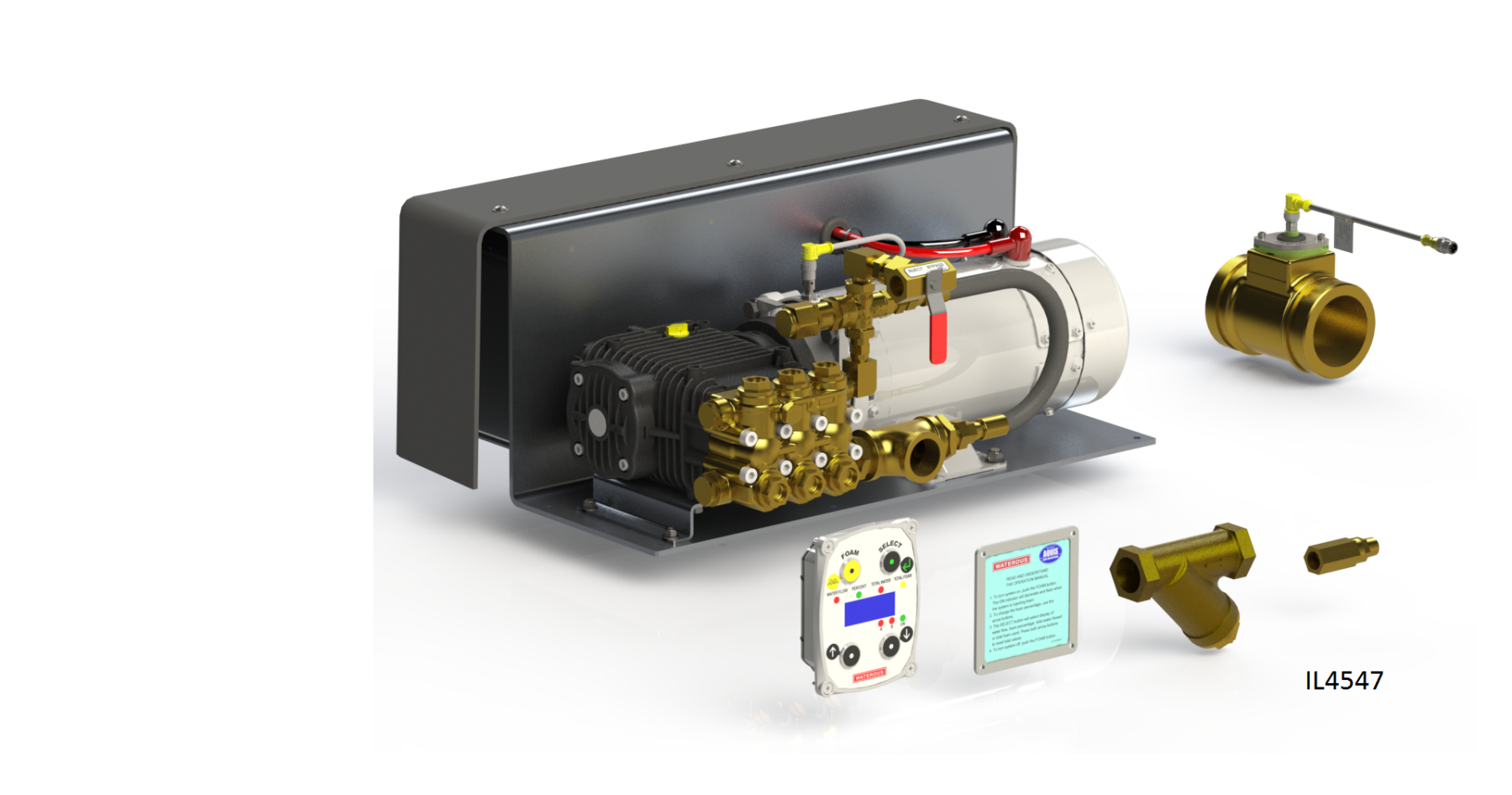
The Waterous Company is a global leader in the design and manufacturing of high-performance fire pumps, compressed air foam systems (CAFS), and waterworks infrastructure. Founded in 1886 and headquartered in South St. Paul, Minnesota, the company provides critical equipment for municipal fire departments, industrial fire brigades, and water utility networks worldwide.
The Historical Foundation and Evolution of Waterous
The history of Waterous is inextricably linked to the evolution of fire suppression in North America. Established in Winnipeg, Canada, before moving its operations to St. Paul, Minnesota, the company began by manufacturing steam-powered fire engines. As the 20th century progressed, Waterous transitioned from steam to internal combustion engines and pioneered the development of the centrifugal fire pump, which remains the industry standard today.
In 1989, Waterous was acquired by the American Cast Iron Pipe Company (ACIPCO). This acquisition provided the financial stability and manufacturing resources of a massive metallurgy-focused organization while allowing Waterous to maintain its specialized focus on fire protection. By 2026, Waterous has maintained its status not just as a hardware manufacturer, but as an engineering firm that sets the benchmarks for National Fire Protection Association (NFPA) compliance and municipal safety standards.
The company’s longevity is attributed to its "cradle-to-grave" approach to product support. Unlike many competitors that source components globally, Waterous maintains significant control over its casting and machining processes, ensuring that a pump manufactured decades ago can often still be serviced with precision-matched parts.
Core Product Lines: Centrifugal Fire Pumps
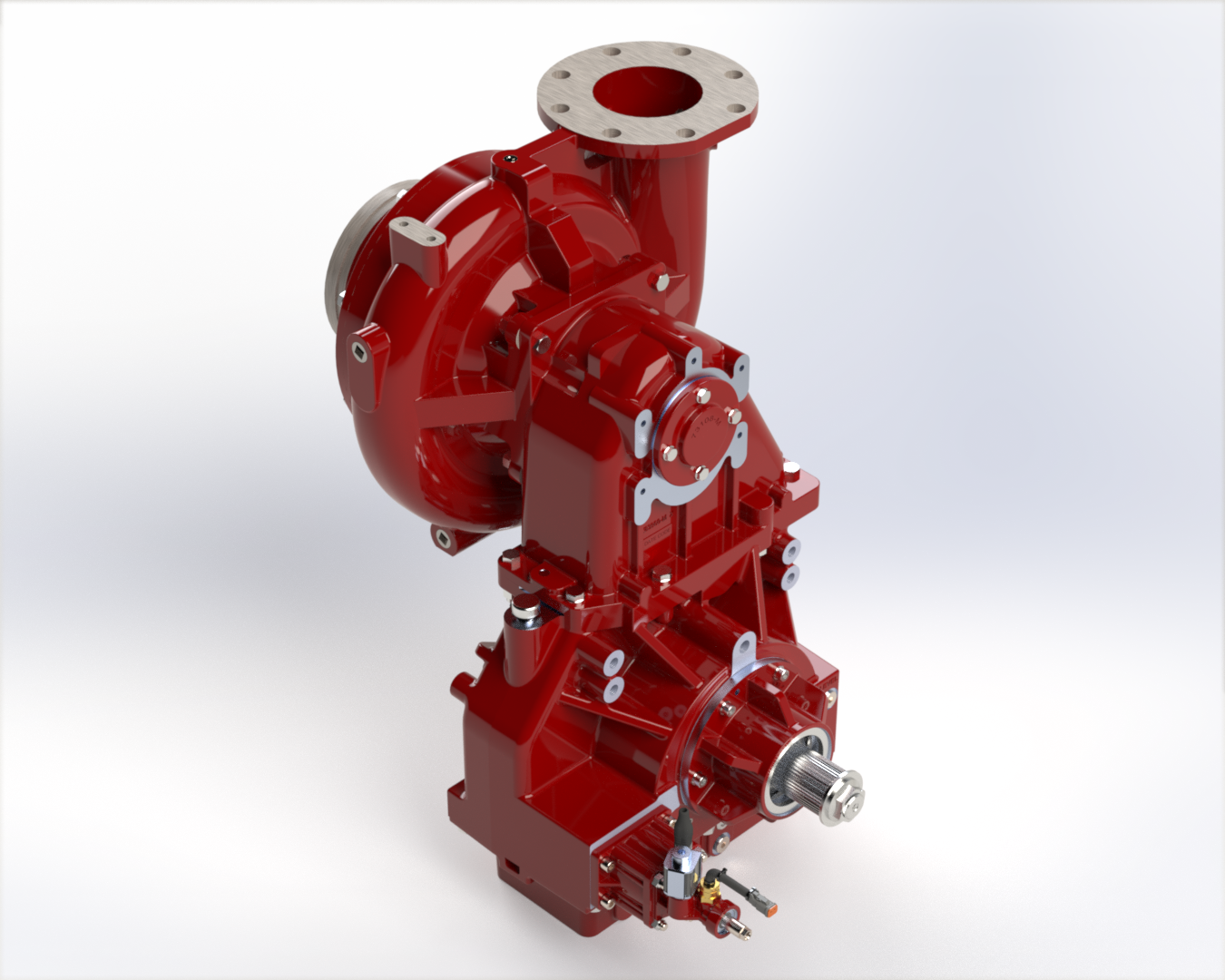
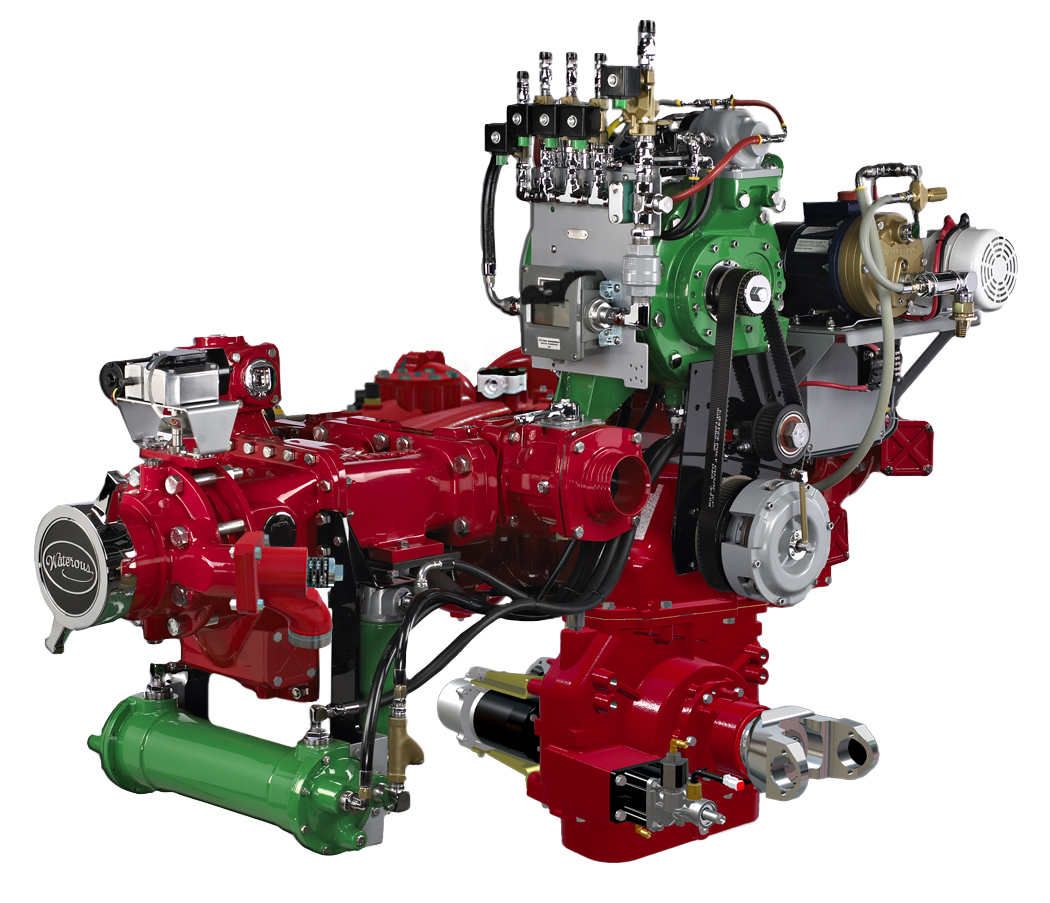
The centerpiece of the Waterous catalog is the centrifugal fire pump. Unlike positive displacement pumps, centrifugal pumps use a high-speed impeller to impart velocity to water, which is then converted into pressure within the pump casing (volute).
Midship-Mounted Pumps
The CS and CSU Series represent the flagship of the Waterous line. These are typically "midship" pumps, located in the center of a fire apparatus.
- CS Series: Single-stage pumps capable of delivering up to 1,250 GPM (Gallons Per Minute).
- CSU Series: Heavy-duty versions that can reach flows of 2,250 GPM or higher. These pumps utilize a split-shaft gearbox, allowing the truck’s main engine to switch power from the drivetrain to the pump once the vehicle is in "Pump" gear.
Rear-Mount and PTO Pumps
For departments requiring different space configurations or "pump-and-roll" capabilities (the ability to discharge water while the vehicle is moving), Waterous offers Rear-Mount and Power Take-Off (PTO) pumps. PTO pumps, like the CP-3 and CP-4, are driven by a secondary output from the transmission, making them ideal for brush trucks and smaller initial-attack vehicles.
The Physics of High-Pressure Firefighting
Waterous also specializes in multi-stage pumps for high-rise firefighting. By using multiple impellers in series, these pumps can generate the extreme pressures (up to 600 PSI or more) required to overcome head pressure and friction loss in skyscrapers. The CM series (two-stage) allows firefighters to switch between "Volume" mode (parallel operation) and "Pressure" mode (series operation) via a transfer valve, providing versatility for various fire scenarios.

Compressed Air Foam Systems (CAFS) and FoamPro
As of 2026, the industry has shifted significantly toward chemical and mechanical efficiency to conserve water. Waterous has led this transition through its CAFS (Compressed Air Foam Systems) and the FoamPro brand of proportioning systems.
Understanding CAFS
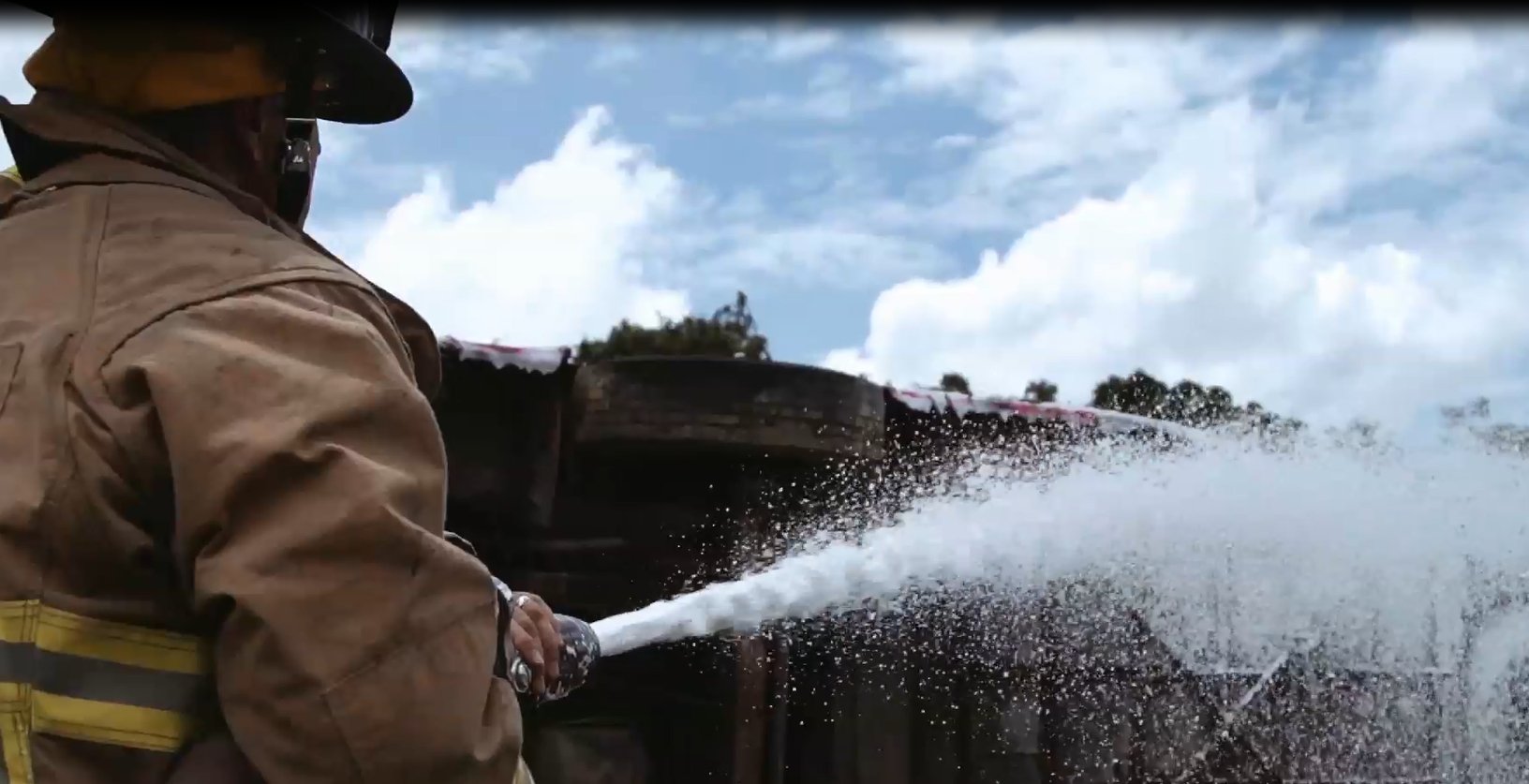
CAFS works by injecting compressed air into a mixture of water and foam concentrate. This creates "finished foam" before the mixture even leaves the pump discharge. The benefits are three-fold:
- Heat Absorption: The increased surface area of the bubbles absorbs heat more rapidly than plain water.
- Weight Reduction: Because the hose lines are filled with air and foam rather than heavy water, they are significantly lighter and easier for firefighters to maneuver inside burning structures.
- Suppression Speed: CAFS "clings" to vertical surfaces, providing a superior vapor barrier and preventing re-ignition.
FoamPro Proportioning
The FoamPro line provides the "brains" of the foam system. These automated systems measure the flow of water and precisely inject the correct percentage of foam concentrate (usually 0.1% to 3% for Class A fires). This prevents the "slugging" or inconsistent foam quality common with older, manual eduction methods.
Municipal Infrastructure: Hydrants and Valves
Beyond the fire truck, Waterous is a major player in municipal water distribution. Their waterworks division focuses on two primary categories: fire hydrants and resilient-seated gate valves.
The Pacer Fire Hydrant
The Waterous Pacer is one of the most recognizable fire hydrants in North America. Its design focuses on "maintenance-under-pressure." Key features include:
- All-Bronze Drain: Resists corrosion and ensures the hydrant drains completely after use to prevent freezing.
- Easy Part Replacement: Most internal parts can be replaced from the top of the hydrant without excavating the unit.
- Traffic Flange: In the event of a vehicle collision, the "break-away" design ensures the hydrant breaks at the ground line without damaging the underground pipe or causing a massive water geyser.
Resilient-Sated Gate Valves
Waterous gate valves are used to isolate sections of water mains for repair. Using a rubber-encapsulated wedge, these valves provide a bubble-tight seal even if small debris or sediment is present in the line. This reliability is essential for water utilities to manage pressure zones and prevent widespread outages during maintenance.
Technical Specifications and Comparative Analysis
When selecting fire suppression equipment, departments must balance flow requirements, weight, and complexity. The following table compares common Waterous pump configurations available in 2026.
| Feature | Midship (CSU) | PTO Driven (CP-4) | Portable (PB18) |
|---|---|---|---|
| Typical Flow Rate | 1500 - 2250 GPM | 250 - 500 GPM | 100 - 400 GPM |
| Primary Use | Type 1 Engines (Urban) | Type 3/6 (Wildland) | Marine / Remote Access |
| Power Source | Main Vehicle Engine | Transmission PTO | Independent Gas/Diesel |
| Pump-and-Roll | No (Standard Gearbox) | Yes | Yes |
| Weight Impact | High | Medium | Low |
| Maintenance | Complex (Split-Shaft) | Moderate | Low |
Innovation and the 2026 Landscape: Electrification
The year 2026 marks a significant turning point in fire apparatus design: the widespread adoption of Electric Fire Trucks (EV Fire Apparatus). Waterous has adapted to this shift by developing high-efficiency electric-drive pumps.
Unlike traditional pumps that rely on a spinning driveshaft from a diesel engine, these new systems use high-voltage electric motors. This transition requires sophisticated thermal management to keep the electric motor cool during hours of continuous pumping. Waterous has integrated "smart" sensors into these pumps to provide real-time telematics. Fire engineers can now monitor pump temperature, cavitation risks, and discharge pressure from a tablet or a remote command center, reducing the risk of mechanical failure during an active fire.
Maintenance, Troubleshooting, and Safety
Reliability in firefighting is not an accident; it is the result of rigorous maintenance. For Waterous pumps, this involves several critical procedures that operators must understand.
Cavitation Management
Cavitation occurs when the pump tries to discharge more water than it is receiving, creating vacuum pockets that "implode" against the impeller. This sounds like pumping gravel and can destroy a pump in minutes. Waterous systems often include Intake Relief Valves and electronic governors to automatically throttle down the engine if a drop in intake pressure is detected.
The Annual Service Test
Per NFPA 1911 standards, fire pumps must undergo annual certification. This involves:
- Dry Vacuum Test: Ensuring the pump can hold a vacuum (indicating no air leaks in the seals).
- Capacity Test: Running the pump at 100% rated capacity for 20 minutes.
- Pressure Test: Running at 70% capacity at 200 PSI and 50% capacity at 250 PSI.
Common Troubleshooting Steps
- Pump Fails to Prime: Often caused by a loose intake gasket, a dirty strainer, or a failed priming motor.
- Pressure Fluctuations: Usually indicative of air being drawn into the intake or a malfunctioning pressure governor.
- Overheating: Typically occurs when the pump is running but no water is being discharged. Waterous provides a "pump cooler" or "circulator valve" to bleed off hot water and introduce cool water from the tank.
Professional Safety Limitation: Firefighting operations and the maintenance of high-pressure pumps involve significant risks of injury or death. All maintenance and operation of Waterous equipment should be performed by certified EVT (Emergency Vehicle Technician) personnel in accordance with NFPA standards and the manufacturer’s specific service manuals.
Frequently Asked Questions
Where is Waterous equipment manufactured?
Waterous maintains its primary manufacturing and engineering facilities in South St. Paul, Minnesota. As a subsidiary of the American Cast Iron Pipe Company (ACIPCO), they utilize advanced domestic casting and machining capabilities to ensure high quality and compliance with "Buy American" requirements for municipal contracts.
Can old Waterous hydrants be upgraded?
Yes. One of the advantages of the Waterous Pacer hydrant is its modularity. Many older hydrants can be retrofitted with modern "no-bolt" upper standpipes or high-visibility coatings without replacing the entire underground shoe and barrel.
What is the difference between a single-stage and a two-stage pump?
A single-stage pump uses one impeller to move water. It is simpler to operate and maintain. A two-stage pump (like the CM series) has two impellers. In "Pressure" mode, the water goes from the first impeller into the second, doubling the pressure. In "Volume" mode, both impellers work side-by-side to move the maximum amount of water.
How does Waterous support electric vehicle (EV) fire trucks?
Waterous has developed the e-Pump series, which replaces the traditional gearbox with a direct-drive electric motor. These systems are designed to integrate with the high-voltage battery architectures of modern electric chassis, offering quieter operation and zero-emissions at the fire scene while maintaining traditional GPM ratings.
What is the lifespan of a Waterous fire pump?
With proper maintenance and annual testing, a Waterous pump is designed to last the entire service life of the fire apparatus, which is typically 15 to 20 years for front-line service and an additional 10 years in reserve. Many units from the 1970s and 80s are still in active service today due to the availability of replacement parts.
Practical Recommendation for Municipalities
For municipal planners and fire chiefs in 2026, the primary recommendation is to prioritize digital integration and foam capability. When specifying new apparatus, ensure the Waterous pump is equipped with a digital pressure governor and a FoamPro system. These technologies reduce the "cognitive load" on the pump operator, allowing them to focus on crew safety rather than manual valve adjustments. Additionally, for waterworks departments, standardizing on the Waterous Pacer hydrant reduces the inventory of spare parts required and simplifies staff training for repairs.
Image Gallery
Select an image to open it in a new tab.

Ingrid Bjornson
Global Cyber Policy and Regulation Analyst
