
Removing dog hair from furniture requires a vacuum that balances high suction power with specialized agitation tools designed to lift embedded fur without damaging delicate upholstery. The most effective approach involves using a vacuum with a motorized brush roll, high-efficiency particulate air (HEPA) filtration, and compact attachments that can navigate the crevices and contours of sofas, chairs, and cushions.
The Physics of Pet Hair Removal
Dog hair is uniquely difficult to remove from fabric because of its shape, texture, and static charge. Unlike human hair or dust, pet fur often features barbs or a tapered structure that allows it to lock into the weave of upholstery fabrics like microfiber, velvet, or linen. Simple surface suction is rarely sufficient to dislodge these hairs.
To successfully remove pet hair, you must overcome three physical hurdles:
- Adhesion: The hair is physically hooked into the fabric fibers.
- Static Friction: The charge generated by friction between the hair and the fabric holds the hair in place.
- Weight/Density: In thicker fabrics, the hair can burrow deep into the cushion padding.
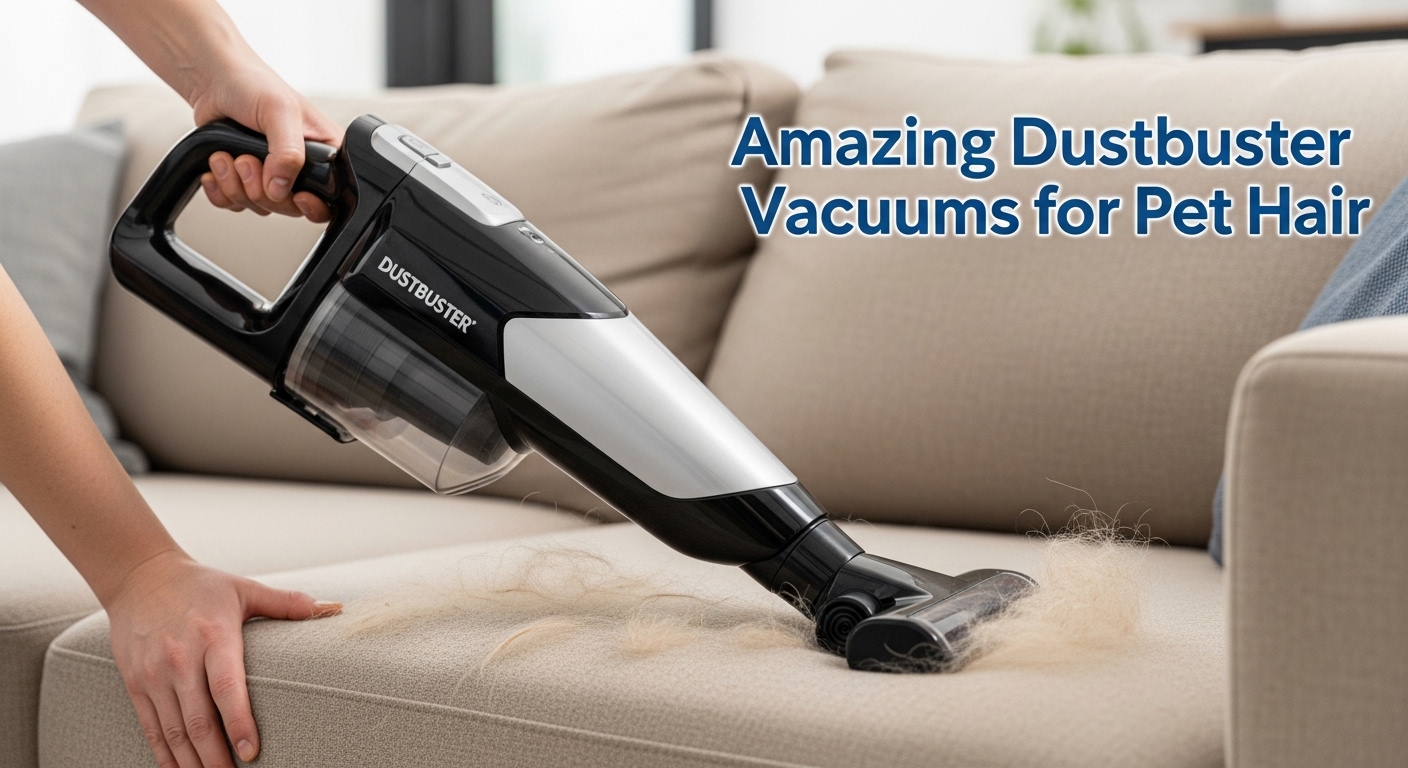
A standard floor vacuum, even a high-powered one, often fails on a couch because it lacks the necessary agitation. A motorized upholstery tool—often found as an attachment for stick vacuums or dedicated pet vacuums—uses a rotating brush to physically beat the fabric, vibrating the hairs loose so they can be immediately captured by the airflow.
Evaluating Vacuum Types for Upholstery
When shopping for a device to clean your couch, you will typically encounter three primary categories: stick vacuums, handheld vacuums, and full-sized canisters or uprights with specialized kits.
Stick Vacuums
Modern stick vacuums have become the industry standard for upholstery cleaning in 2026. Their strength lies in their versatility. By detaching the main wand, you can convert a full-sized unit into a lightweight handheld device. Look for models that include a "mini-motorized tool." This is essential; an air-driven (turbine) tool is often weaker and prone to stalling if the hair is dense. A direct-drive electric motor ensures the brush keeps spinning regardless of the resistance encountered on the fabric.
Handheld Vacuums
If you only need to clean small areas or the occasional corner of a couch, a dedicated handheld vacuum is a portable solution. However, there is a performance trade-off. Handheld models often have smaller dust canisters and shorter battery lives. If you have a long-haired dog, these units may require frequent emptying, which can lead to frustrating downtime.
Upright and Canister Vacuums
While bulky, these machines offer the highest raw suction power. If you own an upright, ensure it comes with a dedicated "upholstery brush" or "pet power brush." The limitation here is maneuverability; a heavy canister vacuum can be cumbersome to balance on a sofa cushion while trying to reach tight corners.
Critical Features to Verify Before Purchase
Not all pet-branded vacuums are created equal. When comparing specifications, prioritize these features to ensure the device actually handles dog hair effectively.
- Motorized Brush Roll: As mentioned, this is non-negotiable. Avoid "suction-only" nozzles unless the couch fabric is extremely delicate.
- HEPA Filtration: Pet dander and hair often carry allergens. A sealed HEPA system ensures that once the dust and hair are inside the vacuum, they do not escape through the exhaust, which is crucial when your face is often near the couch cushions.
- Tangle-Free Technology: Many newer models feature self-cleaning brush rolls that use internal combs to prevent hair from wrapping around the cylinder. This feature saves significant maintenance time.
- Corded vs. Cordless: Cordless models offer unmatched convenience, but for heavy-duty, long-term cleaning sessions, a corded unit ensures you never lose suction power mid-task.
Comparison of Vacuum Categories for Pet Hair
| Feature | Stick Vacuums | Handheld Vacuums | Upright/Canister |
|---|---|---|---|
| Agitation | High (Motorized) | Low to Medium | High (Motorized) |
| Portability | Excellent | Superior | Poor |
| Runtime | 30–60 Minutes | 15–30 Minutes | Unlimited (if corded) |
| Suction Power | Moderate to High | Low to Moderate | Highest |
| Best For | Daily/Weekly Maintenance | Spot Cleaning | Deep Cleaning |
Maintaining Your Vacuum for Long-Term Performance
Once you have invested in a vacuum, proper maintenance is required to keep it effective against dog hair. Over time, the performance of any vacuum will degrade if the internal airways become restricted.
- Clean the Filter: Pet dander is a "fine" particle that clogs filters faster than regular dust. Washable HEPA filters should be rinsed every month (or as per manufacturer guidelines) and allowed to dry completely for 24 hours before reinsertion.
- Clear the Airways: Dog hair can form "plugs" in the hose or the neck of the brush head. If you notice a sudden drop in suction, check for blockages in the wand and the inlet port.
- Brush Roll Inspection: Even with tangle-free technology, long dog hair can occasionally wrap around the ends of the brush roll. Periodically check the ends for debris that might impede rotation.
- Empty Frequently: A full canister creates back-pressure that limits the vacuum's ability to create an effective seal with the fabric surface. Empty the bin after every session.
The Role of Fabric Type
Your choice of vacuum should be tempered by the material of your couch.
- Microfiber: This material acts like a magnet for pet hair. You will need a strong motorized brush to lift the hair from the dense pile.
- Leather/Faux Leather: Hair does not embed as deeply, but it can be scratched by hard plastic nozzles. Use a soft-bristled brush attachment or a rubber-nozzle tool to prevent surface damage.
- Velvet/Velour: These fabrics are prone to "crushing." Use a lower suction setting and a soft brush to avoid leaving permanent marks or pulling the pile of the fabric.
Troubleshooting Common Issues
If your vacuum is not picking up hair, it is rarely a defect in the machine. Start with this troubleshooting checklist:
- Brush Roll Not Spinning: Check the power connection to the tool head. If it is a stick vacuum, ensure the contact points are clean.
- Loss of Suction: Verify that the "max" or "turbo" mode is engaged if the hair is stubborn. Check the dust cup seal to ensure it is tight.
- Hair Stays Behind: If the vacuum pulls the hair but fails to lift it, the issue is likely insufficient agitation. You may need to use a rubber-tipped grooming glove or a lint sponge to manually loosen the hair before vacuuming over it.
Frequently Asked Questions
How do I clean dog hair out of couch crevices? Use the crevice tool attachment specifically designed for your vacuum. If the crevice is very tight, you can wrap a small piece of duct tape (sticky side out) around the end of the tool to grab hair the suction might miss.
Does a robotic vacuum work on furniture? No. Robotic vacuums are designed for floors. While some are capable of climbing onto very low, flat surfaces, they lack the specific brush-roll design and maneuverability to clean a standard sofa effectively.
Is suction power more important than the brush roll? For upholstery, the brush roll is more important. Suction alone cannot reach the hair trapped deep within the weave of the fabric. The brush provides the mechanical action necessary to dislodge the fur.
How often should I vacuum my couch if I have a dog? For heavy-shedding breeds, a weekly cleaning is recommended to prevent hair from becoming deeply embedded and to keep allergens, such as dander and dried saliva, from accumulating.
Can I use an air compressor to blow hair off the couch? It is not recommended. Blowing hair into the air creates an airborne allergen hazard and simply moves the hair to the floor or behind the furniture, making it harder to clean later.
Final Recommendation
The most effective way to address dog hair on your couch is to invest in a versatile, cordless stick vacuum that features a dedicated, independently motorized mini-upholstery tool. Prioritize models with high-capacity batteries and self-cleaning brush roll designs to minimize the time spent on maintenance. Before your first deep clean, ensure your vacuum’s filters are clean and test the suction on an inconspicuous part of your couch to ensure the fabric weave is not caught or pulled by the brush roll’s agitation. By combining mechanical agitation with proper filtration, you can maintain a clean, allergen-free living space despite the presence of household pets.

Image Gallery
Select an image to open it in a new tab.

Akira Tanaka
International Academic Trends Correspondent
