
The bluefin tuna auction is a highly specialized, wholesale trading system—most prominently associated with Tokyo’s Toyosu Market—where premium-grade Pacific bluefin tuna are sold to licensed wholesalers, restaurant owners, and exporters. The process relies on a rigorous grading system, competitive rapid-fire bidding, and an established distribution chain to ensure the highest quality fish reaches the global culinary market.
The Role and Significance of the Bluefin Tuna Auction
At the heart of the global sushi supply chain lies the bluefin tuna (Thunnus orientalis), a species prized for its rich, marbled flesh, known as toro. The auction system, particularly the morning trade at Toyosu (the successor to the historic Tsukiji Market), acts as the primary price-discovery mechanism for this commodity. Unlike standard supermarket produce, which often follows fixed-price contracts, the auction for high-end bluefin tuna is dynamic, reflecting immediate supply, seasonal demand, and the specific physical characteristics of individual fish.
For the participants—primarily nakaoroshi (intermediate wholesalers)—the auction is a test of expertise. These professionals must assess the quality of a carcass in seconds, balancing the potential culinary yield against the volatile market demand. The prices set here influence seafood costs for high-end sushi establishments across the globe, making the auction a critical barometer for the luxury seafood industry.
Anatomy of the Auction Process: Step-by-Step
The auction is not an open event for the general public, though it is often observed by tourists from designated vantage points. The process is governed by strict regulations designed to maintain order and ensure fair competition among established license holders.
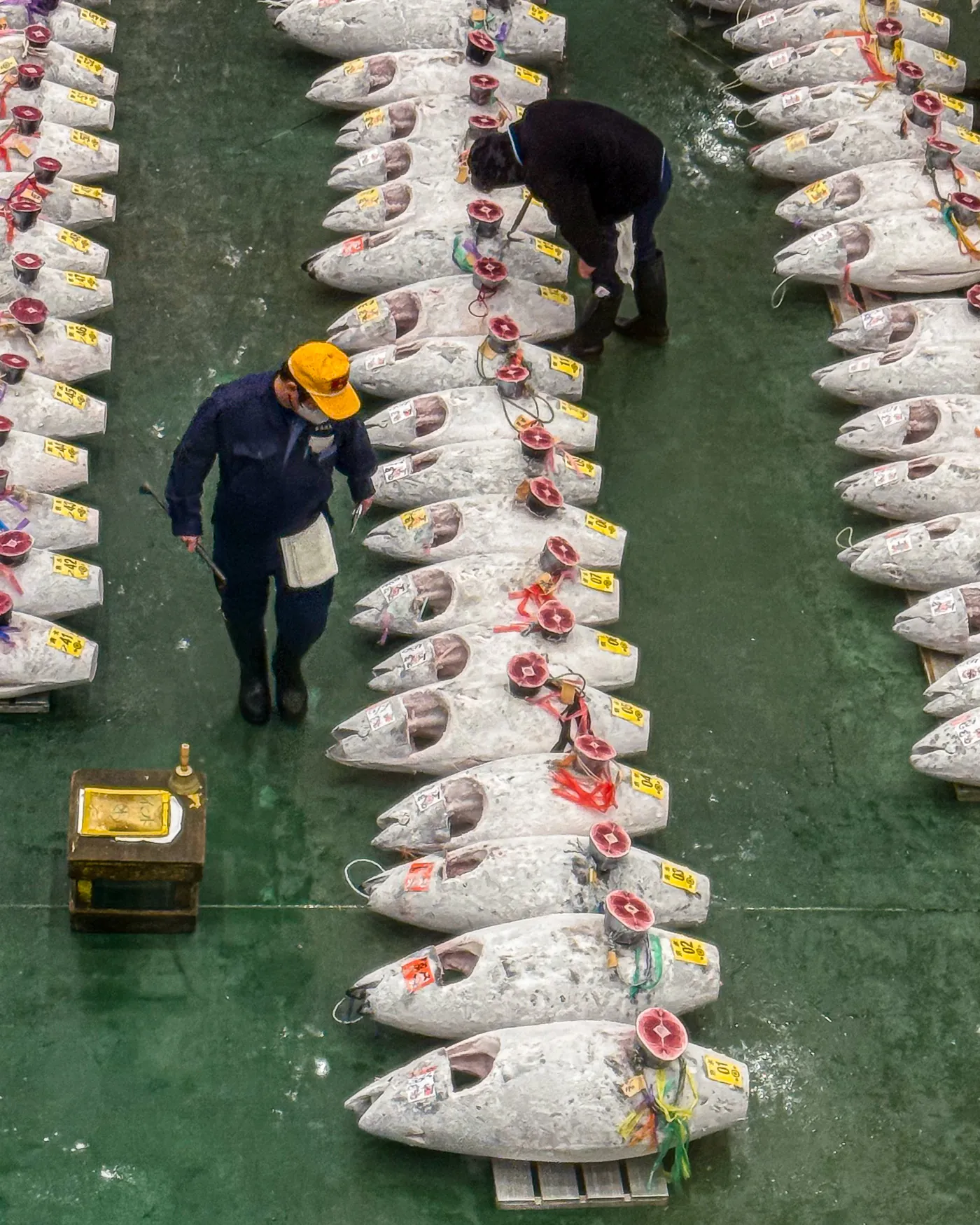
- Pre-Auction Inspection: Before the bidding commences, wholesalers arrive early to inspect the catch. They examine the tail cut, a small section removed from the fish to expose the flesh. By analyzing the color, fat content, and texture of the tail, professionals estimate the quality of the entire fish.
- Organization and Registration: Only licensed market participants are permitted to bid. These participants are usually established business owners who possess deep-seated relationships with both the fishing fleets and the final retail buyers.
- The Bidding Ritual: In a traditional auction, an auctioneer oversees the process. The bidding is not done through traditional high-speed shouts alone, but often utilizes a complex set of hand signals and rapid verbal cues. The pace is frantic, designed to move a large volume of inventory efficiently.
- Transaction Finalization: Once a bid is accepted, the fish is tagged with the buyer's information. The transaction is immediate, and the fish is promptly transported from the auction floor to the wholesalers' stalls within the market, where it will be butchered and distributed.
Grading Criteria for Premium Bluefin
Quality in a bluefin tuna auction is defined by specific physical metrics that indicate the flavor profile and suitability for sashimi. While aesthetic appearance is important, the "inside" of the fish is what dictates the price.
- Fat Content (Marbling): The higher the fat content, particularly in the underbelly (otoro), the higher the value. The distribution of fat must be consistent throughout the cut.
- Coloration: The meat should be a vibrant, translucent red. Any signs of discoloration, bruising, or oxidation significantly lower the grade.
- Shape and Size: A well-proportioned, hydrodynamic shape is preferred. Overly thin fish may have less usable meat, while excessively large fish can be difficult to process and store.
- The Tail Cut: This serves as the "fingerprint" of the fish. Buyers look for clarity, firm texture, and a sheen that indicates freshness.
Comparing Market Channels
The auction system differs significantly from other methods of purchasing seafood. The following table highlights the distinctions between auction-based procurement and alternative supply chains.
| Feature | Auction System (Wholesale) | Direct Contract Farming | Retail/Consumer Market |
|---|---|---|---|
| Pricing Mechanism | Dynamic/Competitive | Fixed/Negotiated | Fixed/Markup-based |
| Primary Buyers | Wholesalers & Distributors | Restaurant Chains/Retailers | General Public |
| Quality Control | Visual Inspection/Tail Cut | Certification/Data-based | Label/Brand Reputation |
| Volume | High (Bulk lots) | Medium (Specific sizes) | Low (Individual cuts) |
| Transparency | Public/Market-wide | Private/Confidential | Transparent Retail |
Economic Drivers and Market Volatility
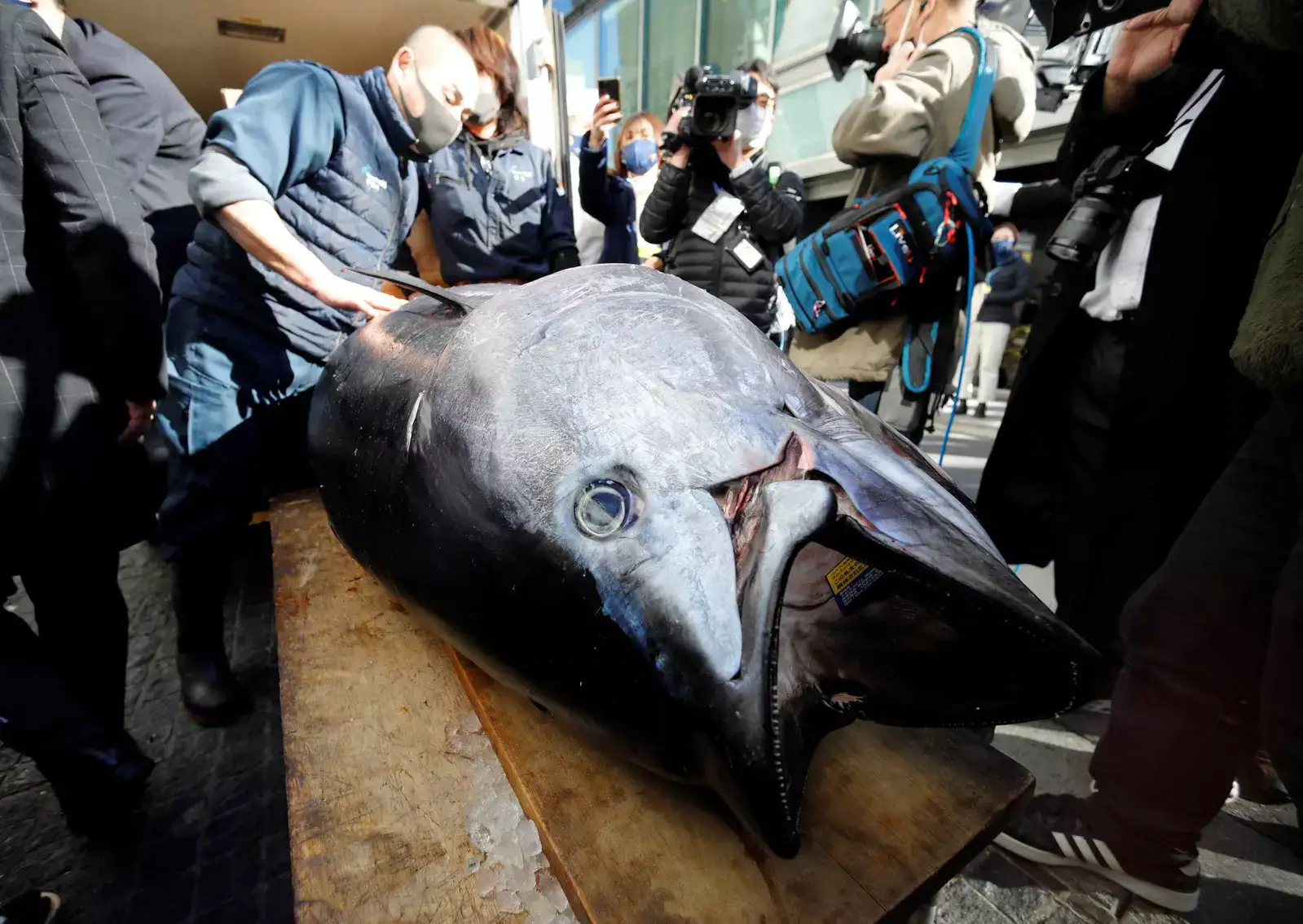
The bluefin tuna market is notoriously sensitive to seasonal fluctuations. During winter months, when the fat content of bluefin tuna typically peaks, auction prices for high-quality specimens can reach extraordinary levels. These "celebratory" prices—often reported in media when a single fish sells for hundreds of thousands of dollars—are generally outliers driven by competitive bidding for the first catch of the New Year or significant marketing events.
Standard operating prices are influenced by the total allowable catch (TAC) quotas set by regional fisheries management organizations. As international regulations tighten to prevent overfishing, the scarcity of large, wild-caught bluefin often leads to increased price volatility. Buyers must account for these regulatory shifts, as they directly impact the supply entering the auction floor on any given day.
Challenges in Modern Auction Logistics
The transition from traditional, manual-heavy auctions to modern, data-driven systems presents several challenges. One of the primary obstacles is the preservation of the "cold chain." From the moment a fish is landed, it must be kept at precise, near-freezing temperatures. Any deviation in temperature during the transit to the auction house or the wait period on the auction floor degrades the quality, rendering the inspection invalid.
Furthermore, the integration of digital tracking for sustainability has become a mandatory requirement. Buyers at the auction must ensure that the tuna they purchase is accompanied by proper documentation, such as the catch certificate required by international trade standards to prove the fish was caught legally. This adds an administrative layer to the traditional, fast-paced trading environment.
Safety and Regulatory Compliance
The operation of a major fish auction is subject to stringent health and safety regulations. In facilities like Toyosu, the floor is subject to continuous sanitation, and workers are required to adhere to strict handling protocols to prevent contamination.
For international buyers or investors looking into the bluefin tuna market, it is essential to recognize that this is a highly regulated, closed ecosystem. Access to the auction floor is restricted to prevent interference with trade. Those seeking to purchase must typically go through a licensed intermediate wholesaler who acts as a proxy, ensuring that the buyer receives a product that meets both regulatory standards and culinary requirements.
Frequently Asked Questions
Who is eligible to participate in a bluefin tuna auction? Participation is generally restricted to licensed wholesalers who are registered members of the specific market's association. Individuals, tourists, or non-licensed businesses cannot bid on the floor directly; they must engage with authorized wholesalers who handle the procurement and logistics.
Why are some bluefin tuna prices so high in the news? High-profile prices often reflect symbolic "first-catch" auctions at the beginning of the year, which serve as major marketing events for retail chains. These prices are prestige-driven and do not represent the standard market value for daily operations.
How is the freshness of the tuna determined in seconds? Experienced buyers utilize the "tail cut" method, where a small cross-section of the tail is removed. This allows them to evaluate the color, texture, and fat density of the fish without having to dissect the entire specimen.
What is the impact of fishing quotas on the auction? Fishing quotas directly limit the supply available for auction. When supply is restricted, the competitive bidding process often drives prices higher, forcing wholesalers to prioritize only the most premium, high-margin inventory.
Can a regular consumer purchase directly from the auction? No. The auction is a business-to-business exchange. Retail consumers who wish to purchase high-quality bluefin tuna should buy from reputable specialty fishmongers or licensed distributors who have already purchased from the auction house.
Practical Recommendation for Industry Entry
For those intending to participate in the bluefin tuna market, the most effective next step is to establish a partnership with an experienced nakaoroshi (intermediate wholesaler). Attempting to navigate the logistical, legal, and quality-assessment complexities of the auction independently is not feasible for external entities. Identify a partner who specializes in your specific market—whether it is high-end restaurant supply or export—and focus on building a contract-based relationship that leverages their existing access to the auction floor. Ensure all sourcing is backed by verified documentation regarding catch origin, as regulatory scrutiny regarding sustainability remains at an all-time high in 2026.
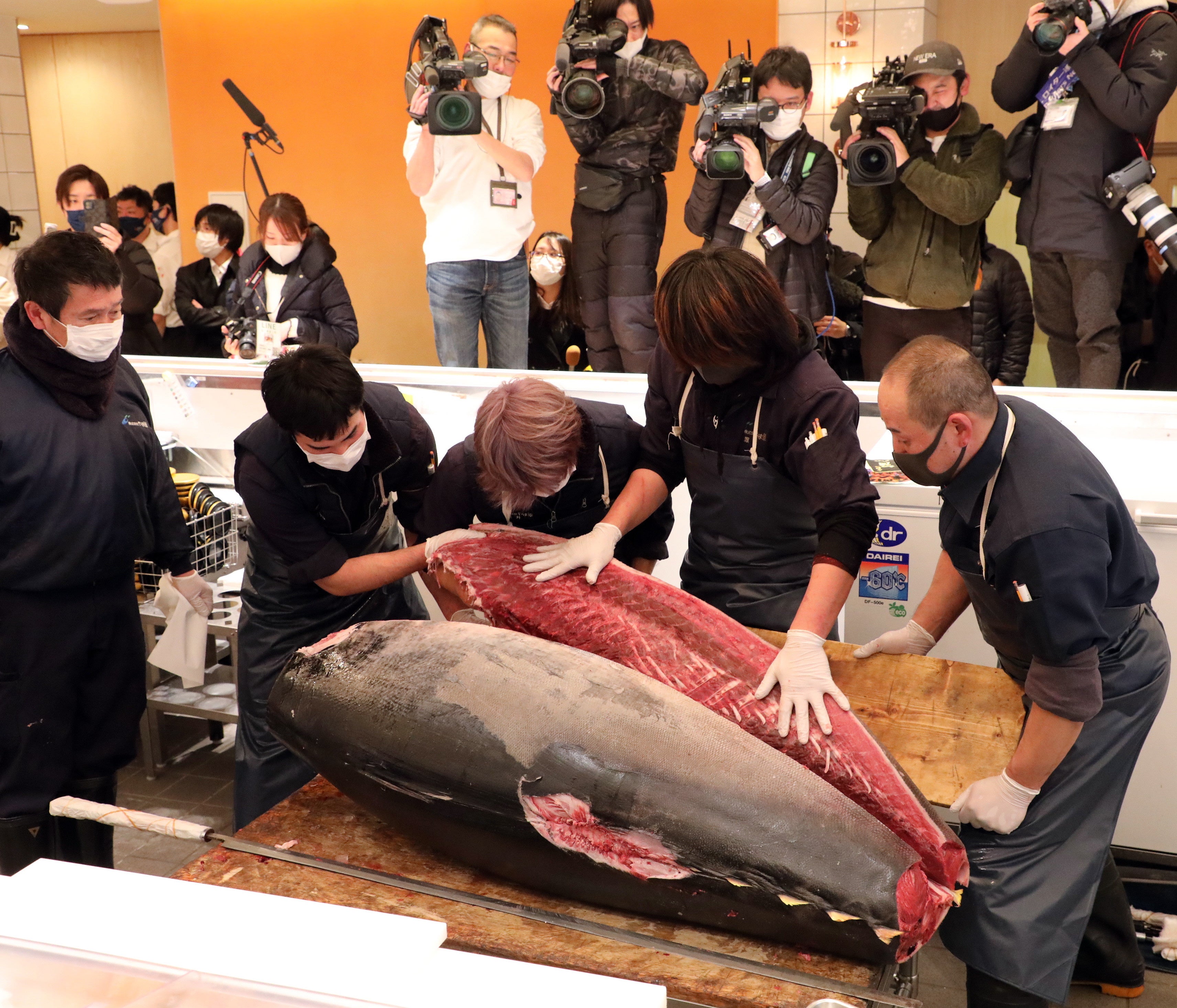
Image Gallery
Select an image to open it in a new tab.




Mateo Castillo
Decentralized Finance and E-Payments Strategist
