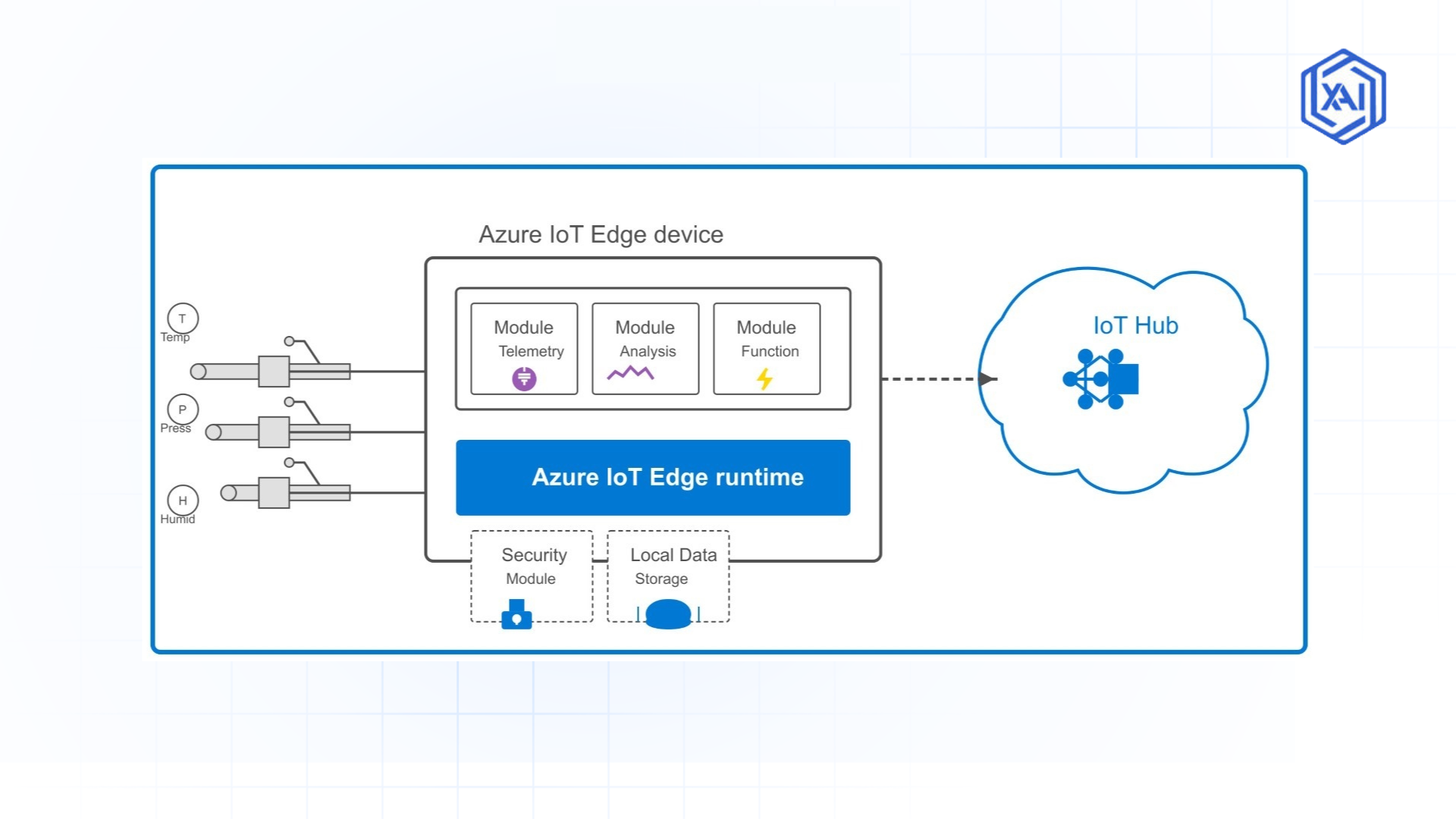
Effective edge device management requires a centralized orchestration layer capable of provisioning, monitoring, securing, and updating thousands of geographically distributed assets. By leveraging containerization, Zero-Trust security protocols, and automated lifecycle management, organizations can ensure persistent uptime and data integrity while minimizing the high operational costs associated with manual, on-site device intervention in remote environments.
The Evolution of Edge Management
In modern Internet of Things (IoT) deployments, the "edge" has expanded from simple gateway hubs to complex compute nodes capable of performing real-time analytics, machine learning inference, and high-speed data processing. As of 2026, the volume of deployed edge devices has surged, making traditional manual management—such as individual SSH access or local configuration—entirely obsolete.
Modern edge device management is defined by the need for remote control. An effective system must abstract the underlying hardware, providing a unified management plane that sees a heterogeneous environment—ranging from ARM-based sensors to high-performance GPU-equipped edge servers—as a singular, manageable fleet. This shift requires moving away from static device configurations toward "infrastructure as code" (IaC) and declarative state management.
Foundational Prerequisites for Edge Operations
Before deploying a management solution, organizations must address three critical architectural pillars: connectivity, power stability, and identity.
- Connectivity Resilience: Edge devices often operate over intermittent, low-bandwidth, or high-latency networks. A robust management system must support "store-and-forward" mechanisms, where configuration updates are queued locally on the device until connectivity is re-established.
- Identity and Authentication: Every device requires a hardware-backed identity, typically stored in a Trusted Platform Module (TPM) or Secure Element. In a modern 2026 enterprise context, relying on default passwords or simple API keys is a failure point. Certificate-based authentication via Public Key Infrastructure (PKI) is the industry standard for securing device-to-cloud communication.
- Power and Hardware Health: Unlike data center servers, edge devices are frequently subjected to environmental extremes. Monitoring must extend beyond software metrics to include hardware telemetry like voltage levels, internal temperature, and storage wear-out indicators, particularly for NAND flash memory common in edge nodes.
Containerization as the Standardization Layer
The industry has largely converged on containerization—specifically Docker and Kubernetes-orchestrated distributions like K3s or KubeEdge—as the standard for edge software delivery. Containerization resolves the "it works on my machine" problem by bundling the application with its specific dependencies, libraries, and binary configurations.
By utilizing a container registry and a management agent on the edge device, administrators can push atomic updates to thousands of nodes simultaneously. If an update fails, the management agent can trigger an automated rollback to the previous known-good state, a feature essential for minimizing downtime in critical infrastructure.
Comparative Framework: Management Approaches
Selecting the right management strategy depends on the scale of the fleet and the sensitivity of the data handled.
| Feature | Manual Management | Agent-Based Orchestration | Cloud-Native Managed Services |
|---|---|---|---|
| Scalability | Low (tens of devices) | High (thousands) | High (global scale) |
| Overhead | Very High | Medium | Low |
| Security | Manual/Reactive | Policy-Driven | Integrated/Proactive |
| Cost | Labor-intensive | Tooling + Training | Subscription-based |
| Update Speed | Slow | Fast | Instant |
Essential Components of an Edge Lifecycle
Managing an edge device is not a one-time setup; it is a multi-phase lifecycle that demands strict adherence to defined workflows.
1. Zero-Touch Provisioning (ZTP)
Manual installation at the edge is prohibitively expensive. ZTP allows a device to be shipped directly from a manufacturer to a field site. Upon power-up, the device connects to a bootstrap server, verifies its identity, downloads its specific security credentials, and pulls its latest configuration profile.
2. Remote Configuration and Orchestration
Once provisioned, the device must be managed via a central dashboard. This includes setting environment variables, adjusting logging levels, and managing network routing tables. The goal is to perform all administrative tasks without requiring physical site visits.
3. Over-the-Air (OTA) Updates
Security patching is the most vital aspect of 2026 edge management. A vulnerability discovered in an open-source library used by your edge software can be exploited at scale if not patched. OTA systems must support "canary deployments," where updates are pushed to a small subset of devices first to verify performance before a fleet-wide rollout.
4. Monitoring and Telemetry
Modern management platforms provide observability. This includes real-time alerts on CPU spiking, memory leaks, or network partition errors. Beyond simple health checks, this telemetry informs long-term asset management, such as predicting when a specific model of camera or sensor is nearing its end-of-life.
Security and Compliance in Distributed Networks
The distributed nature of the edge makes it a prime target for physical tampering and cyberattacks. Security cannot be bolted on; it must be intrinsic.
- Zero Trust Architecture: Assume that the network connection is compromised. Every request from the device to the cloud, and from the cloud to the device, must be authenticated, authorized, and encrypted.
- Encryption at Rest: Data stored on edge devices, especially sensitive PII (Personally Identifiable Information) or proprietary AI models, must be encrypted at the storage level.
- Firmware Integrity: Implement "Secure Boot" sequences where the hardware verifies the digital signature of the bootloader and the operating system before execution. This prevents the loading of compromised or unauthorized firmware images.
Common Operational Mistakes
Even well-funded teams struggle with edge management due to common pitfalls:
- Ignoring Network Cost: Sending raw high-definition video or large logs to the cloud is often economically unsustainable due to cellular data costs. Edge management should include local data filtering to send only metadata or high-value alerts to the cloud.
- Hardcoding Configurations: Storing credentials or site-specific IDs in the code rather than in a secure environment variable manager leads to security vulnerabilities and significant management overhead when moving devices between locations.
- Neglecting Physical Security: A device that is physically accessible can be compromised via a USB port or a UART debug pin. Ensure physical ports are disabled in production and the enclosure is tamper-evident or secured.
Troubleshooting and Remediation
When an edge device becomes "bricked" or unreachable, the cost of a "truck roll" (sending a technician) can exceed the value of the device. Proactive troubleshooting strategies include:
- Watchdog Timers: Hardware-level timers that automatically reboot the system if the OS or application stops responding.
- Out-of-Band (OOB) Management: For critical infrastructure, consider secondary low-bandwidth communication channels (e.g., satellite or dedicated cellular) that allow for a "factory reset" command even if the primary network stack has crashed.
- Partitioned Storage: Maintain a read-only "recovery" partition on the device. If an OTA update corrupts the primary OS partition, the device can automatically revert to this golden image to regain connectivity.
Next Steps for Implementation
To begin or refine your edge device management strategy, start by auditing your current fleet's firmware and connectivity profiles. Map out the "cost of failure" for every site—if a device goes offline, what is the business impact? Use this assessment to prioritize which devices require redundant connectivity or advanced orchestration. Evaluate your current reliance on manual processes and calculate the projected ROI of transitioning to an automated, container-based management platform. For most organizations in 2026, the transition from manual, siloed management to an integrated, cloud-orchestrated edge architecture is the single most effective way to scale IoT operations.

Image Gallery
Select an image to open it in a new tab.


Lars Thomsen
Global Labor Markets and Economic Strategy Editor
