Understanding the Impact of Asian Needle Ants: Ecological Threats and Human Risks
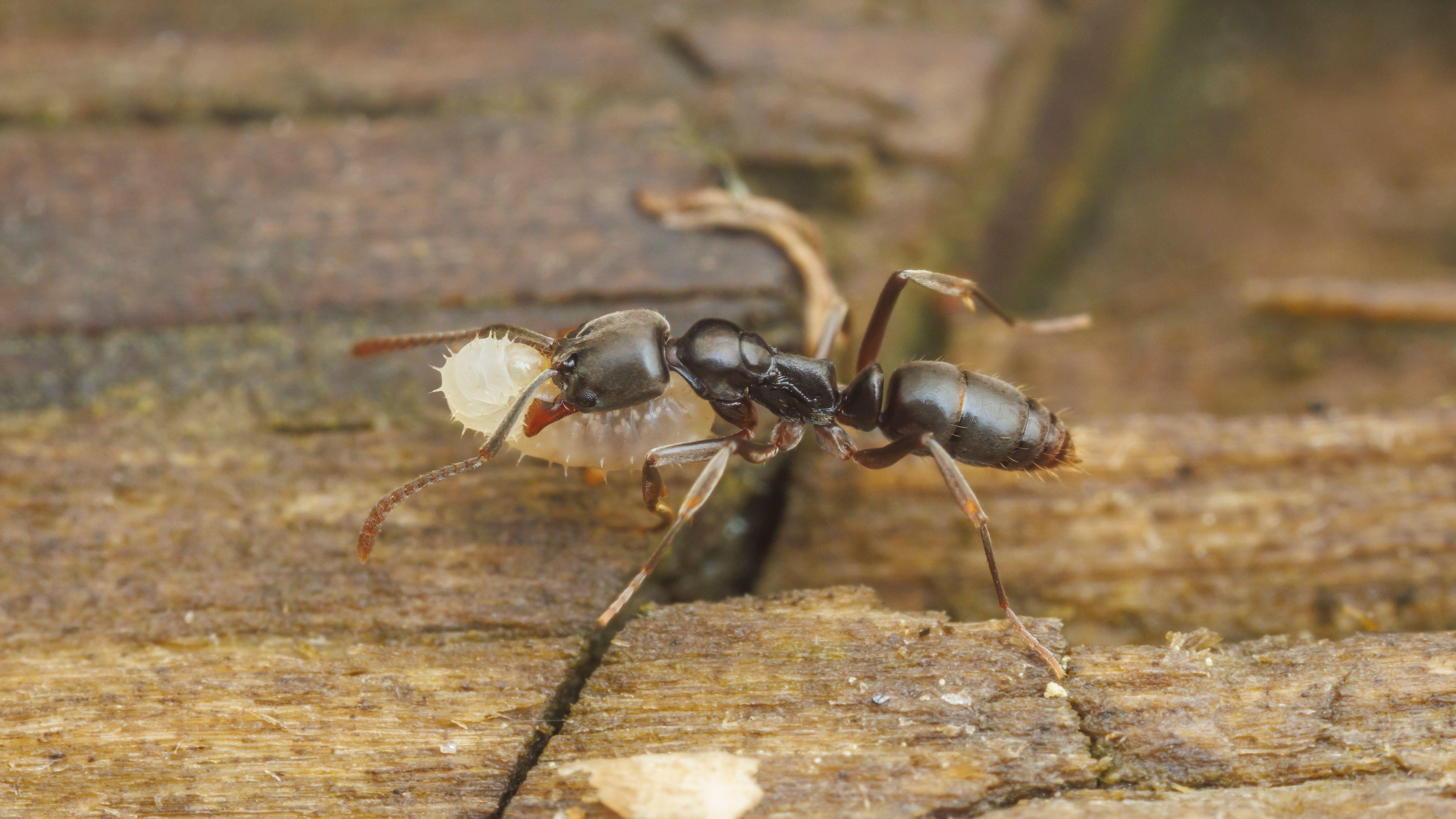
Asian needle ants (Brachyponera chinensis) are invasive insects increasingly disrupting ecosystems and posing health risks across the United States. Unlike common nuisance ants, they possess a potent sting capable of causing severe allergic reactions. Their ability to displace native species and alter forest regeneration makes them a significant environmental and public health concern in 2026.
Identification and Biological Characteristics of the Asian Needle Ant
The Asian needle ant, originally native to East Asia (specifically China, Japan, and Korea), was first documented in the United States in the 1930s. However, it was not until the early 2000s that its expansion became a noted concern for entomologists and public health officials. By 2026, its range has extended significantly from its initial foothold in the Southeast into the Mid-Atlantic and parts of the Midwest.
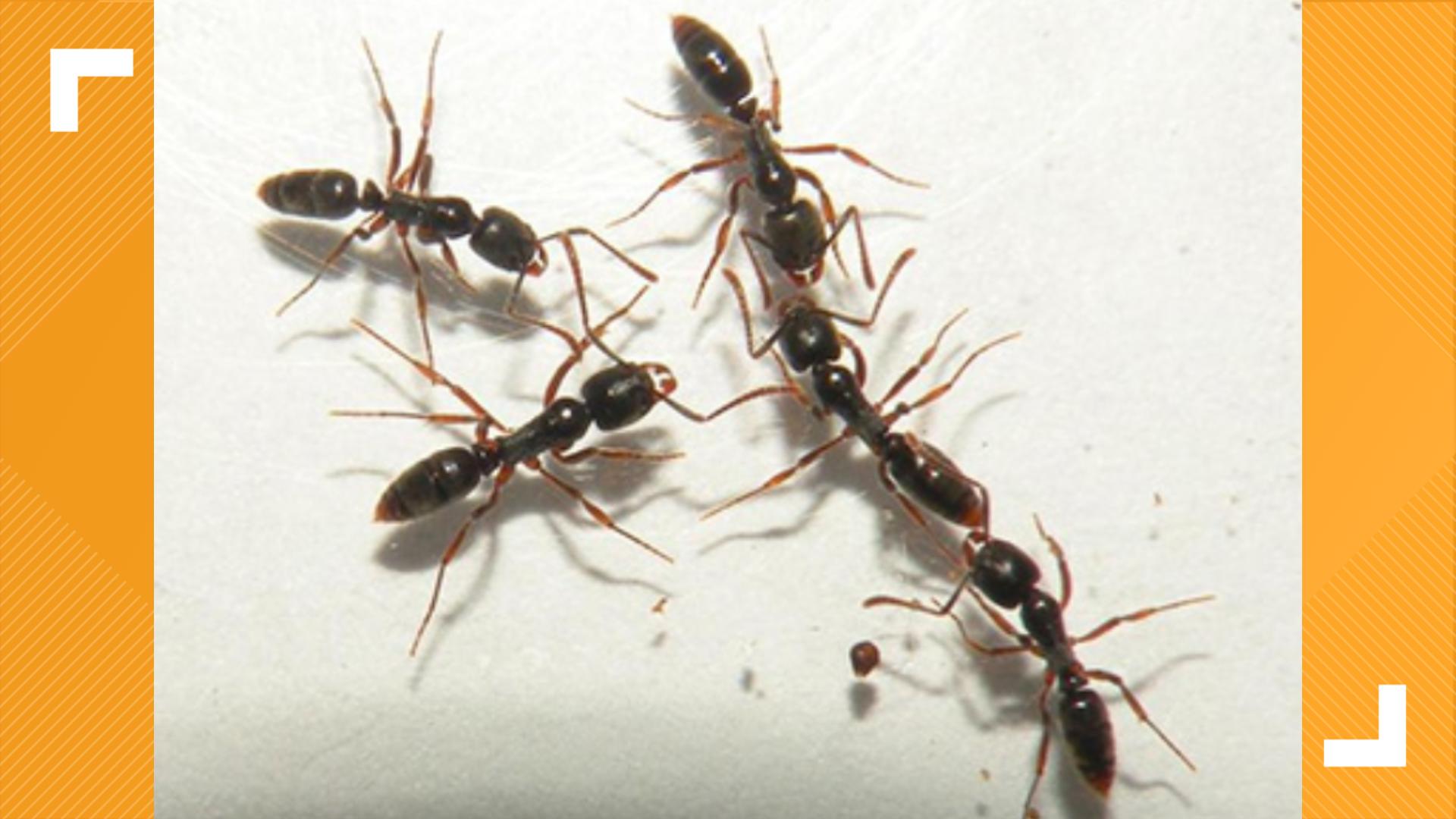
Physically, the Asian needle ant is roughly 5 millimeters (1/5 of an inch) long. They are typically dark brown to black, with legs and mandibles that may appear slightly lighter or yellowish-orange. A distinguishing feature is their lack of the ability to climb smooth surfaces like glass or polished plastic, which differentiates them from many common household ants.
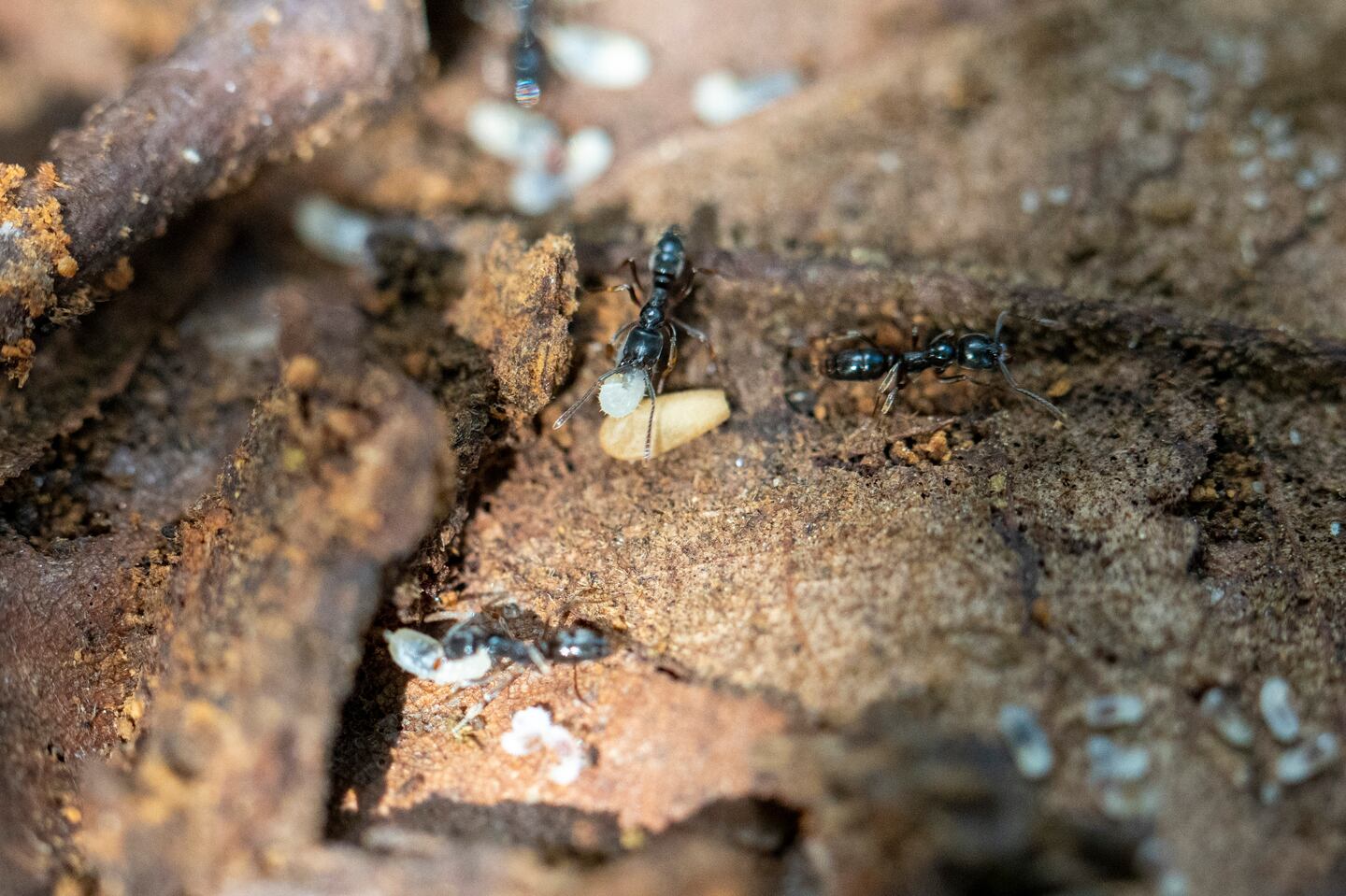
The most defining biological feature is the presence of a functional stinger. Unlike many ants that bite or spray formic acid, the Asian needle ant utilizes a venomous sting to paralyze prey and defend the colony. Their colonies are relatively small compared to the massive "super-colonies" of Argentine ants, often containing only a few hundred to a few thousand individuals. They do not build large, visible mounds; instead, they nest in cryptic locations such as damp soil, under rotting logs, beneath leaf litter, or within mulch.
The Ecological Impact: Disrupting Forest Biodiversity
The ecological footprint of the Asian needle ant is profound and often more damaging than that of the more famous Red Imported Fire Ant (Solenopsis invicta). Because Asian needle ants thrive in shaded, wooded environments, they invade undisturbed forests where they outcompete native ant species.
Displacement of Native Species
One of the primary victims of this invasion is the Aphaenogaster genus of native ants. These native ants play a critical role in North American temperate forests. Research from institutions like NC State University has shown that when Asian needle ants move into an area, the population of Aphaenogaster and other native foragers plummets. Asian needle ants are more aggressive and more efficient at foraging in cooler temperatures, allowing them to dominate resources early in the spring before native species become fully active.
Impact on Seed Dispersal (Myrmecochory)
The loss of native ants leads to a secondary, more catastrophic ecological failure: the breakdown of seed dispersal. Many woodland wildflowers, such as trilliums, bloodroot, and wild ginger, rely on a process called myrmecochory. These plants produce seeds with a fatty attachment called an elaiosome. Native ants carry these seeds back to their nests, eat the elaiosome, and discard the seed in a nutrient-rich refuse pile, effectively "planting" it.
Asian needle ants, however, often fail to perform this service. They may eat the elaiosome but leave the seed in a location unsuitable for germination, or they may simply ignore the seeds entirely in favor of predatory behavior. Over time, this leads to a decline in forest wildflower populations and a shift in the entire plant community, which in turn affects the birds and mammals that depend on those plants for food or cover.

Human Health Risks: The Danger of the Sting
For the general public, the primary concern regarding Asian needle ants is their medical impact. In 2026, medical professionals continue to monitor the rising incidence of stings as these ants increasingly move into residential landscapes and urban parks.
The Mechanism of the Sting
The Asian needle ant sting is frequently described as a sharp, needle-like sensation—hence the name. Unlike fire ants, which often swarm and sting multiple times in a visible "boil" on the skin, an Asian needle ant sting often occurs when the insect is accidentally pressed against the skin, such as inside a shoe, under a gardening glove, or within clothing.
Anaphylaxis and Allergic Reactions
The venom of Brachyponera chinensis is particularly potent. Studies have indicated that the prevalence of systemic allergic reactions to Asian needle ant stings is higher than that of honeybee or fire ant stings in certain populations. Symptoms can range from localized swelling, redness, and itching to severe anaphylactic shock.
Anaphylaxis symptoms include:
- Difficulty breathing or wheezing.
- Swelling of the throat or tongue.
- Rapid or weak pulse.
- Dizziness or fainting.
- Nausea and vomiting.
Because many individuals are unaware of the presence of these ants in their yards, a sting can be a terrifying and unexpected medical emergency. Those with known allergies to other Hymenoptera (bees, wasps, ants) should exercise extreme caution in areas where Asian needle ants are established.
Residential and Economic Impact
The presence of Asian needle ants can significantly alter how homeowners interact with their outdoor spaces. Because they do not build obvious mounds, homeowners often realize they have an infestation only after being stung while gardening or doing yard work.
Landscaping and Property Value
Asian needle ants are highly attracted to moist environments. Mulch beds, railroad ties used for terracing, and irrigation systems provide the perfect microclimate for their colonies. While they do not cause direct structural damage to buildings like carpenter ants or termites, their presence can render a backyard unusable for families and pets, indirectly impacting the perceived value and enjoyment of a property.
Challenges in Pest Control
Controlling Asian needle ants is notoriously difficult. Conventional ant baits, which rely on the social sharing of food (trophallaxis), are often less effective against this species. Asian needle ants are primarily predatory, preferring to hunt live insects rather than scavenging for sugary or protein-based baits.
Furthermore, their nesting habits are diffuse. Instead of one central nest, they may have dozens of small "satellite" nests scattered throughout a landscape. This makes complete eradication a complex task that often requires a professional Integrated Pest Management (IPM) approach.
Comparing Invasive Ants: Asian Needle Ant vs. Red Imported Fire Ant
To better understand the unique challenges posed by the Asian needle ant, it is helpful to compare it to the more widely known Red Imported Fire Ant.
| Feature | Asian Needle Ant (B. chinensis) | Red Imported Fire Ant (S. invicta) |
|---|---|---|
| Preferred Habitat | Shaded, moist, wooded areas; mulch. | Open, sunny areas; lawns; pastures. |
| Nesting Site | Cryptic; under logs, rocks, or debris. | Highly visible, large dirt mounds. |
| Climbing Ability | Poor; cannot climb smooth surfaces. | Excellent; can climb almost any surface. |
| Aggression | Passive-aggressive; stings when pressed. | Highly aggressive; swarms and attacks. |
| Primary Diet | Predatory (eats other insects). | Omnivorous; scavenges widely. |
| Ecological Niche | Invades deep forests; disrupts seeds. | Invades disturbed soil; disrupts fauna. |
| Sting Severity | High risk of anaphylaxis. | Painful; causes sterile pustules. |
Management and Mitigation Strategies in 2026
Effective management of Asian needle ants requires a multi-pronged approach. Residents and land managers should focus on both environmental modification and targeted chemical controls where necessary.
Environmental Modification (Cultural Control)
Since Asian needle ants require high moisture levels to survive, managing the "dampness" of a landscape is the first line of defense.
- Reduce Mulch Depth: Avoid "volcano mulching" around trees. Keep mulch layers to two inches or less to allow the soil to dry out occasionally.
- Improve Drainage: Ensure that gutters and downspouts direct water away from the foundation and that low spots in the yard are leveled.
- Remove Debris: Clearing away fallen logs, old boards, and piles of leaf litter removes the primary nesting sites for these ants.
- Seal Entry Points: While they are not common "indoor" pests, they will enter homes in search of moisture during droughts. Use caulk to seal gaps in foundations and around windows.
Targeted Chemical Control
If a significant infestation is identified, chemical intervention may be required.
- Non-Repellent Insecticides: Professional-grade non-repellent sprays applied to the perimeter of a home or around known nesting sites can be effective. Because the ants cannot detect the chemical, they pass through it and carry it back to the colony.
- Granular Baits: While less effective than with other species, specific protein-heavy granular baits used in the spring and fall may provide some reduction in colony size.
- Spot Treatments: Directly treating identified nests under logs or stones with labeled insecticides provides the most immediate results.
Homeowners are encouraged to consult with pest control professionals who are specifically trained in identifying and treating invasive ant species, as general "bug sprays" from hardware stores often fail to reach the heart of the colony.
Common Myths and Misconceptions
As the Asian needle ant continues to spread, several misconceptions have surfaced. It is important to clarify these to ensure proper public response.
Myth: Asian needle ants are "killing" the forest. Fact: While they are not killing trees directly, they are fundamentally changing the forest floor. By displacing native ants and preventing the dispersal of native seeds, they are creating a "silent forest" where the next generation of wildflowers and understory plants fails to grow.
Myth: They are only a problem in the South. Fact: In 2026, climate shifts and the movement of nursery stock have allowed the Asian needle ant to establish populations as far north as New York and as far west as the Appalachian foothills of Kentucky and Tennessee. They are surprisingly cold-hardy.
Myth: If you don't see a mound, you don't have them. Fact: This is the most dangerous myth. Unlike fire ants, Asian needle ants are hidden. If you are in a wooded area and see dark ants under a piece of wood, do not handle them. Their lack of a mound makes them much harder to track and avoid.
Frequently Asked Questions
What should I do if I am stung by an Asian needle ant?
Immediately wash the area with soap and water to prevent secondary infection. Apply a cold compress to reduce swelling and take an over-the-counter antihistamine if you experience localized itching or redness. However, if you notice any signs of a systemic reaction—such as difficulty breathing, swelling of the face or throat, or dizziness—seek emergency medical attention immediately.
How can I tell if an ant is an Asian needle ant or a common black ant?
The most reliable field test is the "glass test." If you place the ant in a clean glass jar, an Asian needle ant will be unable to climb the sides, whereas most common nuisance ants (like the little black ant) can climb glass easily. Additionally, the Asian needle ant has a distinctively long, thin body and a visible stinger at the end of its abdomen.
Are Asian needle ants attracted to food inside my house?
Generally, no. Unlike odorous house ants or pavement ants, Asian needle ants are not usually attracted to sweets or kitchen scraps. They prefer to hunt live prey like termites and other ant species. If they are inside your home, they are likely there because the exterior environment has become too dry or too wet, and they are seeking a more stable microclimate behind walls or under sinks.
Can Asian needle ants kill pets?
While a single sting is unlikely to kill a healthy pet, a pet that disturbs a nest and receives multiple stings could suffer from a severe allergic reaction or even anaphylaxis. If your pet shows signs of extreme lethargy, swelling around the face, or vomiting after being outside, consult a veterinarian.
Where can I report a sighting of these ants?
Many state universities and agricultural extensions, such as the Clemson University Home & Garden Information Center, track the spread of invasive species. Reporting sightings to your local extension office helps researchers map the expansion and develop better management strategies.
Recommendation for Residents and Land Managers
The best defense against the impact of Asian needle ants is proactive landscape management and early identification. In 2026, we recommend that property owners in the Eastern United States conduct a "log roll" check once per season: carefully flip over a fallen branch or stone in a shaded area of the yard. If you observe dark, slender ants that cannot climb the surfaces of a container, you likely have an infestation. Focus on reducing ground moisture and removing unnecessary debris to make your property less hospitable to this invasive species. If you have a known history of insect allergies, always wear gloves while gardening and consult an allergist about the specific risks posed by Brachyponera chinensis.
Image Gallery
Select an image to open it in a new tab.



Celine Dubois
Contemporary Living and Global Arts Columnist
