Laundry Detergents That May Raise Cancer Risk: Chemicals to Avoid and Safer Solutions for 2026
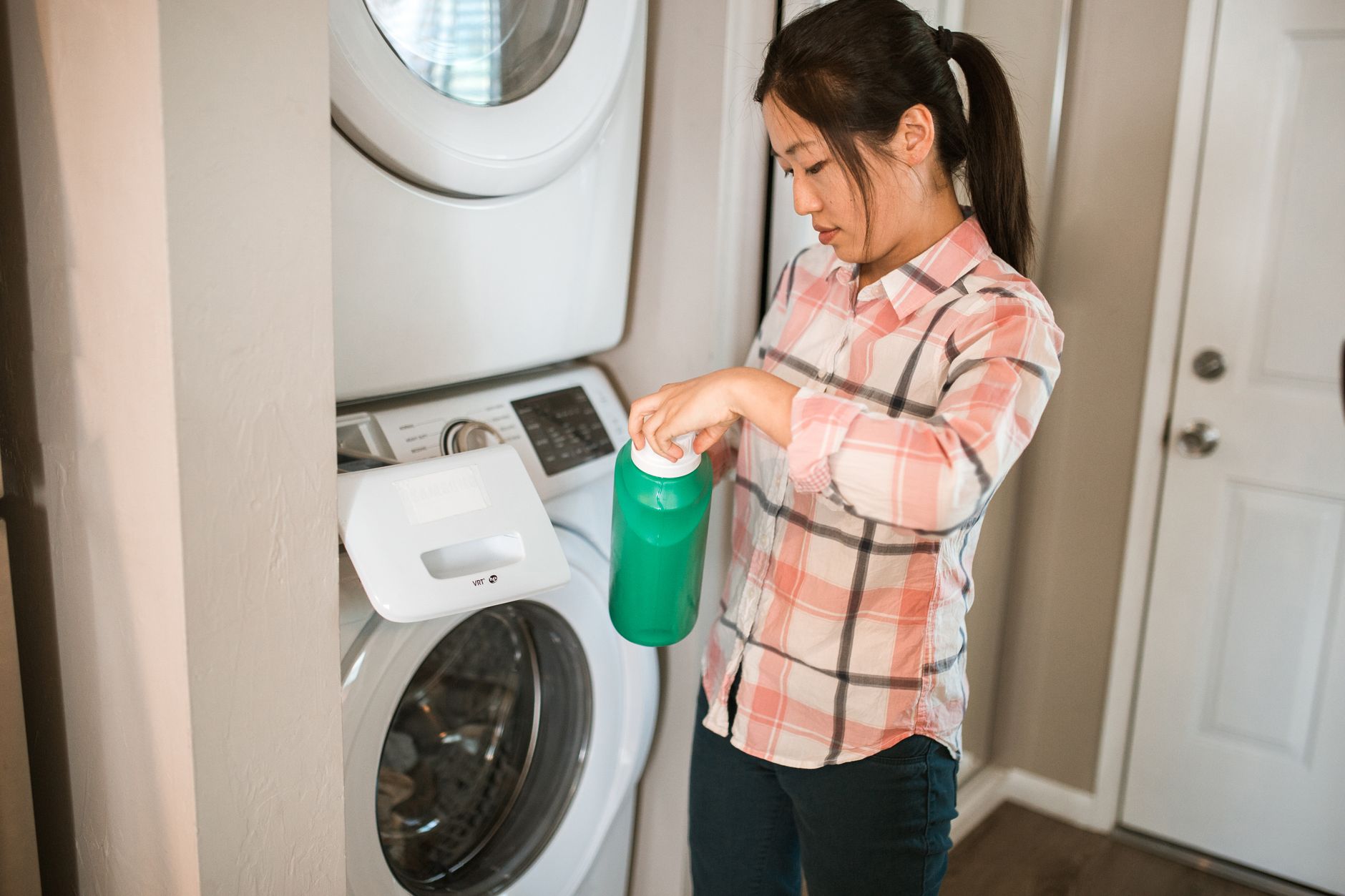
Many conventional laundry detergents contain trace amounts of 1,4-dioxane, formaldehyde-releasing preservatives, and synthetic fragrances that have been linked to an increased risk of cancer. While regulatory limits have tightened significantly as of 2026, consumers must remain vigilant by identifying specific "hidden" byproducts and choosing products with third-party verified non-toxic certifications.
Exposure to potentially carcinogenic compounds in laundry products occurs through two primary pathways: dermal absorption from residue left on clothing and inhalation of volatile organic compounds (VOCs) released during the washing and drying cycles. As we navigate the consumer landscape in 2026, understanding the chemistry behind these products is essential for maintaining a healthy home environment.
The Primary Chemical Concerns in Modern Detergents
The link between laundry detergents and cancer risk is rarely about a single "poisonous" ingredient used intentionally. Instead, it involves a complex mixture of manufacturing byproducts, preservatives designed to extend shelf life, and complex fragrance bouquets. To protect your household, it is necessary to look beyond the marketing claims of "natural" or "clean" and understand the specific chemical entities at play.
1,4-Dioxane: The Invisible Byproduct
1,4-Dioxane remains the most significant concern in the detergent industry. Unlike other ingredients, 1,4-dioxane is not added to detergents intentionally; it is a byproduct of a process called ethoxylation. In this process, ethylene oxide is added to harsh cleaning agents to make them milder on the skin. This creates surfactants like Sodium Laureth Sulfate (SLES).
The Environmental Protection Agency (EPA) has classified 1,4-dioxane as a "likely human carcinogen." Because it is a byproduct and not an ingredient, it is almost never listed on the product label. By 2026, several states, led by New York, have implemented strict limits on 1,4-dioxane (limiting it to 1 part per million in finished products), but products manufactured for other regions or older stock may still contain higher concentrations.
Formaldehyde and Formaldehyde Releasers
Formaldehyde is a well-established human carcinogen according to the International Agency for Research on Cancer (IARC). While you won't see "formaldehyde" on a detergent bottle, many brands use "formaldehyde releasers" as preservatives. These chemicals slowly decompose over time to release small amounts of formaldehyde gas to prevent bacterial growth in the bottle.
Common formaldehyde releasers include:
- DMDM hydantoin
- Imidazolidinyl urea
- Diazolidinyl urea
- Quaternium-15
- Sodium hydroxymethylglycinate
Chronic exposure to these low levels of formaldehyde through laundry can contribute to cumulative cancer risk, particularly respiratory and skin-related malignancies.
Synthetic Fragrances and Phthalates
The term "fragrance" or "parfum" on a label can represent a mixture of hundreds of undisclosed chemicals. Many synthetic fragrances contain phthalates, which serve as fixatives to make the scent last longer on your clothes. Phthalates are known endocrine disruptors. Research suggests that disrupting the endocrine system can increase the risk of hormone-sensitive cancers, such as breast and testicular cancer.
Furthermore, synthetic musks and certain VOCs found in fragrances can react with ozone in the air to create secondary pollutants, including formaldehyde, further increasing the toxic load within the home.
Regulatory Landscape and Legal Limits in 2026
As of 2026, the regulatory environment surrounding laundry detergents has shifted toward higher transparency, yet significant loopholes remain. The federal government and various state legislatures have taken different approaches to managing carcinogenic risks in household products.
State-Level Restrictions
New York State's pioneering legislation regarding 1,4-dioxane served as a catalyst for industry-wide change. By the start of 2026, the limit for 1,4-dioxane in household cleansing products in New York is strictly enforced at 1 ppm (part per million). This has forced major manufacturers to reformulate their flagship products, such as Tide and Gain, to meet these standards. However, because these laws are state-specific, there is a "patchwork" of safety where consumers in states without such regulations may still be purchasing versions of products with higher contaminant levels.
The EPA’s Toxic Substances Control Act (TSCA)
The EPA has continued its assessment of 1,4-dioxane under the TSCA. In recent years, the agency has moved toward designating the chemical as a high-priority substance for risk management. This federal oversight is pushing manufacturers toward "vacuum stripping"—a manufacturing step that removes 1,4-dioxane from the surfactant before it is added to the detergent blend. While effective, this process adds cost, which is often reflected in the premium pricing of verified "clean" detergents in 2026.

How to Identify High-Risk Products
Identifying detergents that may raise cancer risk requires a more sophisticated approach than simply reading the front of the bottle. Manufacturers often use "greenwashing" tactics, using terms like "eco-friendly" or "plant-based" without addressing the presence of ethoxylated surfactants or formaldehyde releasers.
Identifying Ethoxylated Ingredients
Since 1,4-dioxane isn't listed, you must look for the chemicals that produce it. Avoid any ingredients containing the strings "eth," "oxynol," or "polyethylene glycol (PEG)."
- Sodium Laureth Sulfate (SLES): This is the most common ethoxylated surfactant. Note the "eth" in Laureth. (Sodium Lauryl Sulfate, or SLS, does not produce 1,4-dioxane but can be a skin irritant).
- Ceteareth: Often used as an emulsifier.
- PEGs: Such as PEG-8 or PEG-100.
- Polysorbates: Such as Polysorbate-20 or Polysorbate-60.
Deciphering Fragrance Labels
If a label simply says "Fragrance" without specifying the source or stating "Phthalate-Free," it is best to assume it contains endocrine-disrupting chemicals. In 2026, the most transparent brands list every single component of their scent profile or use essential oils that are clearly identified.
Verification via Third-Party Certifications
The most reliable way to verify the safety of a detergent is through reputable third-party organizations that perform independent laboratory testing.
- EPA Safer Choice: This label signifies that every ingredient has been screened by EPA scientists for human health and environmental safety.
- EWG Verified: The Environmental Working Group sets some of the strictest standards for ingredient transparency and toxicity.
- MADE SAFE: This certification ensures products are made without known carcinogens, behavioral toxins, or endocrine disruptors.
Comparison of Detergent Chemicals and Health Risks
The following table outlines common chemicals found in laundry detergents as of 2026 and their associated health concerns.
| Chemical/Category | Common Label Names | Primary Health Concern | Risk Level |
|---|---|---|---|
| 1,4-Dioxane | (Not listed; look for SLES, PEGs) | Likely human carcinogen (EPA) | High (due to lack of labeling) |
| Formaldehyde Releasers | DMDM Hydantoin, Quaternium-15 | Known human carcinogen (IARC) | Moderate to High |
| Phthalates | Fragrance, Parfum | Endocrine disruption; breast cancer risk | Moderate |
| Optical Brighteners | Fluorescent Brighteners | Skin sensitization; environmental toxicity | Low to Moderate |
| Ethanolamines | DEA, TEA, MEA | Respiratory toxins; potential carcinogens | Moderate |
| Parabens | Methylparaben, Propylparaben | Endocrine disruption | Moderate |
Practical Steps to Minimize Exposure
Reducing your cancer risk from laundry detergents involves more than just switching brands; it requires a change in how you manage the entire laundering process.
1. The Switch to "Free and Clear"
The simplest way to reduce risk is to opt for "Free and Clear" versions of popular detergents. These are typically free of dyes and synthetic fragrances. However, you must still check for ethoxylated surfactants. Even a "Free and Clear" version of a major brand might still contain 1,4-dioxane if it uses Sodium Laureth Sulfate.
2. Implement Extra Rinse Cycles
Carcinogenic residues often remain trapped in the fibers of clothing, especially with high-efficiency (HE) washers that use very little water. Adding an extra rinse cycle can significantly reduce the amount of surfactant residue left on fabrics that touch your skin all day.
3. Avoid Dryer Sheets and Softeners
Fabric softeners and dryer sheets are often more toxic than the detergents themselves. They are designed to coat clothes in a thin layer of chemicals (quaternary ammonium compounds and fragrances) that are meant to stay on the fabric. In 2026, health-conscious consumers are increasingly using wool dryer balls or distilled white vinegar in the rinse cycle as safe, effective alternatives.
4. Improve Laundry Room Ventilation
If you use scented detergents or dryer sheets, the air vented from your dryer contains VOCs. Ensure your dryer is vented properly to the outdoors and never "vent" it indoors to save heat. If you use a ventless (heat pump) dryer, which are more common in 2026, ensure the room has adequate airflow to prevent the buildup of airborne chemicals.
Top-Rated Non-Toxic Alternatives for 2026
If you are looking to replace high-risk detergents, several brands have consistently met the highest safety standards through the mid-2020s.
Branch Basics
Branch Basics uses a concentrated formula that is free from all ethoxylated surfactants and synthetic preservatives. Their focus on human-safe ingredients makes them a top choice for those concerned with long-term cancer risks.
Seventh Generation (Selected Lines)
While Seventh Generation is a large brand, many of their "Free & Clean" products are EPA Safer Choice certified. They have been leaders in pushing for ingredient disclosure, often listing the 1,4-dioxane levels (or the lack thereof) on their technical data sheets.
Molly's Suds
Molly’s Suds utilizes simple, mineral-based ingredients like sodium carbonate and sea salt. By avoiding liquid surfactants altogether in their powder formulas, they eliminate the risk of ethoxylation byproducts.
Tru Earth (Laundry Strips)
Laundry strips have gained massive popularity by 2026 due to their reduced plastic waste. Brands like Tru Earth offer paraben-free and phosphate-free options, though consumers should always check specific strip formulations for ethoxylated alcohols.
Frequently Asked Questions
Does "natural" on a label mean a detergent is cancer-safe?
No. The term "natural" is not legally regulated in the context of laundry detergents. A product can be "plant-derived" but still undergo ethoxylation, resulting in 1,4-dioxane contamination. Always look for specific certifications like "EWG Verified" rather than generic marketing terms.
Can 1,4-dioxane be absorbed through the skin from clothes?
Yes. Studies have shown that 1,4-dioxane can be absorbed through the skin, although the primary route of concern is often inhalation of steam during the washing process or drinking water contaminated by detergent runoff. However, constant skin contact with residue-heavy clothing provides a continuous pathway for low-level exposure.
Why are these chemicals allowed if they are linked to cancer?
Regulatory agencies often set "safe" thresholds based on short-term exposure. The challenge with laundry detergents is cumulative exposure—using the products every week for decades. Furthermore, manufacturing byproducts like 1,4-dioxane were historically ignored because they were not "added ingredients," a loophole that is only now being closed in 2026 through state-level actions.
Are "pods" more dangerous than liquid or powder detergents?
Pods are highly concentrated, meaning they have a high density of surfactants. If a pod uses ethoxylated surfactants, the concentration of 1,4-dioxane in that single pod could be higher than in a standard dose of liquid. Additionally, the plastic coating (polyvinyl alcohol) is a subject of ongoing environmental and health scrutiny in 2026 regarding its breakdown into microplastics.
How can I tell if a fragrance-free detergent is actually safe?
"Fragrance-free" means no fragrance was added. "Unscented" may actually contain masking fragrances to hide the chemical smell of the ingredients. To ensure safety, check the ingredient list for DMDM hydantoin or SLES, as these can still be present in fragrance-free versions.
Final Recommendation
To minimize your risk of exposure to carcinogenic compounds in 2026, the most effective strategy is to transition to a mineral-based powder detergent or a liquid detergent certified by the EPA Safer Choice program. Avoid any products containing Sodium Laureth Sulfate (SLES) or formaldehyde-releasing preservatives like DMDM hydantoin. For the highest level of safety, choose "Fragrance-Free" options and supplement your laundry routine with an extra rinse cycle to ensure all chemical residues are thoroughly removed from your clothing.
Image Gallery
Select an image to open it in a new tab.
Mateo Castillo
Decentralized Finance and E-Payments Strategist
