Managing Interface Endpoints in Modern Software Architecture
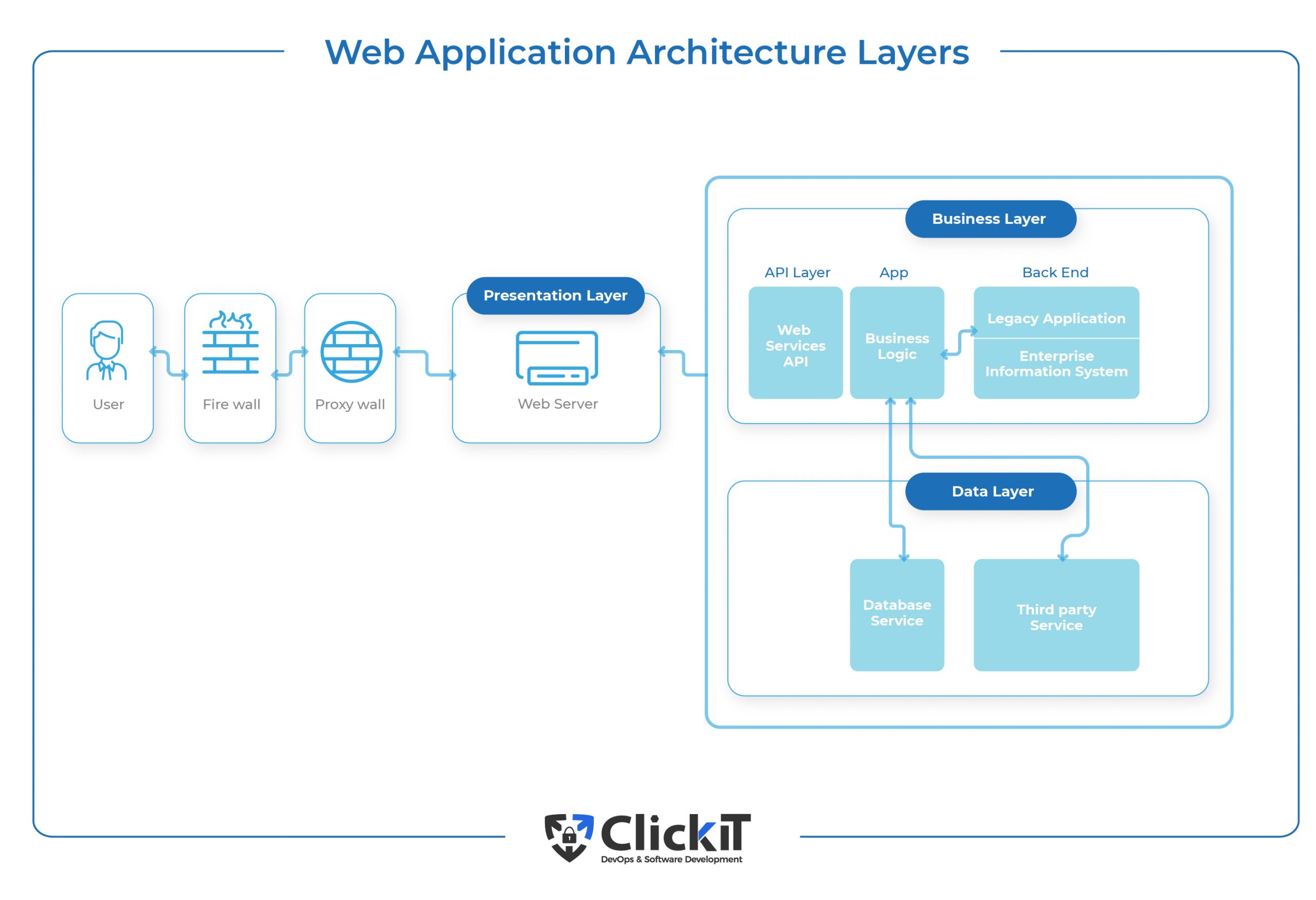
Interface endpoints serve as the definitive contract between distinct software components, acting as the specific digital entry points where services interact, exchange data, and trigger functionality. In a well-architected system, these endpoints define the technical requirements, security protocols, and communication standards necessary for one service to reliably consume the capabilities of another.
Effective management of interface endpoints is foundational to building scalable, maintainable, and secure distributed systems. By clearly defining how data flows across boundaries—whether through RESTful APIs, gRPC services, or message queues—architects can decouple systems, allowing teams to develop, deploy, and scale components independently while maintaining overall system integrity.
The Role of Endpoints in Decoupling
In software architecture, the primary goal of utilizing interface endpoints is the creation of a clear separation between a service’s internal implementation and its external exposure. When a service exposes an endpoint, it publishes a contract—typically defined by a URL, a data schema (such as JSON or Protobuf), and expected request methods.
This contract allows the consuming service to remain entirely agnostic regarding the internal logic of the provider. The provider may change its underlying database, refactor its business logic, or migrate from one programming language to another, provided the interface endpoint remains consistent. This decoupling is essential in microservices architectures, as it prevents cascading failures and allows for granular updates without requiring a complete system-wide redeployment.
Architectural Patterns for Interface Endpoints
Different architectural styles mandate different approaches to how endpoints are constructed and managed. Choosing the right pattern depends heavily on the requirements for latency, consistency, and the nature of the data being exchanged.
RESTful Architectural Style
Representational State Transfer (REST) remains the standard for web-based services due to its statelessness and reliance on standard HTTP verbs. In a RESTful architecture, endpoints represent resources. For example, a GET /users/{id} endpoint provides a clear indication that the consumer is requesting information about a specific user. This predictability makes REST endpoints highly intuitive for developers and easy to cache using standard web infrastructure.
Remote Procedure Call (RPC) and gRPC
While REST focuses on resources, RPC-based architectures focus on actions. gRPC, a high-performance framework developed by Google, uses Protocol Buffers to define strongly typed service contracts. This approach is highly efficient for internal service-to-service communication because it utilizes binary serialization, resulting in smaller payloads and faster parsing compared to text-based formats like JSON.
Asynchronous Event-Driven Endpoints
In event-driven architectures, the "endpoint" is often a topic or a queue rather than a synchronous URL. Instead of waiting for a direct response, a producer publishes an event to an endpoint, and one or more consumers process that event independently. This pattern is critical for handling high-throughput scenarios where immediate consistency is less important than system availability and resilience.

Comparison of Interface Endpoint Technologies
| Technology | Communication Pattern | Data Format | Best Use Case |
|---|---|---|---|
| REST/HTTP | Request-Response | JSON/XML | Public APIs, web frontends |
| gRPC | Request-Response/Stream | Protobuf (Binary) | Internal microservices |
| GraphQL | Query-based | JSON | Flexible client-side data fetching |
| Message Queues | Pub/Sub | Varied | Background tasks, event sourcing |
The Lifecycle of an Endpoint
Managing an endpoint effectively requires a rigorous lifecycle approach that extends from initial design to eventual decommissioning.
Design and Specification
Before writing code, architects must define the interface contract. Using tools like OpenAPI Specification (OAS) or AsyncAPI, teams can document endpoints, including the request structure, response formats, and error codes. Documenting the contract first allows for "contract testing," where the consumer and provider can be tested against the definition before implementation is complete.
Versioning Strategies
Endpoints are dynamic; requirements evolve. To prevent breaking existing clients, versioning is a requirement. Common strategies include:
- URI Versioning: Including the version in the path, such as
/v1/users. - Header Versioning: Specifying the version via a custom HTTP header.
- Media Type Versioning: Using the
Acceptheader to request specific versions of a data structure.
Security and Governance
An exposed endpoint is an exposed vulnerability. Every endpoint must implement authentication (verifying who is calling) and authorization (verifying what they are allowed to do). Beyond access control, rate limiting and throttling should be applied at the gateway level to prevent malicious or accidental abuse that could lead to system-wide downtime.
Common Implementation Pitfalls
Even with a clear strategy, engineering teams frequently encounter issues that undermine the reliability of their interface endpoints.
- Tight Coupling: If a change in the internal database schema forces a change to the external endpoint contract, the system is too tightly coupled. Implementing a Data Transfer Object (DTO) pattern helps isolate internal data structures from the external API contract.
- Ignoring Error Handling: Endpoints often focus on the "happy path." A production-ready endpoint must handle failure states gracefully, providing meaningful error messages and appropriate HTTP status codes (e.g., 404 for missing items, 429 for rate limiting).
- Lack of Monitoring: An endpoint that is technically "up" but returning high-latency or corrupted data is essentially down. Monitoring tools must track not just availability, but also throughput and error rates per endpoint.
Verification and Testing Protocols
Verifying that an endpoint functions as expected requires more than basic unit tests. Robust testing for interface endpoints should include:
- Contract Testing: Validating that the provider and consumer are adhering to the established API definition.
- Integration Testing: Ensuring the endpoint correctly triggers downstream services and interacts with necessary databases.
- Load Testing: Simulating high traffic volumes to determine the breaking point of the endpoint and ensuring the infrastructure can handle concurrent requests.
FAQ: Understanding Software Architecture Endpoints
What is the difference between an API and an endpoint? An API (Application Programming Interface) is the entire collection of services and endpoints that allow two applications to talk to each other. An endpoint is a single, specific digital location within that API where a request is sent.
How do I handle breaking changes in an existing endpoint? The industry standard is to introduce a new version of the endpoint (e.g., /v2/) while maintaining the old one for a transition period. This "side-by-side" deployment allows consumers to migrate to the new version at their own pace without experiencing service interruptions.
Should all endpoints be public-facing? No. Many endpoints in a distributed system should only be accessible within a private network. Using a secure API Gateway allows you to expose only the necessary endpoints to the public internet while keeping sensitive internal interfaces isolated.
What is an API Gateway's role in managing endpoints? An API Gateway acts as a single entry point for a system. It centralizes cross-cutting concerns like authentication, logging, rate limiting, and request routing, so individual microservices do not have to implement these features repeatedly.
Why is documentation critical for interface endpoints? Documentation acts as the "source of truth" for developers. Without up-to-date documentation, developers may misinterpret the expected input/output format, leading to bugs, integration delays, and high technical debt. Tools that auto-generate documentation from code are highly recommended.
Next Steps for Architectural Success
To successfully implement and manage interface endpoints in your architecture, start by centralizing your contract definitions. If you are not already doing so, adopt an "API-first" development approach where the specification is agreed upon and documented before any code is written.
Review your current interface inventory. Identify endpoints that lack clear versioning or sufficient documentation and prioritize them for refactoring. Finally, ensure your monitoring stack is configured to provide granular visibility into the health and performance of every endpoint, rather than relying on high-level service health checks. By treating your endpoints as critical infrastructure rather than simple code functions, you ensure a more resilient and scalable software ecosystem.
Image Gallery
Select an image to open it in a new tab.
Akira Tanaka
International Academic Trends Correspondent
