
Choosing the best robot litter box involves evaluating your cat's size and physical mobility, the cleaning mechanism type, safety sensor reliability, litter compatibility, and ongoing maintenance demands. By prioritizing models with robust anti-pinch sensors, adequate interior capacity, and compatible litter requirements, cat owners can automate waste management safely while reducing daily cleaning tasks.
Understanding How Automatic Robot Litter Boxes Work
Automatic robot litter boxes automate the daily chore of scooping waste by separating soiled litter from clean granules after a cat exits the unit. While all automatic models aim to keep the litter bed clean and reduce odor, their mechanical designs, internal volumes, and waste separation methods vary significantly.
Understanding how different mechanisms operate is the first step toward picking a system that fits your cat’s habits and your household environment.
AUTOMATIC LITTER BOX TYPES
- ROTATING DRUM (GLOBE): Sifts litter during 360° spin
- AUTOMATED RAKE/SCRAPER: Sweeps waste into hidden compartment
- OPEN-TOP TRAY SIFTER: Tilts/conveys litter open-air
Rotating Drum (Globe) Mechanisms
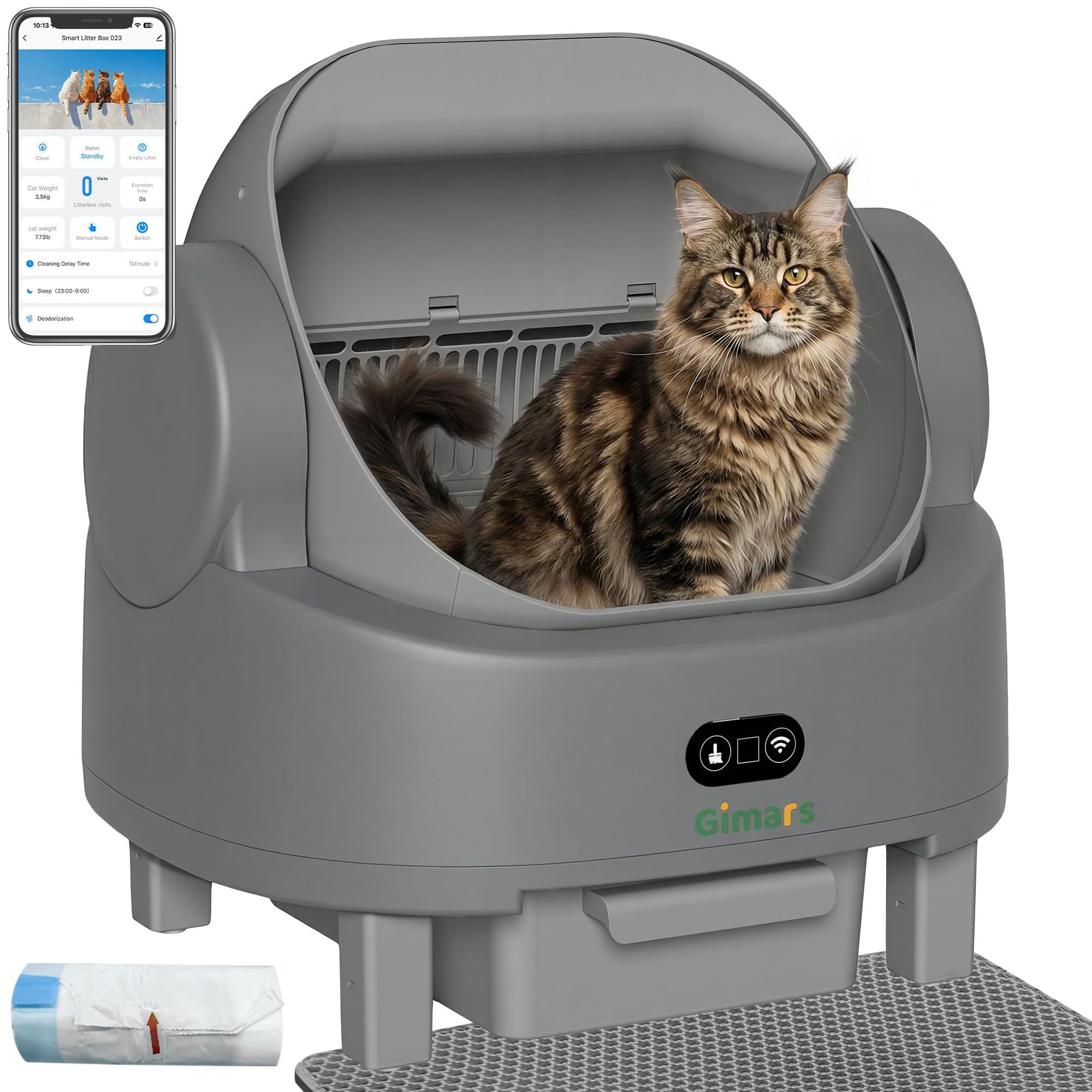
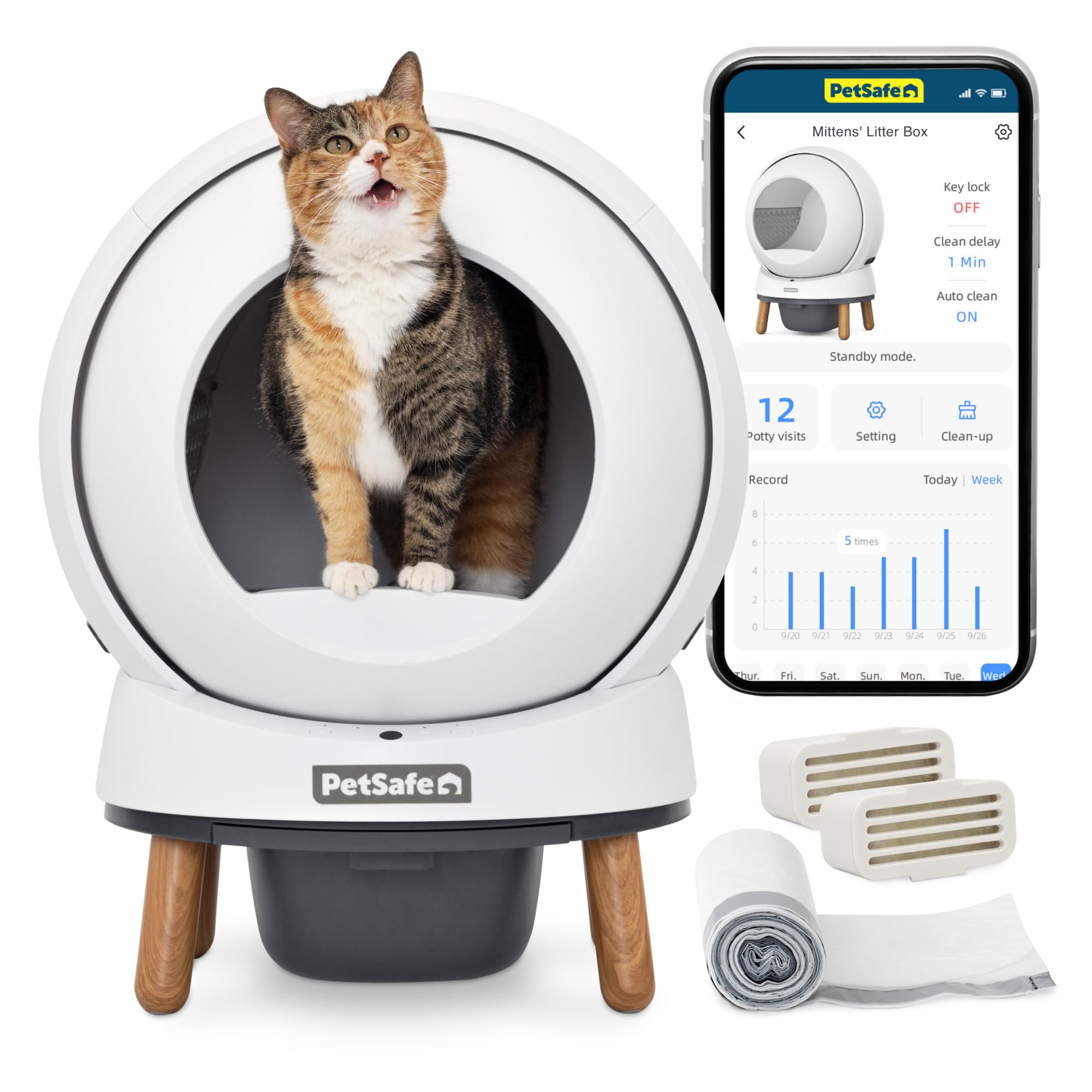
Rotating drum models—often referred to as globe-style litter boxes—are among the most popular design architectures on the market. In these systems, the entire enclosed globe rotates along a central axis several minutes after your cat leaves the box.
As the globe spins, the litter passes through a internal sifting screen:
- Clean litter falls into a reservoir channel for reuse.
- Clumping waste clumps and solid feces are routed through a chute into a sealed waste drawer beneath the unit.
- Reversal spin returns the clean litter back into the bottom basin.
This design keeps the litter bed clean after every use and keeps dogs or curious pets out of the waste bin. However, drum-style units generally require a larger floor footprint and a higher step-entry height, which can pose challenges for elderly or arthritic cats.
Automated Rake and Scraping Systems
Automated rake systems use a horizontal metal or rigid plastic rake to sweep through a flat litter tray. Once an integrated sensor detects that the cat has exited, a timer counts down (typically 5 to 20 minutes) before driving the rake across the bed.
The rake pushes solid waste and liquid clumps into a covered receptacle at one end of the tray. These units frequently feature a traditional rectangular, open-top design, making them less intimidating for cats accustomed to standard litter pans.
The primary trade-off with rake mechanisms involves maintenance: sticky or loose clumps can cling to the tines of the rake, requiring manual cleaning of the mechanical components more frequently than self-contained drum systems.
Open-Top Sifting and Tilting Systems
Open-top sifting systems combine the unobstructed headroom of a traditional litter tray with an automated tilting or conveyor mechanism. Instead of fully enclosing the cat inside a sphere, these models use an open-air basin that tilts or drives an internal sifting floor underneath the litter bed.
Soiled clumps drop into a rear or bottom collection compartment while the clean granules return to the main floor. Open-top designs are ideal for skittish cats, large-breed cats, or multi-cat homes where enclosed spaces lead to territorial stress or poor ventilation.
Essential Features to Evaluate Before Buying
Evaluating self-cleaning litter boxes requires looking beyond smart app features to examine safety, ergonomics, mechanical reliability, and ongoing operational costs.
KEY EVALUATION CHECKLIST
- Safety Sensors (Weight, Motion, Infrared Curtains)
- Entry Height & Interior Volume (Kitten vs. Senior Access)
- Litter Compatibility (Clumping Clay vs. Crystals vs. Tofu)
- Odor Containment (Carbon Filters, Sealed Trapdoors)
- Connectivity (Wi-Fi, Weight Tracking, Waste Alerts)
Safety Sensors and Anti-Pinch Technology
Safety is the most critical evaluation factor when buying any motorized appliance for pets. Modern robot litter boxes rely on redundant sensor arrays to prevent the machine from cycling while a cat is inside or attempting to enter.
Look for models that integrate three layers of protection:
- Load-Cell Weight Sensors: Located in the base of the unit, these sensors detect tiny changes in mass (often down to 0.1 lbs or 50 grams). They pause the cycle instantly if additional weight is applied to the frame.
- Infrared (IR) Motion & Pinch Sensors: Optical curtains placed near the entry threshold or waste chute detect movement or physical obstructions. If a cat pokes its head into the globe mid-cycle, the IR beam breaks and halts rotation immediately.
- Current-Sensing Motor Protections: If a mechanical jam occurs due to an obstruction or packed litter, the control board monitors motor current resistance and cuts power to prevent injury or motor burnout.
Safety Warning: Most weight-based safety sensors require a minimum weight threshold—typically 3 to 4 pounds (1.4 to 1.8 kg)—to detect a pet reliably. Kittens under this weight limit must never be used with an automated box in automatic mode. Keep the unit powered off and scoop manually until the kitten reaches the manufacturer's safe weight threshold.
Cat Size, Weight Limits, and Entry Height
A robot litter box must fit your cat's physical dimensions comfortably:
- Interior Globe Volume: Don't focus solely on the outer machine dimensions. Large breeds (such as Maine Coons, Ragdolls, or Norwegian Forest Cats) need a wide internal sphere—ideally 17 to 20 inches of internal clearance—to turn around and squat without pressing their sides against dirty walls.
- Entry Threshold Height: Standard drum models often feature entry step heights between 12 and 16 inches off the floor. Senior cats, cats with hip dysplasia, or those recovering from surgery may struggle to hop into elevated openings. Look for models with low entry steps (under 9 inches) or pair high-step models with a matching ramp.
Litter Type Compatibility
Not all automatic litter boxes work with every litter material. Using the wrong litter type causes jams, poor separation, excess dust, or sensor failure.
- Clumping Clay Litter: The standard choice for rotating drum models. Hard, fast-clumping sodium bentonite clay forms tight clumps that pass cleanly over sifting screens without breaking apart or smearing against globe walls.
- Silica Gel Crystals: Best suited for specific rake systems (such as tray-based rake boxes). The crystals absorb moisture instantly while the rake sweeps solid feces into a covered trap. drum systems generally cannot sift loose non-clumping silica crystal effectively.
- Natural Litters (Tofu, Corn, Wheat, Wood): Natural litters vary in grain size and weight. Pelletized tofu or long pine strands can catch on internal sifting grates, causing clean litter to dump into the waste bin prematurely. If you prefer natural litters, choose micro-granule formulations specifically labeled safe for automatic sifting boxes.
Waste Drawer Capacity and Odor Control
A key benefit of a self-cleaning litter box is reducing daily scooping duties down to weekly drawer emptying. However, effective waste containment depends on how well the collection system prevents odors from leaking into your home.
Evaluate the drawer design for:
- Sealed Gaskets and Trapdoors: High-quality units feature rubber gasket seals around the waste receptacle drawer and spring-loaded flap doors over the chute that open only when waste is actively dropping.
- Carbon and HEPA Filtration: Air vents around the waste drawer should accommodate thick activated-carbon pads or replaceable filter cartridges to neutralize ammonia and volatile odor compounds.
- Standard Bag Compatibility: Some systems require expensive, proprietary custom plastic liners, while others allow you to use standard 8- to 13-gallon kitchen trash bags, significantly lowering long-term operating costs.
Connectivity and Smart Features
Many modern units incorporate Wi-Fi connectivity and smartphone apps. While smart connectivity is not strictly required for litter box operation, it offers valuable health monitoring insights:
- Usage Tracking: App logging records how frequently your cat uses the box daily. Sudden increases in usage frequency can alert you early to potential feline lower urinary tract disease (FLUTD), cystitis, or diabetes.
- Weight Monitoring: Integrated load cells weigh your cat during each visit and chart their body weight over time.
- Waste Drawer Levels: Optical sensors monitor drawer capacity, sending push notifications to your phone when the bin is full or when litter levels run low.
Comparing Automatic Litter Box Technologies
To help you decide which structural design fits your pet and home best, the following table compares the three major automatic litter box architectures across primary performance factors:
| Feature / Criteria | Rotating Drum (Globe Style) | Automated Rake System | Open-Top Sifting System |
|---|---|---|---|
| Primary Cleaning Method | 360° Globe Rotation & Sifting Screen | Linear Motorized Rake Sweep | Tilting Chassis or Conveyor Floor |
| Optimal Litter Type | Clumping Clay (Micro-granules) | Silica Gel Crystals / Hard Clay | Clumping Clay, Small Natural Granules |
| Cat Acceptance Rate | Moderate (Enclosed design can intimidate some cats) | High (Open-top feels natural to traditional pans) | High (Unobstructed vertical space and air flow) |
| Senior / Arthritic Accessibility | Low to Moderate (Requires ramp for high steps) | High (Low entry pan thresholds) | Moderate to High (Varies by base design) |
| Odor Containment | Excellent (Sealed lower base drawer) | Moderate (Waste receptacle cover at tray edge) | Good (Bottom drawer with carbon filter) |
| Deep Cleaning Difficulty | Moderate (Globe disassembly required) | Easy to Moderate (Tray replacement / rake wipe) | Easy (Removable top walls and basin) |
| Footprint Requirements | Large Vertical & Horizontal Space | Long Horizontal Space (Deep tray) | Medium to Large Horizontal Space |
Step-by-Step Selection Guide for Your Household
Follow this four-step decision path to narrow down the ideal unit for your specific cat and living environment.
SELECTION DECISION PATH
- STEP 1: Count & Weigh Cats: Determine capacity & safe limits
- STEP 2: Measure Home Space: Check power outlet & floor area
- STEP 3: Compare Total Cost: Include bags, filters, & litter
- STEP 4: Plan Transition: Acclimate skittish cats slowly
Step 1: Count and Weigh Your Cats
- For Single-Cat Homes: A standard waste drawer capacity (3–4 liters) usually holds 7 to 10 days of waste before requiring an empty.
- For Multi-Cat Homes (3+ Cats): Look for units featuring high-capacity waste bins (8–10 liters), rapid cycle turnaround times, and app profiles that support individual cat detection based on weight differentials.
- Verify Weights: Ensure all cats meet the baseline weight threshold for automatic sensor triggering (usually 3.5 lbs minimum).
Step 2: Assess Physical Space and Outlet Proximity
Automatic litter boxes require continuous electrical power. Measure your intended installation spot before purchasing:
- Verify there is a grounded AC outlet within 5 to 6 feet of the unit without placing cords across high-traffic walkways where pets might chew them.
- Ensure adequate clearance overhead and around the sides. Globe models require up to 30 inches of height and 27 inches of depth to rotate without hitting walls or cabinet overhangs.
- Place the machine on a hard, flat surface (tile, hardwood, or low-pile laminate). Soft carpets cushion weight sensors and cause false weight readings, disabling safety features or cycle triggers.
Step 3: Calculate Long-Term Cost of Ownership
The purchase price of the machine represents only part of the overall investment. Factor in recurring consumables:
- Proprietary Liners vs. Standard Bags: Proprietary drawer liners can cost $0.50 to $1.00 per bag, adding $30 to $60 per year, whereas standard trash bags cost cents per unit.
- Litter Consumption: Automated sifting reduces litter waste compared to manual scooping by keeping unsoiled granules clean longer. However, units requiring specific crystal cartridge trays carry higher monthly media replacement costs.
- Filter Replacements: Carbon air filters and odor absorber packs typically require replacement every 30 to 60 days.
Step 4: Execute a Smooth Transition Strategy
Cats are creatures of habit, and sudden changes in their bathroom setup can cause stress or house-soiling.
- Place the New Box Alongside the Old One: Position the robot litter box next to the old manual litter pan in the same room.
- Leave It Unpowered Initially: Keep the new unit turned off for the first 2–5 days. Allow your cat to explore, sniff, and step inside without the noise of motor rotation.
- Transfer Scent: Move a scoop of used, scented litter from the old box into the new automated tray to help your cat identify it as their bathroom.
- Stop Scooping the Old Box: Let the old manual pan become dirty while keeping the new automatic box fresh. Cats naturally prefer clean litter beds and will switch on their own.
- Remove the Old Box: Once your cat uses the robot box consistently for 3 to 5 consecutive days, remove the manual pan entirely and turn on automatic cycling.
Common Pitfalls and Troubleshooting Tips
Even high-performance robot litter boxes require occasional troubleshooting. Avoiding common operational mistakes ensures reliable performance and keeps safety systems working properly.
| Issue | Solution |
|---|---|
| False Weight / Sensor Errors | Move off carpet; reset/tare load cells on hard floor. |
| Sticky Clumps on Interior Walls | Extend cycle delay timer; switch to fast-clumping clay. |
| Litter Dumping into Waste Bin | Reduce litter fill height below max line; check grid. |
Sensor Faults and Tare Calibration Issues
If your automatic box blinks error codes or stops mid-cycle, the underlying cause is frequently related to sensor calibration.
- Carpet Placement: Never place a load-cell base on soft rugs, plush carpet, or uneven tile grout lines. Soft surfaces damp motor vibrations and absorb weight, preventing the sensors from zeroing out (taring) properly.
- Leaning Against Furniture: Ensure no walls, power cords, or cat trees touch the outer frame of the litter box, as physical contact distorts weight readings.
- Manual Reset: Perform a manual system reset (power cycle or tare button press) every time you add fresh litter or empty the waste drawer.
Sticky Clumps and Wall Smearing
If liquid urine sticks to the interior rubber liner of a globe drum or smears along sifting screens:
- Increase Cycle Delay Time: Extend the cleaning delay timer from 3 or 5 minutes up to 15 minutes. This gives slower-clumping litters time to dry completely into firm masses before the globe spins.
- Check Litter Fill Level: Never fill litter above the raised max-fill line inside the globe. Overfilling overburdens the motor and forces excess litter across the sifting screen during rotation, causing spills and jams.
- Apply Non-Stick Spray: Wipe clean, dry rubber globe liners with a food-safe silicone spray or dedicated litter box non-stick coating during deep cleaning to minimize adhesion.
Maintenance and Long-Term Care Routine
Regular maintenance extends the lifespan of your robot litter box and prevents bacteria and odorous biofilms from building up in internal components.
Weekly Maintenance Checklist
- Check Waste Drawer Level: Empty the collection drawer bag before waste piles high enough to touch the bottom of the globe or block the infrared sensor windows.
- Inspect Litter Bed Level: Replenish clean clumping litter to maintain levels between the minimum and maximum lines.
- Wipe Sensor Windows: Use a dry microfiber cloth to wipe dust off optical infrared sensors located around the waste chute or entryway threshold.
Monthly Deep Cleaning Steps
- Power Down and Unplug: Turn off the power switch and disconnect the main power adapter from the wall outlet.
- Empty All Litter: Initiate a dump cycle or manually pour remaining litter out of the main globe or tray into a disposal bag.
- Disassemble Removable Parts: Detach the upper globe bonnet, interior drum, and waste drawer from the main electrical base unit. Never submerge or spray water onto the bottom electrical base containing the motor and circuit board.
- Wash Non-Electrical Components: Wash the globe basin, rubber liner, waste drawer, and plastic ramps using warm water and a mild cat-safe detergent or enzymatic cleaner. Avoid harsh chemical cleaners such as bleach or ammonia, which leave strong odors that repel cats.
- Dry Completely: Allow all washed components to air-dry thoroughly before reassembling. Trapped moisture inside the globe will cause fresh clumping litter to paste against the interior walls immediately upon refill.
- Reassemble and Tare: Reattach all components, fill with fresh litter up to the fill line, plug in the power cord, and press the reset button to recalibrate the weight sensors.
Frequently Asked Questions
Can I use a robot litter box for multiple cats?
Yes, most automatic litter boxes work well for multi-cat households. One automated unit can typically handle the daily waste of 2 to 3 average-sized adult cats because it cleans the litter bed after every use. However, if you have more than 3 cats, you may need a second unit or a model with an oversized waste drawer to prevent needing daily drawer emptying.
Are automatic litter boxes safe for small kittens?
Automatic litter boxes are safe for kittens only when operated in manual mode (powered off or set to manual cycle mode). Most automatic safety sensors rely on load-cell weight detectors that require a cat to weigh at least 3 to 4 pounds (1.4 to 1.8 kg) to trigger the safety shut-off reliably. Kittens under this weight threshold could get trapped if the machine cycles while they are inside.
How often do I need to empty the waste drawer?
For a single-cat household, a typical waste drawer requires emptying once every 7 to 10 days. In a two-cat household, you will generally need to empty the drawer every 3 to 5 days. Actual frequency depends on your cats' diet, urine production, and the total volume capacity of the specific model's waste receptacle.
What happens if the power goes out while my cat is inside?
If power cuts out, the motor stops running immediately. The unit will remain motionless in its current position until power is restored. Because the entry portal remains unobstructed in standard resting positions, your cat can simply step out of the box safely. High-end models also offer optional backup battery accessories that keep the safety sensors and cleaning cycles operational during power outages.
Why does my cat refuse to use the automatic litter box?
Cats often reject automatic boxes because of unfamiliar motor noises, dynamic movement during test cycles, or an enclosed shape that feels restrictive. To solve this, turn the machine completely off during the introduction phase, place a small amount of dirty litter from their old box inside to provide a familiar scent, and keep the unit unpowered until your cat uses it consistently.
Practical Recommendation for Buyers
When selecting a robot litter box, start by measuring both your available floor space and your cat’s weight and age. If you have an adult cat weighing over 4 pounds with no physical mobility issues, a rotating drum system offers excellent odor control and long waste drawer life. If you have a senior cat, a large-breed cat over 15 pounds, or a pet that resists enclosed covers, prioritize an open-top automatic sifting or tray system with a low entry height.
Always place your chosen unit on a hard, level floor within reach of a wall outlet, keep the cycle timer long enough for tight clump formation, and operate the unit manually until young kittens reach the manufacturer's safe weight threshold.
Image Gallery
Select an image to open it in a new tab.


Ingrid Bjornson
Global Cyber Policy and Regulation Analyst
