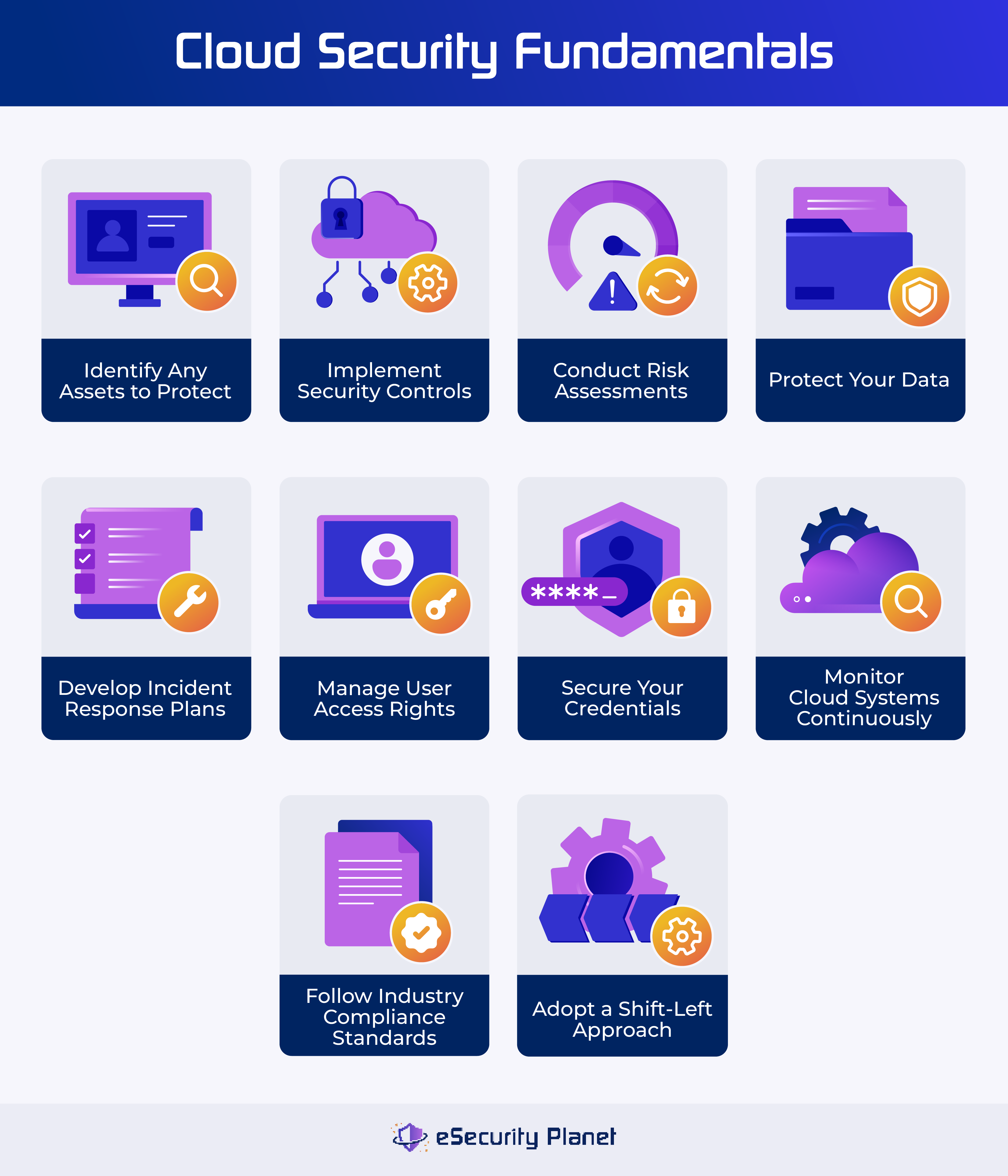
Understanding the fundamentals of cyber security involves mastering the core principles of protecting systems, networks, and data from unauthorized access or malicious attacks. By implementing the CIA triad—Confidentiality, Integrity, and Availability—individuals and organizations can establish a robust framework to mitigate risks, secure sensitive information, and ensure operational resilience against an evolving landscape of digital threats.
The Core Pillars: The CIA Triad
The foundation of modern cyber security rests upon three fundamental principles, collectively known as the CIA triad. These concepts serve as the benchmark for every security policy and technical control implemented within an organization.
- Confidentiality: This principle ensures that sensitive information is accessible only to authorized individuals. Unauthorized disclosure is prevented through techniques like encryption, access control lists (ACLs), and multi-factor authentication (MFA). The goal is to keep private data private, whether it is in transit or at rest.
- Integrity: Integrity ensures that data remains accurate, complete, and trustworthy throughout its lifecycle. It prevents unauthorized modification or tampering. Measures such as cryptographic hashing, digital signatures, and version control systems are used to verify that information has not been altered by unauthorized parties or system errors.
- Availability: Even the most secure system is useless if users cannot access it when needed. Availability ensures that hardware, software, and data are functional and accessible to authorized users. This is maintained through redundant hardware, reliable power backups, disaster recovery plans, and protection against Distributed Denial of Service (DDoS) attacks.
Threat Landscapes and Vectors
To defend a system, one must understand how it is attacked. Cyber security is not just about installing software; it is about recognizing the methods adversaries use to infiltrate environments.
Common Threat Actors:
- Cybercriminals: Motivated primarily by financial gain, these actors deploy ransomware, phishing scams, and credit card theft.
- State-Sponsored Actors: These highly sophisticated groups aim for espionage, disruption of critical infrastructure, or political influence.
- Insiders: These are individuals within an organization—employees or contractors—who have authorized access but use it maliciously or accidentally to compromise security.
- Script Kiddies: Less sophisticated individuals who use pre-written tools and scripts to launch attacks, often without fully understanding the underlying mechanics.
Primary Attack Vectors:
- Phishing: Deceptive communications designed to trick individuals into revealing credentials or downloading malware.
- Malware: An umbrella term for malicious software, including viruses, worms, Trojans, and ransomware, designed to damage or gain control over a system.
- Man-in-the-Middle (MitM) Attacks: Where an attacker intercepts communication between two parties to steal or alter information.
- SQL Injection: Exploiting vulnerabilities in web applications to interact directly with the underlying database, often leading to data exfiltration.
The Defense-in-Depth Strategy
Relying on a single security measure is a fundamental mistake. A robust security posture requires "Defense-in-Depth," which involves layering multiple security controls so that if one fails, others are in place to stop the attack.
| Control Layer | Description | Practical Implementation |
|---|---|---|
| Physical | Protecting the physical hardware and location. | Biometric locks, CCTV, secure server rooms. |
| Technical | Hardware and software controls. | Firewalls, antivirus, encryption, MFA. |
| Administrative | Policies, procedures, and training. | Security awareness training, incident response plans. |
| Network | Protecting the communication paths. | VPNs, VLAN segmentation, intrusion detection systems (IDS). |
Establishing a Security Baseline
Before deploying advanced defenses, organizations must establish a baseline. This involves identifying what needs to be protected, where it is stored, and who has access to it. Asset management is critical; you cannot protect what you do not know exists. Once assets are identified, administrators must apply the principle of "Least Privilege," ensuring that users have the minimum level of access required to perform their jobs. Reducing the attack surface—by disabling unnecessary services, ports, and software—is a foundational step in hardening any system.
The Role of Incident Response
Despite the best preventative measures, breaches occur. An effective cyber security strategy requires a prepared incident response (IR) plan. This plan outlines the specific actions to be taken when a security event is detected.
- Preparation: Training the IR team and setting up tools for monitoring and detection.
- Detection and Analysis: Identifying the scope of the incident, how it occurred, and what systems are affected.
- Containment: Limiting the damage by isolating affected systems from the network.
- Eradication: Removing the root cause, such as cleaning malware or patching the vulnerability that allowed entry.
- Recovery: Restoring systems to normal operation and monitoring for signs of re-infection.
- Post-Incident Activity: Documenting lessons learned to improve defenses for future incidents.
Regulatory Compliance and Ethics
In 2026, the regulatory environment is increasingly strict. Laws such as the General Data Protection Regulation (GDPR) in Europe and various sector-specific frameworks in the United States, such as HIPAA for healthcare and SOX for financial reporting, dictate how data must be handled. Compliance is not merely a legal requirement; it is a fundamental aspect of trust. Organizations must maintain rigorous documentation and perform regular audits to verify that their technical controls match their stated security policies.
Frequently Asked Questions
What is the difference between cyber security and information security? Information security (InfoSec) is the broader discipline of protecting data in any form, including physical records. Cyber security is a subset of InfoSec focused specifically on protecting digital information and systems connected to networks.
Why is multi-factor authentication (MFA) considered essential? MFA adds a layer of defense beyond just a password. Even if an attacker steals your password, they cannot access the account without the second factor, such as a biometric scan or a time-sensitive code from an authentication app, significantly reducing the risk of unauthorized entry.
What should I do if I suspect a security breach? Immediately isolate the affected device from the network to prevent the spread of malware. Then, notify your IT or security department or follow your organization’s formal incident response plan. Do not attempt to reboot or "fix" the system until you have sought professional guidance, as you might destroy forensic evidence.
How does encryption protect data? Encryption uses mathematical algorithms to transform readable data (plaintext) into an unreadable format (ciphertext). Only users with the correct decryption key can turn the data back into plaintext, ensuring that even if data is intercepted, it remains unreadable.
How often should an organization perform security training? Security training should be an ongoing process, not a one-time event. Organizations should conduct formal training annually, supplement it with quarterly refreshers, and use phishing simulations to test employee awareness throughout the year.
Practical Next Steps
To begin securing your digital environment, start with the "Basics for Everyone" checklist. First, enable MFA on all accounts that support it. Second, ensure that all software, operating systems, and firmware are updated with the latest security patches. Third, establish a robust backup protocol, following the 3-2-1 rule: keep three copies of your data, on two different media, with one copy stored off-site. For organizations, the next step is conducting a professional risk assessment to identify vulnerabilities specific to your industry and infrastructure. Cyber security is an iterative process; maintain vigilance, stay informed about emerging threats, and treat security as a cultural requirement rather than a one-time configuration task.

Image Gallery
Select an image to open it in a new tab.
Lars Thomsen
Global Labor Markets and Economic Strategy Editor
