Lou Costello: The Comic Legend Who Defined Physical Comedy

Lou Costello, alongside his partner Bud Abbott, became one of the most successful, influential, and universally recognized comedy duos of the 20th century. Renowned for his rubber-faced expressions, lightning-fast physical slapstick, high-pitched vocal delivery, and the iconic "Who's on First?" routine, Costello anchored an empire of film, radio, and television that continues to shape modern sketch comedy and entertainment history.
The Origins of a Natural Entertainer
Born Louis Francis Cristillo on March 6, 1906, in Paterson, New Jersey, Lou Costello grew up immersed in a working-class Italian-American family. From an early age, he exhibited an exceptional flair for performance, heavily influenced by silent film icons like Charlie Chaplin. His youth was marked by a passion for athletics—he was an accomplished boxer and basketball player—which gave him the extraordinary physical coordination, stamina, and spatial awareness that would later define his high-energy slapstick routines on stage and screen.
Costello’s journey into the entertainment industry was not instantaneous. Eager to break into the movies, he hitchhiked to Hollywood as a young man, initially finding work as an extra and stunt double. However, the demanding nature of the film industry and the lack of steady opportunities forced him to return to the East Coast, where he transitioned into burlesque. Working as a solo comic in burlesque theaters allowed him to hone his timing, master the art of working a live audience, and develop the frantic, endearing persona that would make him a household name.
The Formation of Abbott and Costello
The defining turning point in Costello's career occurred in the mid-1930s when he began working with Bud Abbott. Abbott, a charismatic and sharp-witted straight man, served as the ideal anchor to Costello's chaotic, bumbling innocent. Their professional partnership solidified organically on the burlesque and vaudeville circuits, where they perfected the classic "straight man and funny man" dynamic.
Their big break arrived on the radio in 1938 when they appeared on The Kate Smith Hour. Their undeniable chemistry and rapid-fire banter resonated immediately with listeners, leading to a permanent spot on the program and subsequent national syndication. This radio success quickly caught the attention of Universal Pictures, which signed the duo to a film contract in 1940, catapulting them from regional stage acts into global cinematic superstars.
Master of the Craft: Style, Persona, and Technique
Lou Costello’s comedic style was a masterclass in controlled chaos. While many comedians relied solely on verbal wit, Costello integrated his entire body into his humor. His performances relied on a precise blend of physical vulnerability, exaggerated panic, and childlike innocence. Whether he was being chased by a monster, tangled in telephone cords, or outsmarted by a prop, Costello sold every gag with absolute commitment.
A cornerstone of his performance technique was the juxtaposition between his physical appearance and his acrobatic agility. Though stoutly built, Costello possessed the reflexes of a dancer. He could execute pratfalls, take pies to the face, and stumble through complex physical gags without missing a comedic beat. His signature catchphrases, such as "Hee-hee-hee! Oh, Abbott!" and expressions of utter exasperation, became embedded in American popular culture.
The Anatomy of "Who's on First?"
No discussion of Lou Costello is complete without examining "Who's on First?", arguably the most famous comedy routine in history. First performed nationally on radio in 1938 and later embedded in films like The Naughty Nineties (1945), the sketch is a masterwork of linguistic timing and escalating frustration.
- The Premise: Abbott explains the roster of a baseball team whose players have peculiar nicknames, such as "Who" (first base), "What" (second base), and "I Don't Know" (third base).
- The Conflict: Costello attempts to understand the lineup, but the dialogue devolves into a circular, logic-defying argument driven entirely by homophones and misunderstandings.
- The Execution: The brilliance of the routine lies in Costello’s gradual descent into madness. His mounting disbelief and frantic pacing play against Abbott’s calm, unyielding delivery, creating a dynamic that remains unmatched in comedic structure.
In 1956, a recording of "Who's on First?" was even inducted into the Baseball Hall of Fame, cementing the routine's status as a cultural artifact beyond mere entertainment.

Cinematic Dominance and World War II Era
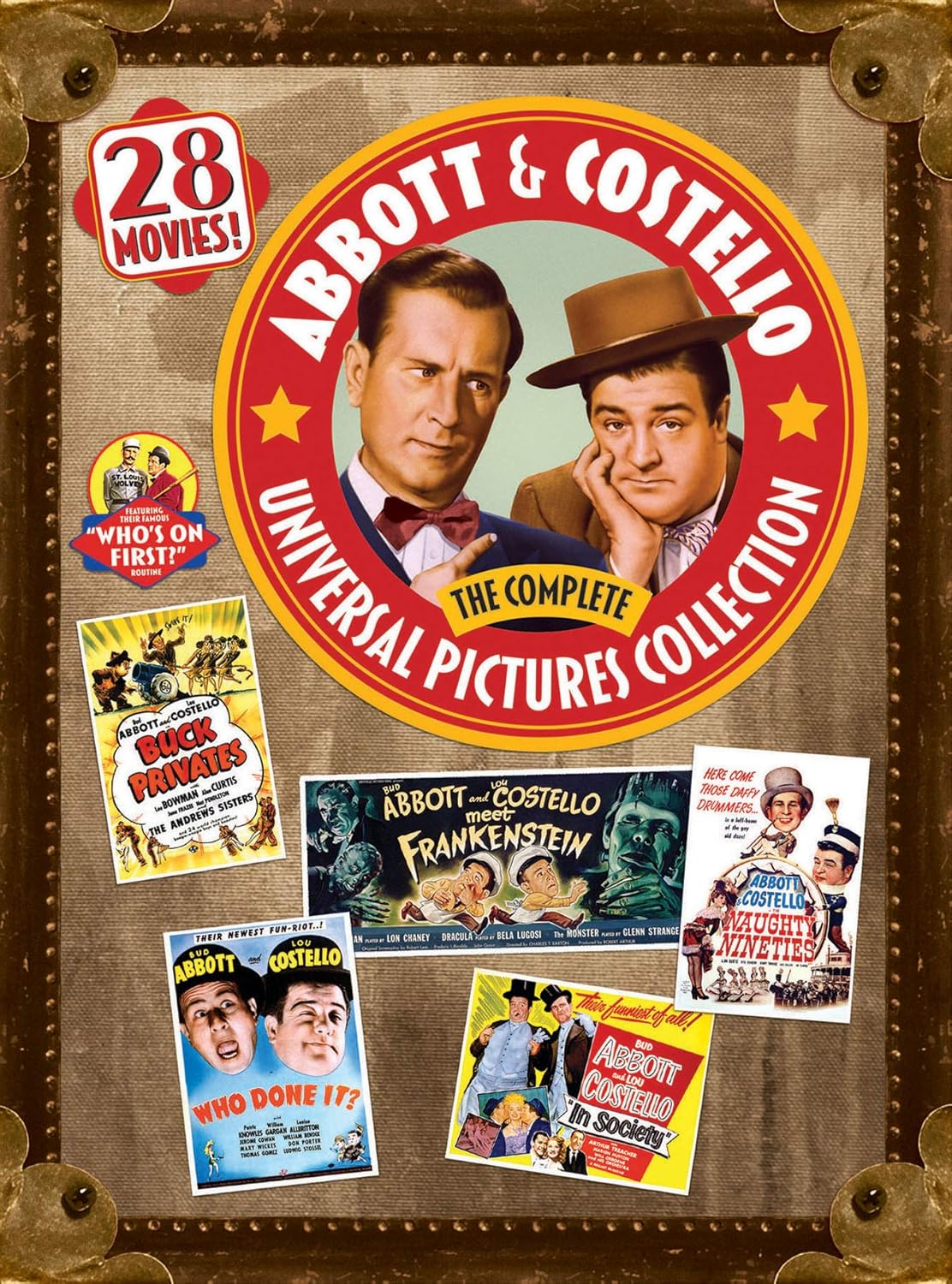
During the 1940s, Abbott and Costello were among the most lucrative box-office draws in the world, frequently out-earning dramatic heavyweights and keeping Universal Pictures financially afloat during turbulent economic periods. Their films blended slapstick comedy with genre elements, ranging from service comedies set during World War II to supernatural monster mashups.
Key Film Milestones
The duo's filmography established templates that modern comedy films still follow today. They capitalized on current events, military morale, and popular cinematic tropes, infusing them with their signature brand of physical humor.
| Film Title | Year | Genre / Significance |
|---|---|---|
| Buck Privates | 1941 | Service comedy that propelled them to superstardom and introduced musical numbers. |
| Hold That Ghost | 1941 | Early foray into spooky-house comedy, setting the stage for later monster pairings. |
| Abbott and Costello Meet Frankenstein | 1948 | Critical masterpiece combining horror icons (Dracula, Frankenstein's Monster, the Wolf Man) with slapstick. |
| Africa Screams | 1949 | Independent venture featuring classic safari slapstick alongside dramatic supporting actors. |
| Abbott and Costello Meet the Invisible Man | 1951 | Utilized pioneering special effects alongside physical comedy beats. |
Abbott and Costello Meet Frankenstein stands out as a critical high point. Rather than mocking the classic Universal monsters, the film played the horror elements straight, creating a brilliant contrast with Costello’s panicked, cowardly reactions. This formula proved so successful that subsequent films paired them with the Mummy, Dr. Jekyll and Mr. Hyde, and Captain Kidd.
Transition to Television and Later Career
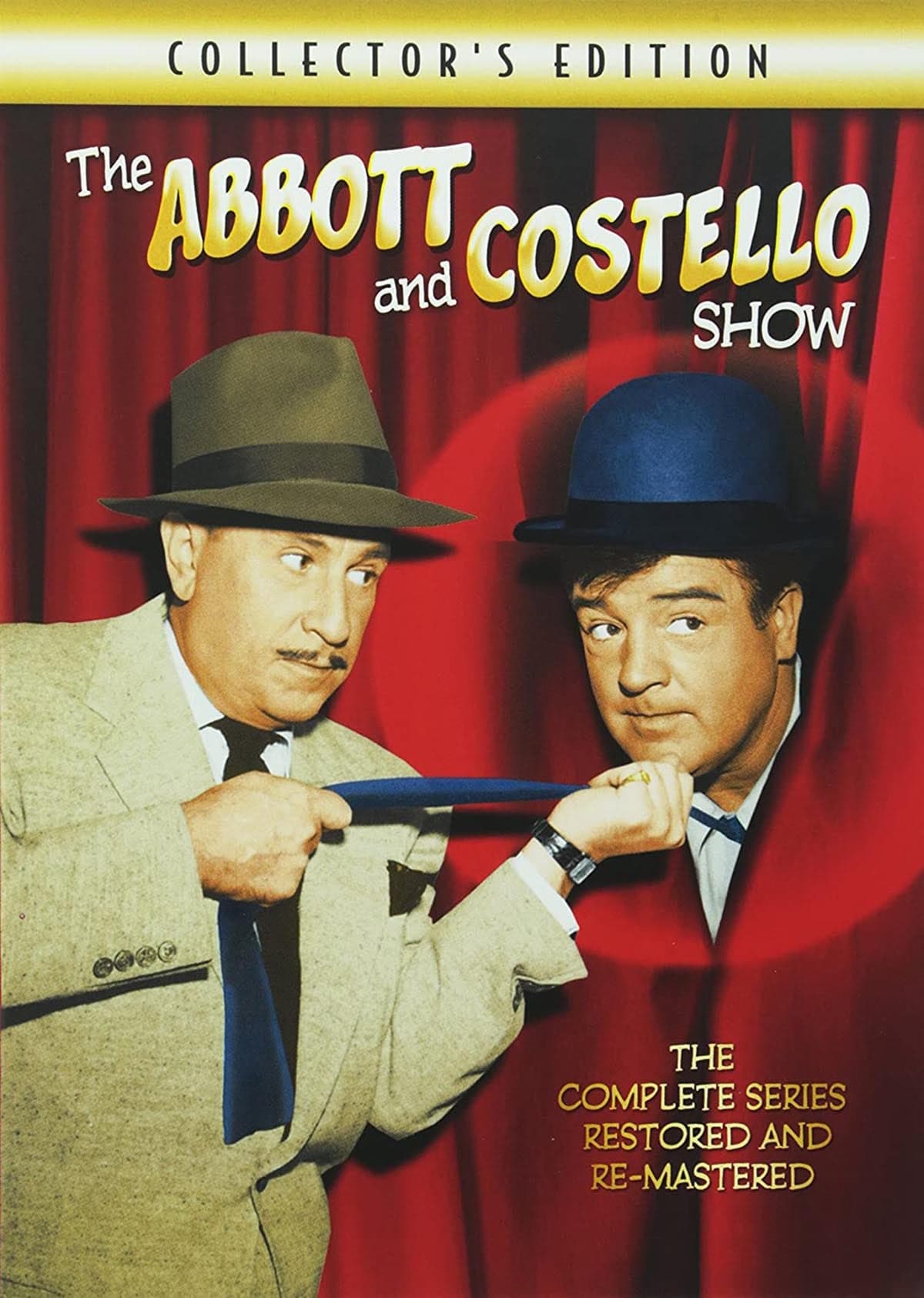
As the golden age of studio-era cinema began to wane in the early 1950s, Lou Costello recognized the potential of the emerging medium of television. The Abbott and Costello Show, which ran in syndication from 1952 to 1954, brought their classic vaudeville routines and cinematic character dynamics directly into American living rooms.
The television show featured fictionalized versions of themselves as chronically unemployed, bumbling roommates living in a dilapidated boarding house, constantly interacting with a recurring cast of eccentric neighbors like Mr. Fields and Hillary St. George T. Jones. The show relied heavily on physical stunts, fast-paced dialogue, and recycled routines from their extensive stage and radio history. Though initially produced for syndication rather than a major network, the series became a massive hit and introduced the duo to an entirely new generation of young fans.
Personal Struggles and Philanthropy
Behind the bright lights and roaring laughter, Costello’s life was marked by profound personal tragedy and health challenges. In 1943, his infant son, Patricia, tragically drowned in the family swimming pool just hours after Costello learned of the boy's birth. Despite his unimaginable grief, Costello insisted on performing his radio show that same evening, embodying the show-business mantra that the show must go on.
This tragedy profoundly shifted his perspective on life and charity. In the late 1940s, Costello established the Lou Costello Jr. Youth Foundation in East Los Angeles, dedicated to providing recreational and athletic facilities for underprivileged children regardless of race or religion. The facility became a major community hub, reflecting Costello's deep connection to his working-class roots and his desire to give back to youth in need.
Legacy, Influence, and Enduring Impact
Lou Costello passed away on March 3, 1959, at the age of 52, due to heart failure. Despite his relatively short life, his footprint on the landscape of comedy remains permanent. Modern physical comedians, sketch artists, and sitcom creators continually trace their comedic lineage back to the frantic energy and endearing vulnerability that Costello brought to the screen.
Influence on Subsequent Generations
- Physical Comedians: Performers like Jim Carrey, John Belushi, and Chris Farley openly cited classic physical slapstick and actors like Costello as primary influences on their hyper-kinetic performance styles.
- The Buddy Dynamic: The straight-man/funny-man configuration popularized by Abbott and Costello laid the structural groundwork for countless television duos, comedy teams, and comedic acting partnerships in film.
- Archival Preservation: Organizations and film historians continue to study Costello's precise timing, proving that physical comedy, when executed with genuine heart and technical mastery, transcends generational divides.
Lou Costello remains far more than a relic of mid-century cinema. He is remembered as an artistic powerhouse who transformed simple pratfalls and ordinary human panic into an enduring art form, securing his place as a true titan of comedy history.
Image Gallery
Select an image to open it in a new tab.



Ingrid Bjornson
Global Cyber Policy and Regulation Analyst
