Youngest Person Elected to Congress: Historical Records and Modern Milestones

The youngest person ever elected to the United States Congress was William Charles Cole Claiborne, who was elected to the House of Representatives in 1797 at the age of 22. In the modern era, Maxwell Frost holds the record for the youngest person elected in the 21st century, winning his seat in 2022 at age 25.
The question of age in American governance is not merely a matter of trivia; it is a foundational constitutional issue. While the U.S. Constitution sets specific age floors for federal office, the history of the "youngest" members is a mix of strict adherence to law and historical anomalies where those requirements were bypassed or creatively managed. As of 2026, the push for younger representation in the 119th Congress continues to be a major theme in American political discourse, reflecting a broader shift in how the electorate views the relationship between age, experience, and leadership.
The Constitutional Threshold for Congressional Service
To understand how individuals have become the youngest members of Congress, one must first look at the legal boundaries established by the Founding Fathers. Article I of the U.S. Constitution outlines the requirements for both chambers of the legislative branch.
The House of Representatives
According to Article I, Section 2, no person shall be a Representative who has not attained the age of 25 years. They must also have been a citizen of the United States for seven years and be an inhabitant of the state they represent at the time of the election.
The decision to set the age at 25 was a compromise during the Constitutional Convention of 1787. Some delegates argued for a higher age to ensure "maturity," while others feared that setting the bar too high would exclude brilliant young minds from serving the fledgling nation.
The United States Senate
The requirements for the Senate are more stringent, reflecting its intended role as the "upper" chamber and a stabilizing force. Article I, Section 3 requires Senators to be at least 30 years old, a citizen for nine years, and an inhabitant of their state. The higher age requirement was designed to ensure that Senators possessed a "stability of character" and a more extensive breadth of life experience compared to their colleagues in the House.
The Historic Record: William Charles Cole Claiborne
Despite the clear 25-year-old requirement in the Constitution, historical records confirm that William Charles Cole Claiborne was seated in the House of Representatives in 1797 at the age of 22. This remains the all-time record for the youngest person ever elected to Congress.
Claiborne represented Tennessee’s at-large district. At the time, the young United States was still refining its administrative procedures. When Claiborne presented his credentials to the House, his age was known to be below the constitutional limit. However, the House of Representatives is the ultimate judge of the "Elections, Returns and Qualifications of its own Members" (Article I, Section 5). In Claiborne's case, the House chose to seat him regardless of his age, setting a historical precedent that was rarely followed thereafter.
Claiborne's early entry into federal politics was a harbinger of a distinguished career. He eventually served as the Governor of the Territory of Orleans and the first Governor of the State of Louisiana. His record highlights a period in American history where political talent and local necessity occasionally overrode the strict letter of constitutional law.

The Youngest Members in the Modern Era
In the 20th and 21st centuries, the enforcement of age requirements became much more rigid. However, several individuals have made history by winning election the moment they met the minimum requirements.
Maxwell Frost (The First Gen Z Representative)
In 2022, Maxwell Frost gained national attention by winning Florida's 10th congressional district at age 25. Frost was the first member of "Generation Z" to be elected to Congress. His campaign focused heavily on issues pertinent to younger voters, such as gun violence prevention and climate change. As of 2026, Frost’s election is viewed as a turning point, signaling the entrance of a new generation into the highest levels of federal lawmaking.
Alexandria Ocasio-Cortez
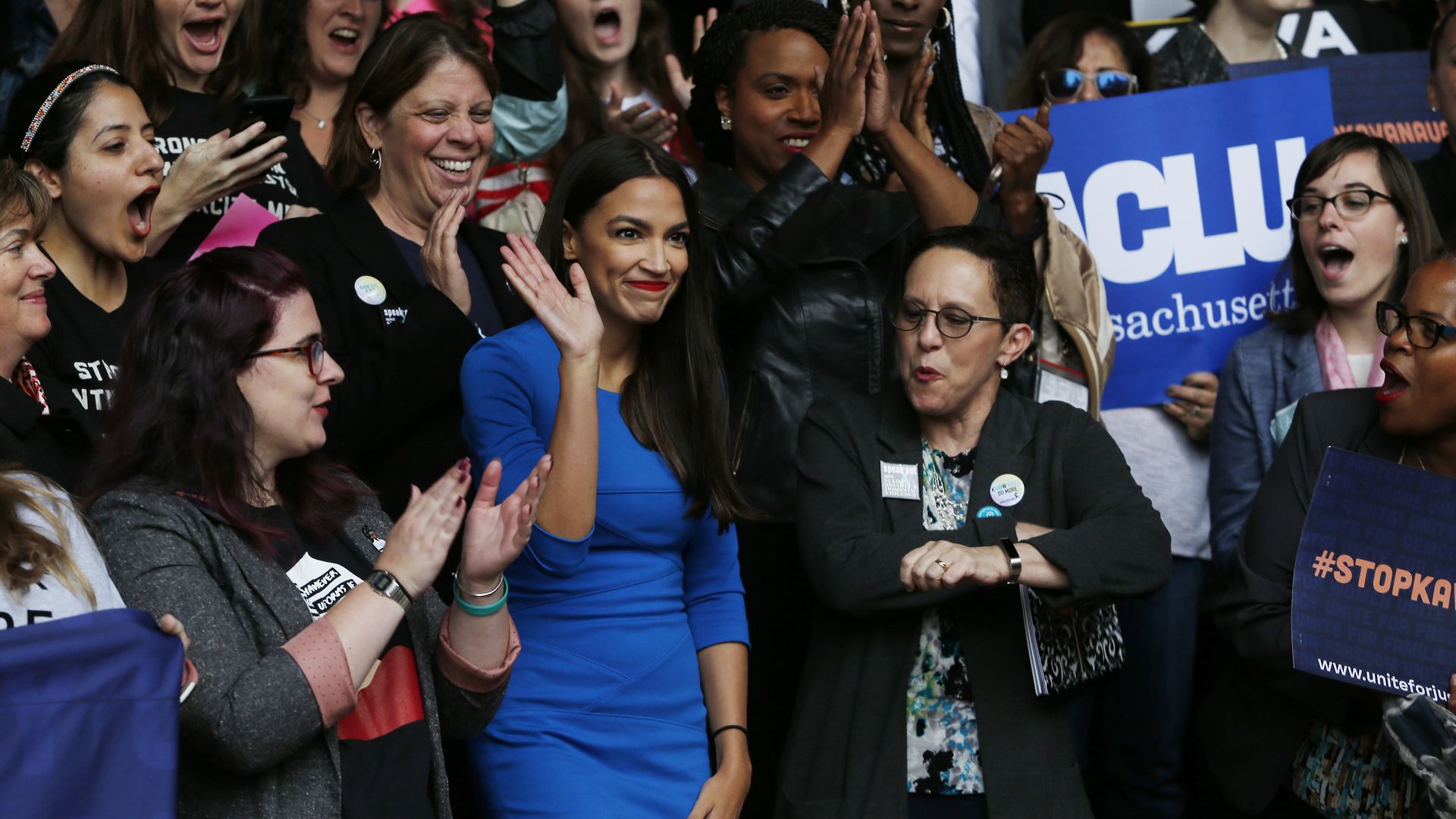
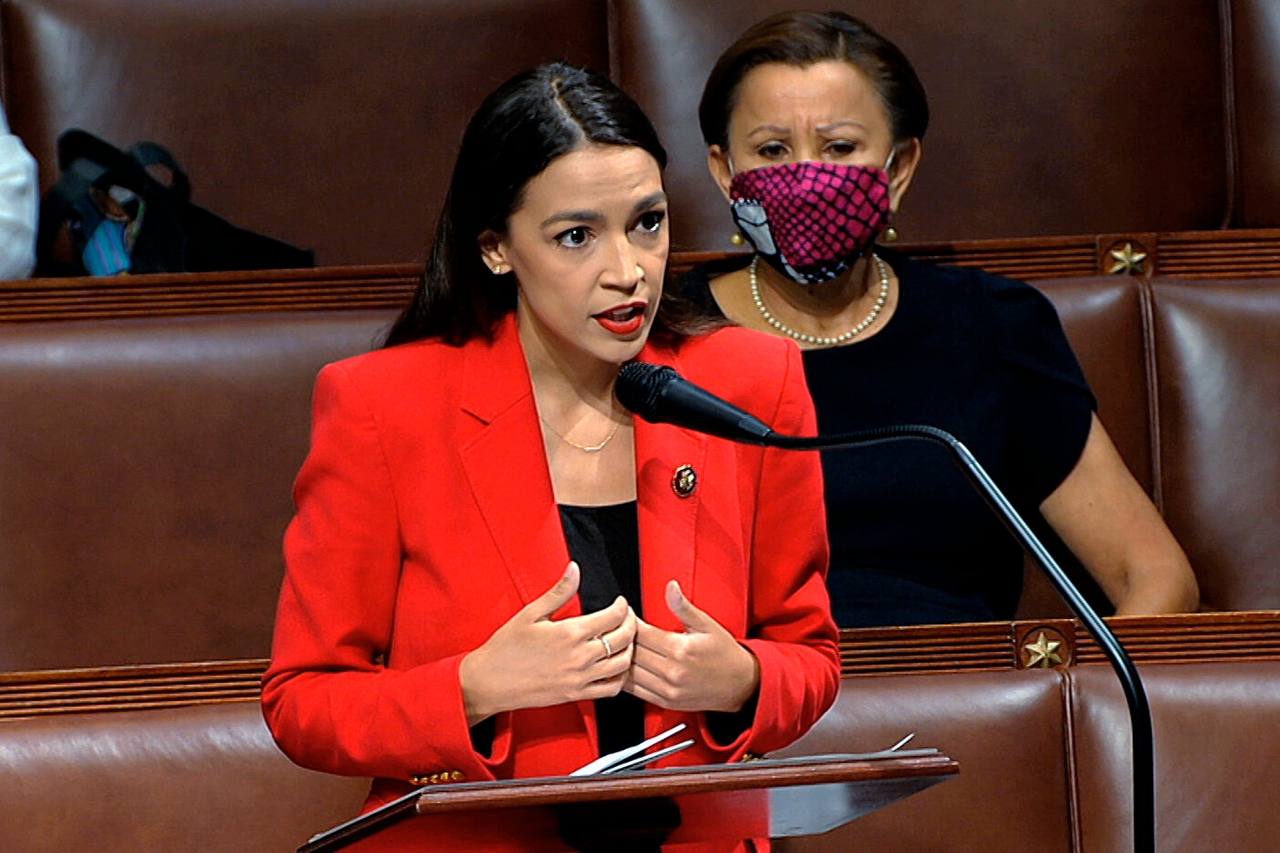
Before Frost, Alexandria Ocasio-Cortez (often referred to as AOC) made headlines in 2018 when she was elected to represent New York’s 14th district at age 28. At the time, she was the youngest woman ever elected to Congress. Her victory against a high-ranking incumbent demonstrated the power of grassroots digital organizing and the appetite for younger, more progressive voices in the Democratic Party.
Elise Stefanik
On the Republican side, Elise Stefanik set a record in 2014 when she was elected to represent New York's 21st district at age 30. At that time, she was the youngest woman ever elected to Congress, a title she held until Ocasio-Cortez’s 2018 victory. Stefanik’s rise through the GOP leadership ranks has since made her one of the most influential younger voices in the House.
Youngest Members of the United States Senate
Because the age requirement for the Senate is 30, the "youngest" list for this chamber looks quite different. The most famous modern example is Joe Biden, who was elected to the Senate from Delaware in 1972 at the age of 29.
Biden’s election provides an interesting case study in constitutional timing. While he was 29 on the day of the election, he turned 30 on November 20, 1972—well before the swearing-in ceremony in January 1973. Because the Constitution states a person must "have attained" the age of 30 to be a Senator (interpreted as being of age when taking the oath of office), his election was perfectly legal.
Historically Youngest Senators
The absolute record for the Senate is held by John Henry Eaton, who was seated in 1818 at the age of 28. Similar to Claiborne in the House, the Senate effectively ignored the age requirement in Eaton's case. He represented Tennessee and later served as the Secretary of War under Andrew Jackson.
| Name | Chamber | Age at Election | Year Elected | Key Significance |
|---|---|---|---|---|
| William C.C. Claiborne | House | 22 | 1797 | Youngest person ever seated in Congress. |
| John Henry Eaton | Senate | 28 | 1818 | Youngest Senator; seated below the age limit. |
| Joe Biden | Senate | 29 | 1972 | Turned 30 before being sworn in; modern era record. |
| Maxwell Frost | House | 25 | 2022 | First Gen Z member of Congress. |
| Alexandria Ocasio-Cortez | House | 28 | 2018 | Youngest woman elected at that time. |
| Elise Stefanik | House | 30 | 2014 | Youngest Republican woman elected at that time. |
| Jed Johnson Jr. | House | 25 | 1964 | One of the youngest 20th-century members. |
| Thomas Jefferson | House | 26 | 1769* | Pre-Constitutional; included for historical context. |
Challenges and Advantages for Young Legislators
Entering Congress at a young age presents a unique set of obstacles and opportunities. While voters often praise the "fresh energy" of younger candidates, the internal structures of Congress are traditionally built on seniority.
The Seniority System
In both the House and the Senate, committee assignments and chairmanships are heavily influenced by tenure. A member who enters at 25 or 30 starts at the bottom of the ladder. This means it can take decades for a young member to wield significant legislative power as a committee chair. However, young members often bypass this by building "outside power"—using social media and public platforms to influence the national conversation and force their priorities onto the agenda.
Fundraising and Network Building
Younger candidates typically lack the deep-pocketed donor networks that older, more established professionals possess. Many youngest-elects have relied on small-dollar donations and digital fundraising. For example, Maxwell Frost famously continued to drive for Uber during his campaign to make ends meet, highlighting the economic barriers that often prevent younger, less wealthy individuals from running for federal office.
Descriptive vs. Substantive Representation
Political scientists often debate whether young members provide "descriptive representation" (simply looking like their younger constituents) or "substantive representation" (actually passing laws that help them). Younger members frequently champion issues like:
- Student loan forgiveness and education reform.
- Aggressive climate change policy.
- Digital privacy and technology regulation.
- Housing affordability.
The Trend Toward a "Gerontocracy" vs. Youth Influx
Despite the headlines made by Frost and Ocasio-Cortez, the average age of Congress has been steadily increasing for decades. As we look at the data in 2026, the 119th Congress still features a high average age—often cited in discussions about "gerontocracy" (government by older people).
The Biographical Directory of the United States Congress shows that the median age of the House is currently around 58, while the Senate median age often hovers in the mid-60s. This age gap between the lawmakers and the median age of the American population (approximately 39) has fueled movements to recruit younger candidates and, in some circles, calls for term limits or age maximums—though the latter would require a Constitutional Amendment.
How Young Candidates Prepare for a Congressional Run
For those aspiring to become the next "youngest person elected to Congress," the path usually involves several key steps:
- Local Involvement: Most young members of Congress began in local government, such as city councils or state legislatures. This builds a "track record" that can be shown to voters.
- Identifying a Niche: Younger candidates often win by focusing on a specific issue that has been neglected by older incumbents.
- Digital Mastery: In the modern era, a young candidate's ability to communicate directly with voters via social media often compensates for a lack of traditional media backing.
- Verification of Eligibility: Candidates must ensure they meet the age requirement by the date of their swearing-in, not necessarily the date of the primary or general election.
FAQs About the Youngest Members of Congress
Can you run for Congress if you are 24?
Yes, you can run for the House of Representatives if you are 24, provided that you will turn 25 by the time the Congress is officially seated (usually January 3rd following the November election). If you do not turn 25 by the swearing-in date, you cannot be seated, even if you win the election.
Who is the youngest woman ever elected to the Senate?
As of 2026, Blanche Lincoln of Arkansas remains one of the youngest women ever elected to the Senate, winning her seat in 1998 at the age of 38. While women have set records in the House at much younger ages, the Senate remains a chamber where women generally enter later in their careers.
Has anyone ever been elected who was younger than 25 in the House?
Historically, yes. William Charles Cole Claiborne was 22. However, under modern scrutiny and House rules, this is virtually impossible today. The House Clerk and the Committee on House Administration now strictly verify the ages of members-elect before they are sworn in.
Is there a maximum age limit for Congress?
No. The U.S. Constitution sets minimum age requirements but does not establish a maximum age. Efforts to implement a maximum age for federal service would require a Constitutional Amendment, which requires a two-thirds vote in both houses of Congress and ratification by three-fourths of the states.
Who was the youngest person to serve as Speaker of the House?
Robert M. T. Hunter of Virginia holds the record for the youngest Speaker. He was elected to the position in 1839 at the age of 30. In the modern era, Speakers are typically much older, as the position requires significant party-wide influence and decades of legislative experience.
Practical Recommendations for Following Congressional Demographics
If you are tracking the trends of age in the 119th Congress (seated 2025-2026), it is beneficial to monitor the "Freshman Class" reports issued by the United States House of Representatives. These reports provide a demographic breakdown of new members, including their average age and previous professional backgrounds.
To see the most current list of members by age, the United States Senate and the House Clerk maintain public databases where you can sort members by their birth dates. Watching these trends is essential for understanding how legislative priorities might shift as Generation Z and the Millennials eventually replace the Baby Boomer and Silent Generation cohorts that have dominated American politics for the last several decades.
Image Gallery
Select an image to open it in a new tab.




Ingrid Bjornson
Global Cyber Policy and Regulation Analyst
