Recognizing Early Signs of Rabies in Cats: What Every Pet Owner Must Watch For

Rabies is a fatal viral zoonotic disease that attacks the central nervous system of mammals, including domestic cats. Recognizing early signs of rabies in cats is critical because the virus is invariably fatal once clinical symptoms manifest, and it poses an immediate, severe public health risk to humans and other animals. Because felines are naturally independent and prone to subtle shifts in behavior, distinguishing between a benign illness and the onset of rabies requires vigilance, a firm grasp of behavioral baselines, and prompt veterinary intervention.
Understanding the Threat: What is Feline Rabies?
Rabies is caused by a Lyssavirus belonging to the Rhabdoviridae family. The virus is transmitted primarily through the saliva of an infected animal, usually via a bite wound or deep scratch. While bats, raccoons, skunks, and foxes are the primary wildlife reservoirs in North America, domestic cats represent a significant bridge between wildlife and humans. In many regions, cats actually account for a higher number of reported rabid domestic animal cases than dogs, largely due to lower rates of mandatory vaccination compliance among outdoor-dwelling or stray felines.
When a cat is bitten by a rabid animal, the virus remains localized near the site of inoculation for a variable incubation period. This phase can last anywhere from a few weeks to several months, depending on the severity of the bite, the proximity to the brain and spinal cord, and the viral load. During the incubation period, the cat shows no outward signs of illness and is not contagious. However, once the virus travels along the peripheral nerves to the central nervous system, it multiplies rapidly in the brain, causes severe inflammation, and transitions the animal into the infectious phase. Understanding this timeline highlights why monitoring a cat with an unknown bite history is a matter of absolute urgency.
The Three Clinical Phases of Feline Rabies
The clinical progression of rabies generally follows three distinct phases, though not every cat exhibits every symptom in a predictable linear fashion. Knowing what to watch for during each phase helps owners and veterinarians identify the disease before it reaches its terminal stage.
[Infection/Bite] ➔ [Prodromal Phase (Early Signs)] ➔ [Excitatory OR Paralytic Phase] ➔ [Coma & Death]
1. The Prodromal Phase (Early Signs)
The prodromal phase represents the earliest window in which behavioral and physiological changes begin to appear. This phase typically lasts from one to three days. During this time, the virus is actively replicating in the central nervous system, causing subtle neurological disruptions.
Because these early signs can mimic other common feline illnesses, such as gastrointestinal upsets, systemic infections, or minor injuries, owners frequently misinterpret them. However, any unexplained behavioral shift in a cat with outdoor access or unknown vaccination status should be treated with heightened caution.
2. The Excitatory Phase ("Furious Rabies")
Following the prodromal stage, some cats enter the excitatory phase, colloquially known as furious rabies. This is the stage most commonly associated with popular depictions of the disease. Cats in this phase become intensely restless, hyper-reactive to external stimuli, and exceptionally aggressive. They may attack inanimate objects, shadow-box, or viciously redirect aggression toward their owners or other pets.
3. The Paralytic Phase ("Dumb Rabies")
Alternatively, or subsequently, cats may enter the paralytic phase, also known as dumb rabies. This form is characterized by progressive weakness, loss of coordination, and eventual paralysis. The classic sign of this phase is paralysis of the jaw and throat muscles, leading to an inability to swallow, excessive drooling, and a dropped lower jaw.

Key Early Behavioral Signs to Watch For
Spotting the disease in its earliest stages requires careful observation of daily routines. The initial symptoms of feline rabies are often behavioral rather than physical.
- Sudden Personality Shifts: A famously affectionate cat may suddenly become solitary, hiding under beds or in dark closets for extended periods. Conversely, a previously aloof or independent cat may exhibit unexpected, intense clinginess, demanding constant physical contact.
- Unexplained Agitation and Restlessness: Infected cats often display nervous energy. They may pace aimlessly, twitch their tails constantly, or startle violently at minor sounds or sudden movements that would normally go unnoticed.
- Vocalizations: Alterations in vocal tone are common early indicators. A cat may emit unusual meows, yowls, or growling sounds without an apparent external trigger, such as hunger or the presence of another animal.
- Appetite and Dietary Anomalies: Early neurological irritation can cause pica—an abnormal appetite for non-food items like stones, dirt, plastic, or fabric. Cats may also refuse their regular food or show a sudden, uncharacteristic disinterest in water despite being dehydrated.
Physical and Neurological Symptoms That Follow
As the virus advances past the prodromal phase, physical manifestations become more pronounced. These symptoms reflect structural impairment within the brain and nervous tissue.
| Symptom Category | Observable Sign | Underlying Mechanism |
|---|---|---|
| Neurological | Ataxia, uncoordinated gait, stumbling | Impaired cerebellar function and loss of motor control |
| Oral/Facial | Excessive salivation, foaming at the mouth | Paralysis of the pharyngeal muscles preventing swallowing |
| Ocular | Anisocoria (unequal pupil sizes), abnormal nystagmus | Cranial nerve damage affecting eye movement and response |
| Musculoskeletal | Progressive weakness, localized or generalized paralysis | Destruction of motor neurons in the spinal cord |
Monitoring these physical signs requires protective handling. A cat exhibiting motor incoordination or a vacant, staring expression should never be handled with bare hands.
Differentiating Early Rabies from Other Feline Conditions
Because early signs of rabies overlap heavily with other, far more common veterinary maladies, panic is rarely an immediate solution—though caution is mandatory. Veterinarians must systematically rule out several conditions before suspecting or confirming rabies.
- Feline Toxoplasmosis: This protozoal infection can cause profound neurological abnormalities, behavioral changes, and loss of coordination resembling rabies.
- Feline Immunodeficiency Virus (FIV) or Feline Leukemia Virus (FeLV): Advanced retroviral infections can cause neurological disorders, cognitive decline, and erratic behavior.
- Lead or Chemical Toxicity: Ingestion of household toxins, heavy metals, or certain garden pesticides frequently induces tremors, seizures, and sudden aggression.
- Dental Pain or Oral Abscesses: Severe tooth root infections can cause extreme irritability, drooling, and reluctance to eat, mimicking the early stages of paralytic rabies.
Despite these overlapping possibilities, any cat with an unknown bite history that displays sudden neurological decline presents an epidemiological risk that demands professional veterinary evaluation under strict quarantine protocols.
What to Do If You Suspect Rabies in Your Cat
If you observe warning signs that suggest rabies in your cat, immediate safety protocols must be enacted to protect human lives and prevent community spread.
- Isolate the Animal Immediately: Confine the cat to a secure, enclosed space such as a small room, a bathroom, or a secure carrier. Avoid direct physical contact. Do not attempt to comfort the cat by petting or holding it, as reflex biting is common.
- Contact Animal Control and Your Veterinarian: Notify local animal control authorities and your primary care veterinarian before transporting the animal. Inform them specifically that you suspect rabies exposure so they can prepare appropriate isolation facilities.
- Document Exposure Risks: Make a mental or written note of every human or other animal that has had contact with the cat within the past 10 to 14 days. This includes scratches, bites, or contact with the cat's saliva on broken skin.
- Understand the Diagnostic Reality: There is currently no reliable, non-invasive intravitam (living) diagnostic test for rabies in animals. Definitive diagnosis requires examination of brain tissue via a Direct Antifluorescent Antibody (DFA) test, which can only be performed post-mortem. Consequently, suspected cases involving human exposure or unknown vaccination statuses are subject to strict public health guidelines, which may include prolonged strict quarantine or euthanasia depending on local laws and exposure history.
Prevention and Public Health Protocols
The single most effective tool against feline rabies is vaccination. According to the American Association of Feline Practitioners (AAFP), rabies vaccines are classified as core vaccines and are legally mandated for domestic cats in many jurisdictions, regardless of whether they live exclusively indoors. Indoor cats frequently escape or encounter rabid wildlife (such as bats that manage to enter residential homes), making vaccination an essential safety net.
Maintaining up-to-date booster shots ensures that even if a vaccinated cat is bitten by a rabid vector, the immune system can mount a rapid neutralizing defense. In cases where a vaccinated cat is exposed to a confirmed rabid animal, public health guidelines typically require an immediate booster shot followed by a strict owner-monitored observation period, avoiding the necessity of euthanasia. Conversely, unvaccinated cats exposed to rabies are often subject to immediate euthanasia or strict, prolonged quarantine periods at the owner's expense, governed by local state and municipal health codes.
Frequently Asked Questions
Can an indoor-only cat get rabies?
Yes. While the statistical risk is lower than for outdoor cats, indoor cats can contract rabies if a rabid animal—most commonly a bat—gains entry into the living space. Bats can enter through small gaps or chimneys and may bite a sleeping or cornered cat. This is why veterinary regulatory bodies recommend rabies vaccination for all cats, strictly indoor-dwelling ones included.
What is the typical incubation period for rabies in cats?
The incubation period generally ranges from two weeks to three months, though it can occasionally be as short as a few days or as long as a year. The duration depends primarily on the location of the bite wound; bites closer to the head and neck result in shorter incubation periods because the virus has a shorter distance to travel to the central nervous system.
How do I know if my cat was bitten by a wild animal?
Outdoor cats may hide bite wounds beneath dense fur. Key indicators include sudden localized pain, unexplained abscesses, small puncture marks, unexplained lameness, clumps of missing hair, or bringing home trophies of wildlife interaction. If an outdoor cat shows up with unexplained injuries, a veterinary exam is essential.
Is there any treatment for a cat that contracts rabies?
No. Once clinical signs of rabies appear in a cat, the disease is 100% fatal, and treatment is neither medically viable nor ethically recommended due to the extreme public health danger. Management focuses entirely on humane euthanasia and diagnostic verification to protect human contacts.
What should I do if my cat bites me?
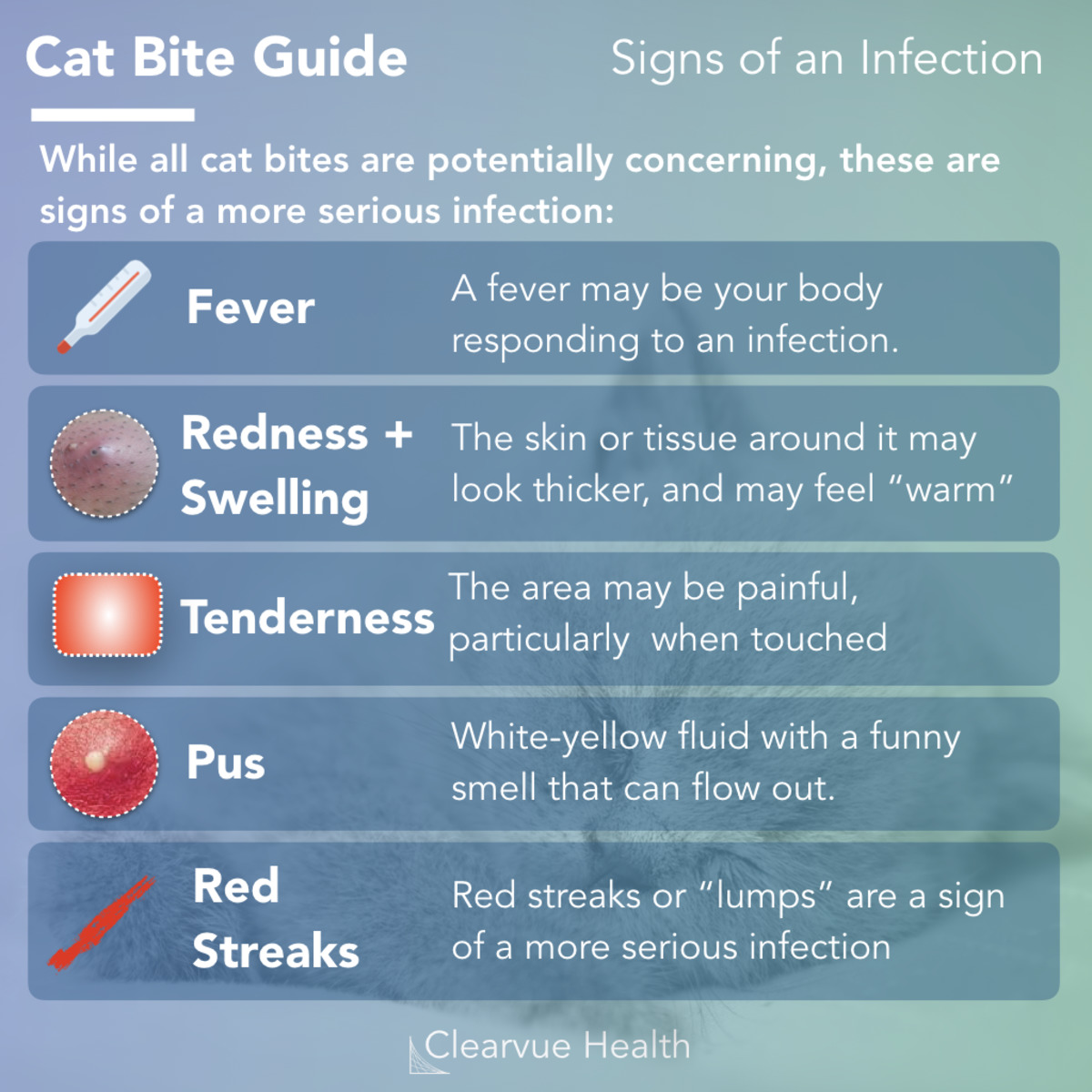
Wash the bite wound immediately and thoroughly with soap and running water for at least 15 minutes. Apply an antiseptic and seek emergency medical attention immediately. Inform the attending physician that you were bitten by a cat, and be prepared to provide details regarding the cat's vaccination status and current whereabouts.
Conclusion and Next Actions
Recognizing the early signs of rabies in cats requires a balance of vigilance, caution, and adherence to preventive medicine. By monitoring pets for sudden behavioral anomalies, unexplained motor deficits, and unusual vocalizations, owners can act swiftly to protect both their households and their communities. Ensure your cat's rabies vaccination status is current with your local veterinarian, and never handle a stray or unfamiliar animal showing erratic neurological signs.
Image Gallery
Select an image to open it in a new tab.


Omar Farooq
EdTech Innovation and Virtual Pedagogy Journalist
