Understanding CVT Warranty Coverage: A Complete Guide to Protection and Claims

CVT warranty coverage protects the mechanical and electronic components of a Continuously Variable Transmission against manufacturer defects in materials or workmanship. Usually housed under the vehicle's powertrain warranty, this coverage typically lasts between five and ten years, ensuring that expensive repairs to pulleys, belts, and control modules are handled by the manufacturer rather than the owner.
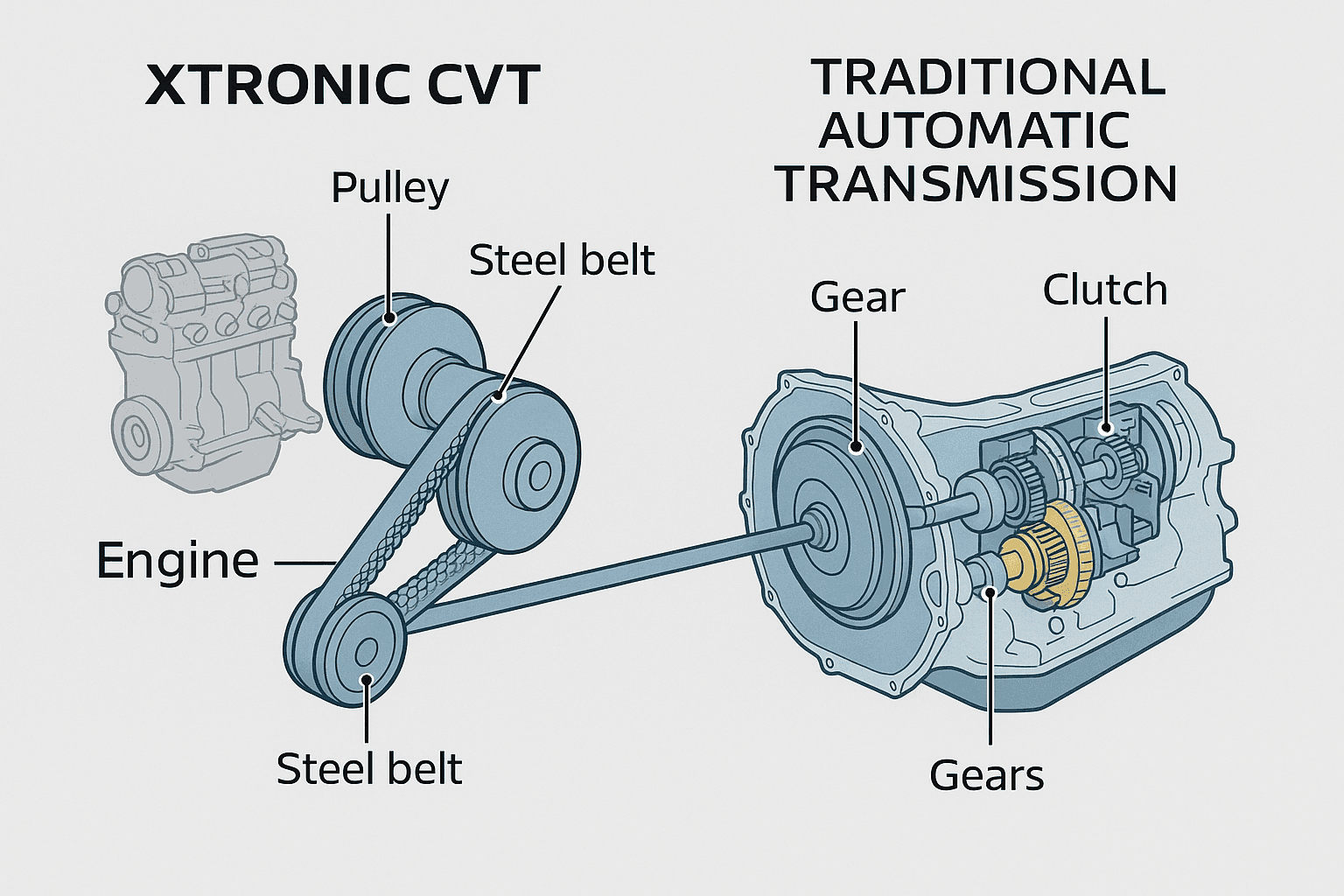
The Continuously Variable Transmission (CVT) has become the standard for modern fuel-efficient vehicles. Unlike traditional automatic transmissions that use fixed gears, a CVT utilizes a system of pulleys and a high-strength steel belt or chain to provide an infinite range of gear ratios. While this design optimizes engine power and fuel economy, the specialized nature of CVT components makes them expensive to repair or replace. Understanding the nuances of your warranty coverage is essential for avoiding out-of-pocket expenses that can often exceed $4,000 to $7,000 for a full unit replacement.
The Structure of CVT Warranty Protection
To understand your coverage, you must first distinguish between the various types of warranties that may apply to a vehicle in 2026. A CVT is rarely covered by a single, isolated policy; instead, it is protected by layers of coverage that trigger based on the age and mileage of the vehicle.
New Vehicle Limited Warranty (Bumper-to-Bumper)
Most new vehicles come with a comprehensive "bumper-to-bumper" warranty, typically lasting 3 years or 36,000 miles. During this window, almost every component of the CVT—including the electronic sensors, external cooling lines, and the Transmission Control Module (TCM)—is covered. This is the most robust form of protection because it covers both the mechanical "hard parts" and the sophisticated electronics that manage shifting logic.
Powertrain Limited Warranty
Once the bumper-to-bumper warranty expires, the Powertrain Warranty takes over. This is the primary home for CVT coverage. Most manufacturers in 2026 provide powertrain protection for 5 years or 60,000 miles, though brands like Hyundai, Kia, and Mitsubishi often extend this to 10 years or 100,000 miles for the original owner.
The powertrain warranty is more restrictive than the bumper-to-bumper policy. It generally covers "internally lubricated parts." For a CVT, this includes:
- The primary and secondary pulleys (variators).
- The steel push-belt or drive chain.
- The internal hydraulic pump.
- The transmission case/housing (if damaged by an internal failure).
- Internal seals and gaskets.
Certified Pre-Owned (CPO) Warranties
If you purchase a used vehicle through a manufacturer’s CPO program, the CVT often receives an extension of the original powertrain warranty. For example, a CPO vehicle might have its powertrain coverage extended to 7 years or 100,000 miles from the original "in-service" date. This is a critical factor for buyers looking at used Nissans, Hondas, or Subarus, where CVT longevity has been a historical point of discussion.
What is Actually Covered? Deep Dive into Components
A CVT failure is rarely a simple fix. Because many CVTs are "sealed" units, dealerships often opt to replace the entire assembly rather than repairing individual internal components. Your warranty coverage is designed to handle this "materials and workmanship" failure.
Internal Mechanical Components
The heart of the CVT consists of two pulleys that change diameter to alter the gear ratio. If the metal belt slips or the pulley faces become scored due to a manufacturing defect, the warranty covers the replacement of these parts. In 2026, many manufacturers still treat the CVT as a non-serviceable assembly, meaning the warranty will cover a completely remanufactured or new transmission unit.
Electronic Control Systems
Modern CVTs rely heavily on sensors to monitor fluid temperature, pressure, and input/output speeds. If a speed sensor fails internally, it can cause the vehicle to enter "limp mode." While the sensor itself is inexpensive, the labor to access it can be significant. Warranty coverage ensures that both the part and the technician's labor hours are compensated by the manufacturer.
Seals, Gaskets, and Fluids
A common point of confusion is whether CVT fluid is covered. Generally, the warranty covers the fluid only if it is lost as a result of a covered repair. For example, if a seal fails and the transmission leaks, the warranty covers the new seal and the replacement fluid. However, the warranty does not cover fluid changes required for routine maintenance.
Common Exclusions: What Voids Your CVT Coverage?
While warranty coverage is extensive, it is not absolute. Manufacturers include specific "exclusions" that can lead to a denied claim. As a vehicle owner, staying within the boundaries of these requirements is vital for maintaining your protection.
Neglect of Scheduled Maintenance
The most frequent reason for CVT warranty denial is a failure to follow the manufacturer's maintenance schedule. CVTs are highly sensitive to fluid degradation. In 2026, many vehicles have "service life" monitors that track driving habits. If you exceed the recommended fluid change interval—especially if you use the vehicle for "severe duty" like delivery driving or frequent mountain climbing—the manufacturer may claim that the failure was caused by owner neglect rather than a factory defect.
Use of Non-Approved Fluids
CVTs require specific frictional properties found only in specialized CVT fluids. Using standard Automatic Transmission Fluid (ATF) in a CVT will lead to rapid belt slippage and total mechanical failure. If a dealership detects non-spec fluid during a teardown, the warranty claim will almost certainly be denied. Under the Magnuson-Moss Warranty Act, you have the right to use third-party fluids, but they must meet the exact technical specifications listed in your owner’s manual.
Aftermarket Modifications and Tuning
Performance "tunes" that increase engine torque can place stress on the CVT belt beyond its engineered limits. Similarly, installing oversized tires without recalibrating the transmission logic can cause overheating. If a field service action determines that aftermarket software or hardware contributed to the transmission's failure, the warranty coverage for the CVT can be "blacklisted" or voided.
Towing Beyond Rated Capacity
Many CVT-equipped vehicles have limited towing capacities (often 1,000 to 1,500 lbs) or are not rated for towing at all. Pulling a heavy trailer generates excessive heat, which is the primary enemy of CVT longevity. Exceeding these limits is considered "misuse," which is a standard exclusion in every automotive warranty.
Comparing CVT Warranty Types
The following table compares the different tiers of coverage available to vehicle owners in 2026.
| Feature | Bumper-to-Bumper | Factory Powertrain | Extended Warranty (VSC) | CPO Warranty |
|---|---|---|---|---|
| Typical Duration | 3 years / 36,000 miles | 5-10 years / 60k-100k miles | 2-5 years (variable) | 7 years / 100,000 miles |
| Electronic Sensors | Fully Covered | Partially (Internal only) | Depends on "Gold" or "Platinum" | Fully Covered |
| Mechanical Hard Parts | Fully Covered | Fully Covered | Fully Covered | Fully Covered |
| Fluid/Filters | Only if part of repair | Only if part of repair | Rarely Covered | Only if part of repair |
| Transferable? | Yes | Sometimes (Model dependent) | Yes (with fee) | Usually |
| Deductible | $0 | $0 | $50 - $250 | $0 - $100 |
Navigating the Claims Process
When you suspect a CVT issue—often characterized by shuddering, whining noises, or "rubber-band" acceleration—the steps you take can determine whether your claim is approved.
- Document the Symptoms: Note exactly when the issue occurs. Is it when the engine is cold or after an hour of highway driving? Accurate descriptions help technicians replicate the fault, which is a prerequisite for a warranty claim.
- Gather Maintenance Records: Before heading to the dealer, ensure you have receipts for every fluid change and inspection. If you performed the work yourself, keep a log of dates, mileage, and receipts for the specific CVT fluid purchased.
- The Diagnostic Phase: The dealership will perform a "diagnostic scan" to check for Diagnostic Trouble Codes (DTCs). Be aware that if no fault is found, you may be responsible for the diagnostic fee (usually 1 hour of labor). If a defect is confirmed, this fee is typically waived.
- Field Service Representative (FSR) Involvement: For expensive repairs like a total CVT replacement, the dealership may need to wait for an FSR from the manufacturer to inspect the vehicle and authorize the claim.
- The "Teardown" Consent: In some cases, the manufacturer may require a "teardown" to prove the failure was internal. You may be asked to sign a document agreeing to pay for the teardown labor if it is discovered that the failure was caused by an exclusion (like water ingestion or salt-water flooding).
Special Considerations: Class Actions and Extended Policies
Historically, CVTs have faced reliability hurdles, leading to industry-wide changes in how warranties are handled.
Warranty Extensions as Legal Settlements
In the past decade, several manufacturers (notably Nissan and Subaru) have faced class-action lawsuits regarding CVT durability. As a result, many owners received automatic warranty extensions. In 2026, it is important to check your VIN (Vehicle Identification Number) against manufacturer databases to see if your specific model carries a "secret" or extended warranty beyond the standard five-year window. These extensions often cover vehicles up to 10 years or 120,000 miles.
Vehicle Service Contracts (VSCs)
If your factory warranty is nearing its end, you might consider an aftermarket Extended Warranty, technically known as a Vehicle Service Contract. When selecting a VSC for a CVT vehicle:
- Opt for Exclusionary Coverage: This covers "everything except what is listed," which is safer for the complex electronics of a CVT.
- Check the "Wear and Tear" Clause: Some basic policies only cover "breakage." Since CVTs often fail through gradual wear (belt slipping), you want a policy that covers "wear and tear."
Frequently Asked Questions
Does my warranty cover CVT fluid changes?
No, CVT fluid changes are considered routine maintenance, similar to oil changes or brake pad replacements. However, if the transmission fails and requires a replacement under warranty, the new fluid used to fill the replacement unit is covered as part of the repair process.
Can I change my own CVT fluid without voiding the warranty?
Yes, under the Magnuson-Moss Warranty Act, you can perform your own maintenance. However, you must keep meticulous records, including receipts for the specific CVT fluid that meets the manufacturer's standards. If the transmission fails and the manufacturer can prove the fluid used was incorrect or the service was performed improperly, they can legally deny your claim.
What are the signs of a failing CVT that should be reported for warranty?
Common indicators include a loud whining or humming noise (bearing wear), a "shudder" or "judder" feeling during acceleration (belt slip), or a significant delay when shifting from Park to Drive. If the tachometer "hunts" or fluctuates wildly while maintaining a steady speed, this could indicate a pressure sensor or pulley issue that should be inspected under warranty.
Is the CVT covered if I buy the car used?
The powertrain warranty usually stays with the vehicle for its duration (e.g., 5 years/60,000 miles), regardless of the owner. However, some manufacturers (like Hyundai and Kia) reduce the powertrain coverage for subsequent owners (often from 10 years down to 5 years). Always verify the "transferability" of the warranty before purchasing a used CVT-equipped car.
If my CVT is replaced under warranty, does the new unit have its own warranty?
Generally, the replacement unit is covered for the remainder of the vehicle's original warranty period or a short "parts warranty" (typically 12 months/12,000 miles), whichever is longer. It does not "reset" the 5-year or 10-year clock.
Practical Recommendation for Owners
To maximize your CVT warranty protection in 2026, the most critical action you can take is to adhere strictly to the "Severe Weather" or "Severe Use" maintenance schedule. Most drivers unknowingly fall into the "severe" category due to short trips, extreme heat, or stop-and-go traffic. Changing your CVT fluid every 30,000 to 45,000 miles—even if the manual suggests a longer interval—not only prevents mechanical failure but also provides a paper trail that makes it nearly impossible for a manufacturer to deny a legitimate warranty claim. Before your bumper-to-bumper coverage expires, consider having a "warranty end" inspection performed by an independent mechanic to identify any weeping seals or electronic "soft codes" that can be addressed by the dealership while coverage is still at its peak.
Image Gallery
Select an image to open it in a new tab.


Lars Thomsen
Global Labor Markets and Economic Strategy Editor
