What Are the Key Milestones for a 2 Year Old Boy
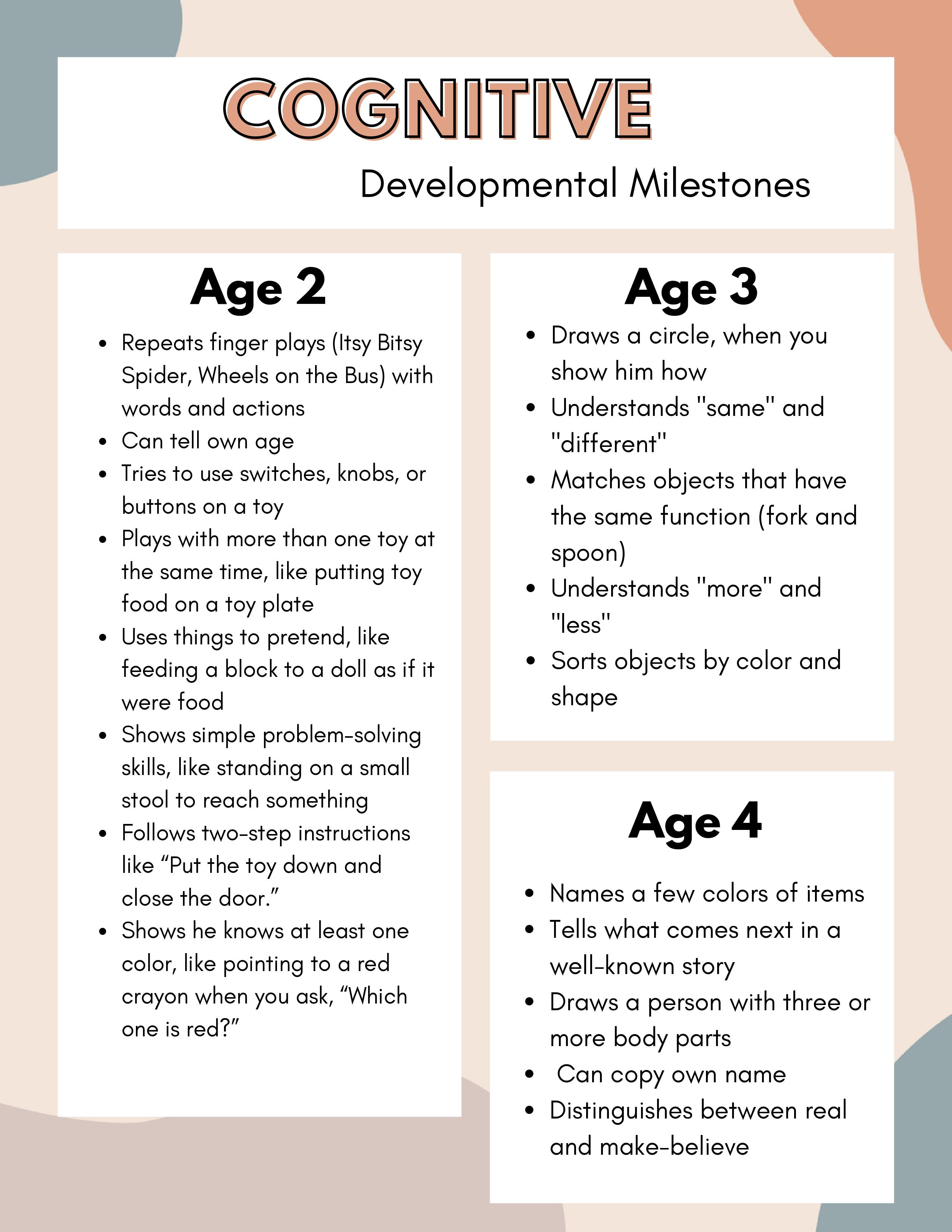
At age two, a boy experiences rapid developmental leaps across physical, cognitive, language, and social-emotional domains, transitioning from toddlerhood toward early childhood independence. Understanding these key milestones helps parents and caregivers monitor healthy growth, identify potential delays early, and provide targeted support tailored to this dynamic stage of life.
Introduction to the 2-Year-Old Developmental Landscape
The second year of life is marked by profound transformations in how a child interacts with the physical world and the people around them. While individual rates of development vary significantly—influenced by genetics, temperament, and environment—pediatric guidelines established by organizations such as the Centers for Disease Control and Prevention (CDC) provide a reliable framework for tracking progress. It is important to note that a 2-year-old boy does not need to master every single skill on a specific day; rather, milestones represent a continuum of behavior and capability that most children achieve by a certain age.
When evaluating these markers, caregivers should look at the broader pattern of development rather than isolated skills. Furthermore, early childhood development is not strictly uniform across sexes, though societal expectations and subtle biological variations can sometimes shape play preferences and motor styles. A comprehensive view of a two-year-old boy's growth encompasses gross and fine motor skills, expressive and receptive language, cognitive problem-solving, and emotional self-regulation.
Physical and Motor Development Milestones
Physical development at age two is defined by an explosion of gross motor capabilities and increasing refinement in fine motor coordination. Walking smoothly transitions into running, climbing, and exploring spaces with greater confidence and agility.
Gross Motor Skills
By the time a boy turns two, he should be walking steadily and beginning to run, though falls are still frequent as coordination catches up with speed. Other major gross motor milestones include:
- Kicking a ball forward without losing balance.
- Beginning to run with improved posture and fewer tumbles.
- Walking up and down stairs, typically holding onto a hand, rail, or wall, and placing both feet on each step before moving to the next.
- Throwing a ball overhand, though accuracy is generally low.
- Stepping onto and jumping off low blocks or the ground with both feet leaving the floor simultaneously.
Fine Motor Skills
Fine motor control involves smaller muscle groups in the hands and fingers, enabling children to manipulate objects with increasing precision. Key accomplishments in this area include:
- Building towers of four or more blocks, demonstrating hand-eye coordination and spatial awareness.
- Scribbling spontaneously with crayons or markers, holding a writing instrument with a fist or transitioning to a finger grasp.
- Turning pages in a book one or two at a time, particularly board books with thick pages.
- Using cups and spoons with minimal spilling, showing independent self-feeding skills.
| Skill Category | Typical Milestone at Age 2 | What to Watch For |
|---|---|---|
| Gross Motor | Walks and begins running | Frequent falls that hinder movement, inability to walk independently |
| Gross Motor | Kicks a ball forward | Inability to swing leg or coordinate a kick |
| Fine Motor | Builds a tower of 4+ blocks | Inability to stack blocks or grasp small items |
| Fine Motor | Scribbles on paper | Total lack of interest in holding crayons or making marks |

Language and Communication Milestones
Language development undergoes a massive shift during the second year, moving from single words to expressive combinations and vastly improved comprehension.
Receptive Language (Understanding)
A two-year-old boy's ability to understand spoken language typically outpaces his ability to speak. At this stage, he should be able to:
- Point to pictures in a book when named by a caregiver.
- Find familiar objects when asked, even if they are not in plain sight.
- Follow simple two-step instructions, such as "Pick up your truck and put it in the box."
- Understand simple pronouns like "me," "you," or "mine."
- Recognize and point to body parts (such as nose, eyes, or toes) when requested.
Expressive Language (Speaking)
Spoken vocabulary expands dramatically between 12 and 24 months. Key milestones include:
- Using a vocabulary of at least 50 words, though many children use significantly more.
- Combining two or more words into simple phrases, such as "more milk," "big dog," or "go outside."
- Using simple gestures paired with words, like shaking the head for "no."
- Asking questions using rising intonation or simple phrases like "What's that?"
- Speaking clearly enough that familiar caregivers can understand at least half of what is said.
Cognitive Development Milestones
Cognitive development encompasses how a child thinks, explores, and solves problems. At age two, a boy's capacity for memory, symbolic thought, and logical exploration expands significantly.
Problem-Solving and Memory
Two-year-old boys demonstrate advanced mental flexibility compared to their first year. Notable cognitive milestones include:
- Finding objects that are hidden under two or more layers or containers (advanced object permanence).
- Sorting objects by simple shapes and colors, demonstrating basic categorization skills.
- Playing simple make-believe games, such as feeding a stuffed animal or pretending a block is a phone.
- Completing simple puzzles with large, chunky pieces or knobs.
- Remembering routines and anticipating upcoming activities in the daily schedule.
Social and Emotional Milestones
The social-emotional landscape of a two-year-old is characterized by a growing sense of self, burgeoning independence, and intense emotional expression.
Independence and Identity
A two-year-old boy is beginning to view himself as a separate person from his parents, which often manifests as autonomy-seeking behavior:
- Showing defiant or negative behaviors ("no!" becomes a favorite word), which is a normal sign of asserting independence.
- Copying others, especially adults and older children, by imitating household chores or gestures.
- Showing increasing excitement when in the company of other children, even if true cooperative play (playing together rather than side by side) is still developing.
- Demonstrating growing independence by attempting to wash hands, pull down pants, or put on simple slip-on shoes.
Emotional Regulation
Emotional control is in its infancy at age two. Caregivers should expect frequent mood swings and intense feelings:
- Experiencing tantrums when frustrated, tired, or overwhelmed, as self-regulation skills are not yet mature.
- Showing affection for familiar playmates and pets.
- Displaying separation anxiety that may peak at various points but gradually becomes manageable as trust in routines solidifies.
Red Flags and When to Consult a Professional
While every child develops at their own pace, certain signs warrant prompt evaluation by a pediatrician or a pediatric specialist. Recognizing these red flags early ensures access to supportive interventions, such as speech or occupational therapy.
Important developmental red flags for a 2-year-old boy include:
- Loss of previously acquired skills (speech, babbling, or social engagement).
- Inability to walk steadily.
- Using fewer than 15 to 20 words or failing to combine two words into phrases by 24 months.
- Not imitating actions or words.
- Failing to follow simple instructions.
- Not pointing to objects or pictures when referenced by caregivers.
- Showing no interest in interactive games or lacking eye contact.
For families seeking guidance on developmental screenings, resources like the American Academy of Pediatrics (AAP) offer comprehensive developmental surveillance tools and parent guides to help navigate these early years safely.
Frequently Asked Questions
How many words should a 2-year-old boy be able to say?
Most 2-year-old boys have a spoken vocabulary of at least 50 words, and many use simple two-word phrases such as "more juice" or "ball down." Comprehension is typically much higher, meaning he can understand and respond to many more words than he can articulate.
What should I do if my 2-year-old is not talking yet?
If your child is using fewer than 20 words consistently or is not combining words by 24 months, consult your pediatrician. They can perform a formal developmental screening and, if necessary, refer your child to an early intervention speech-language pathologist for evaluation.
Are physical milestones different for boys compared to girls at age two?
While individual variation is much more significant than sex-based differences, research suggests minor variances in gross motor confidence or fine motor pacing can occasionally appear. However, pediatric milestone guidelines account for these broad ranges and apply standard markers across both boys and girls.
How can I encourage my 2-year-old's cognitive and language development?
Engage your child daily by reading interactive books, talking through everyday routines, singing songs, and asking open-ended questions. Limit passive screen time and encourage imaginative play with blocks, sorting toys, and safe household objects to stimulate problem-solving skills.
When do toddler tantrums typically peak, and how should I handle them?
Tantrums often peak between ages two and three as toddlers experience intense emotions without the neurological maturity to regulate them. Handle tantrums by remaining calm, ensuring the child is safe, setting clear and consistent limits, and offering comfort once the child has regulated their breathing and emotions.
Conclusion and Next Actions
Tracking the key milestones for a 2-year-old boy provides valuable insight into his overall health, neurological growth, and behavioral development. Focus on consistent routines, supportive communication, and active play to nurture his burgeoning independence. If you notice persistent developmental delays or missing milestones, schedule an evaluation with your pediatrician to discuss early intervention options and ensure your child receives the appropriate support.
Image Gallery
Select an image to open it in a new tab.

Omar Farooq
EdTech Innovation and Virtual Pedagogy Journalist
