Strategies for Enterprise Cloud Computing Security

Securing an enterprise cloud environment requires a shift from perimeter-based defense to a model of continuous verification, data-centric protection, and rigorous identity management. By implementing the Shared Responsibility Model, enforcing robust encryption, and maintaining visibility through unified observability tools, organizations can mitigate the systemic risks associated with distributed infrastructure and complex service delivery.
Understanding the Shared Responsibility Model
The foundation of enterprise cloud security is the Shared Responsibility Model. This framework delineates security obligations between the cloud service provider (CSP) and the enterprise client. Misunderstanding these boundaries is the most common cause of security lapses in cloud deployments.
Generally, the CSP is responsible for the "security of the cloud." This includes the physical security of data centers, the integrity of the underlying hardware, the networking infrastructure, and the virtualization layer. For managed services like Platform-as-a-Service (PaaS) or Software-as-a-Service (SaaS), the provider often assumes a greater share of the burden, covering operating system patching and runtime environments.
Conversely, the enterprise is responsible for "security in the cloud." This encompasses data classification, configuration of identity and access management (IAM), encryption of sensitive data at rest and in transit, and the security of the applications deployed within the cloud. Regardless of the CSP's robust security features, the enterprise remains solely responsible for how it utilizes those tools to protect its specific data assets. Failing to configure security groups, mismanaging API keys, or leaving storage buckets publicly accessible are enterprise-side failures that exist outside the CSP’s mandate.
Identity and Access Management (IAM) as the New Perimeter
In a modern enterprise cloud environment, traditional firewalls are insufficient because users, devices, and applications operate outside the corporate network. IAM has evolved into the primary perimeter. A Zero Trust architecture—where no entity, inside or outside the network, is trusted by default—is the industry standard for 2026.
Principles of Identity Security
- Least Privilege Access: Users and service accounts must be granted only the minimum permissions necessary to perform their specific job functions. This limits the "blast radius" if an account is compromised.
- Multi-Factor Authentication (MFA): MFA is non-negotiable for all cloud interfaces. Organizations should favor phishing-resistant methods, such as hardware security keys (FIDO2/WebAuthn), over legacy SMS or app-based OTPs.
- Privileged Access Management (PAM): Administrative accounts carry the highest risk. Use just-in-time (JIT) access models, where permissions are elevated only for the duration of a specific task, rather than maintaining permanent high-level access.
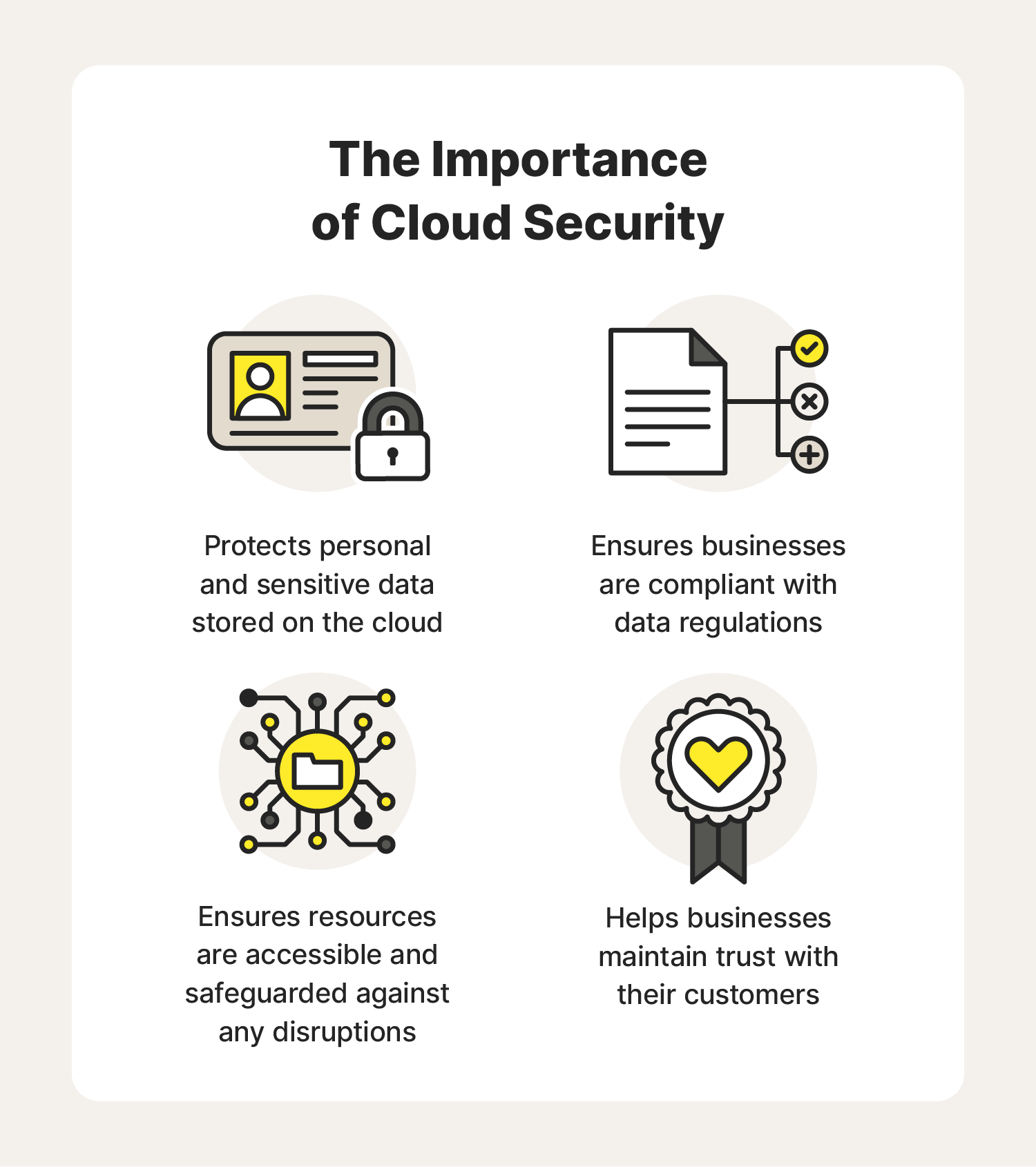
Data Protection: Encryption and Governance
Data is the ultimate target in any cyberattack. Enterprise security strategies must ensure that data remains unintelligible to unauthorized parties, whether it is sitting in storage or moving across the network.
Encryption Standards
At minimum, all data should be encrypted using AES-256 for data at rest. When data is in transit, it should be protected by TLS 1.3. However, encryption is only as secure as the key management strategy. Utilizing a Key Management Service (KMS) that allows the enterprise to manage its own encryption keys—often referred to as "Bring Your Own Key" (BYOK)—provides an additional layer of control, ensuring the CSP cannot access the data without the client's explicit permission.
Data Governance and Sovereignty
Enterprises must also be aware of data residency requirements. Many jurisdictions impose strict rules regarding where data can be stored and processed. Before migrating workloads, ensure that the chosen cloud region aligns with local regulations, such as GDPR (Europe) or specific regional data sovereignty mandates.
Operational Security and Visibility
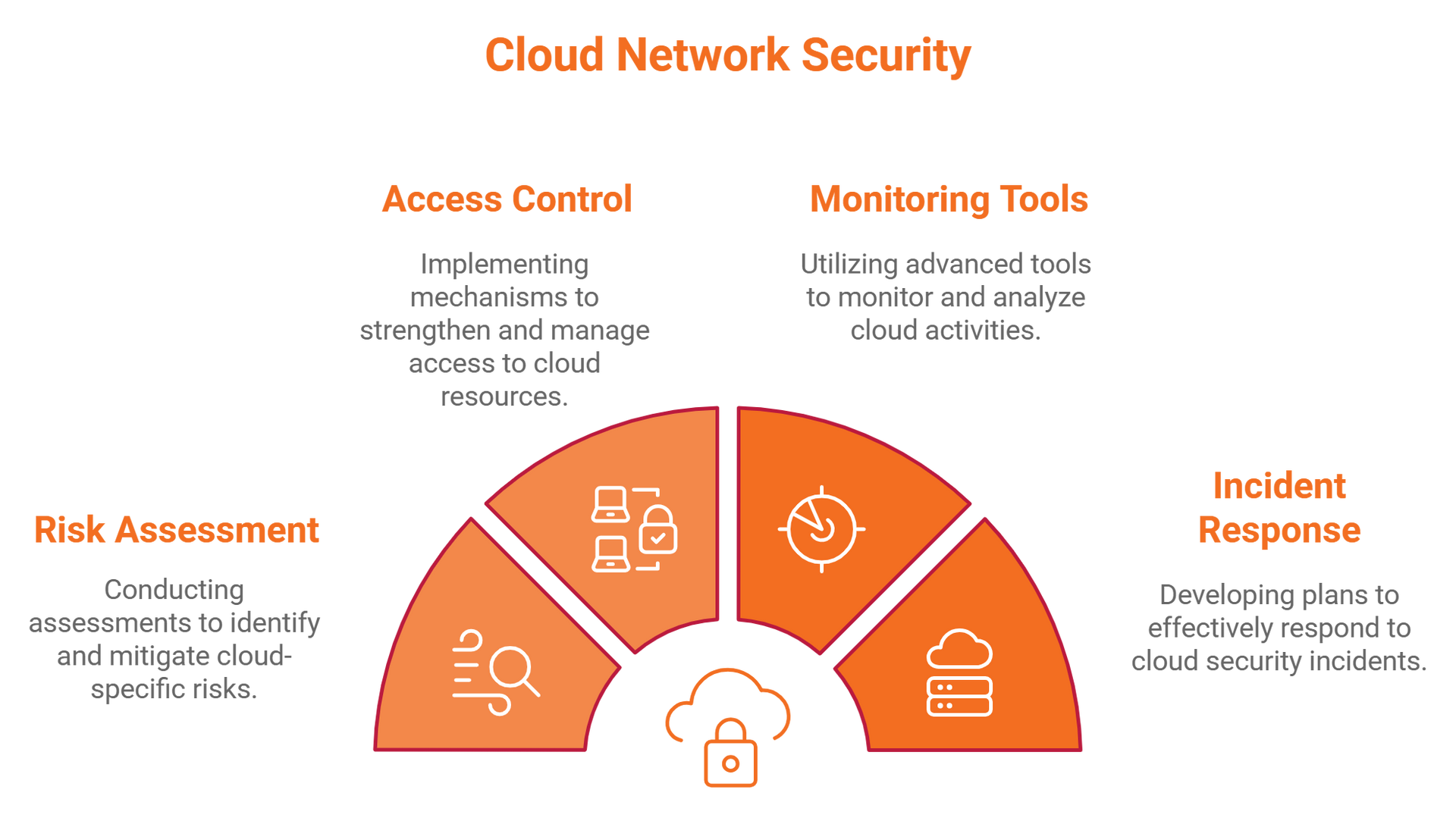
Visibility is the key to incident response. If you cannot see it, you cannot secure it. Enterprises should deploy a Cloud Security Posture Management (CSPM) tool to monitor for misconfigurations, such as open ports or unencrypted databases, across multi-cloud environments.
| Security Component | Enterprise Responsibility | Primary Risk |
|---|---|---|
| IAM | Manage users, roles, and policies | Unauthorized access/privilege escalation |
| Data Encryption | Manage keys and algorithms | Data exfiltration/breach |
| Network Config | Define subnets and security groups | Exposure to public internet |
| Patching | Update OS and applications | Exploitation of known vulnerabilities |
| Incident Logging | Enable and monitor audit logs | Inability to detect or trace attacks |
Observability and Logging
Ensure that logs from all services—including API calls, login attempts, and network traffic—are centralized. In 2026, the use of Security Information and Event Management (SIEM) platforms integrated with automated Security Orchestration, Automation, and Response (SOAR) workflows is standard practice for reducing the time required to detect and remediate threats.
Evaluating Cloud Security Solutions
When selecting security tools or providers, enterprise leadership should prioritize interoperability. The goal is a "single pane of glass" view of the entire stack.
- Automation Readiness: Does the security tool support Infrastructure as Code (IaC)? Security must be baked into the development pipeline, not bolted on afterward.
- Regulatory Compliance: Does the provider offer automated compliance reporting for industry-specific standards like SOC2, HIPAA, or ISO 27001?
- Threat Intelligence Integration: Does the solution update its threat signatures and behavioral patterns in real-time based on current global cyber activity?
Frequently Asked Questions
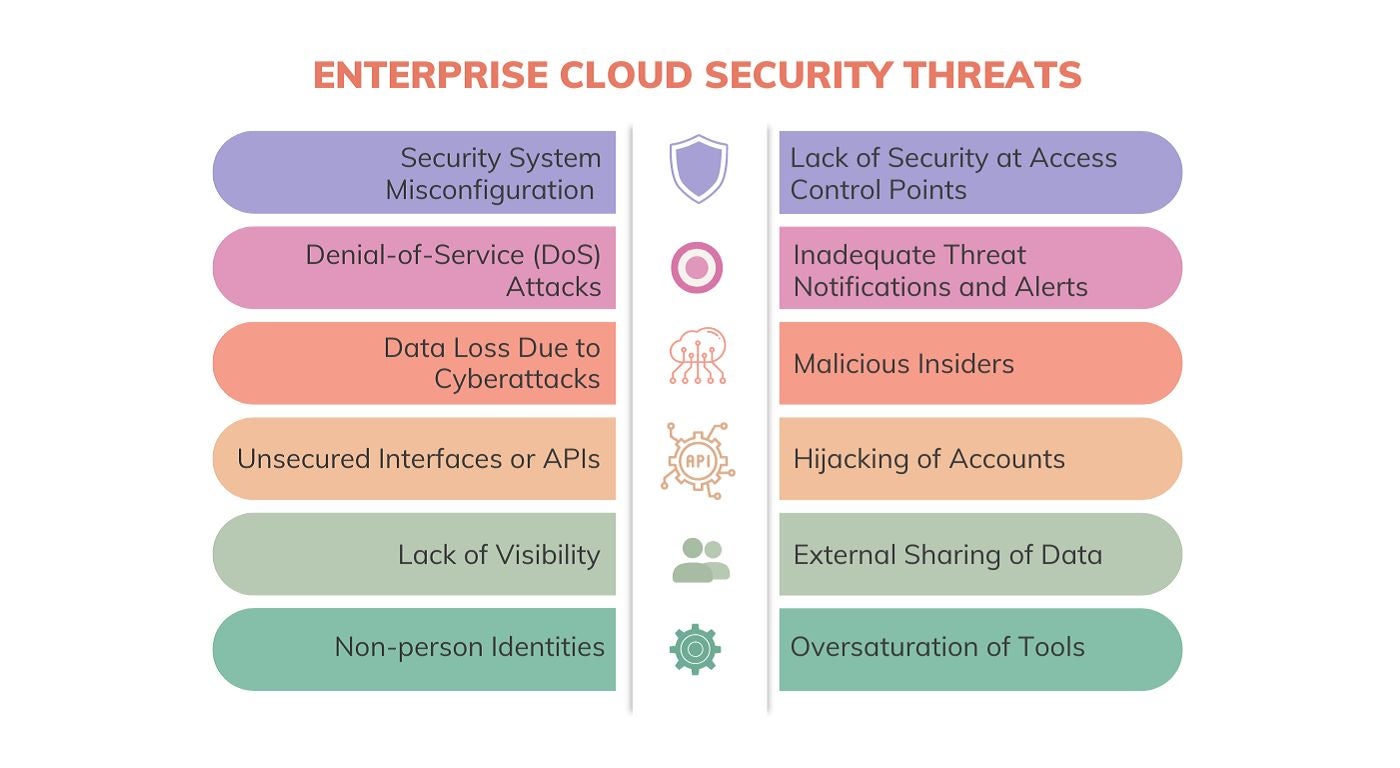
What is the most significant security threat to cloud environments? Misconfiguration remains the leading cause of cloud data breaches. Often, developers inadvertently leave cloud storage buckets public or provide excessive permissions to service accounts, providing an easy entry point for attackers without requiring complex technical exploitation.
How does a Cloud Security Posture Management (CSPM) tool help? A CSPM tool automates the auditing of your cloud environment against security best practices and compliance frameworks. It alerts teams to misconfigurations, such as inactive accounts with high-level access or unencrypted disks, and often provides automated remediation steps to fix these issues before they are exploited.
Is cloud-native security different from on-premises security? Yes. While the goals are similar, the execution differs. Cloud security is inherently software-defined and API-driven. Whereas on-premises security relies on hardware appliances like physical firewalls, cloud security relies on ephemeral, automated policies that scale alongside the infrastructure.
How often should an enterprise audit its cloud security? Security auditing in the cloud should be continuous rather than periodic. While formal audits may occur quarterly or annually, automated monitoring and alerting should run 24/7. Relying on "point-in-time" checks is insufficient for dynamic cloud environments where resources are provisioned and decommissioned in seconds.
What is "Infrastructure as Code" (IaC) security? IaC security involves scanning code—such as Terraform or Bicep templates—for security flaws before the infrastructure is ever deployed. By catching insecure configurations at the development stage, organizations prevent vulnerabilities from ever reaching production.
Recommendations for Next Actions
To strengthen your current security posture, start by conducting a comprehensive audit of your IAM policies. Remove all inactive accounts and rotate credentials for all service accounts. Once access is tightened, ensure that centralized logging is enabled for every cloud service, and verify that these logs are being ingested into a SIEM. If you currently lack an automated posture management tool, prioritize implementing a CSPM solution to gain visibility into your existing misconfigurations, which is the most immediate way to reduce your enterprise's attack surface.
Image Gallery
Select an image to open it in a new tab.



Lars Thomsen
Global Labor Markets and Economic Strategy Editor
