
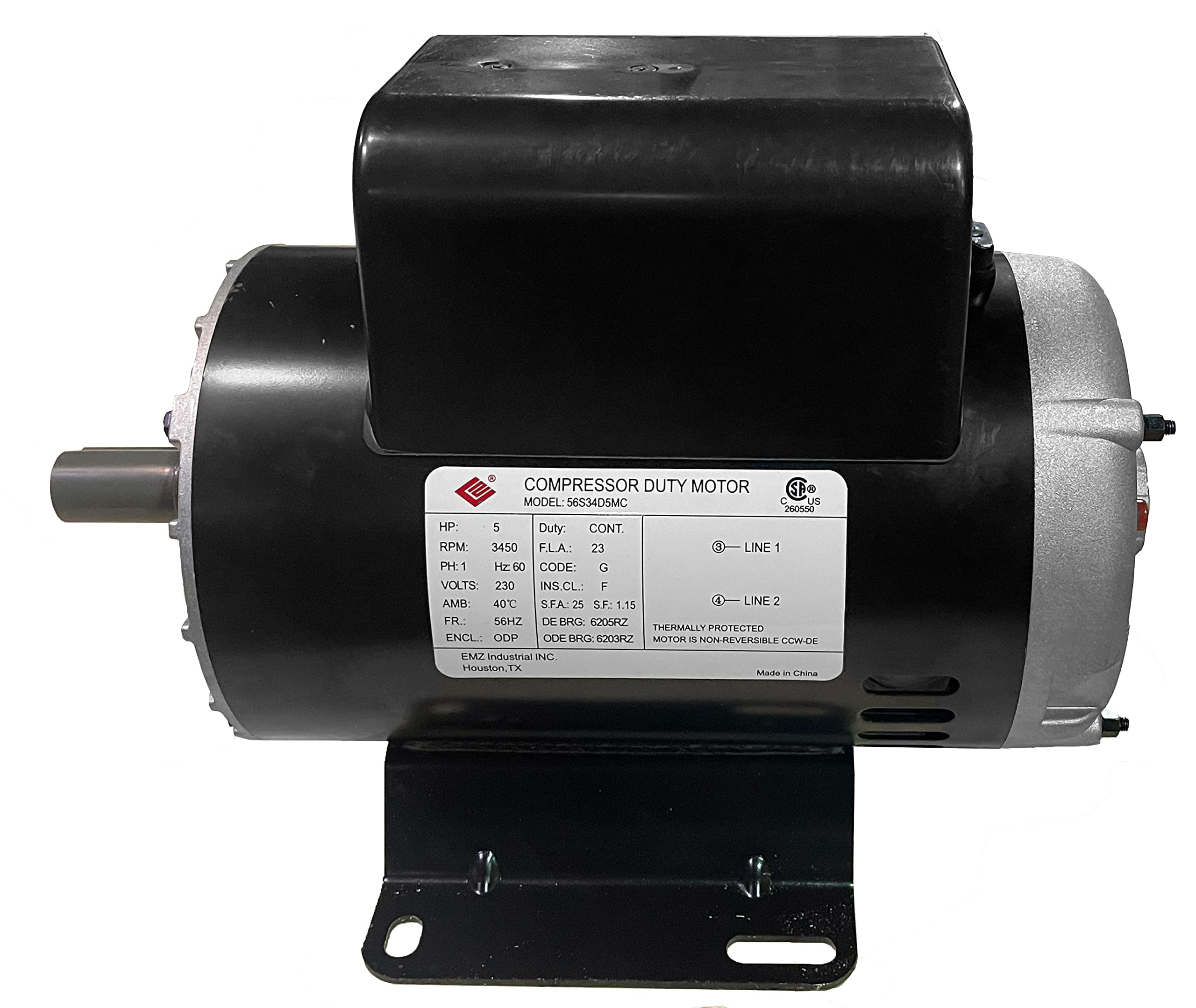
The service factor (SF) on a motor nameplate is a multiplier that defines the additional load an electric motor can handle beyond its rated horsepower for intermittent periods. For example, a motor with a 1.15 service factor can safely operate at 115% of its rated capacity under specific conditions, providing a critical safety margin for unpredictable load fluctuations.
Defining the Service Factor and Its Role in Motor Engineering
In the world of industrial power, the service factor is a standardized metric established primarily by the National Electrical Manufacturers Association (NEMA) under the MG-1 standard. While the rated horsepower (HP) indicates the motor's continuous duty capability at a specific temperature rise, the service factor represents a "reserve" capacity. It is essentially an insurance policy built into the motor’s design to account for real-world variables that exceed ideal laboratory conditions.
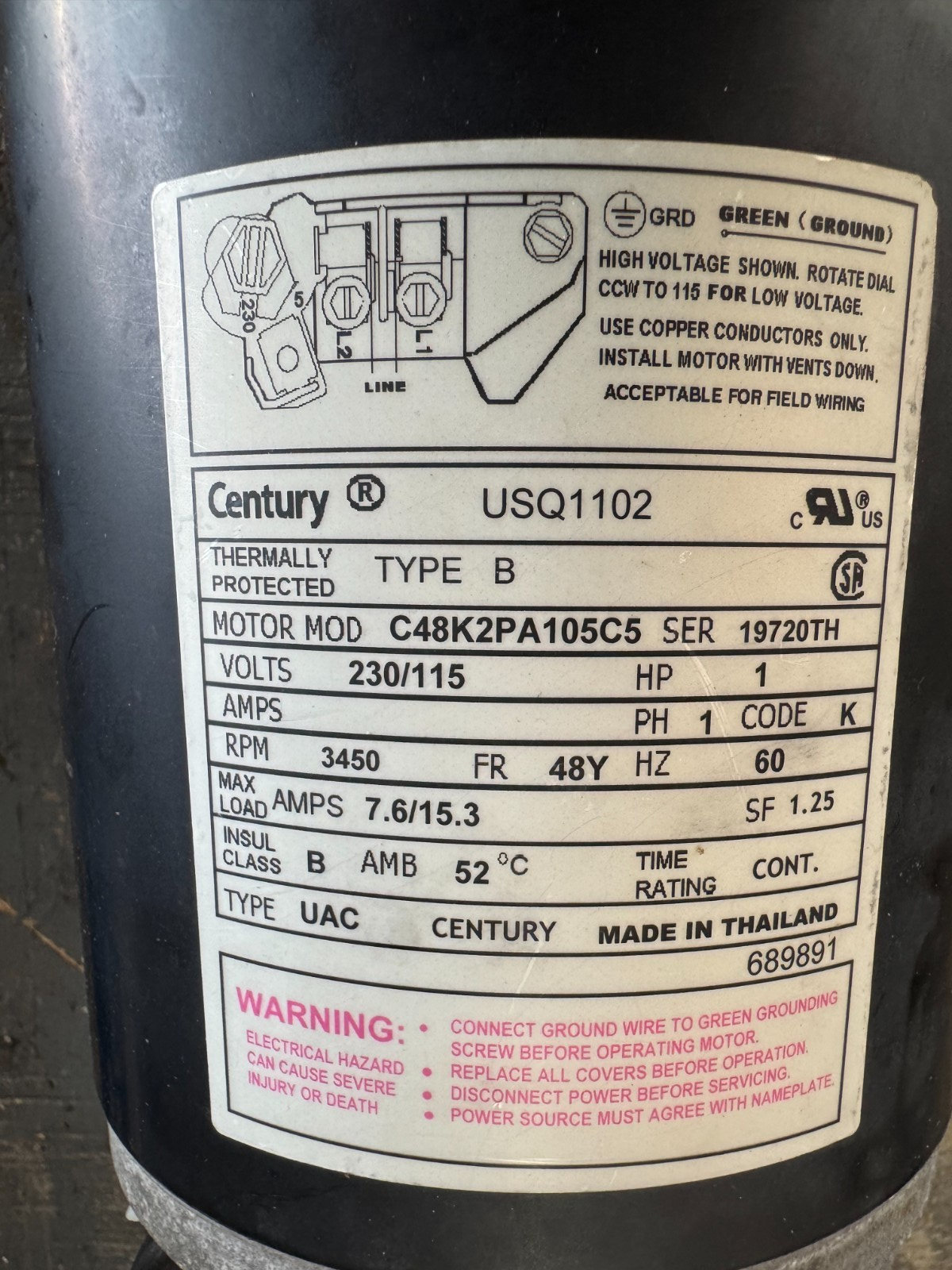
When you look at a nameplate in 2026, the service factor is usually listed as a decimal, such as 1.0, 1.15, or 1.25. A service factor of 1.0 means the motor is strictly designed to operate at its rated horsepower; exceeding this limit, even slightly, will likely lead to overheating and premature failure. Conversely, a 1.15 SF—the most common rating for Open Drip-Proof (ODP) and Totally Enclosed Fan-Cooled (TEFC) motors—indicates that the motor has sufficient thermal and mechanical "headroom" to handle a 15% overload.
Understanding this value is vital because it dictates the longevity of the equipment. The service factor is not intended to allow for continuous over-rating of the motor's performance. Instead, it is designed to manage transient conditions such as high starting torque requirements, occasional peak loads, or slight environmental stresses.
How to Calculate and Interpret Service Factor Load
The mathematical application of the service factor is straightforward, but its practical implications require a deeper understanding of current (amperage). The two most important figures derived from the service factor are the Service Factor Horsepower and the Service Factor Amps (SFA).
Calculating Service Factor Horsepower
To determine the maximum allowable load, you multiply the rated horsepower by the service factor:
- Formula: Rated HP × Service Factor = Maximum Allowable HP
- Example: A 20 HP motor with a 1.15 SF can handle up to 23 HP (20 × 1.15).
Understanding Service Factor Amps (SFA)
While horsepower is the mechanical output, amperage is the electrical input that generates heat. Most nameplates will explicitly list the "SFA." This is the current the motor will draw when operating at its full service factor capacity. If the nameplate does not list the SFA, you can approximate it by multiplying the Full Load Amps (FLA) by the service factor.
However, monitoring SFA is more critical for protection settings. If a technician is setting the thermal overloads on a motor starter, they must decide whether to protect the motor at its rated FLA or its SFA. In 2026, best practices dictate that overloads should be sized based on the FLA to maximize motor life, using the SF only as a buffer for temporary spikes rather than a new "normal" operating point.
The Relationship Between Service Factor and Heat
Heat is the primary enemy of electric motors. The service factor is inextricably linked to the motor’s insulation class (typically Class B, F, or H). When a motor operates within its service factor—for instance, at 110% load on a 1.15 SF motor—it will run hotter than it would at its rated 100% load.
According to the Arrhenius equation applied to electrical insulation, for every 10°C increase in operating temperature above the insulation's design limit, the life of the motor's insulation is effectively cut in half. Operating continuously at the service factor limit typically increases the internal winding temperature by 10°C to 15°C compared to operating at the rated horsepower.
The Thermal Trade-off
While the motor is "rated" to handle this extra heat, doing so consistently accelerates the degradation of the resin and materials protecting the copper windings. Furthermore, excessive heat can thin the grease in the bearings, leading to mechanical failure long before the electrical windings burn out. In industrial environments where uptime is the priority, relying on the service factor as a permanent boost is often viewed as a high-risk strategy that trades short-term gains for long-term capital expenditure.
Why Motors are Designed with a Service Factor
Engineers include a service factor in motor designs to handle several unpredictable factors that occur in industrial and commercial settings. These are not failures of design but rather acknowledgments of the "chaos" inherent in power systems and mechanical loads.
- Voltage Fluctuations: Most motors are designed to operate within ±10% of their rated voltage. However, voltage drops (brownouts) or imbalances between phases can cause a motor to draw more current to perform the same amount of work. The service factor helps the motor survive these periods of poor "power quality" without tripping the breaker or burning out.
- Ambient Temperature Variations: Standard motor ratings assume an ambient temperature of 40°C (104°F). If a facility’s cooling system fails or if a motor is located near a heat source, the service factor provides a small buffer against the reduced cooling efficiency of the surrounding air.
- Inaccurate Load Estimates: It is notoriously difficult to calculate the exact mechanical load of some systems, such as mixers or conveyors, where the viscosity or weight of the material may change. The SF allows for a margin of error in these engineering estimates.
- Altitude Considerations: At higher altitudes, the air is less dense and provides less effective cooling for the motor. A motor with a high service factor at sea level may effectively become a 1.0 SF motor when moved to a facility 5,000 feet above sea level.
NEMA vs. IEC: A Global Comparison of Standards
One of the most common points of confusion for maintenance teams is the difference between NEMA (North American) and IEC (International/European) nameplates.
In the NEMA system, the service factor is a standard component of the nameplate. It reflects a design philosophy that values a built-in safety margin for diverse and often rugged applications.
In contrast, the International Electrotechnical Commission (IEC) standards generally do not use a "Service Factor." Instead, IEC motors are designed based on Duty Cycles (S1 through S10). An IEC S1 motor is rated for continuous duty at its specified power. If an IEC motor needs to handle an overload, the manufacturer typically expects the user to simply buy a larger motor or specify a more rigorous duty cycle (like S3 for intermittent periodic duty).
Because of this, when replacing an older NEMA motor (with a 1.15 SF) with a modern IEC-equivalent motor, it is crucial to ensure the IEC motor has a slightly higher base horsepower rating to compensate for the "lost" service factor safety margin.
Service Factor and Variable Frequency Drives (VFDs)
With the widespread adoption of Variable Frequency Drives (VFDs) in 2026, the service factor has taken on a new layer of complexity. Most modern motors designed specifically for inverter duty carry a 1.0 Service Factor when operated on a VFD.
There are two main reasons for this:
- Harmonic Heating: VFDs do not produce a perfect sine wave. They use Pulse Width Modulation (PWM), which creates "harmonics" that generate additional heat within the motor windings. This heat consumes the margin that would otherwise be used for the service factor.
- Reduced Cooling at Low Speeds: Since most motors are cooled by a shaft-mounted fan, running a motor at low speeds via a VFD significantly reduces the airflow. Under these conditions, the motor cannot dissipate enough heat to support an overload.
If you are retrofitting a standard motor with a 1.15 SF to run on a drive, you must be careful. Most engineers recommend "derating" the motor or treating it as a 1.0 SF motor to prevent overheating across the frequency range.
Service Factor Performance Comparisons
The following table outlines how different service factor ratings impact motor operation and what they signify for the end-user.
| Service Factor (SF) | Load Capacity | Primary Purpose | Impact on Motor Life |
|---|---|---|---|
| 1.0 | 100% of Rated HP | Precision applications; VFD-controlled motors; specific IEC designs. | High; no margin for error. Overloading leads to immediate overheating. |
| 1.15 | 115% of Rated HP | General purpose industrial (TEFC/ODP); handles voltage dips and surges. | Moderate; provides a safety buffer for intermittent spikes. |
| 1.25 | 125% of Rated HP | Heavy-duty applications like rock crushers or high-viscosity pumps. | High Durability; designed for more frequent or prolonged overloads. |
| 1.4+ | 140%+ of Rated HP | Specialty agricultural or extreme-duty motors. | Maximum robustness; rare in standard industrial catalogs. |
Practical Limitations and Common Mistakes
A common mistake in plant management is the "Up-Rating" fallacy. This occurs when a facility needs more production and decides to run a 10 HP motor at its 1.15 SF (11.5 HP) continuously. While the motor will run and likely won't trip the overloads immediately, the cost of this decision is hidden.
Efficiency and Power Factor
When a motor operates in the service factor range, its Efficiency and Power Factor typically decrease. Motors are generally designed to be most efficient at 75% to 100% of their rated load. Pushing the motor into the SF zone increases the "slip" of the rotor and increases the current draw disproportionately to the work being done. This results in higher energy bills and potential penalties from the utility company for low power factor.
Bearing and Seal Wear
The mechanical components of the motor—specifically the bearings and shaft seals—are sized for the rated load. Running at a 15% overload increases the radial and axial forces on the bearings. This leads to increased friction, more heat, and a faster breakdown of lubricants. In 2026, predictive maintenance sensors (vibration and thermal) often flag motors running in the SF range as "high-risk" due to the accelerated wear patterns observed in the data.
Troubleshooting Motor Issues Related to SF
If a motor is frequently tripping or running excessively hot, the service factor provides a clue for troubleshooting:
- Verify Actual Amperage: Use a calibrated clamp meter to measure the actual current on all three phases. Compare this to the FLA and SFA on the nameplate.
- Check Ambient Conditions: If the room is hotter than 40°C, the motor may be tripping even if it is below its service factor limit because it cannot shed heat.
- Inspect for Voltage Imbalance: A small voltage imbalance (e.g., 2%) can cause a significant current imbalance (e.g., 12-15%), which can push one phase into the service factor range while the others remain normal.
- Evaluate the Load: If a pump or fan is running in the SF range, check for mechanical issues like clogged filters, closed valves, or worn-out bearings in the driven equipment that might be creating extra drag.
Frequently Asked Questions
Can a motor be run continuously at its service factor?
While a motor can technically operate at its service factor, it is not recommended for continuous use. Doing so significantly increases operating temperatures, which degrades insulation and shortens the overall lifespan of the motor. It should be used only for intermittent or emergency peak loads.
Why is 1.15 the most common service factor?
The 1.15 rating has become the industry standard because it provides a sufficient "cushion" for the 10% voltage variations common in industrial power grids, while also accounting for the heat generated by minor mechanical inconsistencies without requiring a massive increase in the motor's physical size or cost.
Does the service factor change if I use a VFD?
In most cases, yes. When a motor is operated via a VFD, the service factor is typically reduced to 1.0. This is due to the extra heat generated by electrical harmonics from the drive and the reduced cooling capacity of the motor at lower speeds.
Is the service factor the same as the efficiency rating?
No. The service factor relates to the motor's capacity for overloading, while the efficiency rating (e.g., NEMA Premium Efficiency) measures how effectively the motor converts electrical energy into mechanical energy. A motor can have a high service factor but low efficiency, or vice versa.
How does altitude affect the service factor?
Standard ratings apply up to 3,300 feet (1,000 meters). Above this altitude, the thinner air provides less cooling. As a result, the "real-world" service factor decreases. A motor with a 1.15 SF at sea level may only be capable of a 1.0 SF (or even less) at high altitudes unless it is specifically designed for such environments.
Recommendation for Next Actions
When selecting or maintaining a motor, always treat the Service Factor as a safety margin rather than a performance rating. If your application requires the motor to consistently pull more than its rated horsepower, the most cost-effective and reliable solution in 2026 is to step up to the next standard motor size. This ensures the motor operates at peak efficiency, maintains its insulation integrity, and provides the maximum return on investment through a longer service life. For existing installations, ensure that protection relays and overloads are calibrated primarily to the Full Load Amps (FLA) to prevent the "slow cook" of insulation that occurs during prolonged service factor operation.
Image Gallery
Select an image to open it in a new tab.



Vivian Cho
Executive IT and Emerging Technologies Reporter
