
Paula Deen’s tenure at the Food Network represented the pinnacle of Southern culinary media until her 2013 dismissal following a legal deposition where she admitted to using racial slurs. By 2026, her brand exists primarily through independent digital channels and a robust network of family-owned restaurants, marking a permanent shift from mainstream cable stardom to a specialized, niche audience.
The Architect of Modern Southern Charm
Paula Deen did not just cook Southern food; she exported a specific, idealized version of the American South to a global audience. Her journey began in Savannah, Georgia, with a small home-based catering business called "The Bag Lady." This grassroots start provided her with an "authentic" narrative that the Food Network found irresistible during its expansion in the early 2000s.
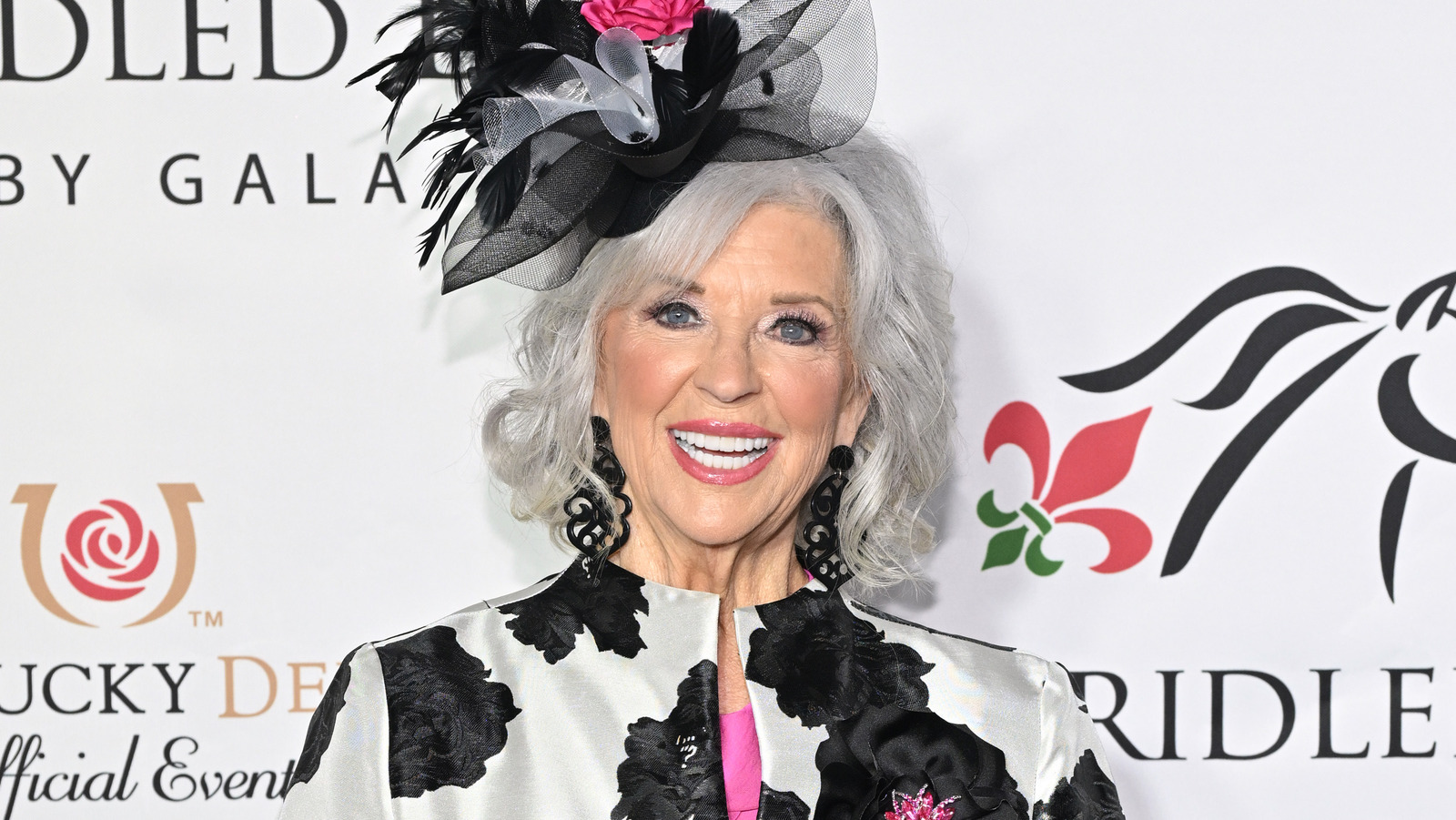
Deen’s persona—characterized by her signature silver hair, vibrant personality, and the liberal use of butter—became the gold standard for Southern Charm. To her audience, she represented a hospitable, grandmotherly figure who prioritized flavor and tradition over health trends. This connection was not merely about recipes; it was about the storytelling and the emotional weight of Southern hospitality.
By the time Paula's Home Cooking premiered in 2002, Deen had become one of the network's most bankable stars. She helped transform the Food Network from a utility-based instructional channel into a lifestyle destination. Her success led to multiple spin-offs, including Paula's Party and Paula's Best Dishes, and earned her two Daytime Emmy Awards. However, this immense popularity also made her a high-profile target for scrutiny regarding the "darker" side of her Southern traditionalism.
The 2012 Health Controversy: A Precursor to Crisis
Before the 2013 racial controversy, Paula Deen faced a significant public relations challenge regarding her health and her brand's impact on public wellness. In January 2012, Deen revealed that she had been diagnosed with Type 2 diabetes three years prior. The timing of this announcement coincided with a lucrative endorsement deal with the pharmaceutical company Novo Nordisk for their diabetes drug, Victoza.
The backlash was immediate and fierce. Critics, most notably fellow chef Anthony Bourdain, accused her of hypocrisy for promoting a high-fat, high-sugar diet while secretly managing a condition caused or exacerbated by those very habits. The controversy raised fundamental questions about the responsibility of food celebrities:
- Ethical Disclosure: Should a public figure disclose a health condition if their brand actively promotes the lifestyle associated with that condition?
- Commercial Interest: Was the delay in announcement motivated by the need to secure a pharmaceutical contract?
- Culinary Integrity: Could "Southern Charm" exist without the heavy ingredients that critics labeled as dangerous?
While Deen survived this initial wave of criticism, it fractured her "indestructible" image and signaled that her brand was no longer immune to social and ethical accountability.

The 2013 Deposition: The Turning Point
The definitive collapse of Paula Deen’s relationship with the Food Network and mainstream corporate America occurred in May and June of 2013. The catalyst was a civil lawsuit filed by Lisa Jackson, a former manager at Uncle Bubba’s Oyster House (a restaurant co-owned by Deen and her brother, Bubba Hiers). Jackson alleged a work environment rife with sexual harassment and racial discrimination.
During a legal deposition related to the case, Deen was asked if she had ever used the "N-word." Her response—"Yes, of course"—sent shockwaves through the media. She further described a desire to host a "Southern plantation-style wedding" featuring African American servers acting as "slaves," though she later clarified she meant it as a tribute to a specific era of service she had seen at another event.
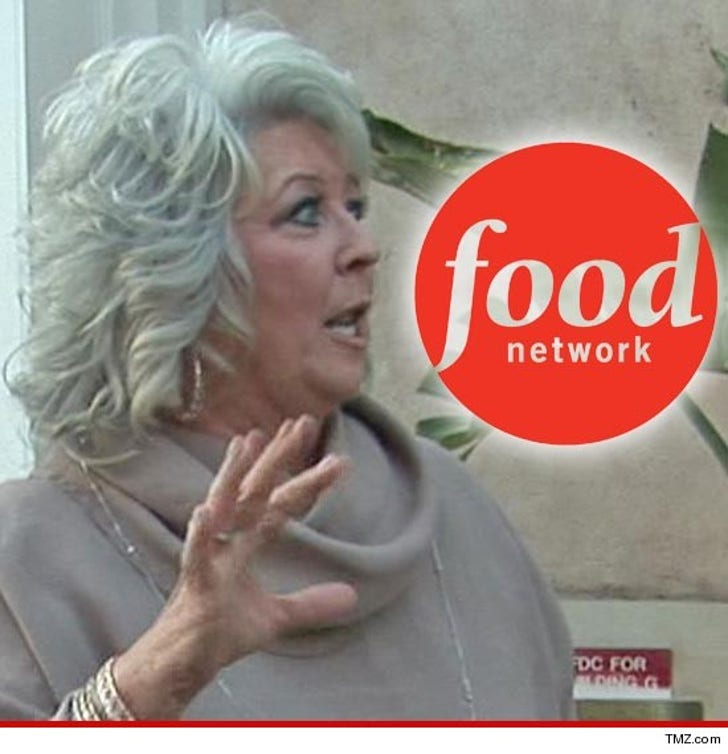
The legal reality was nuanced, as the racial discrimination claims were eventually dismissed by a judge, but the brand damage was irreparable. For the Food Network, the admission was a violation of their brand values. On June 21, 2013, the network announced it would not renew Deen’s contract, effectively ending an eleven-year partnership.
The Corporate Domino Effect
The speed with which Paula Deen was de-platformed remains a case study in modern brand management and "cancel culture" mechanics. Within days of the Food Network's announcement, a massive segment of her corporate empire dissolved.
| Company | Nature of Relationship | Status Post-2013 |
|---|---|---|
| Food Network | Primary Broadcaster | Contract not renewed June 2013 |
| Smithfield Foods | Ham/Meat Endorsement | Partnership terminated immediately |
| Walmart | Cookware and Food Products | Phased out all Deen-branded items |
| Target | Home Goods | Ceased sales of Deen products |
| QVC | Live Shopping Retailer | Suspended relationship |
| Sears/Kmart | Kitchenware | Terminated licensing agreement |
| Caesars Entertainment | Buffet/Restaurant Licensing | Rebranded all Deen-themed buffets |
| Ballantine Books | Publishing | Canceled upcoming cookbook release |
This mass exodus was driven by "brand safety." In the 2010s, corporations became increasingly sensitive to social issues, and Deen’s admissions were viewed as a toxic liability. The loss of these partnerships didn't just cost her millions in immediate revenue; it stripped her of the distribution channels necessary to reach the "casual" fan.
Strategies for Brand Survival and the Digital Pivot
Following the 2013 fallout, Deen did not disappear. Instead, she pivoted toward a direct-to-consumer model. In 2014, she launched the Paula Deen Network, a subscription-based digital service. This was a sophisticated move for the time, recognizing that while mainstream cable was closed to her, her "super-fans" were willing to pay for access.
She also sought redemption through mainstream media appearances, most notably on ABC’s Dancing with the Stars in 2015. While these appearances helped soften her image for some, they did not lead to a return to the Food Network or a major cable home. Her strategy shifted toward:
- Independent Publishing: Moving away from major houses to publish through her own ventures.
- Social Media Engagement: Aggressively building presence on Facebook, YouTube, and eventually TikTok to maintain relevance with younger demographics.
- Physical Destination Dining: Doubling down on her restaurant empire in tourist-heavy locations like Pigeon Forge, Tennessee, and Branson, Missouri.
By owning her distribution and physical locations, Deen insulated herself from the "whims" of network executives, though her reach was significantly smaller than her 2011 peak.
Paula Deen in 2026: The Current Landscape
As of 2026, Paula Deen’s presence in the culinary world is characterized by stability within a niche. She is no longer the "Queen of Southern Cuisine" for the general public, but she remains a titan within the "Southern Comfort" lifestyle segment.
Her business model in 2026 relies heavily on Paula Deen’s Family Kitchen, a restaurant concept that emphasizes family-style dining. These locations remain highly profitable, particularly in the American Southeast and Midwest, where her personal brand still carries significant weight. The menus have evolved slightly to include lighter options, a nod to the 2012 health controversy, but the core remains "butter and tradition."
Technologically, Deen has fully embraced the creator economy. Her YouTube channel features regular uploads that mirror the production value of her old Food Network shows, but without the gatekeeping of a network. This has allowed her to bypass the "controversy" narrative for a new generation of viewers who may not even be aware of the 2013 events, focusing instead on her recipes and "Southern Charm" persona.
The Ethical and Cultural Legacy
The intersection of Paula Deen, the Food Network, and Southern controversy provides a lens into how American culture views the South. Deen’s fall was not just about a single word; it was about the collision of an idealized, "charming" past with a modern demand for social accountability and racial sensitivity.
For the Food Network, the Deen controversy served as a catalyst for diversifying its talent roster. In the years following her departure, the network significantly increased its focus on a wider variety of voices and global cuisines, moving away from the singular, often monolithic representation of American regional food that Deen championed.
FAQ: Understanding the Paula Deen Narrative
Why did the Food Network fire Paula Deen?
The Food Network chose not to renew Paula Deen's contract in June 2013 after she admitted in a legal deposition to using racial slurs in the past. The network cited a commitment to diversity and inclusion as the primary reason for the severance.
Is Paula Deen still on television in 2026?
Paula Deen does not have a regular series on a major mainstream cable network like Food Network or HGTV. However, she appears in various digital formats, self-produced specials, and occasionally as a guest on local or independent broadcasting networks. Her primary "broadcast" home is her official YouTube and social media channels.
Are Paula Deen’s restaurants still open?
Yes, Paula Deen’s Family Kitchen remains a successful franchise in 2026. Major locations continue to operate in cities like Savannah, Pigeon Forge, and Branson. These restaurants are managed primarily through her company, Paula Deen Ventures, and often include large retail components selling her cookware and books.
Did Paula Deen ever apologize for the 2013 incidents?
Deen issued several video apologies shortly after the deposition became public. In these videos, she asked for forgiveness and stated that the slurs she used were from a different time in her life. Public reaction to these apologies was polarized, with some seeing them as sincere and others viewing them as a calculated attempt at damage control.
What is Paula Deen’s estimated net worth in 2026?
While her net worth took a significant hit after 2013 due to the loss of major endorsements, her successful pivot to independent digital media and thriving restaurant franchises has kept her financially robust. Estimates in 2026 place her net worth in the range of $10 million to $15 million, a decrease from her $17 million annual earnings peak in 2012, but still substantial.
Practical Recommendation: Navigating the Deen Legacy
For those interested in Southern culinary traditions, Paula Deen’s library remains a significant resource for "comfort food" techniques. However, users should approach her older content with an understanding of the cultural context in which it was created. For modern Southern cooking that prioritizes both tradition and contemporary social values, many diners and home cooks now look toward a broader array of Southern chefs—such as Mashama Bailey or Sean Brock—who offer a more inclusive and historically nuanced view of the region’s foodways.
If you are visiting Savannah or Pigeon Forge, the Lady & Sons or Paula Deen’s Family Kitchen offers a glimpse into her specific brand of hospitality. These locations are best experienced as "lifestyle destinations" rather than purely culinary ones, as much of the appeal lies in the immersive brand experience she has meticulously maintained since her departure from the Food Network.
Image Gallery
Select an image to open it in a new tab.



Ingrid Bjornson
Global Cyber Policy and Regulation Analyst
