
Hurricane Harvey remains one of the most significant meteorological events in Texas history, yet the specific narrative of its impact on Corpus Christi is often clouded by misconceptions. While the city did not experience the catastrophic inland flooding that devastated Houston or the near-total structural leveling seen in Rockport and Port Aransas, the reality of the event was a complex mix of narrow misses and significant logistical challenges. In Corpus Christi, Hurricane Harvey was primarily a high-wind event characterized by widespread power outages and localized structural damage, rather than the historic inundation many associate with the storm’s name.
The Geography of Landfall: The "Direct Hit" Myth
One of the most persistent myths regarding Hurricane Harvey is that it made a direct landfall in the city of Corpus Christi. In reality, the eye of the Category 4 hurricane made landfall approximately 30 miles to the northeast, near Rockport and Port Aransas, late on the night of August 25, 2017.
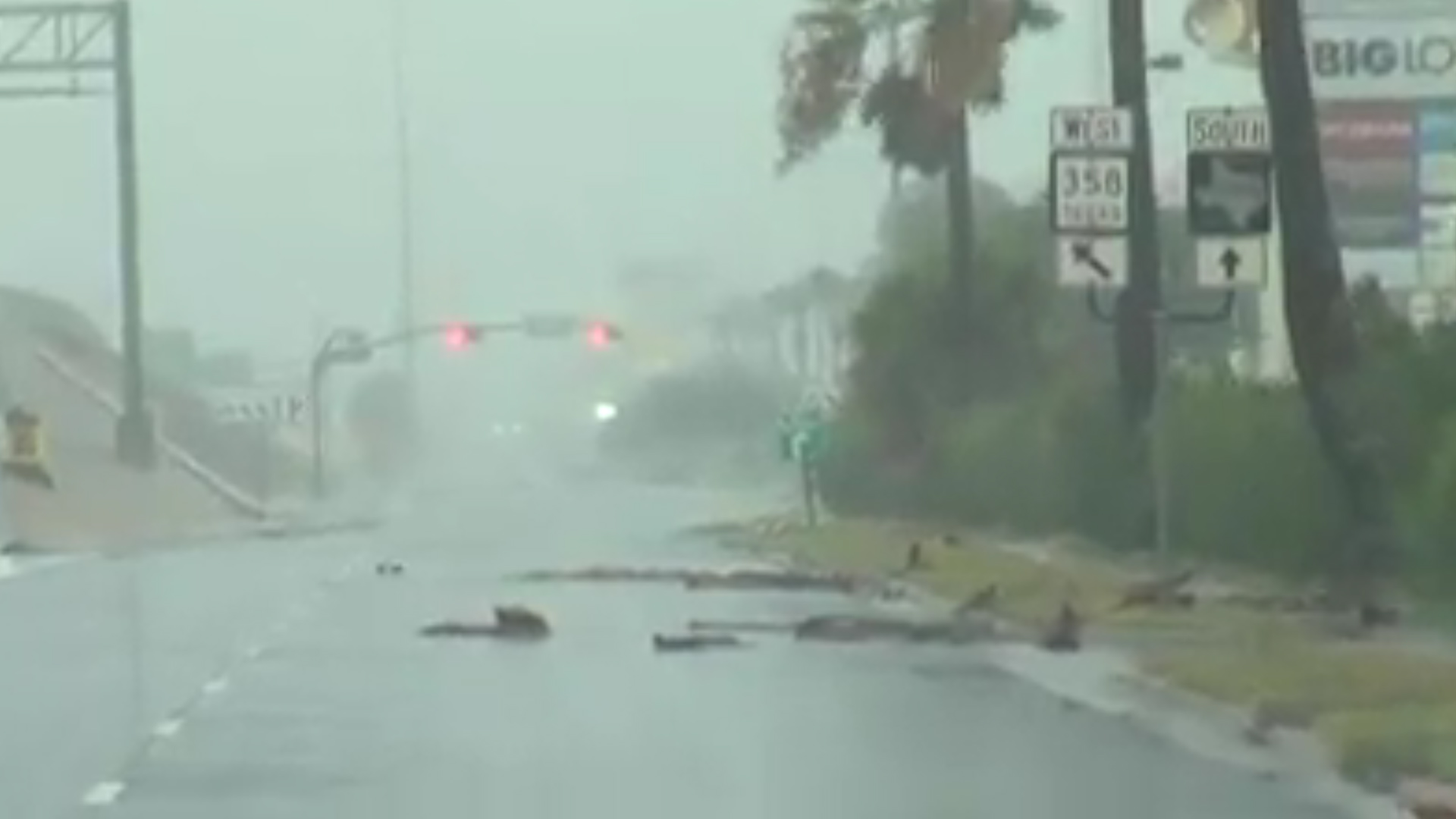
Because Corpus Christi is situated just south of where the eyewall came ashore, the city occupied what meteorologists often call the "clean side" of the storm. In a northern hemisphere cyclone, the front-right quadrant typically experiences the most intense storm surge and highest winds. By being positioned to the southwest of the center, Corpus Christi avoided the absolute peak of the storm’s destructive energy. However, this does not mean the city was unscathed. Residents experienced sustained tropical storm-force winds with frequent hurricane-force gusts, particularly along the bayfront and on North Padre Island.
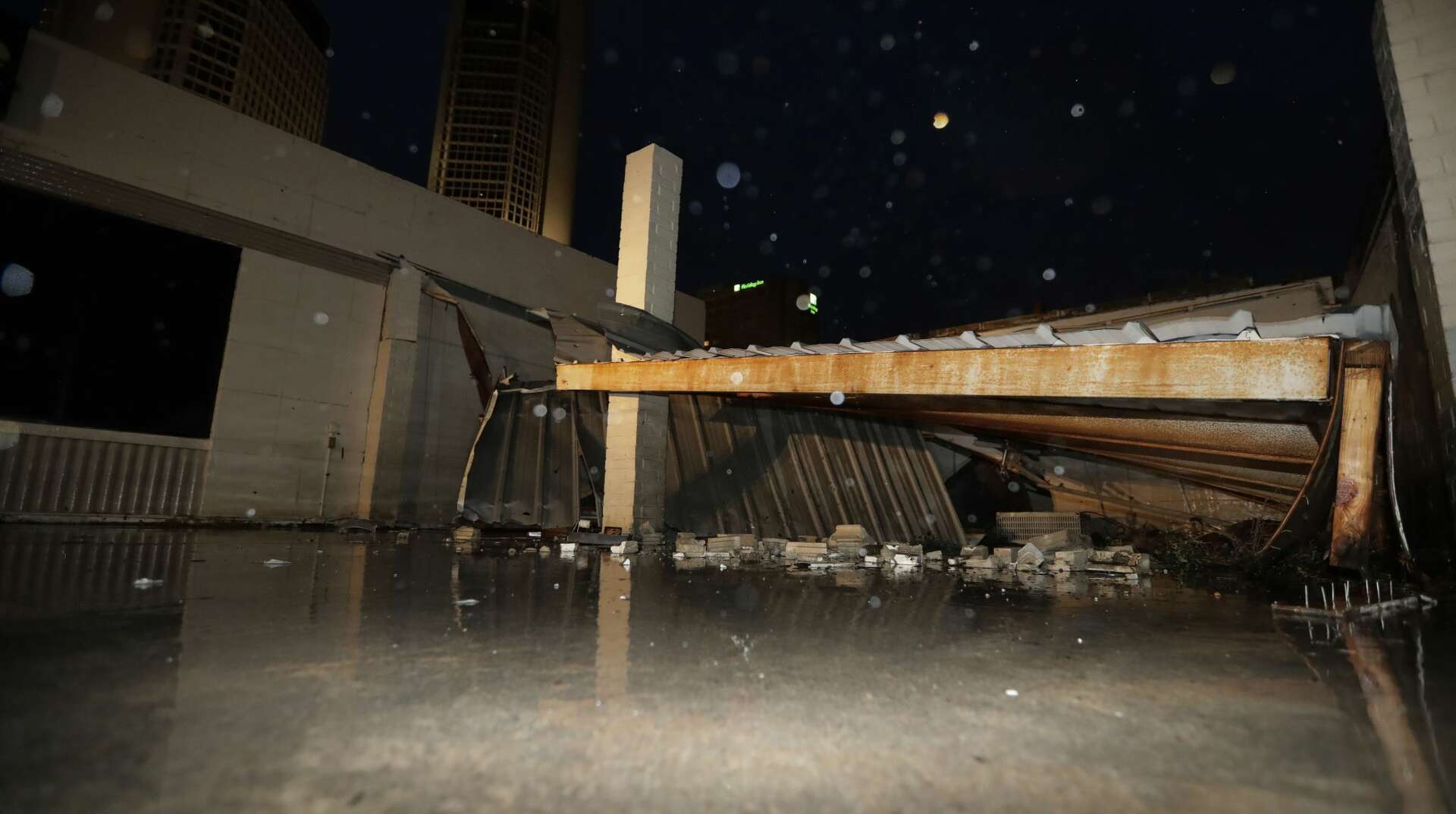
The proximity of the landfall meant that while downtown Corpus Christi saw broken windows and downed signage, communities just a few miles up the coast were essentially erased. This geographical nuance is vital for understanding why the damage reports from "the Corpus Christi area" varied so wildly in the immediate aftermath.
Wind vs. Water: Deconstructing the Flooding Narrative
When people hear "Hurricane Harvey," they immediately think of the 50-plus inches of rain that fell on the Houston metropolitan area. A common myth is that Corpus Christi suffered similar catastrophic flooding.
The Rainfall Reality
The fact is that the rainfall totals in Corpus Christi were significantly lower than those in Southeast Texas. While Houston dealt with unprecedented "rain-trains" where the storm stalled and dumped water for days, the initial path of Harvey moved through the Coastal Bend relatively quickly before meandering toward the east. Corpus Christi generally received between 7 and 11 inches of rain over the course of the event. While this caused typical low-lying street flooding, it did not lead to the widespread home inundation or reservoir overflows that defined the disaster further up the coast.
Storm Surge Misconceptions
Another myth involves the scale of the storm surge within Corpus Christi Bay. Initial forecasts feared a surge of 6 to 12 feet, which would have devastated the bayfront and the lower levels of the downtown area. In reality, the surge at the Corpus Christi T-Head was recorded at approximately 3 to 4 feet. The city’s geography, protected by the barrier islands (Mustang Island and Padre Island), helped buffer the mainland from the most aggressive ocean swells. The barrier islands themselves took the brunt of the surge, protecting the inner bay from the catastrophic wall of water that many had feared.

Structural Impact and Utility Resilience
A common myth circulated in the days following the storm was that the Port of Corpus Christi—a critical hub for global energy—was permanently damaged or would be closed for months. This was factually incorrect.
The Port of Corpus Christi is one of the largest ports in the United States by total revenue tonnage. Because the city was on the weaker side of the storm, the port infrastructure remained largely intact. After a rapid assessment by the U.S. Coast Guard and the Army Corps of Engineers, the port was able to resume limited operations within days and was fully operational shortly thereafter. The resilience of the energy corridor in Corpus Christi was a major factor in preventing a total collapse of the regional economy during the recovery phase.
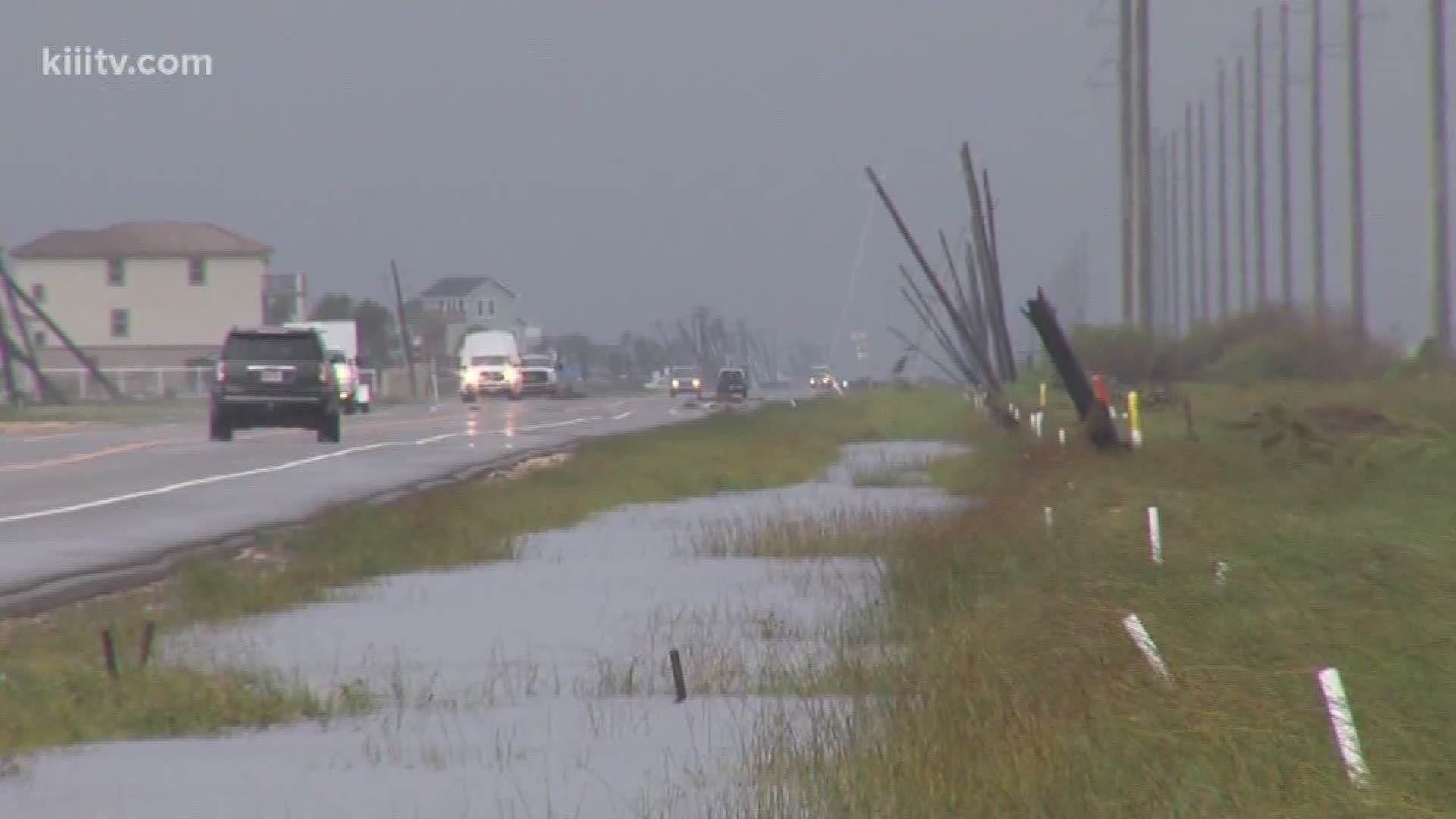
However, the myth that "nothing happened" in Corpus Christi is also false. The city faced a massive utility crisis. Over 100,000 customers in the Coastal Bend lost power, and in many parts of Corpus Christi, it took a week or more to restore electricity. The wind damage to the power grid was extensive, with hundreds of downed poles and tangled lines. The city also faced a significant water pressure issue, leading to a precautionary boil water notice—a frequent occurrence in Corpus Christi’s history that Harvey exacerbated.
Comparing the Coastal Bend Impacts
To understand the "Myth vs. Fact" of Harvey in Corpus Christi, one must look at the city in context with its neighbors. The following table illustrates the disparity in impact between Corpus Christi and the areas that took the direct hit.
| Impact Category | Corpus Christi (The Myth) | Corpus Christi (The Fact) | Rockport/Port Aransas (Direct Hit) |
|---|---|---|---|
| Landfall Status | Direct Hit | Peripheral Impact (30 miles south) | Primary Landfall Site |
| Peak Wind Gusts | 130+ mph | 60–95 mph | 130–150+ mph |
| Storm Surge | 10–12 feet | 3–4 feet | 10–12 feet |
| Rainfall | 50+ inches | 8–11 inches | 15–20 inches |
| Structural Damage | Total Destruction | Minor/Moderate (Fences, Roofs) | Catastrophic (Building Failure) |
| Power Restoration | Immediate | 3–10 Days | Weeks to Months |
The "Abandoned City" Myth: Evacuation and Response
During the approach of Harvey, there was a myth that Corpus Christi was under a mandatory evacuation order for the entire city. In fact, Mayor Joe McComb issued a voluntary evacuation for most of the city, while making it very clear that those who stayed might not have access to emergency services during the height of the storm. Mandatory orders were primarily reserved for low-lying areas and the barrier islands.
This distinction is important because it led to a "ghost town" effect in some neighborhoods, while others remained relatively populated. The fact that the city didn’t experience a mass casualty event is often attributed to the high percentage of residents who took the voluntary warning seriously and headed inland to San Antonio or Austin.
Economic and Real Estate Myths Post-Harvey
In the year following 2017, a myth persisted that property values in Corpus Christi would plummet due to the "hurricane risk." However, historical data showed the opposite. Because the city survived a Category 4 landfall nearby with minimal structural damage to most residential neighborhoods, it actually bolstered investor confidence in the city's elevation and protection by the barrier islands.
By 2026, we can look back and see that the real estate market in Corpus Christi remained robust. The primary economic impact was not a loss of property value, but a sharp increase in insurance premiums. The fact is that Harvey redefined flood zones and windstorm insurance requirements across the Texas coast, making homeownership more expensive even in areas that didn't flood.
Lessons Learned: Preparedness vs. Luck
A dangerous myth that emerged after Harvey is that "Corpus Christi is immune to big hurricanes" because it was spared the worst of Harvey, Celia (1970), and Ike (2008). Experts at the National Hurricane Center and local emergency management officials consistently work to debunk this.
The fact is that Corpus Christi’s "miss" during Harvey was a matter of a few dozen miles. Had the storm tracked 30 miles further south, the 130-mph winds and 10-foot surge would have funneled directly into Corpus Christi Bay. The "myth of immunity" is perhaps the most dangerous legacy of the storm, as it can lead to complacency in future evacuation efforts.
Frequently Asked Questions
Did Corpus Christi get 50 inches of rain during Harvey?
No. While parts of Houston and Southeast Texas received over 50 inches of rain, Corpus Christi typically received between 8 and 11 inches. The city did not experience the catastrophic inland flooding seen in other parts of the state.
Was there a mandatory evacuation for all of Corpus Christi?
No. The evacuation for most of the city was voluntary. Mandatory evacuations were focused on high-risk areas like North Padre Island, Mustang Island, and low-lying coastal zones.
Did the Port of Corpus Christi close permanently?
No. The port closed briefly for safety assessments but was able to resume operations within a few days. It remains one of the most active and vital ports in the United States.
Was the downtown area of Corpus Christi destroyed?
Downtown Corpus Christi suffered minor to moderate damage, such as broken windows, downed signs, and some debris, but the structural integrity of the majority of the buildings remained intact.
Did the barrier islands protect the city?
Yes. Mustang Island and Padre Island acted as a physical buffer, absorbing a significant portion of the storm surge and wave energy before it could reach the mainland shores of Corpus Christi Bay.
What was the highest wind speed recorded in Corpus Christi?
While the airport recorded gusts in the 60-70 mph range, higher gusts near 90 mph were reported closer to the coast and at Naval Air Station Corpus Christi. This was significantly lower than the 130+ mph gusts recorded in Rockport.
Practical Recommendation for Coastal Residents
Based on the factual history of Hurricane Harvey, residents of Corpus Christi should not use the 2017 event as a benchmark for "what a hurricane feels like." Harvey was a near-miss for the city in terms of peak intensity. To stay safe in future seasons, residents should:
- Maintain Windstorm Insurance: Even if your home didn't sustain damage in 2017, the structural integrity and insurance eligibility requirements have evolved. Ensure your policy is up to date through the Texas Windstorm Insurance Association (TWIA).
- Understand Your Zone: Do not rely on "what happened last time." Check updated FEMA flood maps, as drainage patterns and sea levels continue to shift.
- Prepare for Power Loss: The most significant impact on Corpus Christi during Harvey was the loss of infrastructure. Investing in backup power and water storage is more critical than preparing for total structural loss for those in the city center.
- Heed Voluntary Orders: The lack of a "mandatory" tag does not mean a storm is safe. The voluntary evacuation in 2017 likely saved thousands of people from the trauma of being trapped without power or water for a week.
Image Gallery
Select an image to open it in a new tab.


Zara El-Hashem
Sociocultural Dynamics and Academics Writer
