Mona Scott-Young’s Influence on Reality TV: How Monami Productions Redefined Cable Entertainment
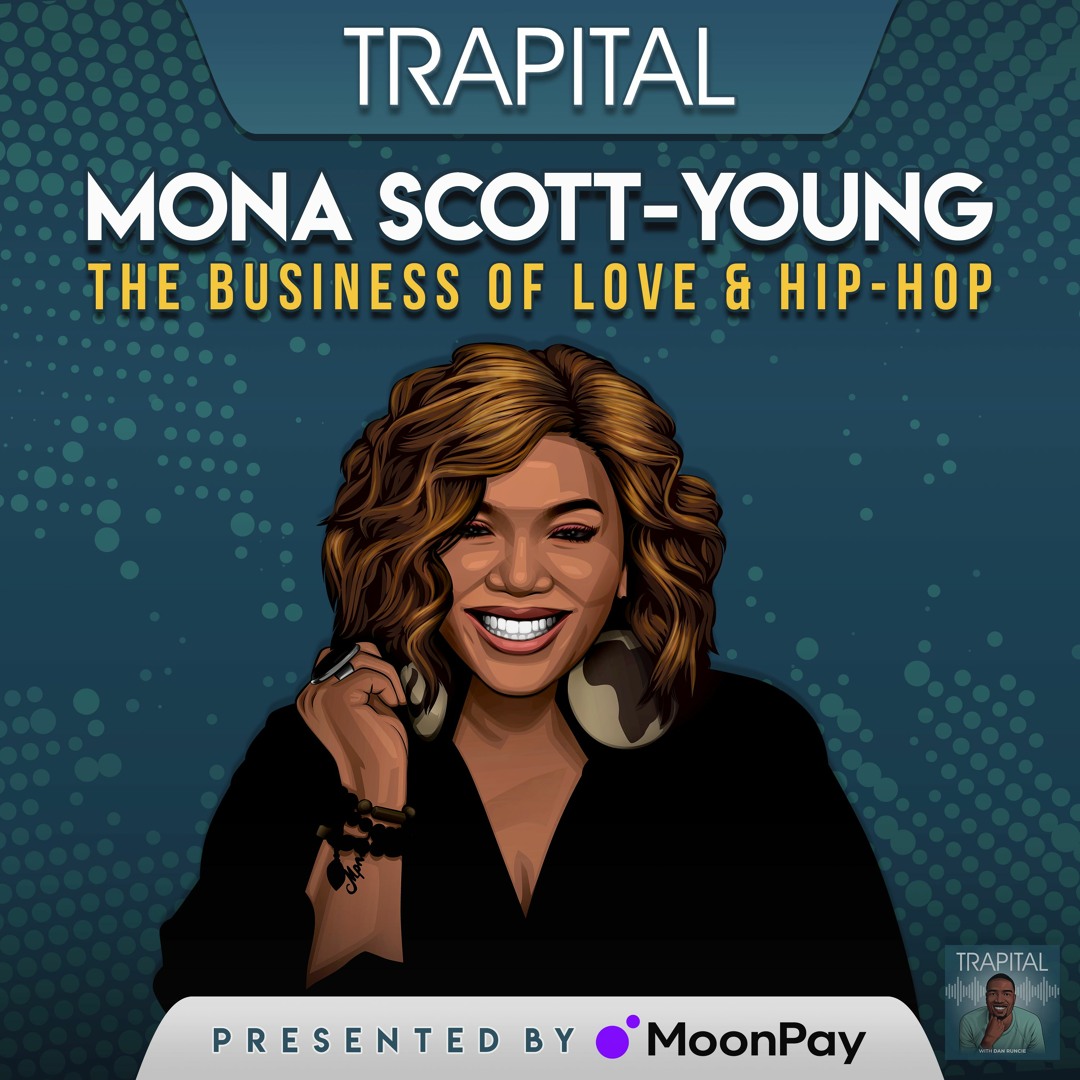
Mona Scott-Young’s influence on reality TV stems from creating the Love & Hip Hop franchise and pioneering docu-soap storytelling centered on hip-hop culture. Transitioning from music management to executive producing via Monami Productions, she reshaped cable programming, elevated Black female executive leadership, and created a blueprint for turning reality exposure into mainstream commercial stardom.
From Music Management to Television Mogul: The Violator Foundation
Before transforming cable television, Mona Scott-Young built her reputation as one of the most formidable executives in the music industry. As co-founder of Violator Management alongside the late Chris Lighty, Scott-Young played a critical role in shaping the careers of hip-hop and R&B icons, including Missy Elliott, Busta Rhymes, LL Cool J, and 50 Cent. Her work at Violator was not merely about booking shows or negotiating recording contracts; it was about brand architecture, crossover marketing, and positioning hip-hop figures as multi-platform entertainment brands.
This extensive background in music management provided Scott-Young with two distinct advantages when she transitioned into television production in the late 2000s:
- Intimate Knowledge of the Music Ecosystem: She understood the personal, financial, and creative tensions inherent in the music business, particularly for women navigating a male-dominated industry.
- Talent Assessment and Narrative Construction: Having spent decades crafting public personas for musical artists, she possessed an acute sense of how personal conflict, ambition, and vulnerability translate into compelling public narrative.
When Scott-Young launched Monami Productions (formerly Monami Entertainment), she recognized a significant gap in the unscripted television landscape. While reality television had established itself as a cable fixture through franchises focusing on affluent suburban lifestyles or generic competition formats, hip-hop culture remained largely peripheral—relegated to music videos, award shows, or sporadic documentary specials. Scott-Young recognized that the real-life drama, creative output, and personal relationships behind the music contained untapped potential for episodic television.
The Birth and Expansion of the Love & Hip Hop Franchise
In 2011, Monami Productions, in partnership with VH1 and Eastern TV, launched Love & Hip Hop (later retitled Love & Hip Hop: New York). The original concept centered on women tied to prominent figures in hip-hop, including Chrissy Lampkin (partner of rapper Jim Jones), Olivia Longott, Somaya Reece, and Emily Bustamante. However, as the series evolved, Scott-Young shifted the narrative focus away from merely being "wives and girlfriends" to showcasing women as independent entrepreneurs, artists, and primary story drivers.
The immediate ratings success of the New York flagship series led to rapid expansion, establishing one of the most successful unscripted franchises in television history:
- Love & Hip Hop: Atlanta (2012): Broke network viewing records for VH1, introducing iconic personalities like Joseline Hernandez, Stevie J, Mimi Faust, and K. Michelle. The Atlanta spin-off became a cultural phenomenon, regularly attracting millions of weekly viewers and dominating social media conversations.
- Love & Hip Hop: Hollywood (2014): Shifted focus to the West Coast music scene, highlighting West Coast hip-hop culture, LGBTQ+ storylines within the urban music community, and digital-era independent music hustle.
- Love & Hip Hop: Miami (2018): Explored Latin trap, reggaeton, and the distinct cultural melting pot of South Florida's music and fashion scene.
The franchise expanded further through numerous spin-off series, reunion specials, and holiday events, including Chrissy & Mr. Jones, K. Michelle: My Life, Leave It to Stevie, and VH1 Family Reunion: Love & Hip Hop Edition. By creating an interconnected television universe, Scott-Young replicated the studio franchise model within unscripted cable TV.

Key Innovations Mona Scott-Young Brought to Reality Television
Mona Scott-Young’s production style introduced several structural and thematic shifts that fundamentally changed how unscripted content is produced, marketed, and consumed.
- MONAMI PRODUCTIONS BLUEPRINT
- MUSIC-TO-REALITY LAUNCHPAD: Transmutes reality fame into music charts & branding
- SECOND-SCREEN ENGAGEMENT: Harnesses social media conversations for live ratings
- BLACK FEMALE EXECUTIVE AGENCY: Retains master IP control & reshapes urban narrative formats
1. The Music-to-Reality Launchpad Model
Prior to Love & Hip Hop, reality television was often viewed as a final stop for declining celebrities or a temporary platform for aspiring influencers. Scott-Young inverted this dynamic, using the show as an incubator for music careers and commercial ventures.
The most prominent example of this model is Cardi B, who joined Love & Hip Hop: New York in Season 6. Scott-Young’s platform allowed Cardi B to showcase her personality, build a massive social media following, and fund her musical projects. Her subsequent transition from reality TV star to chart-topping, Grammy-winning artist proved that unscripted television could serve as a legitimate launching pad for global superstars.
Similarly, artists like K. Michelle, Remy Ma, and Rasheeda Frost utilized the platform to revive recording careers, launch major retail franchises, or secure multi-million-dollar endorsement deals.
2. Docu-Soap Storytelling and Rapid Narrative Pacing
Scott-Young refined the "docu-soap" editing structure. Monami Productions introduced a fast-paced, multi-arc narrative style that balanced personal relationship drama, professional studio sessions, and ensemble group events within a single 44-minute episode. By overlapping multiple storylines and ending episodes on cliffhangers, the production team created high viewer retention rates that rivaled scripted daytime soap operas.
3. Early Adoption of Second-Screen Social Media Dynamics
During the peak growth years of Love & Hip Hop in the early to mid-2010s, Scott-Young capitalized on real-time social media interaction. The shows were produced with "tweetable" moments, catchphrases, and intense interpersonal confrontations designed to generate instant viral memes and trending topics on Twitter (now X) and Instagram. This second-screen engagement transformed passive viewers into active community participants, driving live viewership figures during an era when DVR and streaming were threatening traditional cable broadcast models.
4. Representation Behind the Camera
As a Black female executive founder leading Monami Productions, Scott-Young broke structural barriers in television production. Unscripted executive suites historically lacked Black executive producers who owned their intellectual property. Scott-Young insisted on retaining executive ownership and creative control, setting a precedent for female and minority production heads in Hollywood.
Comparative Analysis: Key Eras of Monami Productions' Impact
To understand the scope of Scott-Young’s contributions to unscripted programming, it is helpful to examine the key evolutionary phases of her television production footprint:
| Era / Phase | Key Shows & Projects | Production & Narrative Focus | Industry Impact |
|---|---|---|---|
| Foundation Era (2011–2013) | Love & Hip Hop: New York, Love & Hip Hop: Atlanta | Focus on personal relationships, behind-the-scenes music industry friction, and female camaraderie. | Proved the commercial viability of hip-hop-centered unscripted programming on mainstream cable. |
| Franchise Expansion Era (2014–2019) | LHH Hollywood, LHH Miami, K. Michelle: My Life, The Gossip Game | Multi-city expansion, incorporation of digital music creators, exploration of LGBTQ+ issues in urban media. | Created a dominant cable ratings powerhouse; established the reality-to-music star pipeline (Cardi B era). |
| Diversification & Scripted Era (2020–2026) | VH1 Family Reunion, Lifetime Original Movies (Reba McEntire's The Hammer), unscripted specials | Diversification into scripted television, holiday movies, streaming partnerships, and retrospective docuseries. | Solidified Monami Productions as a full-service production company across multiple genres and distribution platforms. |
Critical Reception, Controversy, and Cultural Debates
Mona Scott-Young’s influence on reality TV has also been a topic of public debate and cultural critique. As the Love & Hip Hop franchise expanded, it faced scrutiny from media critics, advocacy groups, and viewers regarding its portrayal of Black interpersonal relationships.
Critiques of Interpersonal Conflict
Critics frequently argued that the heavy emphasis on physical altercations, shouting matches, and infidelity perpetuated negative stereotypes about Black women and hip-hop culture. Public petitions and commentary raised questions about whether the dramatic altercations showcased on the platform overshadowed the professional achievements of its cast members.
Executive Defense and Content Authenticity
Scott-Young consistently addressed these critiques by emphasizing authenticity, personal agency, and artistic freedom. In public interviews and industry panels, she noted that the show provided an unvarnished, unscripted look at human relationships within a high-stakes environment. She maintained that cast members were autonomous adults responsible for their actions and that the series accurately reflected real challenges faced by individuals navigating fame, fortune, and emotional distress.
Furthermore, Scott-Young pointed out the double standard often applied to Black unscripted television compared to non-Black reality franchises (such as Bravo's The Real Housewives or MTV's Jersey Shore), which similarly featured dramatic confrontations but faced less systemic questioning of their cultural legitimacy.
The Ripple Effect: How Other Networks Coped the Monami Blueprint
The operational success of Monami Productions forced rival networks and media companies to adapt their programming strategies to capture similar audience demographics.
- Expansion of Urban Docu-Soaps: Networks such as WE tv (Growing Up Hip Hop, Love After Lockup), BET, and the Zeus Network adapted the fast-paced, urban docu-soap model pioneered by Scott-Young.
- Integration of Music Production into Reality Programming: Shows across cable and streaming channels began actively incorporating authentic studio recording sessions, record release parties, and artist management contracts directly into their main character arcs.
- Cross-Platform Talent Monetization: Modern talent management agencies now routinely use reality TV and unscripted docuseries as primary marketing channels for independent music releases, fashion launches, and beauty product lines—a strategy popularized by Monami’s production framework.
Frequently Asked Questions (FAQs)
What is Mona Scott-Young's background before television?
Mona Scott-Young spent over two decades as a top music executive and talent manager. She co-founded Violator Management with Chris Lighty, overseeing the careers of major artists such as Missy Elliott, Busta Rhymes, 50 Cent, and LL Cool J, before transitioning into television production with Monami Productions.
How did Mona Scott-Young create Love & Hip Hop?
The concept originated as a show focused on female partners of hip-hop artists. Scott-Young partnered with creator Jim Ackerman and production company Eastern TV to pitch the show to VH1. She restructured the narrative to emphasize female entrepreneurship, artistic ambition, and the real business dynamics behind the music industry.
Is Mona Scott-Young still involved with Love & Hip Hop?
Yes. Mona Scott-Young remains the founder and CEO of Monami Productions, serving as executive producer across all iterations and spin-offs of the Love & Hip Hop franchise while expanding her production slate into scripted films, documentaries, and digital media.
What other shows or projects has Mona Scott-Young produced?
Beyond the Love & Hip Hop franchise, Scott-Young and Monami Productions have produced The Gossip Game, Money. Power. Respect., Hip Hop Squares, as well as scripted television movies for Lifetime, including Reba McEntire's The Hammer and The Rap Game crossovers.
How did Love & Hip Hop change Cardi B's career?
Cardi B joined Love & Hip Hop: New York in Season 6 as an independent artist and social media personality. The platform gave her worldwide television exposure, enabling her to build a fan base and monetize her musical releases, directly paving the way for her record deal with Atlantic Records and the success of her debut single "Bodak Yellow."
The Legacy and Strategic Blueprint of Monami Productions
Mona Scott-Young’s entry into reality TV redefined how culture, music, and television production intersect. By treating unscripted television as an incubator for multi-platform entrepreneurship rather than a simple entertainment product, she altered the economics of reality TV stardom.
For media executives, producers, and talent, her career provides key operational takeaways:
- Own Your Intellectual Property: Long-term media equity comes from executive production rights and brand stewardship, not just on-screen appearances.
- Capitalize on Cross-Industry Synergies: The most effective unscripted content links television narratives directly to real-world products, music releases, and personal brand ventures.
- Understand and Engage the Audience: Creating content that generates immediate, passionate social media dialogue drives linear cable viewership and extended digital lifespans.
Through vision, executive resilience, and an understanding of urban culture, Mona Scott-Young built an empire that remains a foundational reference point for modern unscripted television.
Image Gallery
Select an image to open it in a new tab.



Omar Farooq
EdTech Innovation and Virtual Pedagogy Journalist
