The Side Effects of Brazilian Laser Hair Removal: Normal Reactions, Rare Risks, and Prevention

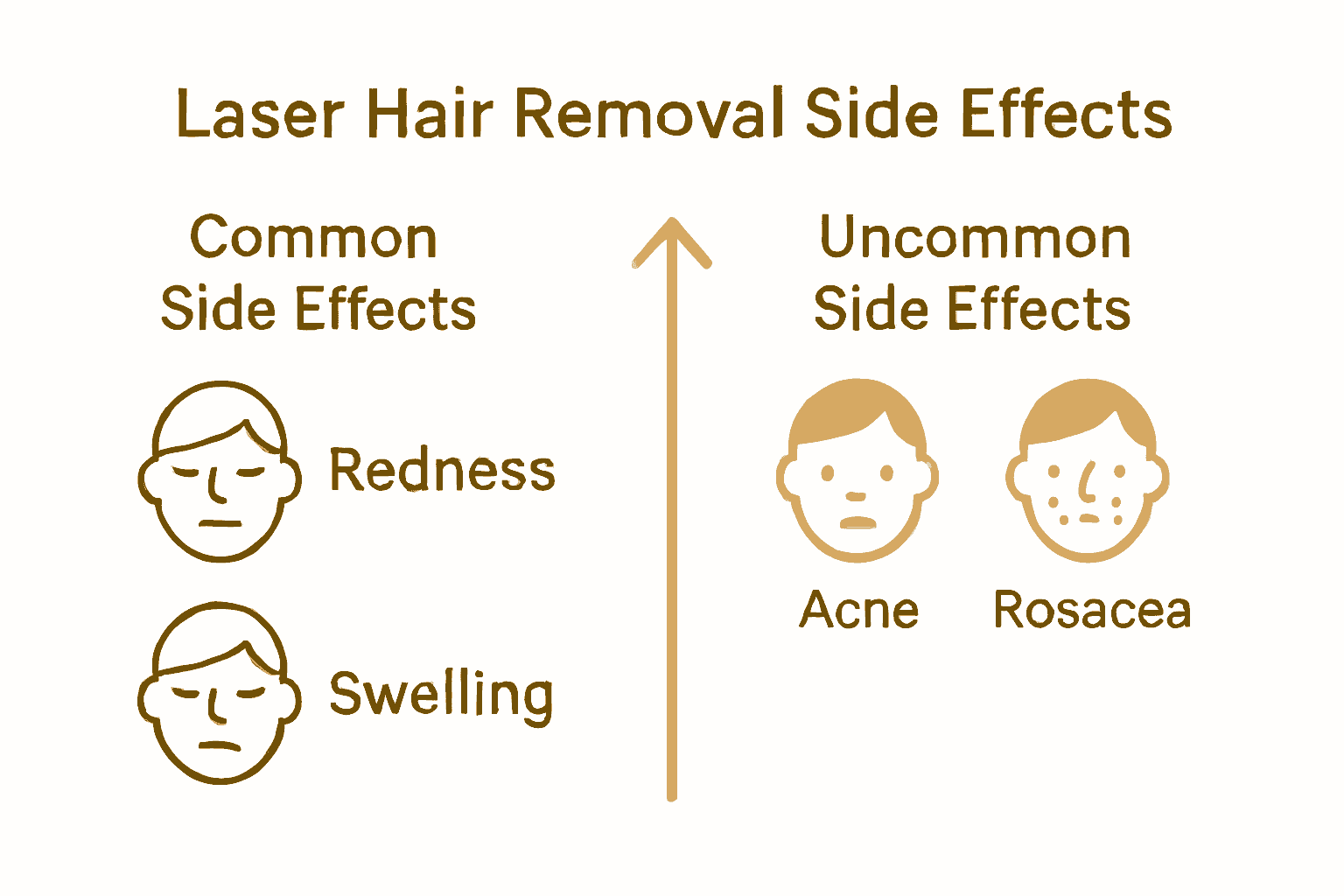
Brazilian laser hair removal is generally safe and highly effective, but common side effects include mild redness, swelling around hair follicles, and temporary heat sensitivity lasting 24 to 48 hours. Rare risks include skin discoloration, blistering, scarring, or paradoxical hair growth, which primarily occur due to improper settings, recent sun exposure, or unverified technician credentials.
Medical Disclaimer: This article is for informational purposes only and does not constitute formal medical advice. Consult a board-certified dermatologist or licensed healthcare provider for individualized evaluation, diagnosis, and treatment planning.
Understanding Brazilian Laser Hair Removal and Sensitive Skin
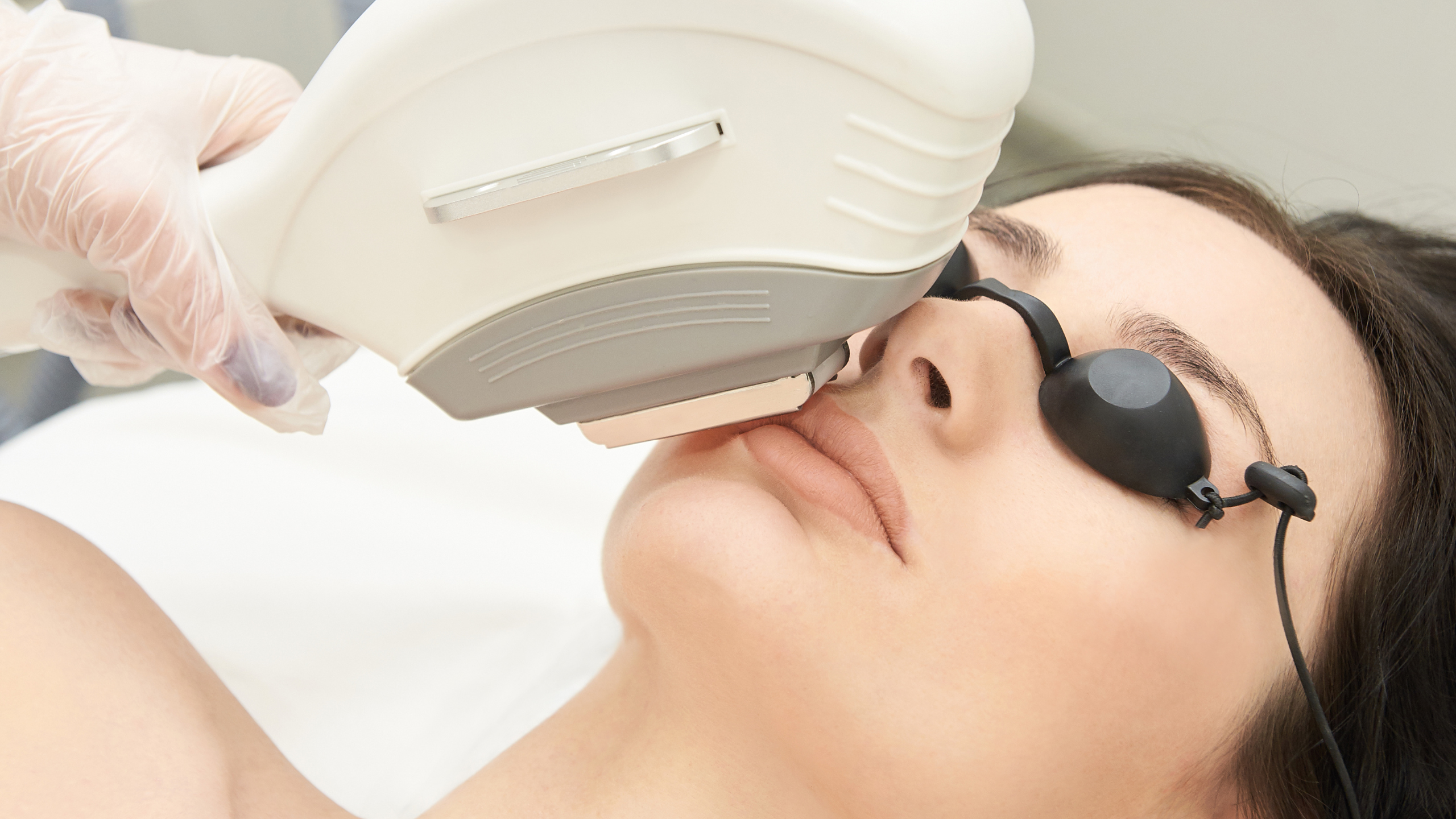
Laser hair removal relies on the principle of selective photothermolysis. During treatment, a specialized device emits concentrated wavelengths of light absorbed by melanin, the natural pigment inside the hair follicle. This optical energy converts into thermal energy, destroying the follicle’s germinative matrix and preventing future hair growth without permanently damaging surrounding skin tissues.
A Brazilian treatment targets hair across the entire pubic mound, labia or scrotum, perineum, and perianal regions. Because the pubic region features some of the thinnest, most delicate skin on the body, it responds differently than larger, thicker anatomical areas like the legs or back.
Several physiological factors make the intimate zone uniquely vulnerable to side effects:
- Vascularity and Nerve Density: The genital and perineal tissues possess a dense network of blood vessels and sensitive nerve endings, lowering the pain threshold and accelerating localized inflammatory responses such as redness and swelling.
- Natural Hyperpigmentation: Pubic and perianal skin frequently exhibits higher base levels of melanin than adjacent skin areas. Because lasers target pigment, higher baseline melanin increases the risk of thermal energy absorption by the epidermal surface rather than the deeper hair root.
- Friction and Occlusion: The groin area is subject to constant friction from walking, tight clothing, and skin-on-skin contact. Combined with heat and sweat, occlusion creates an environment where irritated skin can easily develop secondary infections or persistent inflammation.
Understanding these anatomical characteristics clarifies why post-treatment care and precise technician calibration are crucial to preventing complications.
Normal and Expected Side Effects
Immediately after a Brazilian laser session, the skin exhibits predictable physiological responses. These signs indicate that the laser delivered sufficient thermal energy to the targeted hair follicles.
Post-Treatment Timeline:
- 0 to 2 Hours: Peak erythema (redness) & perifollicular edema (swelling around hair shafts)
- 12 to 24 Hours: Subsided warmth; mild sensitivity similar to a surface sunburn
- 24 to 48 Hours: Complete resolution of swelling and surface tenderness
- 1 to 3 Weeks: Shedding phase (dead hair shafts fall out of treated follicles)
1. Erythema (Skin Redness)
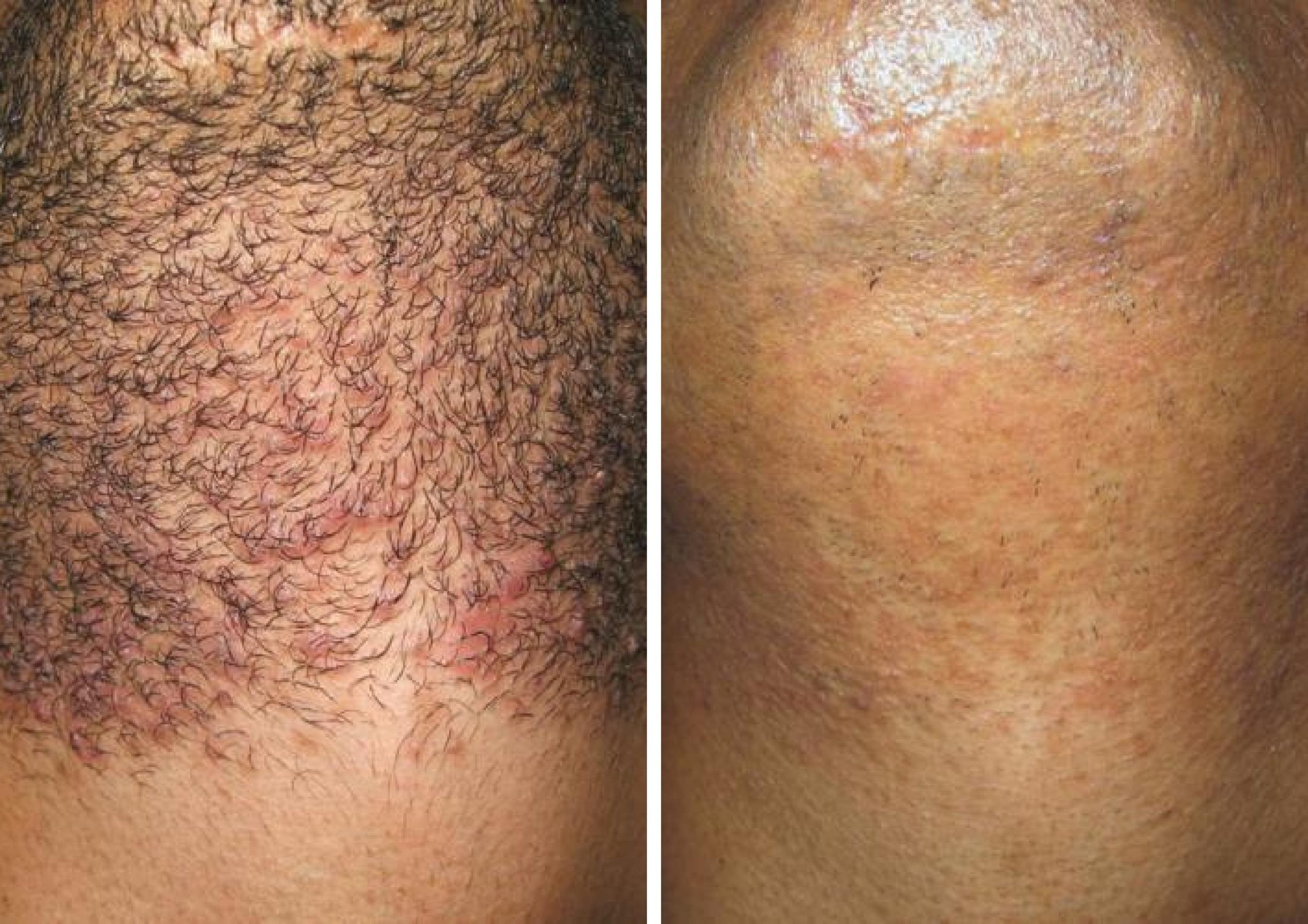
Erythema is the localized reddening of the skin caused by increased blood flow to the targeted area. As thermal energy dissipates into the dermis, local capillary vessels dilate. In light-to-medium skin tones, this presents as a pinkish or reddish hue across the bikini area. In darker skin tones, the treated area may appear slightly darker or cast a subtle purplish tint. Erythema typically peaks within two hours after the session and subsides within 12 to 24 hours.
2. Perifollicular Edema (Follicular Swelling)
Perifollicular edema appears as tiny, raised bumps surrounding individual hair follicles, often resembling "goosebumps" or small hives. This reaction confirms that the follicle absorbed sufficient thermal energy to trigger an inflammatory repair cycle. It is a healthy indicator of treatment efficacy rather than an allergic reaction. Perifollicular edema generally resolves completely within 24 hours when supported by gentle cooling measures.
3. Mild Heat Sensation and Tenderness
During and immediately after the procedure, patients often experience a warm sensation comparable to a mild sunburn. The labial folds and perineum are particularly sensitive to this residual heat. This sensation should steadily diminish over the first few hours post-treatment as the tissue cools.
4. Hair Shedding Phase
Between 5 and 21 days following a treatment session, targeted hair shafts begin to eject from damaged follicles. This shedding phase is frequently mistaken for rapid hair growth or stubble formation. Unlike active growth, these hair shafts are dead skin structures rising to the surface to fall out naturally. Exfoliating gently with a soft washcloth after the first week helps clear these loose hairs without pulling or irritating the healing skin.
Adverse Effects, Rare Risks, and Complications
While temporary inflammation is expected, unexpected complications can occur if treatment parameters are miscalculated, if pre-treatment instructions are ignored, or if an unsuitable laser wavelength is applied.
Pigmentary Alterations: Hyperpigmentation and Hypopigmentation
Changes in skin pigmentation occur when thermal injury affects epidermal melanocytes (the cells responsible for producing skin color).
- Post-Inflammatory Hyperpigmentation (PIH): PIH appears as dark spots or patches over the treated area. It occurs when excess heat triggers an overproduction of melanin during the healing phase. PIH is more prevalent in individuals with olive, brown, or deep skin tones (Fitzpatrick Types IV–VI). While PIH typically fades over several months, active sun exposure or ongoing heat exposure can prolong discoloration.
- Hypopigmentation: Hypopigmentation refers to the lightening or loss of pigment in the treated skin. This occurs when intense heat damages melanocytes, impairing their ability to synthesize melanin. Hypopigmentation is often more difficult to resolve than hyperpigmentation and can occasionally be permanent.
Thermal Burns and Blistering
Thermal burns occur when the epidermis absorbs an excessive amount of optical energy. This can happen if the energy density (fluence) is set too high, if the integrated cooling system fails, or if a patient has active self-tanners or recent sun exposure on the skin.
Burns may manifest as severe redness, localized swelling, clear fluid-filled blisters (bullae), or crusting. Blistering in the sensitive Brazilian area carries a high risk of secondary infection and demands immediate clinical evaluation.
Paradoxical Hypertrichosis
Paradoxical hypertrichosis is a rare phenomenon characterized by an increase in hair density, color, or coarseness in or immediately adjacent to the treated area. It is thought to occur when low-level, sub-therapeutic thermal energy stimulates fine, dormant vellus hairs into active terminal growth phases rather than destroying them. This risk is highest when using inappropriate energy settings or treating fine, light hair with high-fluence devices.
Folliculitis and Secondary Infections
Folliculitis is an inflammation or infection of the hair follicles, appearing as small, pus-filled whiteheads or red bumps. Because laser energy temporarily destabilizes the protective skin barrier and opens the follicular pore, opportunistic micro-organisms—such as Staphylococcus aureus or fungal flora—can enter.
Preventing Post-Laser Folliculitis:
- Wear loose-fitting, breathable cotton underwear for 48 hours.
- Avoid sweat-inducing activities (gym, hot yoga, saunas).
- Keep the area clean using mild, fragrance-free cleansers.
- Refrain from picking, scratching, or popping elevated bumps.
Patients with a history of the Herpes Simplex Virus (HSV-1 or HSV-2) may experience a viral outbreak triggered by the heat and light of the laser. Prophylactic antiviral medication, prescribed by a physician prior to treatment, mitigates this risk.
Scarring and Keloids
True scarring is an extremely rare complication of modern cosmetic laser treatments. It usually occurs only as a secondary consequence of thermal burns, severe blistering, or secondary bacterial infection. Individuals with a personal or familial history of keloid formation or hypertrophic scars face a higher risk of raised tissue formation if the skin surface breaks.
Laser Technologies and Fitzpatrick Skin Classification
Selecting the appropriate laser modality for your specific skin type is the single most effective way to prevent severe side effects. Dermatologists classify skin using the Fitzpatrick Skin Phototype scale, which categorizes skin from Type I (very fair, always burns) to Type VI (deeply pigmented, rarely burns).
| Laser Wavelength | Wavelength (nm) | Primary Target | Ideal Fitzpatrick Skin Types | Primary Risk Profile | Best Suited For |
|---|---|---|---|---|---|
| Alexandrite | 755 nm | High melanin absorption | Types I – III | Higher risk of PIH and burns in darker skin tones due to strong melanin absorption. | Pale to fair skin with coarse, dark hair. |
| Diode | 810 nm | Balanced absorption and depth | Types I – IV (V with caution) | Moderate risk; requires active contact cooling to protect the epidermis. | Medium, olive, or lightly tanned skin. |
| Nd:YAG | 1064 nm | Deep penetration; low melanin absorption | Types IV – VI | Lowest risk of epidermal damage in dark skin; higher transient discomfort due to deep tissue warmth. | Dark brown to deeply pigmented skin; thick, deep hair roots. |
| IPL (Intense Pulsed Light) | 500 – 1200 nm (Broadband) | Broad spectrum | Types I – III (Not a true laser) | Highest overall risk of burns and pigmentary changes due to uncollimated light dispersion. | Fine surface hair on light skin (generally not recommended for deep Brazilian hair). |
Pre-Treatment Risk Mitigation Guidelines
Minimizing side effects begins weeks before entering the treatment room. Adhering to evidence-based preparation protocols drastically reduces the probability of adverse thermal reactions.
Pre-Treatment Checklist:
- Stop waxing, plucking, and threading 4 to 6 weeks prior.
- Cease all sun exposure, tanning beds, and self-tanning creams 2 to 4 weeks prior.
- Discontinue topical retinoids, AHAs/BHAs near the treatment area 5 to 7 days prior.
- Closely shave the Brazilian area 12 to 24 hours before the appointment.
- Arrive with clean skin free of lotions, deodorants, oils, or numbing creams.
- Cease Hair Extraction Methods (4 to 6 Weeks Prior): Laser energy requires an intact hair root within the follicle to act as the target chromophore. Plucking, waxing, sugaring, or electrolysis removes the root entirely, rendering the laser ineffective and increasing the risk of misdirected heat absorption.
- Eliminate Tanning and Self-Tanners (2 to 4 Weeks Prior): UV radiation and dihydro-acetone (the active chemical in sunless tanners) artificially increase epidermal melanin. Operating a laser on tanned skin dramatically elevates the risk of surface burns, blistering, and hyperpigmentation.
- Review Medication Profile: Certain prescription medications induce photosensitivity, rendering skin hyper-reactive to light energy.
- Common photosensitizing agents: Doxycycline, tetracycline, hydrochlorothiazide, isotretinoin (Accutane), and certain topical retinoids. Isotretinoin use typically requires a wait time of 6 months prior to laser interventions to ensure epidermal integrity.
- Shave the Area (12 to 24 Hours Prior): Shaving removes surface hair while leaving the subterranean root intact. If long hair remains on the surface during treatment, the laser energy will burn the hair shaft against the skin, causing thermal surface burns.
- Avoid Active Topical Skincare: Refrain from applying chemical exfoliants (glycolic acid, salicylic acid, lactic acid), astringents, or topical retinoids to the pubic zone for at least 5 to 7 days before your session.
Post-Treatment Recovery Protocol
Proper aftercare speeds up healing, calms inflammation, and minimizes the risk of infection or hyperpigmentation.
Immediate Post-Care (First 24 Hours)
- Apply Cool Compresses: Apply a clean, cold cloth or a cloth-wrapped ice pack to the area for 10-15 minutes at a time to reduce swelling and clear residual heat.
- Apply Pure Aloe Vera Gel: Use fragrance-free, medical-grade aloe vera or simple soothing hydrogels recommended by your practitioner. Avoid heavy petroleum jellies (like standard Vaseline) immediately after treatment, as thick occlusives trap heat within the skin layers.
- Wear Loose Cotton Underwear: Avoid tight-fitting synthetic underwear, thongs, lace, leggings, or denim. Loose clothing minimizes mechanical friction against sensitized hair follicles.
Intermediate Aftercare (24 to 72 Hours)
- Avoid External Heat Sources: Steer clear of hot showers, saunas, steam rooms, and hot tubs. Wash the area with cool or tepid water using a mild, unfragranced cleanser.
- Pause Strenuous Exercise: Vigorous workouts cause sweating and mechanical friction in the groin region, which can introduce bacteria into vulnerable open pores and worsen folliculitis.
- Skip Chlorine and Saltwater: Avoid swimming pools and open bodies of water until skin redness and perifollicular edema completely resolve.
When to Seek Medical Attention
While mild redness and slight bumps are normal, certain signs indicate an adverse reaction or secondary infection that requires prompt professional intervention:
- Blistering or Skin Peeling: Open sores or fluid-filled sacs indicate a thermal burn.
- Severe or worsening pain: Pain that escalates hours or days after treatment rather than dissipating.
- Pus, Oozing, or Honey-Colored Crusting: Clear indicators of a localized bacterial infection or severe folliculitis.
- Spreading Erythema or Red Streaks: Redness that expands outward from the treated area over time, accompanied by warmth or tenderness.
- Systemic Symptoms: Development of a fever, chills, or generalized malaise following your treatment.
If any of these signs appear, contact your laser clinic immediately, or consult a board-certified dermatologist or primary care provider.
Frequently Asked Questions
Does Brazilian laser hair removal affect internal reproductive organs or fertility?
No. Medical lasers used for hair removal (ranging from 755 nm to 1064 nm) penetrate only a few millimeters into the cutaneous tissue—specifically reaching the depth of the hair follicle in the dermis. The light energy cannot pass through structural muscle tissue, dense fascia, or pelvic bones to reach the uterus, ovaries, or internal reproductive systems.
Is Brazilian laser hair removal safe for dark skin tones?
Yes, provided the treatment is administered using an appropriate long-pulsed Nd:YAG laser (1064 nm wavelength). The Nd:YAG laser bypasses the high concentration of surface epidermal melanin to target the deep hair root safely. Using short-wavelength lasers like the Alexandrite (755 nm) on Fitzpatrick Types V and VI carries a significantly higher risk of thermal burns and permanent pigment loss.
Can Brazilian laser hair removal help cure ingrown hairs?
Yes. Laser hair removal is one of the most effective, dermatologically approved treatments for chronic ingrown hairs (pseudofolliculitis pubis). By destroying the follicle matrix, the laser prevents new hair from growing back, eliminating the source of inflammation and keratin entrapment beneath the skin surface.
How long do the typical side effects last after a Brazilian laser session?
Normal responses—such as mild redness, minor swelling, and skin warmth—typically peak within 2 to 4 hours post-treatment and fully dissipate within 24 to 48 hours. The hair shedding process occurs later, beginning between 5 and 21 days after treatment.
Is it safe to get laser hair removal during a menstrual cycle?
Yes, it is medically safe to undergo treatment during your period. However, skin sensitivity and overall pain perception are often heightened due to hormonal fluctuations. If you undergo a procedure during your period, you must wear a fresh tampon or menstrual cup during the session for hygiene purposes.
Practical Takeaways for a Safe Treatment
To achieve smooth results while protecting your skin health, follow this baseline strategy:
- Verify Credentials: Select a clinic supervised by a board-certified dermatologist or plastic surgeon, staffed by certified, licensed laser technicians.
- Confirm Equipment Compatibility: Ensure the facility operates a long-pulsed Nd:YAG laser if you have olive to dark skin, or a high-quality Alexandrite/Diode system with active skin-cooling technology if you have fair to medium skin.
- Insist on a Patch Test: Request a preliminary spot test on a small section of your bikini line 24 to 48 hours before your first full session to observe how your skin handles the energy parameters.
- Follow Guidelines Strict Rules: Honor all pre-shaving, sun avoidance, and aftercare rules to keep your recovery short, smooth, and predictable.
Image Gallery
Select an image to open it in a new tab.
Simon Caldwell
Enterprise Technology and Systems Editor
