A Department of Defense (DoD) security clearance is a formal administrative determination that an individual is eligible for access to classified national security information. This process involves a rigorous investigation into an applicant's background to ensure they are trustworthy, reliable, and loyal, protecting sensitive data and the personnel tasked with handling it across the federal government and defense industry.
Defining the DoD Security Clearance
At its core, a DoD security clearance is not a job entitlement but a designation of trust. It is a mandatory requirement for military personnel, civilian employees, and government contractors who occupy "sensitive" positions that require access to classified information. The authority to grant this access rests with the agency head, who must determine that the person’s participation is clearly consistent with the interests of national security.
The clearance process is governed by stringent federal mandates, primarily the Security Executive Agent Directive (SEAD) 4, which outlines the National Security Adjudicative Guidelines. These guidelines define the core criteria for eligibility, including personal conduct, financial considerations, substance use, and foreign influence. Because the protection of classified information is paramount, the burden of proof rests entirely on the applicant to demonstrate that they meet these high standards of personal integrity.
Levels of Security Clearance
The DoD categorizes classified information—and by extension, the clearances required to access it—based on the potential for damage to national security should the information be compromised. In 2026, the structure remains consistent with long-standing federal classifications.
- Confidential: Access is granted to information that could cause "damage" to national security if disclosed unauthorized.
- Secret: Access is granted to information that could cause "serious damage" to national security.
- Top Secret: Access is granted to information that could cause "exceptionally grave damage" to national security.
Each level requires an increasingly detailed level of investigation. While Confidential and Secret clearances typically undergo a Tier 3 investigation, Top Secret clearances require a Tier 5 investigation, which covers a much broader temporal and social scope of the applicant's life.
The Adjudication Process: Key Aspects
The adjudication process is the analytical phase where an investigator's findings are evaluated against established federal guidelines. This is the moment where the "whole person" concept is applied. Adjudicators do not simply look for a "perfect" history; instead, they assess whether an individual's past behaviors, character, and psychological state suggest that they can be trusted with sensitive material moving forward.
The Role of the Whole Person Concept
The "whole person" concept is the most critical aspect of the investigation. Adjudicators balance several factors:
- Recency and Frequency: Did the behavior occur yesterday or ten years ago? Is it an isolated incident or a pattern?
- Voluntariness and Intent: Did the individual knowingly participate in questionable conduct?
- Mitigation: Has the individual taken steps to resolve the issue? For example, in cases of financial distress, have they entered a payment plan?
- Professional Reliability: Does the individual exhibit a history of following regulations and maintaining integrity in their workplace?
Key Investigative Domains
Investigators examine several "domains of concern" during the background check. Financial stability is frequently a primary area of focus, as debt can represent a significant leverage point for foreign intelligence services or criminal actors. Similarly, substance misuse and involvement with criminal activity are scrutinized for their potential to lead to blackmail or impaired judgment. Foreign influence and preference are also evaluated, particularly regarding ties to foreign governments or citizens that could create a conflict of interest.
Comparison of Clearance Levels and Requirements
| Level | Potential Impact of Breach | Typical Investigation Tier | Reinvestigation Cycle |
|---|---|---|---|
| Confidential | Damage | Tier 3 | 10 Years |
| Secret | Serious Damage | Tier 3 | 10 Years |
| Top Secret | Exceptionally Grave Damage | Tier 5 | 5 Years |
Note: Reinvestigation cycles may vary based on Continuous Vetting (CV) status and specific agency policy.
Continuous Vetting and Modernization
As of 2026, the traditional periodic reinvestigation—where individuals were re-checked every five or ten years—has been largely replaced or supplemented by Continuous Vetting (CV). CV is a systematic process that uses automated records checks to monitor personnel on an ongoing basis.
This shift moves security from a "snapshot in time" approach to a "live" security posture. If an individual encounters a significant life event—such as a major financial judgment, a criminal charge, or sudden foreign travel—this information is flagged in near real-time. This ensures that clearance holders remain eligible throughout their tenure, rather than remaining under the radar for years between investigations.
The Role of the Defense Counterintelligence and Security Agency (DCSA)
The Defense Counterintelligence and Security Agency (DCSA) serves as the primary entity responsible for conducting background investigations for the DoD. They act as the objective investigative arm, gathering the facts that federal adjudicators use to make final eligibility determinations.
DCSA processes are designed to be thorough but objective. When an applicant submits the Standard Form (SF) 86—the Questionnaire for National Security Positions—the information provided forms the backbone of the DCSA investigation. Accuracy in this form is critical; intentional omissions or false statements are among the most common reasons for clearance denial.
Frequently Asked Questions
What happens if I have bad credit? Bad credit does not automatically disqualify an applicant. Adjudicators look for the cause of the financial distress. If the debt was caused by uncontrollable life circumstances (e.g., medical emergency) and the individual is actively resolving it, it is often mitigable. Deliberate, reckless spending is viewed much more harshly.
Does a foreign-born spouse prevent me from getting a clearance? No. Having a foreign-born spouse or foreign relatives is not a disqualifier. However, it does require full disclosure. The investigator will examine whether the relationship could lead to pressure, coercion, or a conflict of interest. As long as the relationship is transparent and the applicant maintains their primary allegiance to the United States, it is usually manageable.
Can I appeal a clearance denial? Yes. If a clearance is denied or revoked, the individual typically has the right to a formal appeal process. This may involve written responses to a Statement of Reasons (SOR) or, in some cases, a hearing before an Administrative Judge. Providing evidence of mitigation is essential at this stage.
What is the difference between a clearance and a suitability determination? A clearance focuses on the protection of classified information and national security. A suitability determination focuses on whether the individual is reliable and trustworthy enough to be employed by the federal government in a general capacity. Both are often conducted in parallel but serve different regulatory purposes.
Will I be interviewed during the investigation? For higher-level clearances, a subject interview is standard. This is an opportunity for the investigator to clarify information provided on the SF-86 and discuss any potentially problematic areas in the applicant's history. Honesty is the most important component of this interview.
Next Actions for Applicants
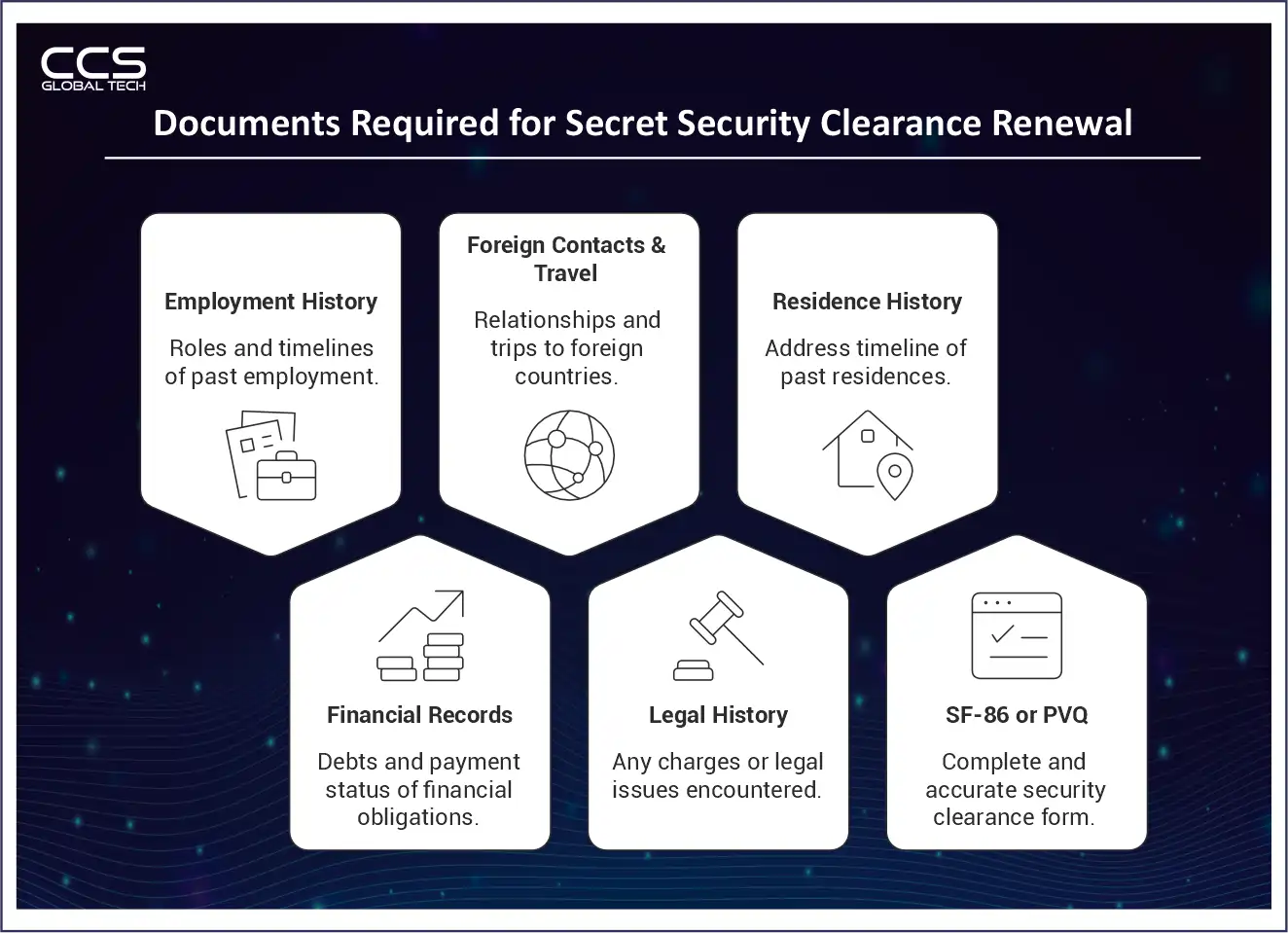
If you are currently undergoing the security clearance process, your primary task is preparation. Begin by gathering all necessary documentation—employment history, educational records, foreign travel history, and financial statements. Accessing your own credit report beforehand can help you identify and address any inaccuracies before they appear on your SF-86.
Above all, prioritize transparency. Most security clearance denials are not the result of a specific mistake in the past, but rather a failure to disclose that mistake honestly during the screening process. By maintaining a proactive, truthful approach to your application, you provide the best possible chance for a favorable determination.
Image Gallery
Select an image to open it in a new tab.
Ingrid Bjornson
Global Cyber Policy and Regulation Analyst
