Debunking Misconceptions About Assessment Profiles
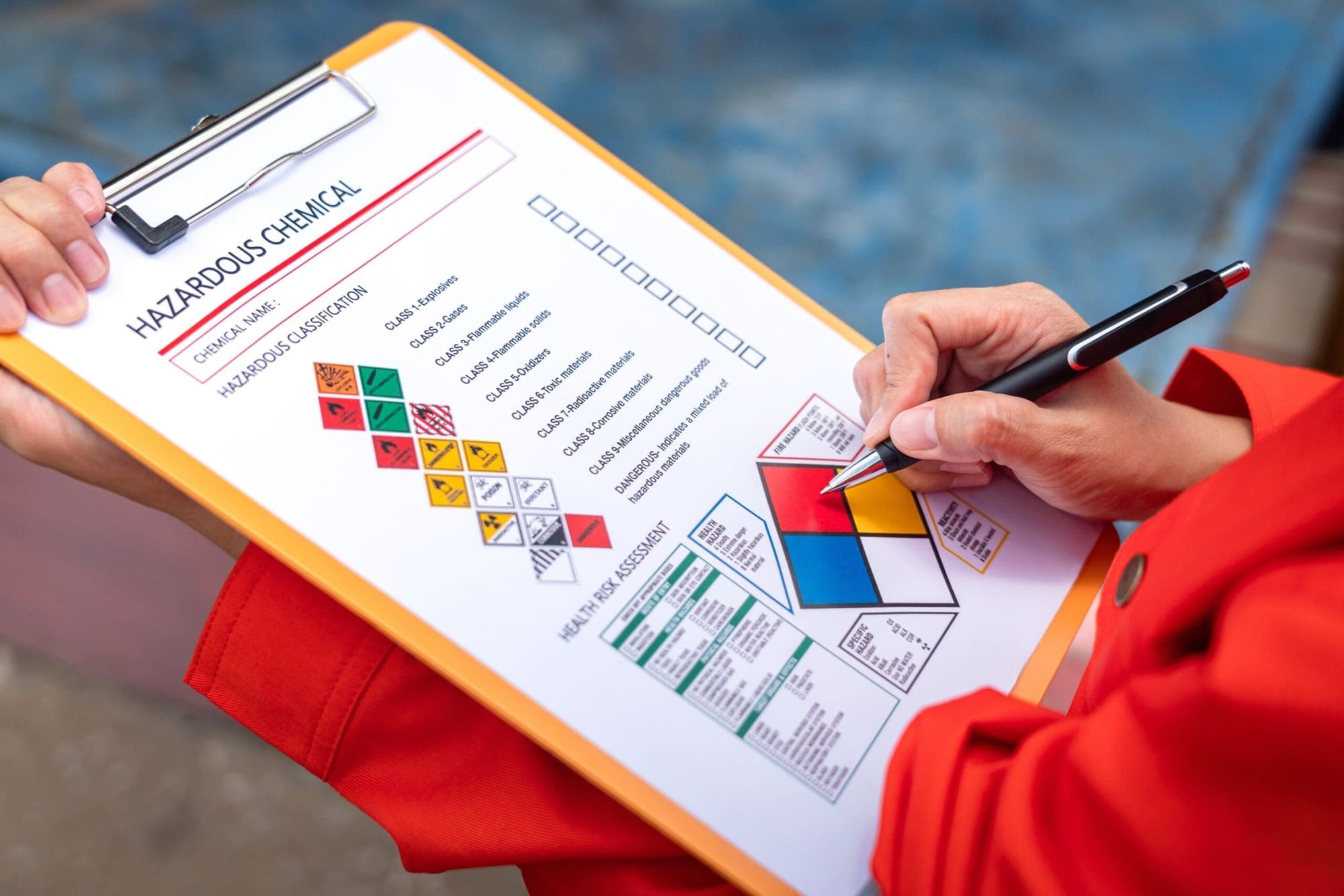
Assessment profiles synthesize behavioral data, psychological evaluations, performance metrics, and skill audits into structured summaries that organizations and institutions use to make decisions. Despite their widespread application in education, corporate human resources, and clinical psychology, these documents are frequently misunderstood, leading to skewed expectations, privacy concerns, and flawed decision-making.
Understanding Assessment Profiles and Their Core Purpose
An assessment profile is a systematic compilation of data points collected through standardized tests, structured interviews, performance observations, and psychological inventories. Rather than serving as a definitive, unchangeable label of an individual's capabilities, a properly constructed profile provides a contextual snapshot of cognitive strengths, behavioral tendencies, emotional responses, and skill gaps at a specific point in time.
In corporate environments, assessment profiles guide talent acquisition, leadership pipeline development, and team restructuring. In educational settings, they identify learning disabilities, map cognitive development, and tailor instructional strategies. In clinical contexts, they assist practitioners in diagnosing conditions and tracking therapeutic progress.
However, because these documents often translate complex human behavior into numeric scores, categorical ratings, and standardized charts, observers frequently misinterpret their depth and permanence. Recognizing the mechanics of these evaluations requires moving past common myths and examining how the underlying data is gathered, weighted, and applied.
Common Myths vs. Realities in Assessment Profiles
Misconceptions about assessment profiles typically stem from a lack of technical literacy regarding psychometric testing and data aggregation. When stakeholders treat a profile as a crystal ball or an infallible scientific instrument, they invite errors.
| Myth | Reality | Operational Implication |
|---|---|---|
| Profiles are permanent and unchangeable. | Profiles reflect mutable traits, skills, and current states influenced by environment, stress, and growth. | Assessments must be periodically updated to reflect professional or cognitive development. |
| High scores guarantee job or academic success. | Scores measure specific competencies under test conditions, not real-world adaptability, motivation, or emotional intelligence. | Profiles must be paired with structured interviews, practical demonstrations, and reference checks. |
| All assessment tools are scientifically identical. | Assessments range from rigorously validated psychometric instruments to unscientific personality quizzes. | Organizations must vet tools for reliability, construct validity, and disparate impact. |
| Assessment profiles eliminate human bias entirely. | Human creators design the algorithms, write the questions, and interpret the results, reintroducing subjectivity. | Interpreters must undergo bias training and use standardized rubrics to evaluate profile outputs. |

The Mechanics of Data Collection and Psychometric Validity
To understand why assessment profiles are frequently misunderstood, one must examine how they are built. Psychometric validity and reliability form the bedrock of any credible assessment tool. Reliability refers to the consistency of a measure—whether an individual would achieve a similar score if tested again under identical conditions. Validity measures whether the test actually assesses what it claims to assess.
Many non-specialists assume that psychological and skill-based profiles yield absolute truths because they rely on quantitative metrics. In practice, psychometric testing relies on probabilistic models. A score falling within a specific percentile does not mean an individual possesses an absolute trait; rather, it indicates that their responses aligned with a statistical norm group under controlled conditions.
Furthermore, self-reported inventories—a staple of personality and behavioral profiles—are inherently vulnerable to response bias. Candidates may consciously or unconsciously skew their answers toward what they perceive as socially desirable or professionally advantageous. Advanced assessment profiles incorporate validity scales designed to detect inconsistency, defensive answering, or exaggeration, but these safeguards are not foolproof. Understanding these technical limitations helps decision-makers view profiles as probabilistic indicators rather than absolute certainties.
Privacy, Ethics, and the Limits of Data Interpretation
The increasing digitization of human resources and educational tracking has amplified concerns surrounding data privacy and ethical boundaries in assessment profiling. When sensitive psychological, behavioral, and performance data are aggregated into a single profile, questions regarding ownership, consent, and data security become paramount.
Organizations utilizing assessment profiles must adhere to strict regulatory frameworks governing data protection, such as the General Data Protection Regulation (GDPR) in Europe or similar employment-related statutes globally. Candidates and students must provide informed consent, knowing exactly how their data will be stored, who will access the final profile, and how long the record will be retained.
Ethical interpretation also requires recognizing the limits of the data. Over-interpreting a low score on a single subtest can lead to unfair exclusion, stereotyping, or self-fulfilling prophecies where individuals internalize perceived limitations. Professionals charged with reviewing profiles must maintain strict confidentiality and ensure that decisions are never made based on a single profile without holistic context.
Best Practices for Implementing and Utilizing Assessment Profiles
Maximizing the utility of assessment profiles while minimizing their risks requires a structured, multi-step implementation framework. Organizations and educational institutions can follow specific operational guidelines to ensure these tools are used responsibly.
- Audit the Assessment Tools: Review the scientific literature, validity studies, and standardization samples of any assessment tool before adoption to ensure it is fit for its intended purpose.
- Train the Evaluators: Ensure that managers, human resources personnel, and educators interpreting the profiles understand psychometric basics, scoring limitations, and common cognitive biases.
- Combine Data Sources: Never rely on a single profile in isolation. Triangulate assessment data with performance reviews, portfolio work, and structured behavioral interviews.
- Provide Feedback Loops: Offer candidates or students an opportunity to review their assessment profiles, discuss the findings, and provide contextual feedback on anomalous results.
- Regularly Review for Adverse Impact: Periodically analyze assessment outcomes across demographic groups to ensure the tools do not inadvertently discriminate or produce biased results.
Frequently Asked Questions
Can an assessment profile accurately predict future job performance?
Assessment profiles provide probabilistic indicators of certain competencies, but they cannot predict future performance with absolute certainty. Performance depends heavily on external factors such as leadership quality, team dynamics, organizational culture, and individual motivation, which standardized tests cannot fully capture.
Are online personality tests used by employers scientifically valid?
Not all online personality tests share the same scientific rigor. Validated instruments like the NEO Personality Inventory or the Hogan Personality Inventory undergo rigorous psychometric testing for reliability and validity. Conversely, casual online quizzes often lack scientific backing and should not be used for high-stakes employment decisions.
How often should an assessment profile be updated?
Because cognitive skills, behavioral habits, and professional competencies evolve over time, psychological and skills profiles typically have a functional lifespan of one to three years. High-stakes environments, such as executive leadership tracking, often require more frequent re-evaluation.
Can individuals prepare or study for behavioral assessment profiles?
Unlike cognitive ability tests where practice can improve raw scores, behavioral and personality inventories measure typical patterns of thought and action. Trying to fake or second-guess these profiles often triggers internal validity flags, resulting in inconsistent or invalid profile outputs.
What should I do if I disagree with the findings in my assessment profile?
If you believe an assessment profile contains inaccuracies, request a debriefing session with the administrator or certified psychologist who oversaw the evaluation. Present contextual evidence, discuss anomalous test conditions, and ask if a secondary or alternative assessment method can be utilized.
Conclusion and Next Actions
Assessment profiles remain powerful instruments for understanding human capability, behavior, and potential when utilized with appropriate technical literacy and ethical safeguards. By debunking common misconceptions—such as their perceived infallibility and permanence—organizations and individuals can transition from viewing profiles as rigid labels to utilizing them as dynamic development tools. To operationalize these insights, review your current assessment vendors for psychometric validation, establish multi-source evaluation protocols, and ensure that all stakeholders receive proper training on data interpretation and privacy ethics.
Image Gallery
Select an image to open it in a new tab.


Vivian Cho
Executive IT and Emerging Technologies Reporter
