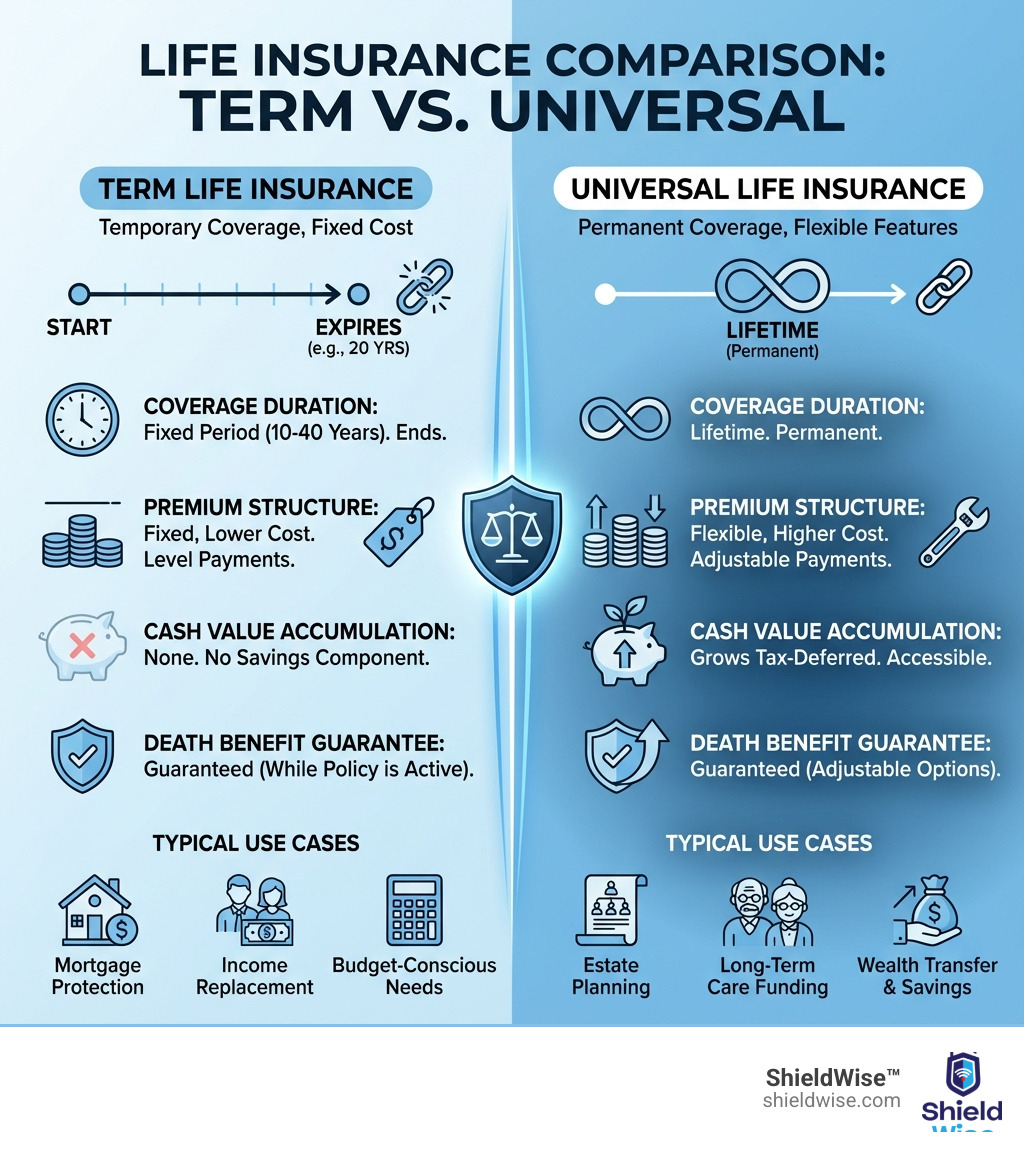
Cashing in a universal life insurance policy involves surrendering the contract to the issuing insurance company in exchange for its accumulated cash surrender value, which permanently terminates the death benefit and releases the insurer from future liability. Policyholders can execute this through a full policy surrender, partial withdrawals, or policy loans, each carrying distinct tax implications, fee structures, and administrative requirements.
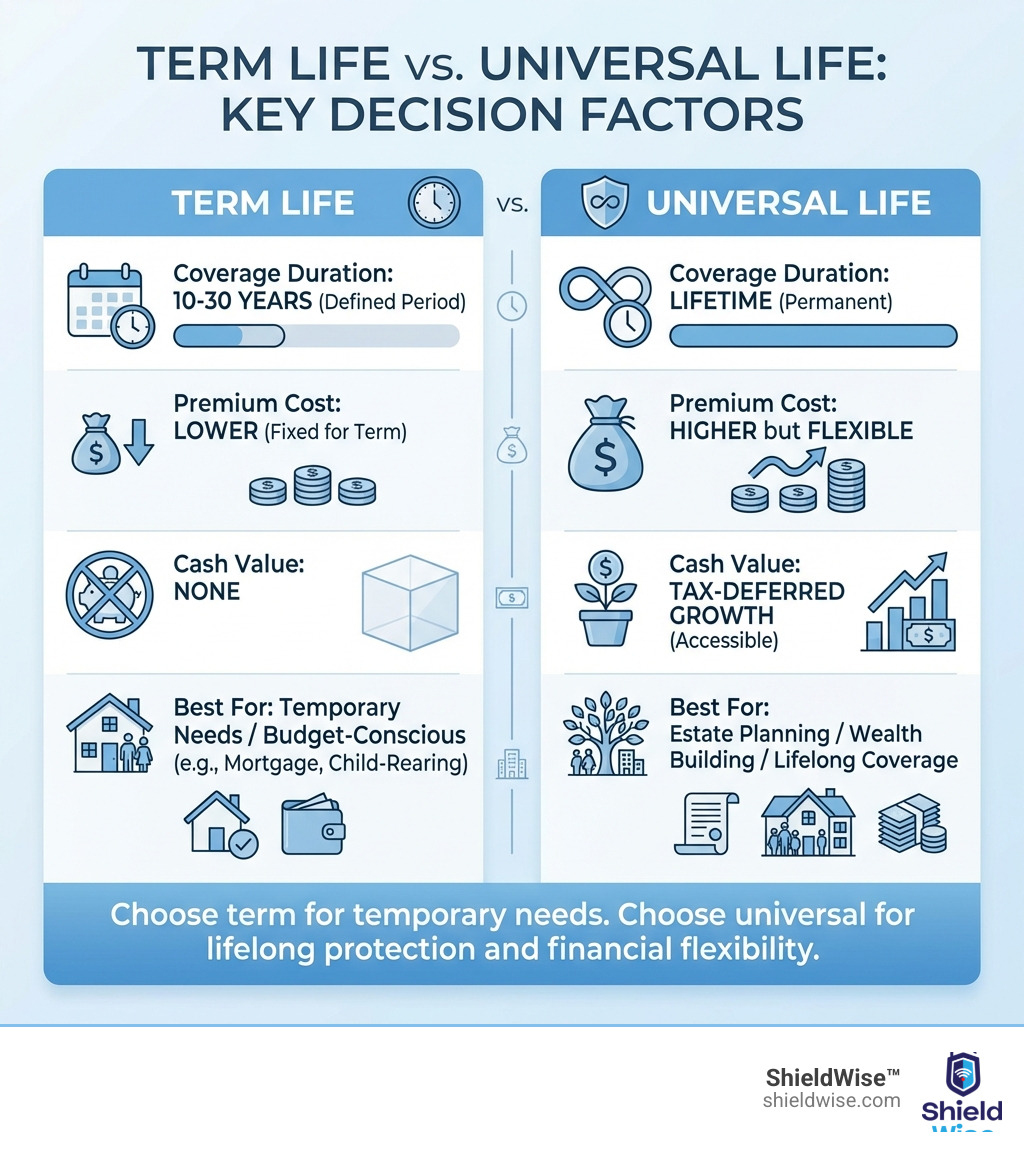
Universal life (UL) insurance is a form of permanent life insurance designed to provide lifelong financial protection while building a tax-advantaged cash value component. Unlike traditional whole life insurance, which features fixed premiums and guaranteed growth rates, universal life insurance offers premium flexibility and adjustable death benefits. The cash value grows based on a credited interest rate, which is tied to market performance or set by the insurer, minus administrative, mortality, and expense charges.
When policyholders encounter shifting financial priorities, retirement needs, or unexpected expenses, they often examine how to cash in their universal life insurance policy. However, treating a permanent insurance contract like a standard savings account can trigger unexpected tax liabilities, surrender charges, and the permanent loss of coverage. Understanding the underlying financial mechanics, operational steps, contractual limitations, and alternatives is essential before surrendering or liquidating a policy.
Understanding Universal Life Insurance and Cash Value
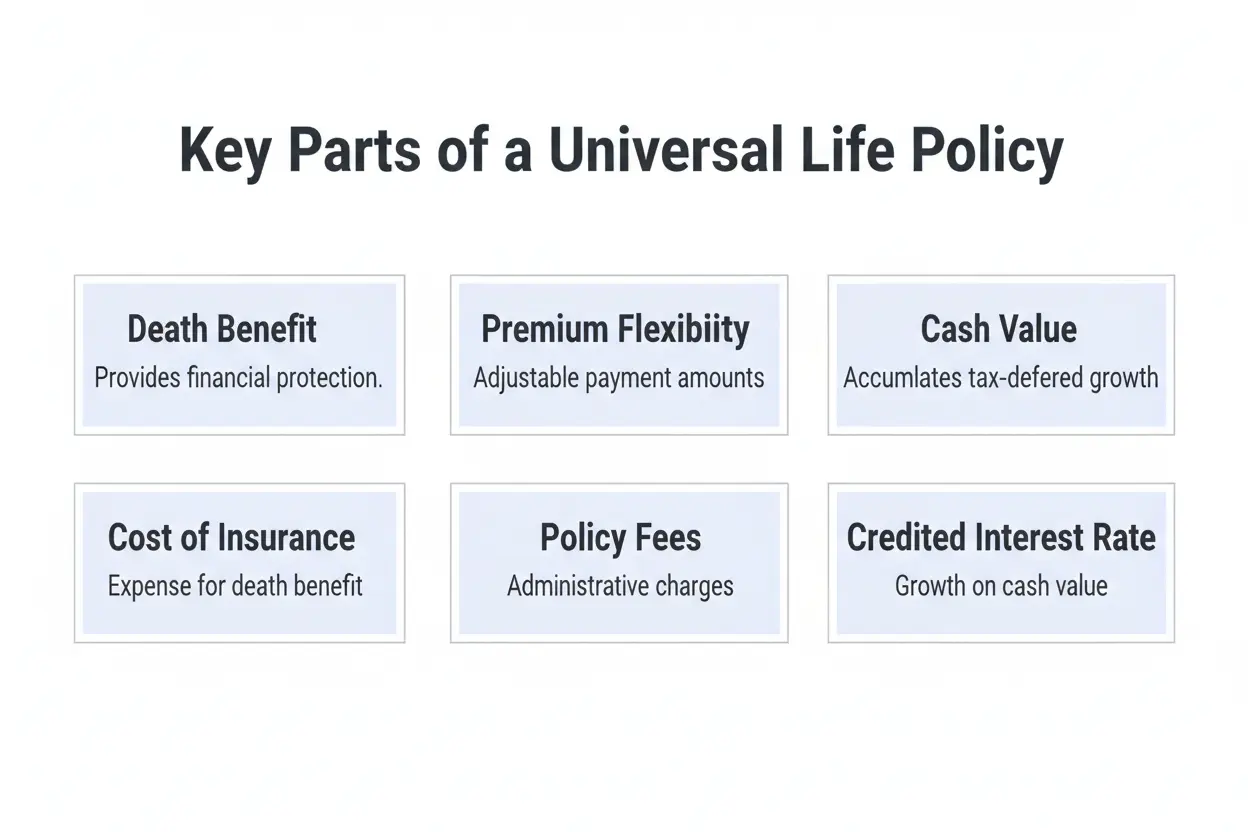
To understand how to cash in a universal life insurance policy, one must first examine how cash value accumulates within the contract. A universal life policy splits premium payments into two primary buckets: the cost of insurance (COI) and the cash value account. The COI covers the actual mortality risk, administrative fees, and any optional riders attached to the policy. The remaining balance flows directly into the cash value account, where it earns interest.
Insurance companies generally offer different variations of universal life insurance:
- Indexed Universal Life (IUL): The cash value growth is tied to the performance of a specific equity index, such as the S&P 500, offering a floor (often zero percent) to protect against market downturns and a cap on maximum gains.
- Variable Universal Life (VUL): The cash value is invested directly into sub-accounts that resemble mutual funds. This exposes the policyholder to direct market risk, meaning the cash value can both rise and fall significantly.
- Guaranteed Universal Life (GUL): Designed primarily for lifetime protection rather than aggressive cash accumulation, offering stable, predictable growth and a guaranteed death benefit as long as minimum premiums are met.
The cash value is not entirely liquid from day one. In the early years of the policy, high administrative fees and commission structures mean that the cash value is often low or negligible. Over time, as premiums are paid and interest compounds, the cash value grows. The amount available to the policyholder is known as the cash surrender value, which is calculated by taking the total cash value and subtracting any applicable surrender charges, policy loans, and unpaid interest.
Methods for Accessing Funds in a Universal Life Policy
Cashing in a universal life insurance policy is rarely an all-or-nothing proposition. Policyholders have multiple avenues to extract value from their contracts, depending on their immediate liquidity needs and long-term insurance goals.
1. Full Policy Surrender
A full surrender is the literal act of "cashing in" the policy. The policyholder terminates the contract entirely, returning all rights and benefits to the insurance company. In return, the insurer pays out the net cash surrender value as a lump sum.
- Pros: Provides a substantial injection of capital; eliminates ongoing premium obligations.
- Cons: Permanently cancels the death benefit; may trigger immediate income tax liabilities; often subject to steep surrender charges if executed within the first 10 to 15 years of the contract.
2. Partial Withdrawals
Most universal life policies allow policyholders to withdraw a portion of their accumulated cash value without terminating the contract. The policy remains active, provided there is enough remaining cash value to cover the monthly cost of insurance and administrative fees.
- Pros: Keeps the death benefit intact (though it may be reduced proportionally or dollar-for-dollar depending on the policy terms); allows access to liquidity without creating a loan balance.
- Cons: Reduces the overall cash value and future growth potential; withdrawals up to the policyholder's cost basis are typically tax-free, but withdrawals exceeding the basis are taxed as ordinary income.
3. Policy Loans
Instead of withdrawing cash, policyholders can borrow directly against their cash value from the insurance company. The cash value serves as collateral for the loan. The insurer charges an interest rate on the borrowed funds, but the policy's remaining cash value continues to earn interest.
- Pros: Generally does not trigger immediate taxable income, provided the policy remains in force; often features lower interest rates than commercial bank loans.
- Cons: The loan, plus accumulated interest, must eventually be repaid. If the outstanding loan balance exceeds the remaining cash value due to poor market performance or unpaid interest, the policy will lapse, which can trigger a massive, unexpected tax bill on the "gain" in the policy.
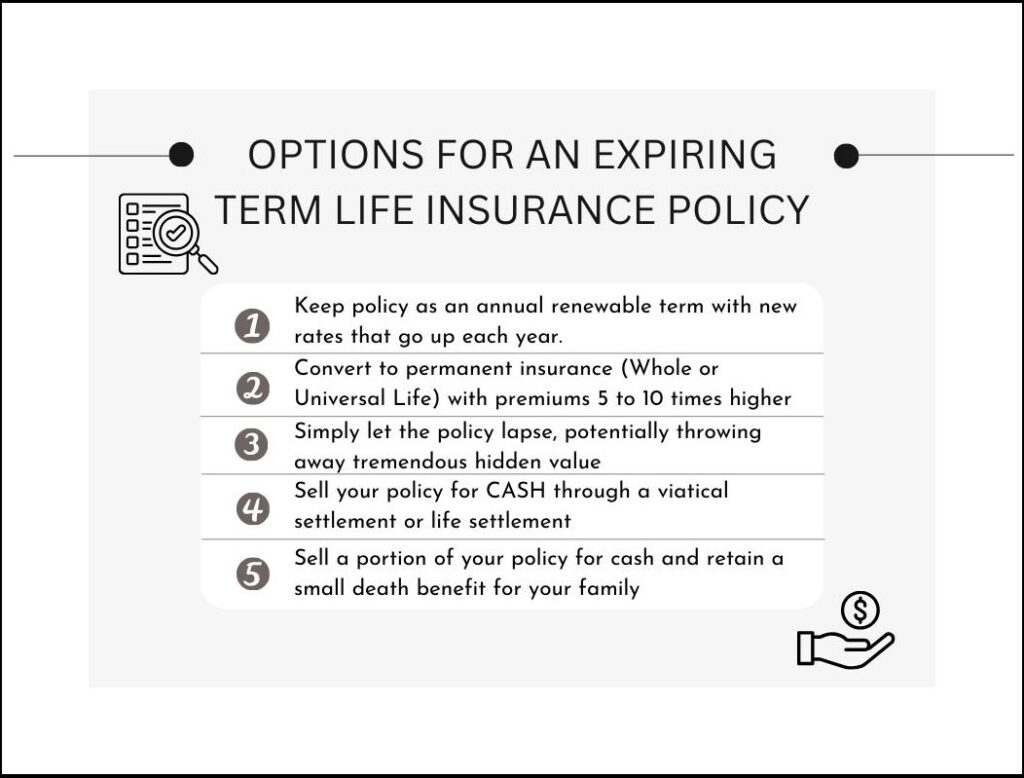
4. Life Settlements and Viatical Settlements
If a policyholder no longer wants the policy but needs more cash than the surrender value provides, they can sell the universal life policy to a third-party investor. A life settlement is typically available to older individuals, while viatical settlements are designed for individuals with terminal illnesses.
- Pros: Payout is usually higher than the cash surrender value.
- Cons: Requires complex broker negotiations, involves fees, and permanently transfers the death benefit to strangers.
| Method | Impact on Death Benefit | Tax Implications | Ongoing Policy Status | Best Used For |
|---|---|---|---|---|
| Full Surrender | Eliminated entirely | Taxed on gains exceeding the cost basis | Terminated | Permanent need to exit insurance and free up capital |
| Partial Withdrawal | May be reduced | Tax-free up to cost basis; taxable beyond | Remains active | Targeted, one-time cash needs while keeping coverage |
| Policy Loan | Unchanged unless unpaid | Tax-free unless the policy lapses | Remains active (subject to maintenance) | Short-term borrowing without triggering direct income taxes |
| Life Settlement | Transferred to buyer | Capital gains and ordinary income rules apply | Sold to third party | Seniors seeking higher payout than surrender value |
Step-by-Step Guide to Cashing In Your Policy
Executing a full surrender or partial withdrawal requires careful coordination with the issuing insurance carrier. Rushing the process without reviewing contract specifications can result in unexpected financial penalties or administrative delays.
Step 1: Review the Policy Contract and Request a In-Force Illustration
Before contacting the insurance company, locate your original policy contract and any amendments. Look specifically for the Table of Surrender Charges, the current cost basis (total premiums paid minus any previous tax-free withdrawals), and the exact net cash surrender value. Request an in-force illustration from your insurer to see a current, verified breakdown of your account values.
Step 2: Calculate the Tax Consequences
When you cash in a universal life policy, the IRS taxes the "gain" on the policy, not the total payout. The gain is calculated as the total amount received minus your cost basis.
- If your total premiums paid equal $50,000 and your surrender payout is $65,000, your taxable gain is $15,000.
- This gain is taxed as ordinary income, not capital gains, which can push you into a higher tax bracket for that year. Consult a certified public accountant (CPA) or a fee-only financial planner to evaluate the tax impact before submitting paperwork.
Step 3: Contact the Insurance Company for Surrender Forms
Reach out to the insurer’s customer service department or your designated insurance agent to request a Policy Surrender Form or Withdrawal Request Form. Ensure you obtain the official document directly from the carrier, as unauthorized third-party forms will be rejected.
Step 4: Complete and Notarize Documentation
Fill out the surrender paperwork accurately. You will typically be required to provide:
- Your policy number and personal identification.
- Your Social Security Number or Taxpayer Identification Number.
- Banking details if you prefer a direct deposit wire transfer, or your mailing address for a physical check.
- A signature guarantee or notarization, which many insurers mandate to prevent fraudulent policy liquidation.
Step 5: Return the Policy Document (If Required)
Some insurance companies require you to return the original physical paper policy contract along with your surrender forms. If you have lost the original contract, you will usually need to sign an affidavit of lost policy to proceed.
Step 6: Receive Funds and Monitor Tax Reporting
Once the insurer processes the completed paperwork—a process that typically takes anywhere from 5 to 15 business days—they will disburse the funds. Early in the following calendar year, the insurance company will issue Form 1099-R, detailing the gross distribution and the taxable gain, which you or your tax preparer must file with your tax return.
Common Mistakes to Avoid
Cashing in a universal life insurance policy is a permanent financial decision with irreversible consequences. Policyholders frequently commit several critical errors during the process:
- Ignoring Surrender Charges: Many universal life policies feature declining surrender schedules that last for the first 10, 15, or even 20 years of the contract. Surrendering a policy in year three can wipe out a massive percentage of the cash value in fees.
- Triggering an Inadvertent Lapse via Loans: Taking out maximum policy loans without monitoring the crediting rate can cause the loan balance to swallow the remaining cash value. If the policy lapses due to an over-the-limit loan, the IRS treats the forgiven loan balance as taxable income, resulting in a severe tax bill with no cash payout to pay it.
- Failing to Check the Modified Endowment Contract (MEC) Status: If too much money is pumped into a universal life policy within a short window, it loses its tax-advantaged life insurance status and becomes a Modified Endowment Contract. Withdrawals and loans from a MEC are subject to strict "last-in, first-out" (LIFO) taxation rules and potential 10% IRS penalties for withdrawals made before age 59½.
- Dropping Coverage Without Assessing Insurability: If you surrender your policy because you need cash, ensure you do not still need the death benefit to protect dependents. Buying a new policy later in life will be significantly more expensive due to older age and potential changes in health status.
Alternatives to Surrendering Your Policy
If you need liquidity or want to reduce financial overhead, but hesitate to permanently terminate your universal life insurance, explore these viable alternatives:
- Reduce the Face Amount: You can request to lower the policy's death benefit. A lower death benefit reduces the ongoing cost of insurance charges deducted from your cash value, freeing up internal cash flow without requiring a full surrender.
- Premium Holiday (Utilizing Cash Value): If your universal life policy has accumulated a healthy cash value buffer, you can temporarily stop paying out-of-pocket premiums. The policy will instead deduct the monthly cost of insurance directly from your cash value until the balance runs low.
- Exchange for a Paid-Up Policy (1035 Exchange): Under Section 1035 of the Internal Revenue Code, you can exchange your universal life policy tax-free for a different insurance product, such as a smaller paid-up whole life policy that requires no further premium payments.
Frequently Asked Questions
Is the cash surrender value of universal life insurance taxable?
Only the portion of the payout that exceeds your cost basis (the total amount of premiums you paid into the policy) is subject to taxation. This gain is taxed as ordinary income, not capital gains. If you receive less than your total cost basis, there is no taxable gain.
How long does it take to get money from a universal life policy surrender?
Once the insurance company receives your completed and notarized surrender paperwork, along with any required policy documents, disbursement typically takes between 5 and 15 business days. Direct deposit wires are generally faster than physical checks sent via mail.
Can I cash in someone else’s universal life insurance policy?
You can only cash in a universal life policy if you are the legal owner of the policy. Being designated as the beneficiary grants you rights to the death benefit upon the insured's death, but it does not grant ownership rights to access or surrender the cash value while the insured is alive.
What happens to my universal life insurance policy if I take a partial withdrawal?
A partial withdrawal reduces your total cash value and may reduce your death benefit proportionally or dollar-for-dollar, depending on the contract terms. As long as enough cash value remains to cover monthly administrative and mortality fees, the policy remains in active status.
Are surrender charges permanent?
No. Surrender charges follow a declining schedule specified in your original policy contract. They typically decrease by a set percentage each year until they reach zero, which usually occurs after the policy has been active for 10 to 15 years.
Conclusion and Next Actions
Cashing in a universal life insurance policy requires balancing immediate liquidity needs against the permanent loss of tax-advantaged death benefit protection. Before contacting your insurer, request a formal in-force illustration to verify your current cash surrender value, calculate your exact cost basis to anticipate tax liabilities, and evaluate whether a partial withdrawal or policy loan can solve your financial challenge without forcing a total contract termination. Consult a qualified financial advisor or tax professional to review the specific contractual nuances of your policy before signing any final surrender documents.
Image Gallery
Select an image to open it in a new tab.
Simon Caldwell
Enterprise Technology and Systems Editor
