
Fish produce a diverse array of sounds, including drums, clicks, grunts, chirps, and pops. These noises are primarily generated through the vibration of the swim bladder using specialized sonic muscles, the grinding of teeth or bones (stridulation), or the intentional expulsion of air. These sounds are critical for mating, territorial defense, and social coordination.
Contrary to the historical perception of the ocean as a "silent world," the underwater environment is a cacophony of biological noise. As of 2026, marine biologists have identified over 1,000 species of fish that utilize acoustic communication. While humans cannot typically hear these sounds from above the surface without the aid of a hydrophone, the water serves as a highly efficient medium for sound, allowing these signals to travel faster and further than they do in the air.
The Mechanisms of Fish Sound Production
Fish do not have vocal cords like mammals or birds. Instead, they have evolved several sophisticated mechanical methods to generate sound. These mechanisms are generally categorized into three types: drumming, stridulation, and hydrodynamic sounds.
The Swim Bladder and Sonic Muscles
The most common method of sound production involves the swim bladder, a gas-filled sac that most bony fish use for buoyancy. Many species have evolved specialized sonic muscles that are attached to or near the swim bladder. When these muscles contract rapidly, they cause the bladder to vibrate, acting much like a drum.
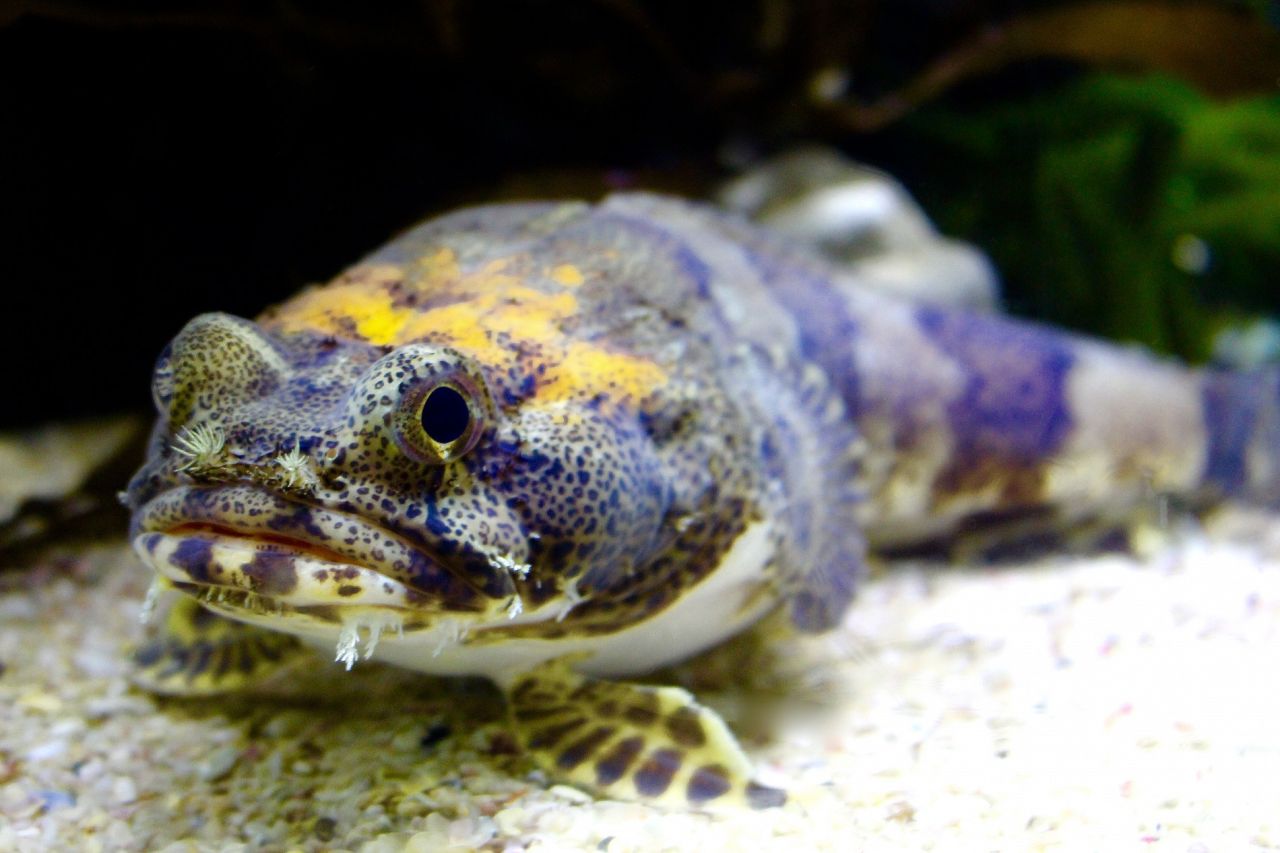
These sonic muscles are among the fastest-contracting muscles found in any vertebrate. In species like the Oyster Toadfish (Opsanus tau), these muscles can contract more than 200 times per second. The resulting sound is a low-frequency "hum" or "boat-whistle" that can be surprisingly loud. The swim bladder acts as a resonator, amplifying the sound and projecting it into the surrounding water.
Stridulation: Grinding and Rubbing
Stridulation is the production of sound by rubbing together hard skeletal parts, such as teeth or bones. This is similar to how a cricket produces noise by rubbing its wings together. In the fish world, this often involves:
- Pharyngeal Teeth: Many species, such as grunts (family Haemulidae), rub their throat teeth together. The swim bladder often acts as an amplifier for these grinding noises.
- Pectoral Fin Spines: Some catfish species possess a specialized locking mechanism in their pectoral fins. By rubbing the base of the fin spine against a socket in their shoulder girdle, they produce a "creaking" or "squeaking" sound.
- Bony Plates: Sea horses and pipefish produce sharp "clicks" by rubbing bony plates near their head.
Hydrodynamic and Air-Based Sounds
Some sounds are the byproduct of physical movement or the movement of air. Hydrodynamic sounds occur when fish make sudden changes in direction or speed, creating pressure waves in the water. While often unintentional, some species use "tail-slaps" on the water's surface as a deliberate signal to others.
One of the more unusual forms of sound production is found in Pacific Herring. These fish produce high-pitched "clicks" or "ticks" by expelling air from their anal duct. Research has shown these sounds, colloquially known as "FRTs" (Fast Repetitive Ticks), are used for social bonding and keeping the school together under the cover of darkness.
Why Do Fish Make Noise?
The underwater world is often murky, and visibility can be extremely limited. Sound provides a much more reliable way to communicate over long distances and through obstacles. Fish use their "voices" for several vital ecological purposes.
Mating and Courtship
The most frequent use of fish acoustics is during the breeding season. Males often use sound to attract females or to signal their fitness. For example, the Plainfin Midshipman fish is famous for its long, low-frequency hums that can last for nearly an hour. These hums are so powerful that people living on houseboats in California have historically complained about the vibrating hulls of their boats during the fish's mating season.
Territorial Defense and Aggression
Fish are highly protective of their nesting sites and food sources. Damselfish are notoriously vocal when defending their patch of reef. They produce a series of "pops" and "chirps" to warn intruders. If the visual display and initial sounds do not work, the frequency and intensity of the sound production increase as a prelude to a physical attack.
Alarm and Distress
When captured by a predator or handled by a human, many fish produce "distress" sounds. These are typically loud, sudden grunts or vibrations intended to startle the predator, potentially providing the fish a split second to escape. In some social species, these sounds also serve as an alarm to warn nearby members of the school to flee.

Comparing Fish Sounds by Species
The following table highlights various fish species, the specific sounds they produce, and the biological mechanism they use to create them.
| Species Name | Common Sound Description | Primary Mechanism | Purpose |
|---|---|---|---|
| Atlantic Croaker | Drumming, Croaking | Swim bladder (Sonic muscles) | Mating and schooling |
| Oyster Toadfish | Foghorn, Boat-whistle | Rapid swim bladder vibration | Mate attraction |
| Clownfish | Chirps, Pops | Teeth gnashing (Stridulation) | Social hierarchy/Defense |
| Longspine Squirrelfish | Staccato clicks, Grunts | Swim bladder and ribs | Territorial defense |
| Sea Horse | Sharp clicks | Bony plates in the head | Feeding and courtship |
| Pacific Herring | High-pitched "FRTs" | Gas expulsion (Anal duct) | Schooling coordination |
| Pimelodid Catfish | Creaking, Squeaking | Pectoral fin stridulation | Distress and defense |
The Physics of Sound in Water
To understand why fish noises are so effective, one must consider the physics of the aquatic environment. Sound travels approximately 1,500 meters per second in seawater, which is nearly 4.5 times faster than it travels through air. Furthermore, water is much denser than air, meaning sound waves lose energy less quickly.
Because of these properties, a fish can communicate with another individual kilometers away, provided the background noise is low. This efficiency is why many fish have prioritized acoustic evolution over visual evolution, especially in deep-sea or nocturnal environments where light is non-existent.
The Impact of Anthropogenic Noise Pollution
In 2026, one of the most pressing concerns in marine biology is the rise of anthropogenic (human-made) noise. Shipping traffic, seismic airguns used for oil and gas exploration, sonar, and offshore construction have significantly increased the ambient noise levels in the world's oceans.
This "acoustic smog" interferes with the ability of fish to communicate. When the background noise becomes too loud, mating calls are masked, alarm signals go unheard, and the social structure of schools can break down. Studies have shown that chronic exposure to human-made noise can lead to increased stress levels in fish, reduced growth rates, and even physical damage to their hearing organs (the otoliths).
Conservation efforts are increasingly focusing on "quiet zones" and the development of quieter shipping technologies to preserve the natural acoustic landscape of the ocean. Protecting the "noises" of the fish is now recognized as being just as important as protecting their physical habitats.
How Do We Study Fish Sounds?
Because most fish sounds are low-frequency or occur at volumes difficult for the human ear to detect through the surface, scientists rely on hydrophones. These are underwater microphones designed to withstand pressure and capture sound waves in a liquid medium.
In 2026, the use of Passive Acoustic Monitoring (PAM) has become a standard tool for assessing reef health. By placing autonomous recorders on the seafloor, researchers can monitor the diversity of a reef without needing to be physically present. A "loud" reef is generally a healthy, biodiverse reef, while a silent reef often indicates ecological degradation.
Frequently Asked Questions
Can all fish make noise?
While not every single species has been recorded, it is estimated that a significant minority—perhaps 20% to 30% of all fish species—possess the biological structures necessary to produce sound. However, nearly all fish can perceive sound through their lateral line and inner ear.
Can humans hear fish without equipment?
In most cases, no. The transition of sound from water to air is very inefficient due to the difference in density. However, if you are swimming underwater or if a fish is particularly loud (like a large drum fish or a toadfish in shallow water), you may hear muffled grunts or feel vibrations.
Do fish "talk" to each other?
"Talk" is a complex term. While fish do not have language with syntax or grammar, they do use acoustic signals to convey specific information. These signals communicate identity, intent (aggression or mating), and environmental status (danger).
Is a "school" of fish noisy?
Yes, large schools of fish can create a significant amount of collective noise. This is often a combination of hydrodynamic sounds from their swimming and intentional "contact calls" used to maintain spacing and direction within the group.
Does noise pollution kill fish?
While it rarely kills them instantly, extreme noise (like underwater explosions or very loud sonar) can cause internal hemorrhaging or permanent hearing loss. More commonly, it causes "acoustic masking," which leads to indirect mortality by preventing fish from hearing approaching predators or finding mates.
Summary of Actionable Insights
If you are interested in the acoustic world of fish, consider the following steps to learn more or contribute to their conservation:
- Listen Online: Visit databases like Discovery of Sound in the Sea (DOSITS) to hear high-quality recordings of various fish species.
- Support Quiet Seas: Support organizations and policies that advocate for the reduction of commercial shipping noise and the regulation of seismic testing in sensitive marine habitats.
- Citizen Science: If you are a diver or snorkeler, pay closer attention to the "pops" and "clicks" you hear on a reef. Modern underwater camera housings often have microphones capable of picking up these subtle sounds.
- Education: Share the knowledge that the ocean is not a silent place. Awareness is the first step toward mitigating the impact of human-made noise on marine life.
Image Gallery
Select an image to open it in a new tab.
Mateo Castillo
Decentralized Finance and E-Payments Strategist
