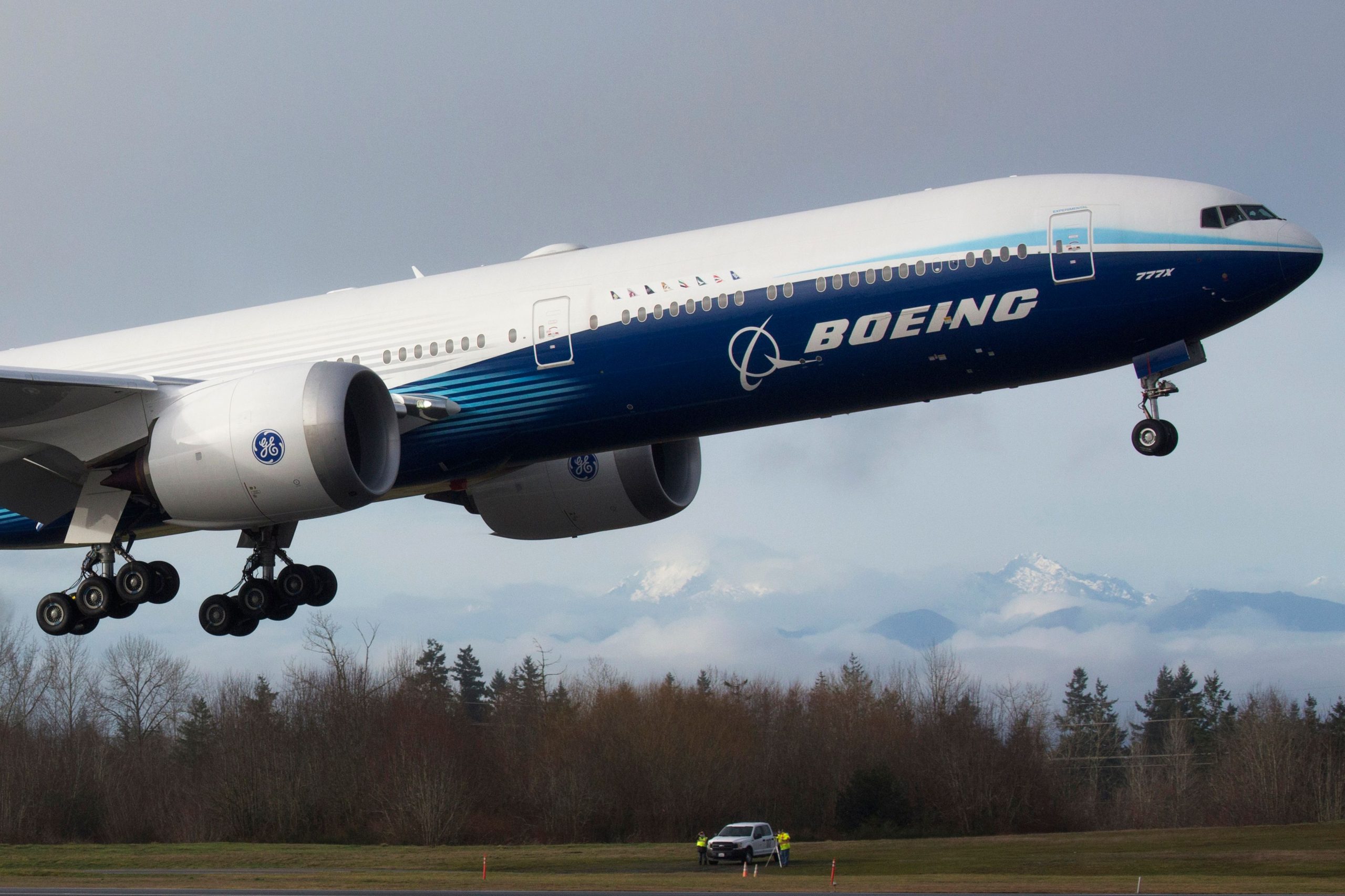
The Boeing Company’s financial position in 2020 was defined by an unprecedented convergence of global travel disruption and internal product challenges. While "net worth" is colloquially used to describe a company’s market capitalization or equity, the fiscal reality of 2020 was characterized by a dramatic shift from profitability to a significant net loss, driven by the grounding of the 737 MAX fleet and the collapse in commercial aviation demand.
Understanding Corporate Valuation and Net Worth
In financial analysis, the concept of a company's "net worth" is best represented by its shareholder equity—the difference between its total assets and total liabilities. For a publicly traded entity like The Boeing Company (NYSE: BA), market capitalization—the total value of all outstanding shares—is often the metric observers monitor. During 2020, both metrics underwent intense volatility as investors reassessed the company’s ability to navigate a dual crisis.
When evaluating Boeing’s status in 2020, it is vital to distinguish between liquidity (cash on hand) and long-term solvency. The company entered the year already strained by the 737 MAX grounding, which began in March 2019 following two tragic accidents. By early 2020, the onset of the COVID-19 pandemic effectively halted global air travel, creating a "perfect storm" that forced Boeing to pivot from a growth-oriented business model to one focused on survival, debt management, and operational restructuring.
The Impact of the 737 MAX Grounding
The financial narrative of 2020 cannot be separated from the status of the 737 MAX. Throughout the year, the program remained the single largest weight on the company’s balance sheet. The grounding prevented the delivery of aircraft, which is the primary point at which Boeing recognizes the majority of its revenue from a sale.
As the fleet remained out of service, Boeing incurred massive storage and maintenance costs. The inability to deliver aircraft, coupled with the need to compensate airlines for lost service and disrupted schedules, created a massive drain on cash reserves. By the time the FAA lifted the order to ground the aircraft in November 2020, Boeing had accumulated billions in deferred production costs and settlement obligations.
The COVID-19 Liquidity Crisis
Beyond its specific product issues, 2020 brought the sudden, near-total cessation of commercial aviation demand due to the pandemic. Boeing’s customers—the world’s airlines—began deferring or canceling orders as their own cash flows evaporated. This led to a significant "working capital crunch" for Boeing.
To stabilize its position, Boeing initiated several critical financial maneuvers throughout 2020:
- Debt Issuance: In April 2020, Boeing successfully raised $25 billion in a bond offering. This was a critical step in providing the liquidity necessary to maintain operations, pay suppliers, and fund ongoing development costs.
- Cost Reduction: The company implemented widespread cost-cutting measures, including voluntary layoffs, early retirement packages, and the reduction of discretionary spending.
- Operational Consolidation: Boeing moved to consolidate its 787 Dreamliner production to a single location in South Carolina, a move intended to streamline operations and reduce overhead during a period of diminished output.
Comparative Financial Metrics: 2019 vs. 2020
To understand the scale of the shift, one must compare the fiscal outcomes of the period. The following table highlights the contraction of financial health during the transition from pre-pandemic/pre-crisis stability to the 2020 environment.
| Financial Metric | 2019 (Full Year) | 2020 (Full Year) | Context |
|---|---|---|---|
| Revenue | $76.6 Billion | $58.2 Billion | Reduced volume in Commercial Airplanes |
| Net Loss | ($636 Million) | ($11.9 Billion) | Reflects asset impairment and COVID costs |
| Operating Cash Flow | $2.4 Billion | ($18.4 Billion) | High expenditure vs. low delivery revenue |
| Debt Levels | $27.3 Billion | $63.6 Billion | Increased via bond offerings for liquidity |
Note: Figures are derived from Boeing’s 2020 Annual Report (Form 10-K). Financial data reflects the fiscal year ending December 31, 2020.
Shareholder Equity and Market Perception
By the end of 2020, Boeing’s shareholder equity had turned negative. This is a rare occurrence for an aerospace giant and signified that the company’s total liabilities—fueled by the new debt taken on to survive the year—had exceeded the book value of its assets. While a negative book value does not mean a company is bankrupt, it illustrates the severity of the financial pressures exerted by the 2020 crisis.
Investors responded to this volatility with extreme caution. The company’s stock price, which had hovered near record highs in early 2019, experienced a dramatic correction that bottomed out in the spring of 2020. This reflected a market consensus that Boeing’s path to returning to "normal" operations would be a multi-year effort, contingent upon regulatory approvals and a broader recovery in global travel.
Long-term Strategic Adjustments
The "in review" analysis of 2020 reveals a year where Boeing’s strategy shifted from internal growth to defensive stabilization. The company was forced to reassess its reliance on high-volume commercial deliveries and began placing a renewed emphasis on the stability provided by its Defense, Space & Security segment.
Unlike the commercial sector, which was paralyzed by the pandemic, government contracts provided a degree of revenue predictability. During 2020, Boeing’s defense division acted as a shock absorber, partially offsetting the losses experienced by the commercial side of the house. This highlighted the importance of a diversified portfolio in mitigating extreme cyclical risks.
Frequently Asked Questions
1. Was Boeing technically bankrupt in 2020? No. While Boeing faced significant liquidity pressure and saw its shareholder equity turn negative, the company maintained access to capital markets. By securing $25 billion in debt financing in April 2020, the firm demonstrated its ability to continue operations, pay employees, and meet its obligations to creditors and the supply chain.
2. Why did Boeing's net worth drop so sharply in 2020? The drop was caused by a combination of the 737 MAX grounding and the COVID-19 pandemic. The former prevented revenue from aircraft deliveries, while the latter caused customers to cancel orders. Simultaneously, Boeing incurred massive costs related to legal settlements, aircraft storage, and industrial restructuring, all of which reduced the company's asset value and increased its liabilities.
3. Did government aid play a role in Boeing’s 2020 performance? Boeing explicitly opted against seeking a direct government bailout. Instead, the company relied on private capital markets, utilizing a $25 billion bond issuance to bolster its balance sheet. While the company was eligible for certain pandemic-related relief programs aimed at the broader aerospace industry supply chain, it maintained its independence from a direct federal corporate rescue.
4. How did the 2020 financial results affect Boeing’s workforce? The financial strain necessitated a reduction in the company's global workforce. Through a combination of voluntary layoffs and involuntary staff reductions, Boeing trimmed its employee base by thousands throughout 2020. This was part of a larger plan to align the company's cost structure with the diminished demand for new commercial aircraft.
5. What is the takeaway from 2020 for aerospace investors? The primary lesson is the high sensitivity of aerospace manufacturers to both regulatory stability and global macroeconomic health. 2020 proved that even industry giants with long-term contracts can face extreme liquidity pressure if their core revenue-generating programs are halted simultaneously with a global demand shock.
Final Assessment and Next Actions
For those reviewing Boeing's 2020 financial performance, the primary conclusion is that it was a year of radical preservation. The company successfully avoided insolvency by leveraging its creditworthiness to navigate a period where it could not generate revenue from its primary product line.
If you are researching this period for investment or academic purposes, the most reliable documentation is the Boeing 2020 Annual Report (Form 10-K), which can be accessed through the U.S. Securities and Exchange Commission (SEC) EDGAR database. It provides the full breakdown of income statements, balance sheet changes, and management’s discussion and analysis (MD&A) of the financial condition. When performing comparative financial research, ensure you are utilizing audited annual reports rather than third-party summaries to verify the precise treatment of debt and asset impairment charges during this volatile period.
Image Gallery
Select an image to open it in a new tab.




Lars Thomsen
Global Labor Markets and Economic Strategy Editor
