Understanding Why Bacterial Infections Cause Fever: Mechanism, Diagnosis, and Treatment
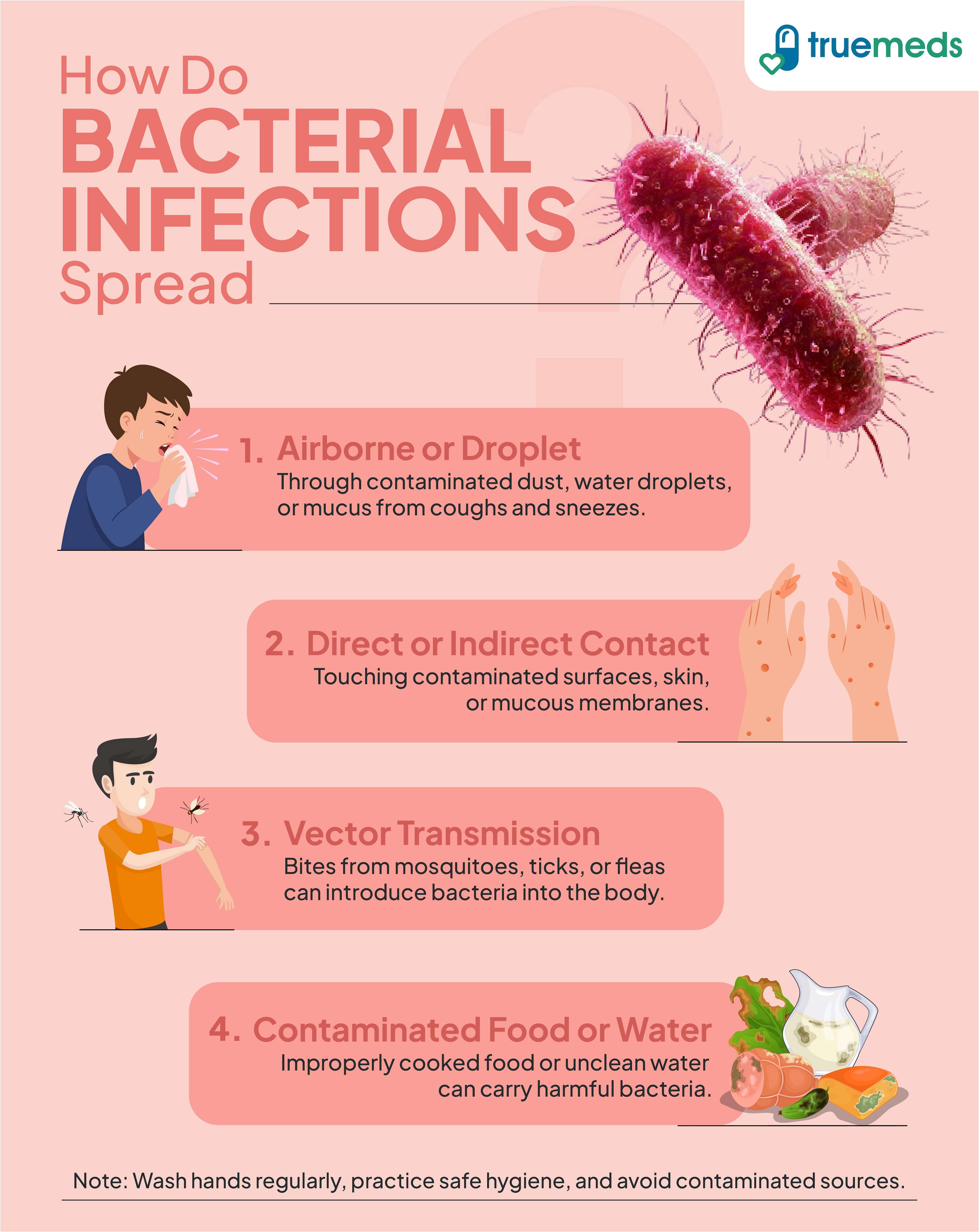
Yes, bacterial infections frequently cause fever as a primary immune response. When pathogenic bacteria enter the body, the immune system releases chemicals called pyrogens that signal the hypothalamus to raise the body's internal temperature. This elevated heat helps inhibit bacterial replication while enhancing the efficiency of white blood cells.
Fever is one of the most common clinical manifestations of a bacterial infection, yet it remains one of the most misunderstood. In 2026, medical science continues to emphasize that fever is not a disease itself but a vital sign of the body’s defensive "warfare" against invading microorganisms. While many people associate fever with the common cold (usually viral), bacterial pathogens often trigger more intense, prolonged, or specific febrile responses that require targeted medical intervention.
The Biological Mechanism: Why the Body Heats Up
To understand why a bacterial infection causes fever, one must look at the interaction between the infectious agent and the human host's thermoregulatory system. The process begins when bacteria—such as Staphylococcus aureus, Streptococcus pneumoniae, or Escherichia coli—breach the body’s physical barriers.
The Role of Pyrogens
Fever is initiated by substances known as pyrogens. These are categorized into two types:
- Exogenous Pyrogens: These originate outside the body. Many bacteria possess structures called lipopolysaccharides (endotoxins) in their cell walls. When these bacteria multiply or die, these toxins circulate in the bloodstream, acting as a direct signal to the immune system.
- Endogenous Pyrogens: In response to the presence of bacteria, the body’s own immune cells (such as macrophages and neutrophils) release signaling proteins called cytokines. Key cytokines include Interleukin-1 (IL-1), Interleukin-6 (IL-6), and Tumor Necrosis Factor (TNF).
The Hypothalamic Set-Point
The hypothalamus, located at the base of the brain, acts as the body’s thermostat. Under normal conditions, it maintains a temperature of approximately 98.6°F (37°C). However, when endogenous pyrogens reach the brain, they trigger the production of Prostaglandin E2 (PGE2). This specific molecule acts on the hypothalamus to "reset" the body’s target temperature to a higher level.
Once the set-point is raised, the body feels cold because its current temperature is lower than the new target. This leads to the physiological behaviors associated with the onset of fever:
- Vasoconstriction: Blood vessels near the skin surface narrow to prevent heat loss.
- Shivering (Rigors): Rapid muscle contractions generate kinetic energy, which is converted into heat.
- Behavioral changes: The individual seeks blankets or warmer environments.
Distinguishing Bacterial Fever from Viral Fever
One of the most significant challenges for healthcare providers is determining whether a fever is caused by a bacteria or a virus. This distinction is critical because bacterial infections typically require antibiotics, whereas viral infections do not.
Clinical Presentation
Bacterial fevers often present differently than viral ones. While a viral fever (like influenza) often appears suddenly with widespread body aches and a dry cough, bacterial fevers may be more localized or persistent. For instance, a fever accompanied by localized pain in the ear likely indicates an otitis media (ear infection), while fever with sharp chest pain and productive phlegm points toward bacterial pneumonia.
The "Double Sickening" Phenomenon
A common indicator of a bacterial complication is the "double sickening" pattern. This occurs when a patient begins to recover from a viral illness (like a cold), but their symptoms suddenly worsen, and a new, higher fever emerges. This often signals a secondary bacterial infection, such as bacterial sinusitis or pneumonia, taking advantage of the weakened immune system.
Laboratory Markers
In 2026, diagnostic tools have become more refined in distinguishing these causes.
- C-Reactive Protein (CRP): A protein produced by the liver that rises in response to inflammation. While it rises in many conditions, very high levels are often more indicative of bacterial triggers.
- Procalcitonin (PCT): This is a highly specific biomarker. Levels of procalcitonin rise significantly in response to bacterial endotoxins but remain low or suppressed during viral infections.
- Complete Blood Count (CBC): A high white blood cell count, particularly an increase in neutrophils (a "shift to the left"), strongly suggests a bacterial cause.
| Feature | Bacterial Infection | Viral Infection |
|---|---|---|
| Fever Onset | Often gradual or secondary to another illness. | Often sudden and acute. |
| Fever Duration | Tends to persist or worsen without treatment. | Often peaks in 2–4 days and resolves. |
| White Blood Cell Count | High Neutrophils (typically). | Normal or high Lymphocytes. |
| Key Biomarker | Elevated Procalcitonin. | Low/Normal Procalcitonin. |
| Primary Treatment | Antibiotics (e.g., Penicillin, Azithromycin). | Supportive care (fluids, rest, antivirals). |
| Common Symptoms | Localized pain, pus, redness, swelling. | Body aches, runny nose, sore throat. |

Common Bacterial Infections That Cause Fever
Not every bacterial infection manifests the same way. The location of the infection dictates the secondary symptoms that accompany the fever.
Respiratory Infections
Strep Throat (Streptococcal Pharyngitis): Caused by Streptococcus pyogenes, this typically presents with a high fever, severe sore throat, and swollen lymph nodes. Unlike a viral sore throat, it usually lacks a cough or runny nose.
Bacterial Pneumonia: This involves an infection of the lung tissue. The fever is often accompanied by "rusty" or green sputum, chills, and shortness of breath. According to the American Lung Association, bacterial pneumonia can be life-threatening if the fever is ignored.
Urinary Tract Infections (UTIs)
While a simple bladder infection (cystitis) might not always cause a fever, if the bacteria migrate to the kidneys (Pyelonephritis), a high fever and flank pain are hallmark signs. This is a medical emergency that requires prompt antibiotic therapy to prevent permanent kidney damage or sepsis.
Skin and Soft Tissue Infections
Cellulitis: This is a bacterial infection of the deeper layers of the skin. A fever in the presence of an area of skin that is red, hot, swollen, and expanding is a clear indication that the infection has become systemic and requires medical attention.
Meningitis
One of the most dangerous bacterial infections, bacterial meningitis involves inflammation of the membranes covering the brain and spinal cord. It presents with a "triad" of symptoms: high fever, stiff neck, and altered mental status. Rapid intervention is vital for survival.
The Danger of Sepsis: When Fever Becomes a Crisis
The most critical reason to monitor a fever during a suspected bacterial infection is the risk of sepsis. Sepsis is an extreme, life-threatening immune response to an infection that has spread into the bloodstream.
In 2026, clinical guidelines emphasize that sepsis is a medical emergency. When the body’s response to bacteria goes into overdrive, it can cause widespread inflammation, leading to organ failure and a dangerous drop in blood pressure (septic shock).
Warning signs of sepsis include:
- A very high fever or, conversely, an abnormally low body temperature.
- Extreme shivering or muscle pain.
- Confusion or disorientation.
- Shortness of breath and a rapid heart rate.
- Mottled or discolored skin.
If a bacterial infection is suspected and the patient exhibits these signs, immediate emergency department evaluation is necessary. The "Golden Hour" of sepsis treatment—administering intravenous fluids and antibiotics within the first hour of recognition—is still the standard for saving lives.
Managing a Fever Caused by Bacteria
Managing a fever involves a balance between patient comfort and allowing the immune system to function. While the fever is helping fight the bacteria, excessively high temperatures can cause dehydration and distress.
Medications
Antipyretics: Drugs like Acetaminophen (Tylenol) and Ibuprofen (Advil/Motrin) work by inhibiting the PGE2 production in the hypothalamus. They lower the "set-point" back toward normal, which reduces the fever and associated discomfort. It is important to note that these drugs treat the symptom (fever) but do not kill the bacteria.
Antibiotics: The definitive treatment for a bacterial fever is the eradication of the bacteria themselves. Once the bacterial load decreases, the production of exogenous and endogenous pyrogens drops, and the hypothalamus naturally lowers the body's temperature.
Supportive Care
- Hydration: Fever increases the metabolic rate and causes fluid loss through sweating and respiration. It is essential to drink water, broths, or oral rehydration solutions.
- Rest: The metabolic cost of a fever is high. Every 1°C rise in temperature increases the body’s caloric demand by about 10-12%. Rest allows the body to divert all energy toward the immune response.
- Cooling Measures: Lukewarm sponge baths can help lower temperature through evaporation. Avoid ice-cold baths, as they can cause shivering, which ironically raises the internal core temperature.
Pediatric Considerations
Fevers in children require specific attention. In infants under three months of age, any fever (rectal temperature of 100.4°F / 38°C or higher) is considered a medical emergency. Because their immune systems are immature, bacterial infections can progress to the bloodstream very quickly.
For older children, the behavior of the child is often more important than the number on the thermometer. A child who has a fever but is still playing and drinking fluids is generally less concerning than a child with a lower fever who is lethargic or inconsolable.
The Evolution of Treatment in 2026
In 2026, the medical community remains vigilant about antibiotic resistance. Doctors are increasingly using rapid molecular testing to confirm a bacterial cause before prescribing medication. This ensures that antibiotics are preserved for genuine bacterial fevers and not wasted on viral illnesses, which helps prevent the rise of "superbugs."
Patients are encouraged to complete the full course of antibiotics even if the fever disappears within 24–48 hours. Stopping early allows the most resilient bacteria to survive, potentially leading to a relapse with a much harder-to-treat infection.
FAQs
Can you have a bacterial infection without a fever?
Yes. Some individuals, particularly the elderly or those with compromised immune systems, may not mount a fever response even during a severe bacterial infection. In some cases, the body temperature may even drop (hypothermia), which is also a serious sign of systemic infection.
How long does a bacterial fever usually last?
A bacterial fever typically persists until the underlying infection is treated. Once appropriate antibiotics are started, most fevers begin to subside within 48 to 72 hours. If the fever continues beyond this window, it may suggest antibiotic resistance or a localized collection of infection (like an abscess).
Is a high fever always a sign of a bacterial infection?
No. Many viral infections, such as the flu or COVID-19 variants, can cause very high fevers (103°F–104°F). The height of the fever is not as reliable an indicator as the duration of the fever and the accompanying symptoms.
Should I always take medicine to break a fever?
Not necessarily. If the fever is mild and the person is comfortable, it may be beneficial to let the fever "run its course" to help the immune system. However, if the fever is causing significant discomfort, preventing sleep, or leading to dehydration, antipyretics are recommended.
When should I see a doctor for a fever?
You should consult a healthcare provider if the fever is accompanied by a stiff neck, severe headache, persistent vomiting, a new skin rash, difficulty breathing, or if the fever lasts longer than three days without improvement.
Practical Recommendation
If you suspect a fever is caused by a bacterial infection, the most important step is to seek a professional diagnosis rather than attempting to self-medicate with leftover antibiotics. Track the temperature every 4–6 hours and note any localized symptoms like ear pain, painful urination, or productive coughing. If the fever is accompanied by confusion, extreme lethargy, or a rash that does not fade when pressed, seek emergency care immediately. Early intervention is the key to preventing the progression from a simple infection to a systemic crisis.
Image Gallery
Select an image to open it in a new tab.


Akira Tanaka
International Academic Trends Correspondent
