Navigating the Role and Responsibilities of a Workers Compensation Claims Examiner in New York
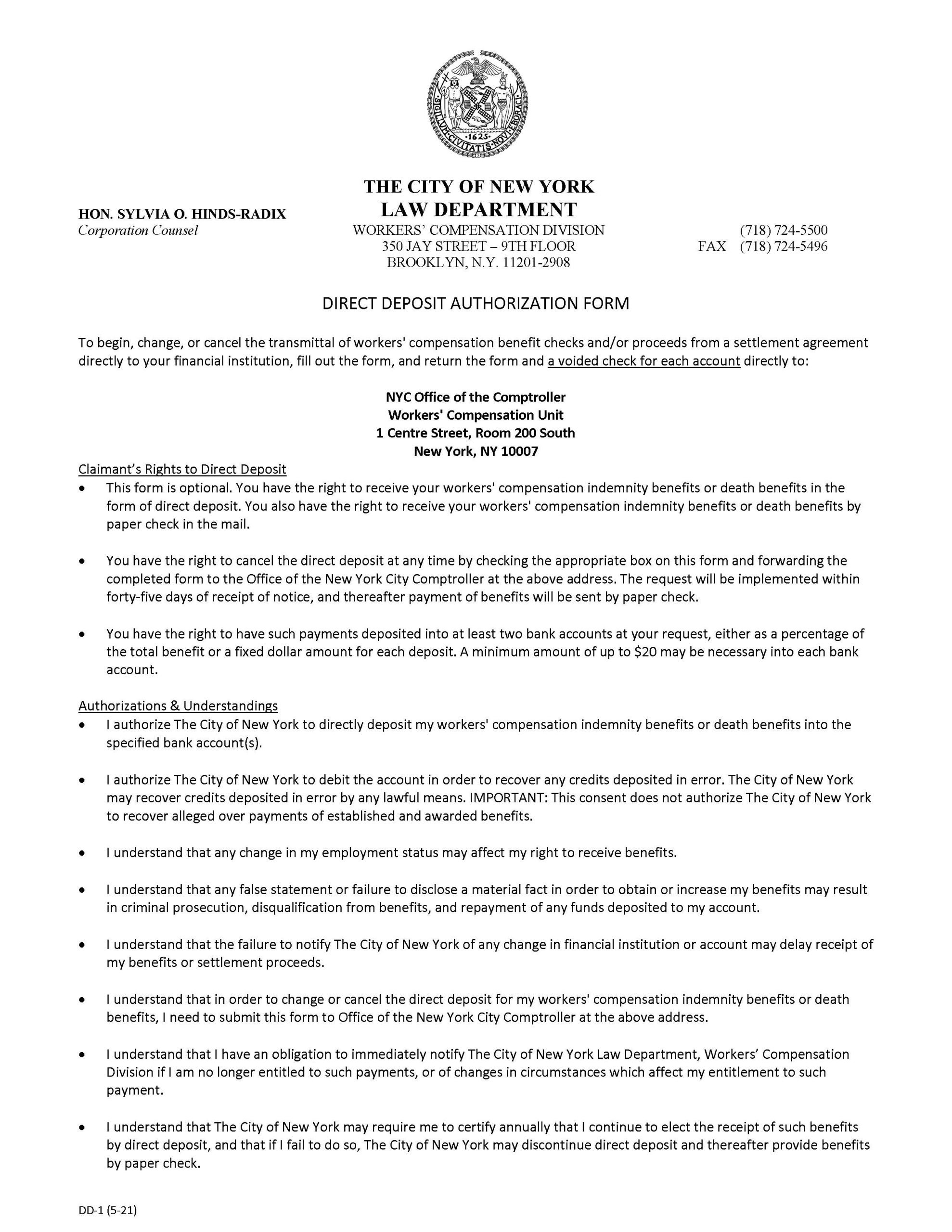
A workers compensation claims examiner in New York serves as the pivotal link between an injured employee, the employer, and the insurance carrier. These professionals are responsible for investigating claims, verifying medical evidence, determining compensability under New York State law, and managing the ongoing financial and clinical aspects of workplace injury cases to ensure adherence to statutory requirements.
Understanding the Role of the Claims Examiner
In the landscape of New York’s workers’ compensation system—which is regulated by the New York State Workers' Compensation Board (NYS WCB)—the claims examiner acts as the primary administrative adjudicator for insurance carriers and self-insured employers. Unlike a judge or an attorney, the examiner does not practice law; rather, they apply the statutes outlined in the New York Workers' Compensation Law to determine if a claim meets the specific criteria for coverage.
The examiner’s day-to-day work is driven by strict timelines. When an injury is reported via a C-3 form (Employee's Claim) or an employer files a C-2 (Employer's Report of Work-Related Accident/Occupational Disease), the examiner must perform an initial intake. This involves validating that the employer carries active coverage, confirming the injury occurred within the scope of employment, and reviewing the C-4 medical reports provided by the attending physician.
Key Responsibilities and Statutory Requirements
A claims examiner operates within a framework defined by the NYS WCB. Their responsibilities are divided into three core categories: initial determination, benefit calculation, and long-term case management.
1. Initial Compensability Determination
Upon receipt of a claim, the examiner must evaluate the "Notice of Controversy" (Form C-7). If the carrier disputes the claim, the examiner must articulate the legal or factual basis for the dispute to the Board. If the claim appears valid, the examiner authorizes the start of benefit payments. This stage is critical because if an examiner fails to file the appropriate responses within the mandated 18-day window following the employer's notice of the injury, they may be subject to administrative penalties.
2. Benefit Calculation and Payment Administration
New York utilizes a complex formula to calculate weekly benefit rates based on the Average Weekly Wage (AWW). The examiner must audit payroll data, determine the injured worker's degree of disability (e.g., temporary total, temporary partial), and ensure that payments are issued timely. Accuracy is paramount here; underpayment leads to compliance audits, while overpayment is difficult for carriers to recoup under New York regulations.
3. Medical Case Management
The examiner monitors the clinical progression of the injury. This involves working with Nurse Case Managers to ensure the treatment plan complies with the Medical Treatment Guidelines (MTG). If a procedure requires "Prior Authorization," the examiner reviews the request against the MTG criteria to determine if the medical necessity is supported by the evidence in the file.
Prerequisites for Success in New York
Becoming a claims examiner in New York requires a specific blend of regulatory knowledge and technical proficiency. While insurance carriers have internal training programs, successful examiners generally possess a background in insurance studies, paralegal work, or health administration.
- Knowledge of the NYS Workers' Compensation Law: Examiners must understand the distinction between "schedule loss of use" (SLU) awards and "non-schedule" permanent partial disability classifications.
- Regulatory Compliance: Familiarity with the WCB’s eCase system is non-negotiable. This is the primary electronic portal where all documents, medical reports, and legal correspondence regarding a claim are housed.
- Analytical Skills: Examiners must be capable of identifying "red flags" in a file, such as inconsistencies between a worker’s description of the accident and the physician’s clinical notes.
Challenges and Common Pitfalls
The role is intellectually demanding, characterized by high volume and constant regulatory pressure. Examiners often face friction when medical providers, injured workers, and legal counsel provide conflicting narratives.
One of the most frequent mistakes is the improper handling of a "C-8.1" form, which notifies the Board of a change or cessation of benefits. If the procedural requirements for notice are not met, the examiner may inadvertently expose their employer to unnecessary litigation at the Board. Furthermore, managing expectations is a major challenge; injured workers often view the examiner as an adversary, while the examiner is technically bound by the objective data provided by medical professionals.
Comparison of Key Documentation in the NYS Claims Process
Efficient navigation of the New York system requires a clear understanding of the forms used throughout the life of a claim.
| Document Name | Form Number | Primary Purpose |
|---|---|---|
| Employee's Claim | C-3 | Official initiation of the claim by the injured party. |
| Employer's Report | C-2 | The employer's record of the accident and medical response. |
| Attending Physician's Report | C-4 | Initial clinical assessment and diagnosis. |
| Notice of Controversy | C-7 | Formal dispute filed by the carrier to contest the claim. |
| Notice of Decision | N/A | The Board's official ruling on a claim or benefit adjustment. |
| Request for Further Action | RFA-1 | Used by parties to request a hearing or administrative action. |
Technical Aspects: Monitoring and Troubleshooting
When a claim encounters a bottleneck—such as a denied surgery request or a disagreement on the disability percentage—the examiner is tasked with troubleshooting. They must coordinate with the legal department if the case is headed to a Board hearing.
Examiners use the New York State "Medical Treatment Guidelines" to standardize care. A frequent point of contention is whether a requested treatment is causally related to the work injury. If the examiner concludes it is not, they must provide a valid medical justification, often backed by an Independent Medical Examination (IME). Managing these IMEs is a significant part of the technical role, requiring the examiner to select appropriate specialists and draft precise letters of inquiry.
Frequently Asked Questions
1. Can a claims examiner deny a workers' compensation claim on their own authority? Yes, an examiner can initially deny a claim by filing a Notice of Controversy (C-7). However, this is a preliminary denial. The final authority rests with the Workers' Compensation Board; if the claimant disagrees, they can request a hearing where a Workers' Compensation Law Judge (WCLJ) will make the final determination.
2. What is the role of the examiner during a Board hearing? While the examiner rarely speaks during a hearing (this is usually handled by the carrier's attorney or a hearing representative), they are responsible for ensuring the attorney has the full, accurate file, including all up-to-date medical reports and payment history, to support the carrier's position.
3. How does the examiner handle non-compliance by an employer? If an employer fails to provide payroll information required to calculate benefits, the examiner must document these requests extensively. Failure to secure this information can lead to "penalty" assessments against the carrier, so the examiner must demonstrate due diligence in attempting to obtain data from the employer.
4. Is the claims examiner responsible for finding doctors for the injured worker? No. The injured worker has the right to choose their own physician, provided that physician is authorized by the New York State Workers' Compensation Board to treat workers' compensation cases. The examiner simply ensures the physician remains compliant with the Board's reporting requirements.
5. What is the impact of the 2026 guidelines on examiner operations? As of 2026, the reliance on digital submission through the Board’s "OnBoard" system is absolute. Examiners must be proficient in managing electronic document workflows, as paper filings are largely obsolete, and the efficiency of the claim processing depends on the speed of digital uploads.
Practical Recommendations for Practitioners
For those working as or with a claims examiner, the most effective strategy is the maintenance of a proactive, rather than reactive, file culture.
- Audit Regularly: Do not wait for a Board review to identify missing documentation. Conduct quarterly audits of open files to ensure that the "Notice of Indexing" matches the current medical status.
- Clear Communication: Maintain objective, professional communication with the claimant's attorney. Misunderstandings often lead to unnecessary, expensive hearings.
- Strict Adherence to Timelines: The New York State system is notoriously unforgiving regarding deadlines. Utilize automated reminders for every statutory period, including the 18-day filing window for a C-7.
The role of a workers compensation claims examiner in New York is the administrative backbone of the state’s safety net. By prioritizing accurate data entry, rigorous adherence to the Medical Treatment Guidelines, and timely communication with all stakeholders, an examiner can effectively manage complex claims while ensuring the rights of both the employer and the injured employee are protected under the law.

Image Gallery
Select an image to open it in a new tab.



Omar Farooq
EdTech Innovation and Virtual Pedagogy Journalist
