USPS Life Insurance Explained: A Guide for Federal Employees
USPS life insurance refers primarily to the Federal Employees’ Group Life Insurance (FEGLI) program, the group term life insurance plan provided to eligible United States Postal Service employees. It offers basic coverage and optional supplemental tiers, with premiums automatically deducted from paychecks. Participation is determined by employee status, and enrollment options are time-sensitive based on employment milestones.
Understanding the FEGLI Program Structure
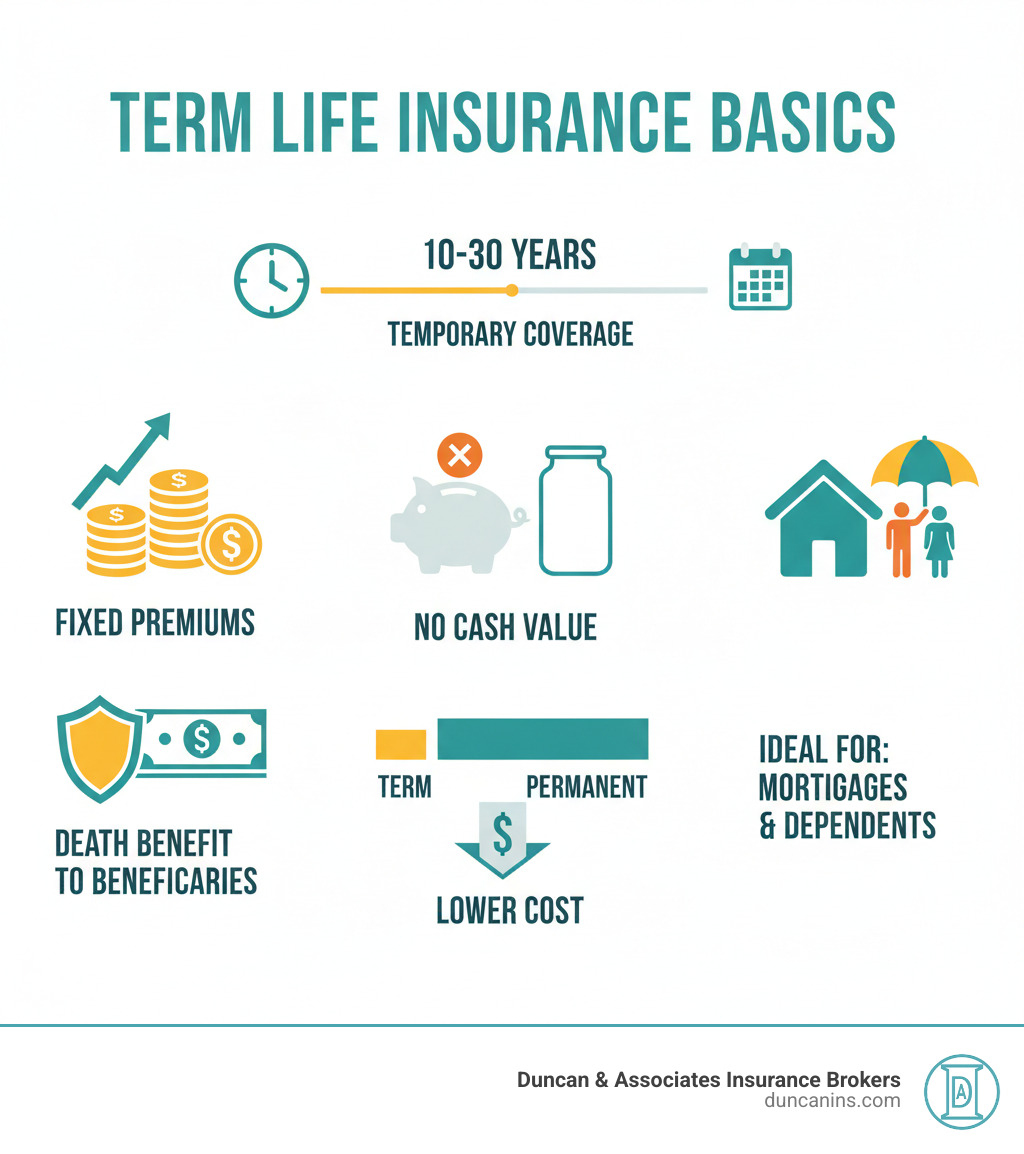
The Federal Employees’ Group Life Insurance (FEGLI) program is the largest group life insurance program in the world, covering millions of federal employees, retirees, and their family members. For USPS employees, this is not a private insurance policy bought on the open market but a government-sponsored group term policy. Because it is term insurance, it has no cash value; it is designed strictly to provide financial protection to beneficiaries upon the death of the insured.
The program is structured in a modular fashion, consisting of one mandatory Basic policy and three optional forms of coverage. Understanding these four components is the first step in assessing your current financial protection and determining if you need additional coverage beyond what the USPS provides.
Basic Insurance
Basic insurance is the cornerstone of the FEGLI program. For most employees, it is the initial coverage provided upon hiring. The amount of Basic insurance is equal to the employee’s annual rate of basic pay, rounded up to the next even thousand dollars, plus an additional $2,000. This amount adjusts automatically whenever the employee’s salary increases.
Optional Insurance Tiers
Beyond Basic, employees can choose to enroll in three additional types of optional insurance:
- Option A (Standard): Provides a flat $10,000 in additional coverage.
- Option B (Additional): Allows employees to elect coverage in multiples of their annual salary (1x, 2x, 3x, 4x, or 5x their pay).
- Option C (Family): Provides coverage for an employee’s spouse and eligible dependent children. This is also elected in multiples (1x to 5x), where each multiple equals $5,000 for a spouse and $2,500 for each child.
Eligibility and Enrollment Guidelines
Eligibility for FEGLI is automatic for most federal employees, including career USPS staff. When you are hired, you are automatically enrolled in Basic insurance unless you choose to waive it.
Initial Enrollment
During the first hiring period, employees have a limited window to elect optional coverage. If you miss this window, your opportunities to enroll in optional insurance become significantly more restricted. You generally cannot simply decide to add coverage whenever you wish; you are typically required to wait for an Open Season (which occurs rarely) or experience a "qualifying life event," such as marriage, divorce, or the birth of a child.
The Role of Qualifying Life Events
A Qualifying Life Event (QLE) allows an employee to change their insurance elections outside of an Open Season. Common QLEs include changes in family status, such as marriage, divorce, annulment, or legal separation, or the death of a spouse. These events provide a limited window—usually 31 days—to submit the required documentation and forms to modify your coverage. It is critical to track these deadlines, as missing them forces you to wait for the next authorized enrollment period.
Costs and Premium Calculations
One of the primary advantages of the USPS FEGLI program is the cost structure. Because the risk is spread across a massive pool of federal workers, premiums are often highly competitive compared to private term life insurance policies.
How Premiums are Determined
- Basic Insurance: The government pays one-third of the cost, and the employee pays two-thirds. The cost per $1,000 of coverage is uniform across all age groups.
- Option A: The cost is based on age brackets. As you move into higher age bands, the cost of this coverage increases.
- Option B and C: Like Option A, these premiums are age-rated. However, because the benefit amount is tied to your salary (for Option B) or a fixed dollar amount (for Option C), the total deduction can be higher as your salary grows or as you age.
Financial Considerations
While FEGLI premiums are competitive, they are not always the cheapest option for everyone. A young, healthy employee who does not smoke may find that a private term life insurance policy offers better rates for a similar death benefit. Conversely, for older employees or those with pre-existing health conditions that would make private underwriting expensive or impossible, FEGLI remains an incredibly valuable benefit because it is offered without medical exams or health-based premium surcharges.
Comparing FEGLI to Private Life Insurance
When evaluating whether to maintain full FEGLI coverage or supplement it with a private policy, consider the following table:
| Feature | FEGLI (USPS) | Private Term Life Insurance |
|---|---|---|
| Medical Exam | Not required | Often required |
| Eligibility | Employment-based | Underwriting-based |
| Portability | Limited (with conditions) | Fully portable |
| Cost Basis | Age-bracketed | Age, health, and gender |
| Cash Value | No | No (Term) / Yes (Whole/Universal) |
Portability and Retirement
A common question among USPS employees is what happens to their life insurance when they retire. You may continue your FEGLI coverage into retirement if you have been insured for the five years of service immediately preceding your retirement, or since your first opportunity to enroll if less than five years.
However, be aware that Option B and Option C coverage becomes significantly more expensive as you enter older age brackets during retirement. Many retirees choose to reduce their coverage levels or transition to a private policy to avoid the steep premium increases that occur after age 65.
Managing Your Coverage: Steps to Take
To manage your USPS life insurance effectively, you must utilize the official channels provided by the Office of Personnel Management (OPM) and the Postal Service.
- Verify Current Coverage: Access your latest earnings statement or the PostalEase portal to see exactly which options you are currently paying for. Many employees continue paying for insurance they no longer need, such as Option C coverage for children who have grown up and are no longer eligible.
- Review Beneficiaries: This is the most common oversight. If you have not updated your Standard Form 2823 (Designation of Beneficiary), your life insurance proceeds will be paid out according to the standard order of precedence defined by law. This may not align with your current family situation or wishes.
- Perform a Needs Analysis: Calculate your total debt, future income requirements for your family, and existing savings. If your FEGLI coverage (Basic + Options) falls short of this number, consider shopping for a supplemental private policy.
- Monitor Life Events: If you experience a marriage, birth, or loss, verify immediately if that event qualifies you to adjust your FEGLI elections.
Frequently Asked Questions
Can I cancel my FEGLI coverage at any time?
Yes, you can cancel your FEGLI coverage at any time by filing the appropriate paperwork through the PostalEase system or your HR department. However, remember that once you cancel optional coverage, you cannot simply re-enroll later without a qualifying life event or an Open Season.
Does my life insurance coverage decrease as I get older?
Basic coverage does not decrease based on age. However, the premiums for Optional insurance (A, B, and C) increase as you reach higher age brackets. Furthermore, if you choose to keep certain options into retirement, you may be required to elect "reducibility" options, where the coverage amount automatically decreases over time to keep premiums manageable.
Are FEGLI benefits taxable?
The death benefit paid to your beneficiary is generally not subject to federal income tax. However, the proceeds are typically included in your gross estate for federal estate tax purposes. Always consult with a tax professional regarding your specific estate planning needs.
Is there a medical exam required for FEGLI?
No. One of the greatest benefits of the FEGLI program is that it is "guaranteed issue." You do not need to undergo a physical exam or answer health questions to qualify for coverage, regardless of your medical history. This makes it an essential safety net for employees with chronic health issues.
Can I have both FEGLI and private life insurance?
Absolutely. Many federal employees use FEGLI as their base coverage due to the ease of payroll deduction and lack of medical requirements, and then purchase a private term life insurance policy to cover specific gaps or to provide additional protection that is portable regardless of their employment status.
Practical Next Steps for USPS Employees
To take control of your financial protection today, perform a formal audit of your records. Log into the PostalEase portal and download your current insurance summary. Ensure your beneficiary designations are up to date, as these supersede any previous wills or verbal instructions.
If you determine that your current coverage is insufficient, do not wait for an Open Season to act. First, verify if a recent life event allows you to adjust your election. If not, research private term life insurance providers to compare their costs against your projected FEGLI premium increases. By treating your USPS life insurance as one part of a broader financial strategy rather than a static "set it and forget it" benefit, you ensure your family remains protected regardless of future career or life changes.
Image Gallery
Select an image to open it in a new tab.



Mateo Castillo
Decentralized Finance and E-Payments Strategist
