Understanding I-Rod Pipe Support: Applications, Materials, and Engineering Principles
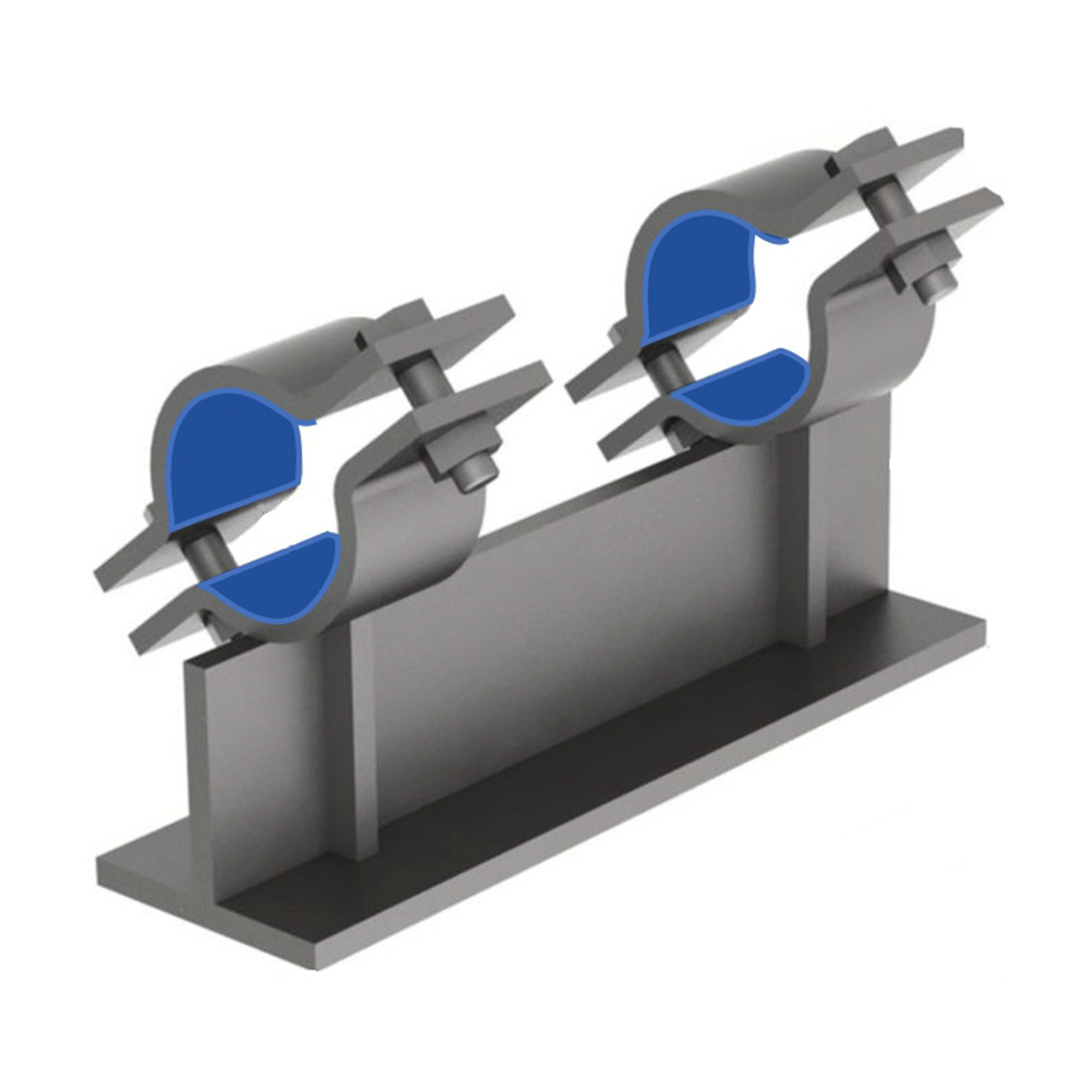
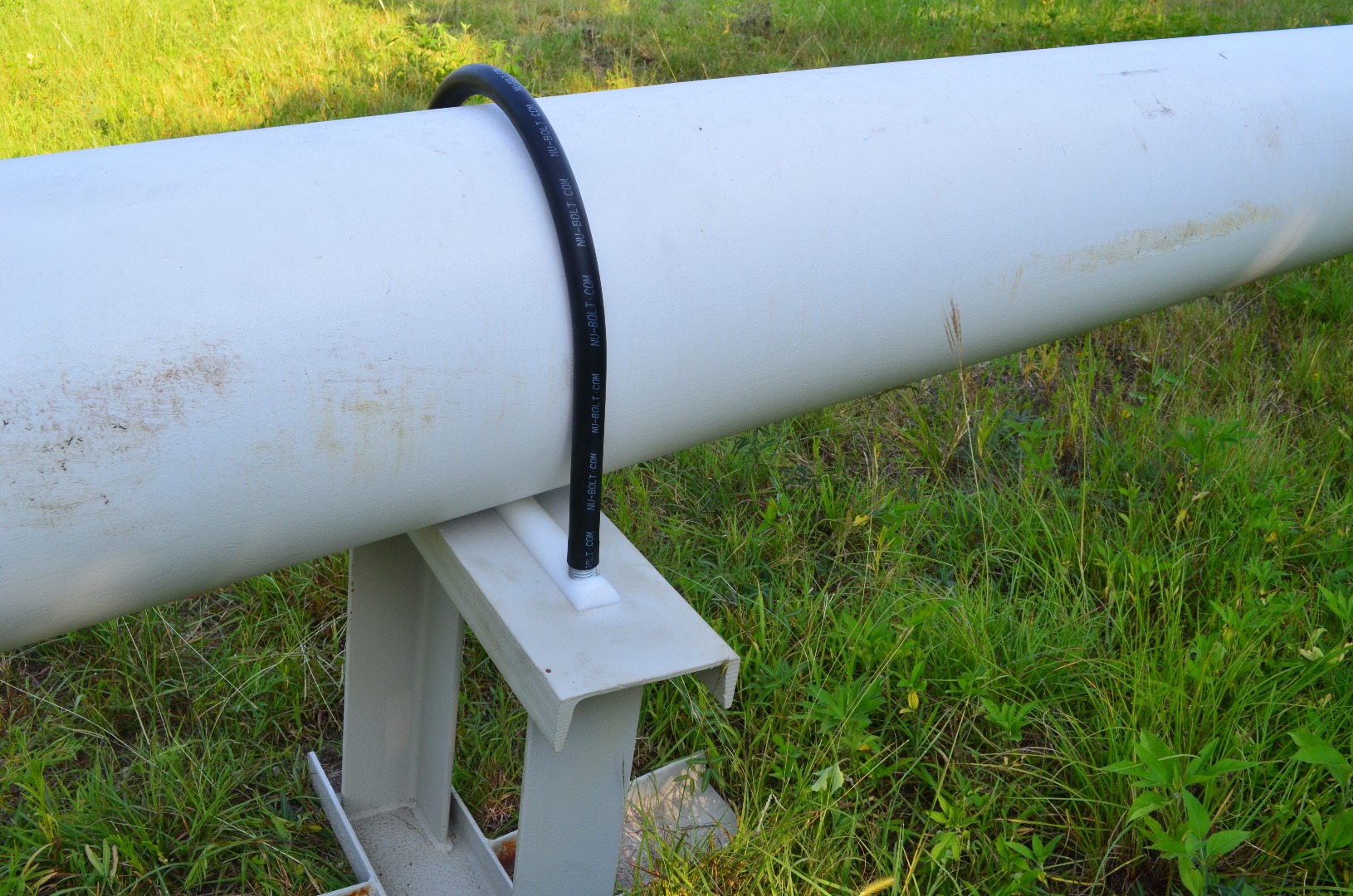
An I-Rod pipe support system utilizes a half-round thermoplastic bar welded or secured to structural steel supports, eliminating crevice corrosion, preventing galvanic reactions between dissimilar metals, and minimizing stress concentrations by providing a narrow, line-contact bearing surface for industrial piping.
Industrial piping systems in chemical plants, refineries, offshore platforms, and power generation facilities face severe mechanical and environmental challenges. Among these, pipe support degradation at the interface between the pipe and the structural steel remains one of the most insidious threats to asset integrity. Traditional flat-bar or wide-flange supports often trap moisture, debris, and chemical residues under the pipe, creating ideal conditions for accelerated corrosion under support (CIUS). Furthermore, friction and vibration can cause mechanical wear and structural fatigue. The I-Rod pipe support system was engineered to solve these exact engineering hurdles by fundamentally altering the geometry and material dynamics of the pipe-to-support interface.
Understanding how these components function, how they are selected, and how they integrate into broader piping arrangements is critical for mechanical engineers, maintenance supervisors, and piping designers aiming to extend facility lifecycles and prevent catastrophic containment failures.
The Engineering Problem: Corrosion Under Support and Crevice Corrosion
To fully appreciate the design of an I-Rod pipe support, one must examine the failure mechanisms inherent in traditional bare-metal supports. In a standard configuration, a carbon steel pipe rests directly upon a carbon steel structural member, such as an I-beam or a channel iron. Alternatively, a wear pad may be welded to the underside of the pipe, which then rests on the support steel.
When ambient moisture, rain, chemical washdowns, or condensation enter the space between the pipe and the support, capillary action draws the liquid into the tight crevice. Because this area is shielded from wind, sunlight, and rapid evaporation, moisture remains trapped for extended periods. This phenomenon is known as crevice corrosion. Additionally, atmospheric oxygen concentrations vary between the wetted interior of the crevice and the freely exposed exterior surfaces, establishing an oxygen concentration cell that aggressively dissolves the metal.
Traditional Support (Traps Moisture & Debris): [ Pipe Bottom ] ================= <-- Crevice traps water, debris, and chemicals [ Flat Steel Beam ] I-Rod Support (Minimizes Contact & Elevates Pipe): [ Pipe Bottom ] | <-- Narrow line-contact minimizes trapping zones [I-Rod] <-- Thermoplastic barrier prevents galvanic contact [ Structural Beam ]
Compounding this issue is galvanic corrosion. When stainless steel or alloy piping rests directly on carbon steel supports, contact between dissimilar metals in the presence of an electrolyte (such as moisture laden with industrial pollutants or sea salt) causes the less noble metal—usually the carbon steel support or the unalloyed wear pad—to sacrifice itself rapidly. Because corrosion under support occurs in hidden, difficult-to-inspect areas, wall thinning often goes unnoticed until a pressure containment breach occurs, leading to costly shutdowns, environmental releases, and safety hazards.
Anatomy and Design Principles of the I-Rod System
The I-Rod system addresses the root causes of support failure through a combination of geometric design and material science. Developed specifically to mitigate crevice corrosion and galvanic attack, the system is centered around a proprietary half-round thermoplastic bar—originally manufactured from thick, high-impact polymers such as polyurethane or reinforced composites.
Geometric Line Contact
Unlike flat supports that provide a broad surface area for moisture and debris accumulation, the half-round cross-section of an I-Rod creates a narrow line-contact interface with the pipe wall. This minimalist contact geometry drastically reduces the surface area available for liquid retention via capillary action. Any moisture that does find its way to the support interface quickly drains away or evaporates due to improved airflow around the elevated pipe.
Electrical and Galvanic Isolation
By interposing a high-dielectric thermoplastic rod between the pipe and the structural steel, the system completely severs the metallic continuity required for galvanic corrosion. Even if the piping is made of austenitic stainless steel and the underlying support structure is fabricated from heavy structural carbon steel, the non-conductive nature of the I-Rod prevents electrons from flowing between the dissimilar metals.
Load Distribution and Stress Management
A common concern among piping engineers is whether a narrow, line-contact support will induce excessive localized stresses or crushing forces on the pipe wall, particularly in thin-walled or large-diameter pipes. The material selection for I-Rod—typically a tough, high-durometer engineered polymer—possesses high compressive strength while retaining enough flexibility to deform microscopically under load. This distributes the pipe's weight across a controlled contact patch without exceeding the allowable local stress limits specified in codes such as ASME B31.1 and ASME B31.3.

Material Selection and Environmental Compatibility
Choosing the correct grade of I-Rod material is vital for ensuring long-term reliability in aggressive industrial environments. Standard polymers may degrade when exposed to ultraviolet (UV) radiation, extreme temperatures, or aggressive chemical agents found in process plants.
Polymer Formulations
- Polyurethane: Highly durable, resistant to abrasion, and capable of withstanding moderate temperature ranges. Standard polyurethane grades perform exceptionally well in typical atmospheric conditions, marine environments, and general chemical plant applications.
- Fluoropolymers (e.g., PTFE or PVDF): Utilized in extreme chemical environments where splash or spillage of concentrated acids, caustics, or strong solvents would rapidly degrade standard polyurethanes. Fluoropolymers also offer superior performance at elevated operating temperatures.
- High-Temperature Composites: Engineered for high-temperature insulated piping systems where process temperatures exceed the thermal limits of standard thermoplastics. These formulations maintain their compressive strength and dimensional stability under severe thermal stress.
Structural Compatibility and Attachment Methods
I-Rod profiles are typically welded, clipped, or bonded to structural steel supports depending on site-specific safety protocols (such as hot-work restrictions).
- Welding: The flat base of the half-round profile can be welded continuously or stitch-welded to the top flange of structural steel members before the pipe is set in place.
- Clamping and Retrofitting: In brownfield facilities where hot work permits are difficult to obtain or plant shutdowns are prohibited, specialized clips or high-strength industrial adhesives can secure the rods to existing steel without open flames or sparks.
| Support Type | Crevice Corrosion Risk | Galvanic Isolation | Contact Geometry | Typical Application |
|---|---|---|---|---|
| Direct Steel-on-Steel | High (Severe entrapment) | None | Broad flat contact | Legacy systems, low-humidity indoor environments |
| Flat Wear Pad | Moderate-High | Dependent on coating | Broad flat contact | Standard heavy industrial piping |
| Wooden Sleepers | High (Absorbs moisture) | Complete | Broad flat contact | Temporary or onshore oilfield lines |
| I-Rod System | Negligible | Complete | Narrow line-contact | Refineries, chemical plants, offshore platforms |
Installation Best Practices and Field Guidelines
Proper installation is critical for realizing the engineering benefits of an I-Rod pipe support system. Improper spacing, misaligned rods, or failure to account for thermal expansion can compromise structural integrity and accelerate mechanical wear.
Placement and Spacing
Piping spans must be engineered in accordance with applicable design codes to prevent excessive sagging, bending stresses, and resonant vibration. When installing I-Rod supports:
- Verify that the structural steel support is clean, flat, and free of heavy rust scale, weld spatter, or mill coatings that could create uneven seating surfaces.
- Position the half-round rod perpendicular to the longitudinal axis of the pipe to ensure uniform line contact across the entire support width.
- Ensure correct axial alignment so that thermal expansion and contraction of the pipe allow smooth sliding movement across the apex of the rod without binding or edge-loading.
Insulation and Cladding Considerations
For insulated piping systems, the support design must account for whether the I-Rod is installed beneath the insulation layer or if a specialized shoe is used to transfer the load through the insulation to the support. In systems where the pipe is insulated to maintain process temperature or for personnel protection, vapor barriers must be carefully detailed around the support penetration to prevent moisture ingress into the insulation matrix.
Advantages and Limitations
Like any engineered solution, I-Rod supports offer distinct operational benefits alongside certain design constraints that must be evaluated during the engineering phase.
Key Advantages
- Drastic Reduction in Maintenance Costs: By eliminating crevice corrosion and CIUS, facilities avoid costly emergency repairs, pipe lifting operations, and unexpected shutdowns.
- Extended Asset Life: Prevents premature wall thinning, preserving the design safety factor of the pressure-containing pipe wall.
- Simplified Inspection: The open geometry around the support interface allows maintenance personnel to easily visually inspect the pipe underside and structural steel during routine plant walkdowns.
- Elimination of Dielectric Breakdown: Solves galvanic corrosion issues permanently when transitioning between dissimilar metal combinations.
Limitations and Operational Boundaries
- Temperature Restrictions: Standard thermoplastic formulations have upper operating temperature limits (typically around 200°F to 250°F / 93°C to 121°C for standard polyurethanes), requiring specialized high-temperature composite materials for hotter process lines.
- Point Load Considerations: Extremely heavy, large-diameter piping subjected to severe dynamic hammering or massive surge loads requires careful engineering analysis to ensure the contact stress does not exceed the compressive yield strength of the selected polymer.
- Initial Capital Expense: While lifecycle cost analysis overwhelmingly favors upgraded supports, the initial material and retrofitting labor costs exceed those of standard bare-steel supports.
Frequently Asked Questions
What is the primary purpose of an I-Rod pipe support?
The primary purpose is to eliminate corrosion under support (CIUS) and galvanic corrosion by elevating the pipe on a half-round thermoplastic bar, which minimizes contact area, prevents moisture trapping, and provides complete electrical isolation between dissimilar metals.
Can I-Rod supports be installed on existing, operational piping systems?
Yes. Many maintenance programs utilize I-Rod during turnaround events or live plant maintenance by temporarily lifting the pipe using hydraulic jacks, cleaning and coating the structural steel, and placing the new support bars into position without requiring pipe replacement.
Will the narrow profile of an I-Rod dent or damage thin-walled pipes?
When properly engineered and selected for the specific pipe diameter, wall thickness, and operating weight, the high-durometer polymer distributes loads safely within allowable stress limits defined by ASME piping codes, preventing mechanical crushing or localized denting.
How do I determine the correct material grade for my operating temperatures?
Consult the manufacturer's technical data sheets and cross-reference them with your process fluid temperatures and ambient operating conditions. For standard ambient exterior environments, polyurethane is typical, whereas high-temperature services require specialized composite formulations.
Are I-Rod supports approved for use in offshore and marine environments?
Yes. Because marine atmospheres combine high humidity, salt spray, and severe galvanic risks, the non-corrosive, dielectric properties of I-Rod systems make them standard components in offshore platform topsides and coastal processing plants.
Conclusion and Next Actions
Implementing an I-Rod pipe support system represents a proactive step toward eliminating one of the most common and destructive forms of industrial piping degradation: corrosion under support. By understanding the underlying mechanics of crevice corrosion, selecting appropriate material grades for your operational temperature and chemical environment, and ensuring precise installation alignment, maintenance and engineering teams can significantly enhance asset integrity. To proceed, audit your facility's existing piping inventory to identify high-risk supports subject to moisture accumulation or dissimilar metal contact, and consult certified mechanical engineering standards to specify retrofits during your next scheduled turnaround.
Image Gallery
Select an image to open it in a new tab.



Declan O'Connor
Higher Education and Campus Culture Reporter
