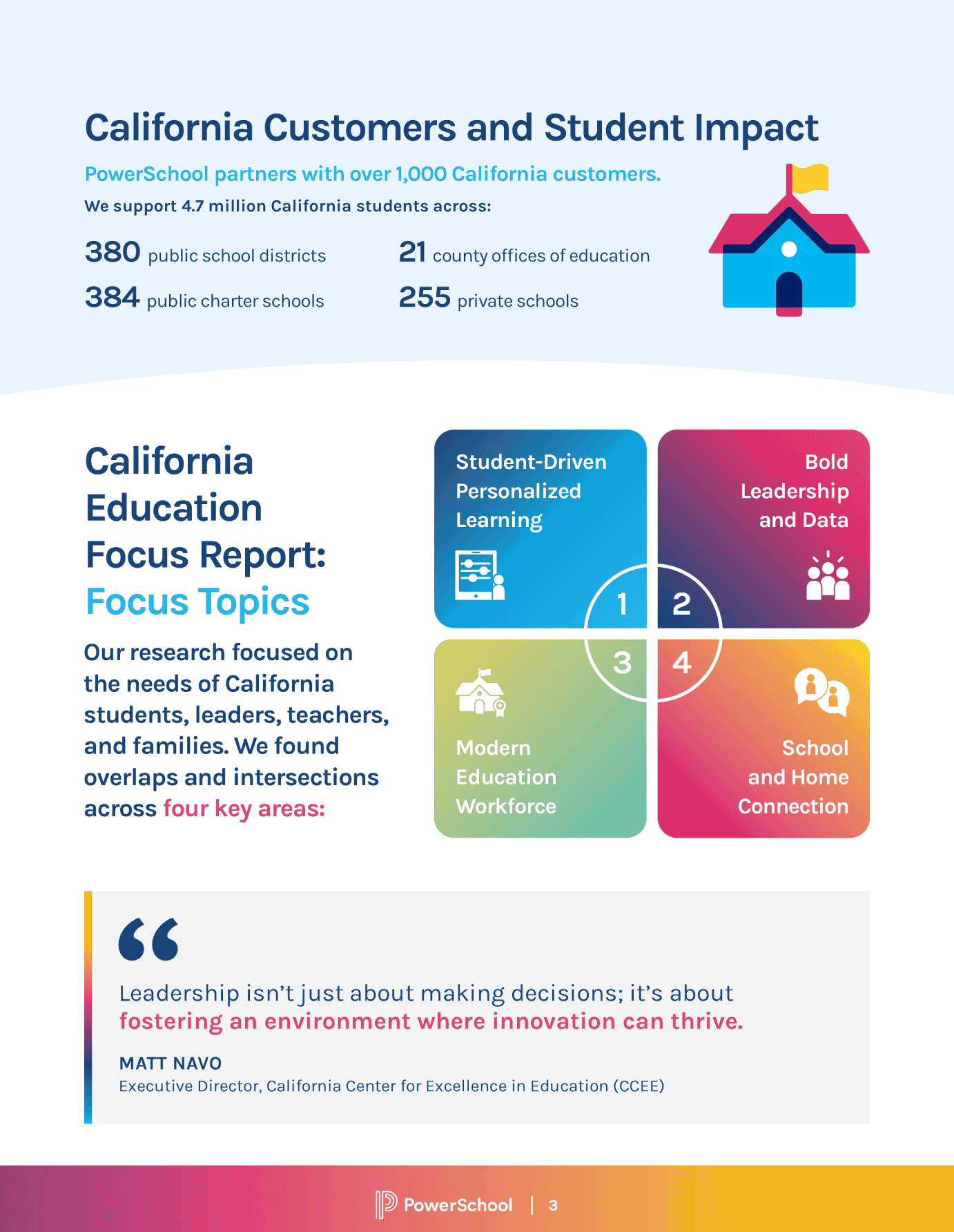
California’s education system is the largest and most diverse in the United States, serving approximately 5.8 million K-12 students across 1,000+ districts and nearly 3 million students in public higher education. The system is defined by its commitment to equity through the Local Control Funding Formula (LCFF) and a world-renowned three-tier public university structure designed to ensure broad access to degrees.
The Structure and Governance of California K-12 Education
The governance of California’s primary and secondary education is a multi-layered framework designed to balance state-level standards with local community control. At the top of this hierarchy is the California Department of Education (CDE), led by the State Superintendent of Public Instruction. The CDE oversees the implementation of state laws and the distribution of billions of dollars in funding. However, the actual day-to-day operations of schools are managed by locally elected school boards within individual school districts.
In 2026, the landscape of K-12 education continues to emphasize "whole-child" development. This approach integrates academic instruction with mental health services, nutrition, and expanded learning opportunities. A significant milestone reached by the 2025-26 school year is the full implementation of Universal Transitional Kindergarten (UTK). California now offers an additional year of public schooling for all four-year-olds, regardless of family income, effectively shifting the state toward a "P-12" (Pre-kindergarten through 12th grade) model.
District accountability is managed through the Local Control and Accountability Plan (LCAP). This document requires districts to demonstrate how they are using state funds to improve outcomes for specific student groups, including English learners, foster youth, and low-income students. This transparency mechanism ensures that stakeholders—parents, teachers, and community members—have a direct voice in how local education dollars are spent.
Funding the Future: The Local Control Funding Formula (LCFF)
California’s method for funding schools is unique and revolves around the Local Control Funding Formula (LCFF), which was established to replace a complex and outdated "categorical" funding system. Under LCFF, the state provides a base grant for every student, but then adds "supplemental" and "concentration" grants for districts with higher populations of high-need students.
The primary source of this funding is Proposition 98, a constitutional amendment passed in 1988 that mandates a minimum percentage of the state budget be dedicated to K-14 education (K-12 schools and community colleges). In 2026, the volatility of California’s tax revenue—which relies heavily on personal income and capital gains—remains a central challenge for school administrators.
Key Components of School Revenue in 2026:
- State General Fund: The largest contributor, governed by Prop 98.
- Local Property Taxes: A portion of property taxes remains with local districts, though the state "evens out" the total per-pupil spending to maintain equity.
- Federal Funding: Primarily supports Special Education (IDEA) and Title I schools with high concentrations of poverty.
- Proposition 28: A more recent addition that mandates dedicated annual funding for arts and music education in all K-12 public schools.
Public Higher Education: The Three-Tier Master Plan
California’s higher education system is often cited as a global gold standard for public university design. It operates under the California Master Plan for Higher Education, which defines specific roles for three different types of institutions to ensure that every Californian has a path to a degree.
1. California Community Colleges (CCC)
The CCC system is the largest system of higher education in the nation, consisting of 116 colleges. Its primary missions are vocational training, remedial education, and preparing students to transfer to four-year universities. By 2026, the "California College Promise" has expanded, providing two years of tuition-free education to many first-time, full-time students. Furthermore, many community colleges now offer specialized four-year Bachelor’s degrees in high-demand fields like dental hygiene and automotive technology to meet local workforce needs.
2. The California State University (CSU)
With 23 campuses, the CSU is the "workhorse" of California’s economy, producing the majority of the state’s teachers, nurses, and engineers. The CSU focuses on undergraduate and Master’s level education, with a heavy emphasis on practical, career-ready skills. In recent years, the CSU has focused intensely on "Graduation Initiative 2025" and subsequent 2026 goals aimed at eliminating equity gaps in graduation rates among minority and first-generation students.
3. The University of California (UC)
The UC system is the state’s primary academic research institution. It consists of 10 campuses (nine undergraduate and one graduate-only at UC San Francisco). The UC is tasked with admitting the top 12.5% of California high school graduates. It is renowned for its research output and its role in driving innovation in Silicon Valley and the state’s biotechnology sectors. In 2026, the UC continues to face high demand, leading to expanded enrollment for California residents and a reduction in out-of-state admissions at "anchor" campuses like UCLA and UC Berkeley.
Comparing Public Higher Education Systems in California
| Feature | California Community Colleges (CCC) | California State University (CSU) | University of California (UC) |
|---|---|---|---|
| Primary Mission | Workforce training & Transfer prep | Undergraduate & Master's education | Research & Doctoral programs |
| Admission Eligibility | Open to all high school graduates | Top 33% of CA graduates | Top 12.5% of CA graduates |
| Average Annual Tuition | ~$1,100 (often waived) | ~$6,000 - $8,000 | ~$14,000 - $16,000 |
| Number of Campuses | 116 | 23 | 10 |
| Degree Types | Certificates, Associate, select Bachelor's | Bachelor's, Master's, select Doctorates | Bachelor's, Master's, PhD, Professional |
Current Trends and Challenges in 2026
The California education system is currently navigating several transformative shifts. One of the most pressing issues is declining enrollment in K-12 schools. Factors such as lower birth rates and high housing costs have led to a steady decrease in student numbers, which directly impacts district budgets since funding is tied to Average Daily Attendance (ADA).
The Rise of Community Schools
California has invested billions into the Community Schools model. These are not just places of learning but neighborhood hubs that provide "wraparound services." In 2026, a typical community school in an underserved area might house a dental clinic, a food pantry, and adult ESL (English as a Second Language) classes, recognizing that students cannot learn effectively if their basic needs are not met.
Teacher Workforce and Retention
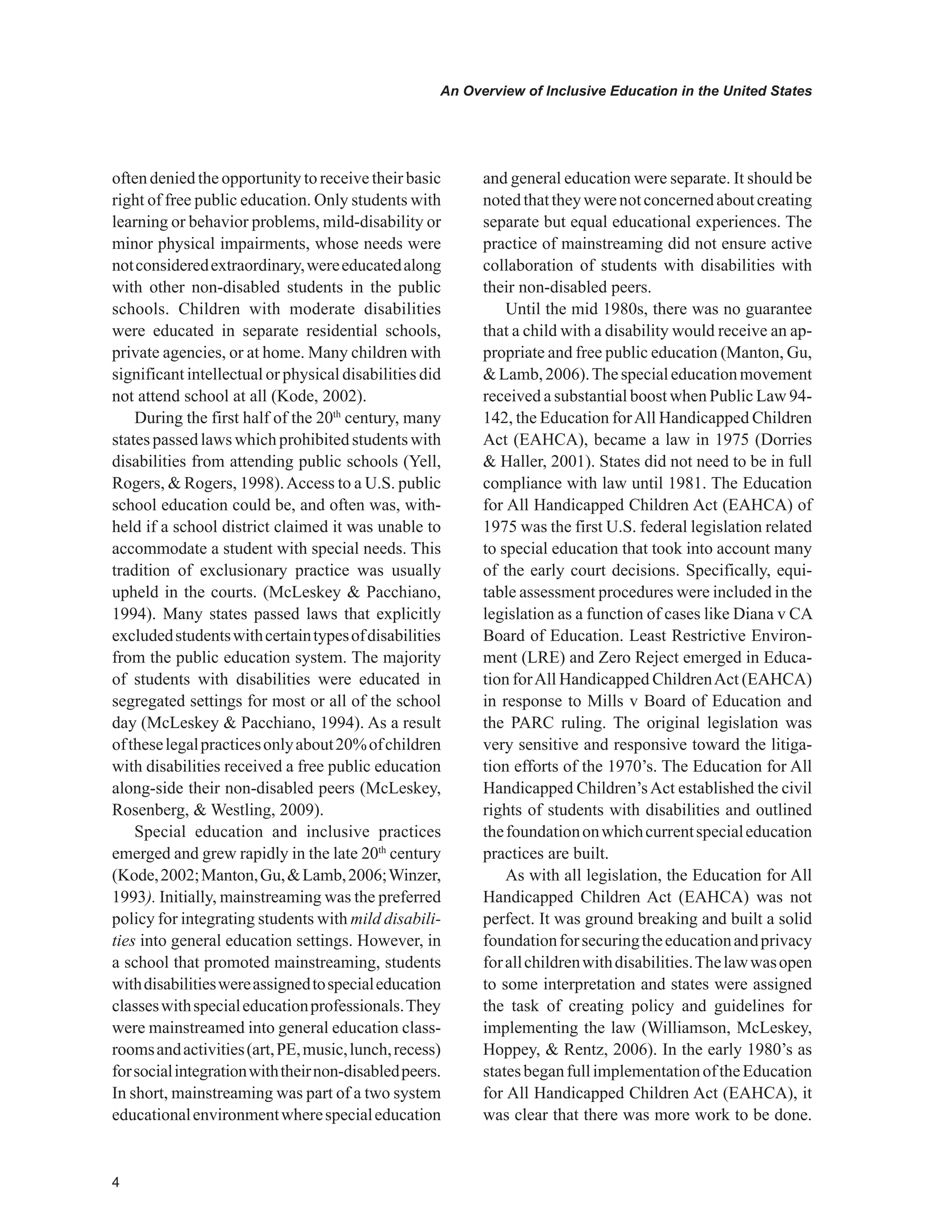
The teacher shortage remains a critical hurdle. To combat this, California has streamlined the credentialing process and expanded "Residency Programs," where prospective teachers earn a stipend while training under a mentor. Significant state investments have also been made to subsidize housing for educators in high-cost areas like the Bay Area and Los Angeles, ensuring that those who teach in the community can afford to live there.
Digital Equity and AI Integration
Following the lessons of the early 2020s, California has achieved near-universal broadband access for students. In 2026, the focus has shifted to the ethical integration of Artificial Intelligence (AI) in the classroom. The CDE provides guidelines for districts on using AI as a personalized tutor for students while maintaining strict data privacy standards and ensuring that AI does not replace the critical human element of instruction.
Special Education and Inclusive Practices
California continues to move toward a "Full Inclusion" model for Special Education. The goal is to educate students with disabilities in the Least Restrictive Environment (LRE), typically the general education classroom, alongside their peers. This requires significant investment in "Paraeducators" and specialized training for general education teachers. Funding for these programs is a combination of state funds and federal IDEA (Individuals with Disabilities Education Act) grants, though the state often bears the brunt of the costs as federal contributions have historically remained below the promised 40% level.
Frequently Asked Questions
How do I enroll my child in a California public school?
Enrollment is handled at the local school district level. You generally need to provide proof of residency (such as a utility bill), immunization records, and the child’s birth certificate. Many districts now offer online enrollment portals. For those interested in "School Choice," some districts allow for intra-district or inter-district transfers if space is available, though priority is usually given to neighborhood residents.
What are the "A-G Requirements"?
The A-G requirements are a sequence of high school courses that students must complete with a grade of "C" or better to be eligible for admission to the CSU or UC systems. These include specific years of study in History/Social Science (A), English (B), Mathematics (C), Science (D), Language other than English (E), Visual and Performing Arts (F), and College-Preparatory Electives (G).
Can students still take the SAT or ACT for college admissions?
As of 2026, both the University of California and the California State University systems remain "test-blind" for admissions. This means that SAT and ACT scores are not considered in the admission decision process. Instead, admissions officers look at GPA, the rigor of courses taken, extracurricular involvement, and local context (such as the opportunities available at the student’s specific high school).
What is the California Dream Act (CADAA)?
The California Dream Act allows undocumented students who meet certain criteria (such as attending a California high school for at least three years) to apply for state-funded financial aid, such as Cal Grants and the Middle Class Scholarship. This is separate from the federal FAFSA, which undocumented students are ineligible for. It is a key part of California's policy to ensure that all residents, regardless of immigration status, have access to higher education.
How are charter schools different from traditional public schools in California?
Charter schools are public schools that are exempt from many of the regulations governing traditional school districts. They are governed by their own boards and operate under a "charter" or contract with an authorizing entity (usually a local school district or county office of education). While they have more flexibility in curriculum and staffing, they must still participate in state testing and meet the same academic standards as traditional schools.
Practical Next Actions for Residents
For parents and students navigating the California education system in 2026, the following steps are recommended:
- Verify Your District's LCAP: Visit your local school district’s website to review their Local Control and Accountability Plan. This will tell you where the district is prioritizing its spending and what its goals are for student achievement.
- Explore the California Collegerunner: Use the state’s unified "Cradle-to-Career" data system to explore college outcomes, career pathways, and financial aid eligibility in one centralized location.
- Monitor UTK Deadlines: If you have a child turning four, check with your local elementary school regarding enrollment windows for Universal Transitional Kindergarten, as these programs often fill up quickly.
- Review Financial Aid Early: Whether using the FAFSA or the CADAA, students should begin the financial aid application process in the fall of their senior year of high school to maximize their eligibility for "first-come, first-served" state grants.
Detailed information on specific school performance can be found on the California School Dashboard, which provides a multi-colored grid system to show how schools are performing across various metrics including test scores, graduation rates, and chronic absenteeism. For higher education planning, the University of California admissions site and the Cal State Apply portal remain the official sources for application requirements and deadlines.
Image Gallery
Select an image to open it in a new tab.


Zara El-Hashem
Sociocultural Dynamics and Academics Writer
