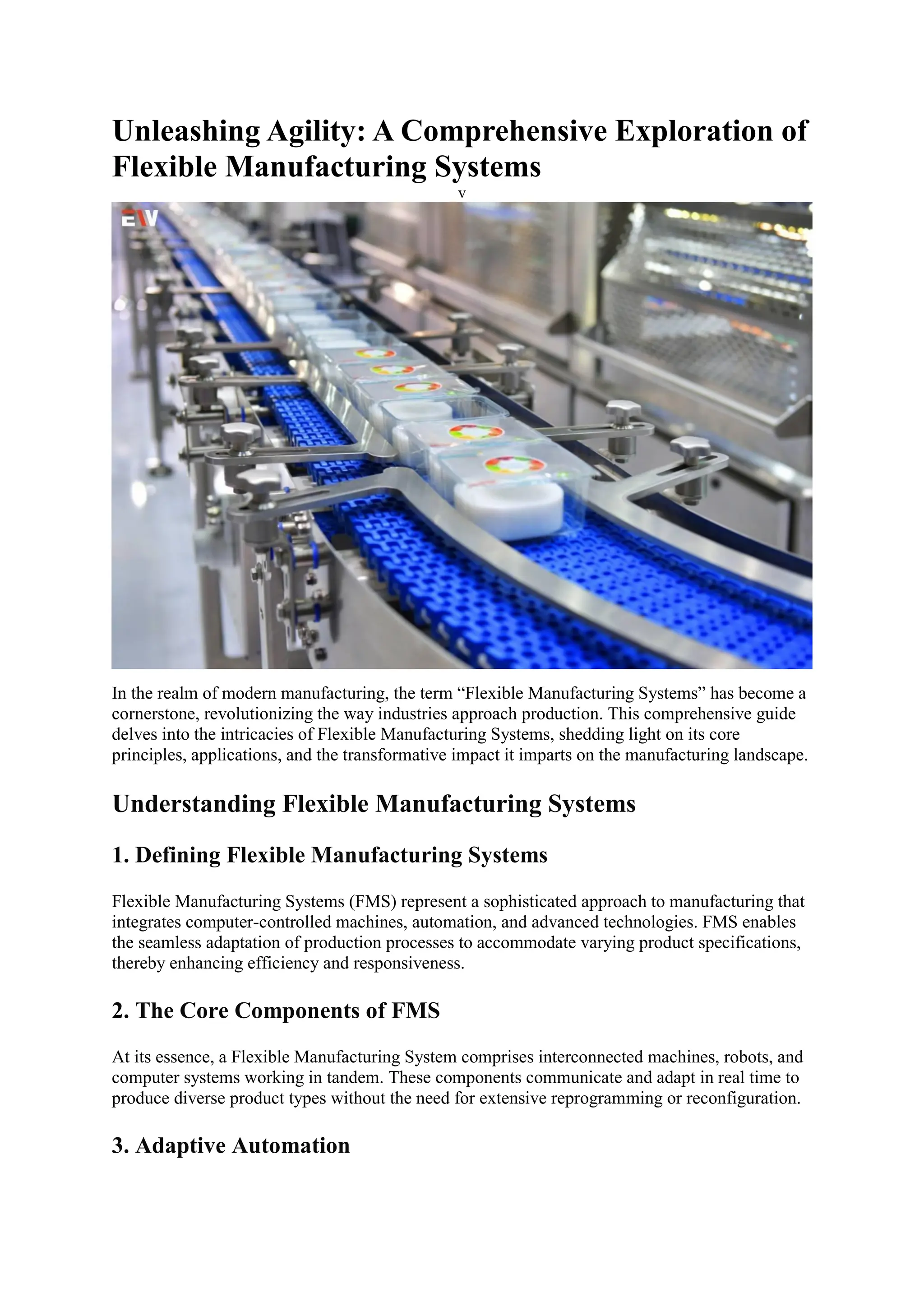
Spirit manufacturing in 2026 is a sophisticated intersection of organic chemistry, precision engineering, and rigorous legal compliance. To succeed, producers must master the conversion of fermentable sugars into ethanol while navigating a multi-layered regulatory framework that governs everything from distillery construction and tax obligations to labeling accuracy and environmental impact.
The production of distilled spirits is one of the most heavily regulated industries globally. In the United States, this landscape is primarily overseen by the Alcohol and Tobacco Tax and Trade Bureau (TTB) and the Food and Drug Administration (FDA), alongside various state and local authorities. For a distillery to remain operational and profitable in 2026, it must balance the artisanal demands of flavor development with the bureaucratic demands of federal permits, excise tax filings, and safety standards.
The Fundamentals of Spirit Manufacturing
At its core, spirit manufacturing is the process of concentrating alcohol from a fermented base through distillation. While the specific equipment and ingredients vary between a single malt scotch and a botanical-heavy gin, the underlying scientific principles remain consistent.
Raw Material Preparation and Mashing
The process begins with the selection of a carbohydrate source. This can be grain (corn, rye, barley, wheat), fruit (grapes, apples), or sugar-based materials (molasses, sugarcane juice). In 2026, many craft distillers are increasingly focused on heirloom grains and localized sourcing to differentiate their products.
For grain-based spirits, the first step is milling, where the grain is ground into a meal to expose the starch. This meal is then mixed with hot water in a mash tun. During the "mash," enzymes (either naturally occurring in malted barley or added as commercial preparations) convert the complex starches into simple, fermentable sugars like maltose and glucose. The temperature must be precisely controlled—usually between 145°F and 155°F—to optimize enzyme activity without denaturing the proteins.
Fermentation: The Biological Engine
Once the mash is cooled, it is transferred to a fermentation vessel where yeast is introduced. Yeast consumes the sugars, producing ethyl alcohol (ethanol), carbon dioxide, and various flavor compounds known as congeners (such as esters, aldehydes, and higher alcohols).
In 2026, fermentation technology has advanced to include high-gravity brewing techniques and specialized yeast strains designed to withstand higher alcohol concentrations and specific temperature fluctuations. Fermentation typically lasts between 48 hours and a week, resulting in a "wash" or "distiller’s beer" with an alcohol by volume (ABV) usually between 7% and 12%.
The Distillation Process: Separation and Concentration
Distillation is the physical separation of alcohol from water and solids based on their differing boiling points. Ethanol boils at approximately 173.1°F (78.37°C), while water boils at 212°F (100°C). By heating the wash, the alcohol evaporates first, is captured, and then cooled back into a liquid state.
Pot Distillation vs. Column Distillation
- Pot Stills: Traditionally used for flavorful spirits like single malt whiskey, cognac, and heavy rums. Pot distillation is a batch process. The spirit is usually distilled twice or three times to reach the desired purity. Because pot stills are less "efficient" at stripping away congeners, the resulting spirit retains more of the character of the original raw material.
- Column (Continuous) Stills: These are used for high-purity spirits like vodka, gin, and light rums. They operate continuously, with the wash fed into the column while steam rises from the bottom. This creates a series of mini-distillations on "plates" within the column, allowing for much higher ABV levels (up to 95% or 190 proof) and a cleaner, more neutral profile.
The "Cuts"
During a batch distillation, the distiller must make "cuts" to separate the emerging liquid into three parts:
- Heads: The first liquid to emerge, containing low-boiling-point compounds like methanol and acetone. These are usually discarded or recycled.
- Hearts: The desirable portion containing the best ethanol and flavor congeners. This is what becomes the final spirit.
- Tails: The final portion, containing heavier alcohols and fusel oils. While some tails are kept for complexity, they are often recycled into the next distillation.

The Federal Regulatory Framework
Navigating the regulatory landscape is arguably as complex as the distillation itself. In the U.S., the Alcohol and Tobacco Tax and Trade Bureau (TTB) is the primary authority under the Department of the Treasury.
The Distilled Spirits Plant (DSP) Permit
Before a single drop of alcohol can be legally produced, an entity must secure a Distilled Spirits Plant (DSP) permit. This process involves:
- Operational Oversight: Proving that the facility is suitable for manufacturing, with secure storage and accurate measuring equipment.
- Personnel Background Checks: Ensuring that the owners and key employees have no disqualifying criminal records.
- Financial Bonding: Distillers must often post a surety bond to guarantee that federal excise taxes will be paid.
Standards of Identity
The TTB maintains strict "Standards of Identity" (found in 27 CFR Part 5) that define what can be called "Bourbon," "Vodka," or "Gin." For example, for a spirit to be labeled as Bourbon Whiskey in 2026, it must still meet the historical requirements: produced in the U.S., made from at least 51% corn, distilled at no more than 160 proof, entered into charred new oak containers at no more than 125 proof, and bottled at a minimum of 80 proof.
COLA and Formula Approval
Every unique label used on a spirit bottle must receive a Certificate of Label Approval (COLA). This ensures that the label is not misleading and contains all mandatory information, such as the class/type designation, ABV, net contents, and the government health warning. If a distiller adds flavors or colors (as in flavored vodkas or certain liqueurs), they must also obtain Formula Approval before applying for a COLA to ensure the ingredients are safe and permitted.
State and Local Compliance
While federal law governs the "what" and "how" of production, state laws often govern the "where" and "to whom."
The Three-Tier System
Most states still operate under a version of the three-tier system established after Prohibition, which separates producers, wholesalers, and retailers. However, by 2026, many states have enacted "Craft Distillery" laws that allow small producers to bypass certain tiers, permitting on-site tasting rooms and direct-to-consumer (DTC) sales.
State Licensing and ABC Boards
Each state has an Alcoholic Beverage Control (ABC) board or commission. Distillers must obtain state-level manufacturing licenses, which often carry different fees and reporting requirements than federal permits. Local zoning laws also play a critical role, as many municipalities have specific restrictions on where a distillery (which is classed as high-hazard industrial due to ethanol's flammability) can be located.
2026 Financial Obligations: Excise Taxes and Reporting
Taxation is a cornerstone of the regulatory landscape. Distilled spirits are taxed based on proof gallons—one liquid gallon of spirits that is 50% alcohol (100 proof) at 60°F.
| Tax Category | 2026 Federal Rate (Estimated/Standard) | Reporting Frequency |
|---|---|---|
| Excise Tax (Tier 1) | $2.70 per proof gallon (first 100k gallons) | Bi-weekly or Quarterly |
| Excise Tax (Tier 2) | $13.34 per proof gallon (over 100k - 22.2M) | Bi-weekly |
| State Excise Tax | Varies widely by state ($1.50 - $35.00+) | Monthly |
| Occupational Tax | Currently suspended/repealed in many jurisdictions | Annual (if applicable) |
Distillers must maintain meticulous records of every gallon produced, moved, or lost to evaporation (the "angel's share"). Discrepancies in these records can lead to heavy fines or the revocation of the DSP permit. In 2026, most of this reporting is handled via the TTB's digital filing systems, which require real-time or near-real-time data entry from distillery management software.
Safety and Environmental Regulations
Spirit manufacturing involves significant risks, including high-pressure steam, flammable vapors, and heavy machinery.
OSHA and Fire Safety
The Occupational Safety and Health Administration (OSHA) mandates specific protocols for confined space entry (like cleaning fermentation tanks) and lockout/tagout procedures. Because ethanol vapor is explosive, distilleries must comply with National Fire Protection Association (NFPA) standards, specifically NFPA 30 (Flammable and Combustible Liquids Code). This includes explosion-proof lighting, specialized ventilation systems, and specific fire suppression equipment.
Environmental Impact (EPA)
The Environmental Protection Agency (EPA) and local water authorities regulate the disposal of "stillage"—the nutrient-rich liquid left over after distillation. Stillage has a high Biological Oxygen Demand (BOD), meaning it can deplete oxygen in local waterways if dumped untreated. Many 2026 distilleries use anaerobic digesters to process this waste or partner with local farmers to use the spent grains as livestock feed.
Modern Trends in the 2026 Regulatory Landscape
The industry continues to evolve, with 2026 seeing specific shifts in how regulations are applied to modern market demands.
- Direct-to-Consumer (DTC) Shipping: Following years of legislative lobbying, more states have opened their borders to spirits shipping, though this requires distillers to hold "out-of-state shipper" permits and collect sales tax for various jurisdictions.
- Digital Labeling: The TTB has increasingly allowed for QR codes on labels to provide consumer information, though the core mandatory information must still be physically printed on the bottle.
- Sustainability Credits: New federal and state incentives in 2026 reward distilleries that implement carbon-capture technology (for CO2 produced during fermentation) or transition to electrified, renewable-powered stills.
Common Pitfalls in Spirit Manufacturing
- Inadequate Proofing Records: Failing to use a certified hydrometer and thermometer to accurately gauge the proof of spirits before bottling.
- Unapproved Formula Changes: Making a minor change to a botanical bill in a gin without checking if it requires a new formula approval.
- Zoning Miscalculations: Assuming a retail-zoned building can house a production still without upgrading the fire suppression and wastewater systems.
- Neglecting State Excise Taxes: Focusing solely on federal TTB payments while missing state-specific monthly filings.
FAQ
What is a "Proof Gallon" and why does it matter?
A proof gallon is the standard unit of taxation for spirits in the United States. It is defined as one liquid gallon of spirits that is 50% alcohol by volume (100 proof) at 60 degrees Fahrenheit. If you have a gallon of 80 proof vodka, it counts as 0.8 proof gallons. If you have a gallon of 120 proof bourbon, it counts as 1.2 proof gallons. This ensures that spirits are taxed based on their actual alcohol content rather than just their liquid volume.
Can I manufacture spirits at home for personal use in 2026?
No. Under federal law in the United States, it remains illegal to produce distilled spirits at home for personal or family use. While homebrewing beer and making wine at home are legal under federal guidelines, distilling spirits requires a federal permit (DSP) and a physical location that is not a private residence. Some states have different local enforcement priorities, but the federal prohibition is absolute.
How long does it take to get a TTB permit in 2026?
The TTB has worked to streamline the application process through their digital portals. In 2026, the average processing time for a Distilled Spirits Plant permit typically ranges from 60 to 90 days, provided the application is complete and accurate. However, this does not include the time required for state and local licensing, which can add another 3 to 6 months to the timeline.
What is the difference between a neutral spirit and a whiskey in regulatory terms?
The primary difference lies in the "Standards of Identity." A neutral spirit (like vodka) must be distilled at or above 190 proof and bottled at no less than 80 proof. Whiskey must be distilled at less than 190 proof (to ensure it retains the taste and aroma of the grain) and, depending on the type, must often be aged in oak containers. The regulatory requirements for whiskey involve much more stringent oversight of the maturation process and barrel warehouse records.
Do I need a permit if I am only "rectifying" or bottling spirits made by others?
Yes. If you are purchasing bulk spirits from another manufacturer to blend, flavor, or bottle under your own label, you are considered a "processor" or "rectifier." This requires a federal DSP permit and COLA approvals for your labels. You must also maintain records of the spirits received and any "dump and brew" operations where you alter the spirit.
Final Recommendations
For those entering the spirit manufacturing industry in 2026, the first step should be a thorough feasibility study that accounts for both the high capital expenditure of equipment and the significant "compliance drag" of regulatory adherence. It is highly recommended to engage a specialized alcohol beverage attorney or a compliance consultant early in the process. Secure your location and ensure it meets local "High Hazard" (H-occupancy) building codes before ordering equipment. Finally, implement a robust Distillery Management Software from day one; manual record-keeping is no longer practical given the complexity of 2026 tax reporting and inventory tracking requirements.
Image Gallery
Select an image to open it in a new tab.

Declan O'Connor
Higher Education and Campus Culture Reporter
