The Little Rascals Characters in Classic Film: An Analysis of the Our Gang Cast

The characters of The Little Rascals, originally known as the Our Gang shorts, represent a cornerstone of classic American cinema, spanning 221 comedy shorts and one feature film produced between 1922 and 1944. Created by producer Hal Roach, these characters were revolutionary for their time, depicting a diverse group of neighborhood children who operated in a world largely free from adult interference, prioritizing naturalistic child behavior over the polished, artificial "stage-child" performances common in the early 20th century.
The Genesis of a Classic: From Our Gang to The Little Rascals
To understand the characters, one must first understand the transition of the brand. From 1922 to 1938, the shorts were produced by Hal Roach Studios and released through Pathé and later Metro-Goldwyn-Mayer (MGM). In 1938, Roach sold the series entirely to MGM, which continued production until 1944. When the Roach-era shorts were syndicated for television in 1955, the title was changed to The Little Rascals to avoid confusion with the MGM-produced Our Gang shorts still in circulation.
In 2026, we look back at this series not just as a relic of the "Golden Age of Hollywood," but as a significant social document. While the shorts occasionally leaned into the broad caricatures of their era, they were notably progressive in their portrayal of racial integration. Black and white children played together as equals, a rarity during the Jim Crow era, making characters like Ernie "Sunshine Sammy" Morrison, Stymie Beard, and Buckwheat Thomas essential to the history of Black representation in film.
The Defining Characters of the Sound Era
While the silent era featured dozens of talented children, the characters most synonymous with The Little Rascals today are those who appeared during the transition to "talkies" and the mid-1930s peak of the series.
Spanky (George McFarland)
George "Spanky" McFarland joined the troupe in 1932 at the age of three and quickly became the series' centerpiece. Known for his "double-take" and his habit of calling the other rascals "pal," Spanky evolved from a precocious toddler into the pragmatic leader of the group. His comedic timing was uncanny for his age, allowing him to carry complex plotlines involving the "He-Man Woman Haters Club" and various "get-rich-quick" schemes. By the time he retired from the series in 1942, he had appeared in 95 episodes, more than almost any other cast member.
Alfalfa (Carl Switzer)
Arguably the most recognizable rascal, Carl "Alfalfa" Switzer joined in 1935. Defined by his defiant cowlick and his off-key, earnest operatic crooning, Alfalfa was the perpetual romantic lead. His pursuit of Darla Hood provided the narrative backbone for much of the late-1930s Roach era. Switzer’s character was a "lovestruck" Everyman, often finding himself in competition with the wealthy neighborhood bully, Waldo.
Darla (Darla Hood)
Darla Hood was the leading lady of the gang from 1935 to 1941. Unlike many female child stars of the time who were relegated to background roles, Darla was a central figure in the gang’s dynamics. She was often the object of Alfalfa’s affection and the catalyst for many of the boys' adventures. Her character was noted for its charm and musical ability, often performing sophisticated song-and-dance numbers that highlighted the studio's high production values during the mid-30s.
Buckwheat (Billie Thomas)
Billie "Buckwheat" Thomas initially joined the cast as a background extra in 1934, eventually becoming a lead character. While early appearances featured the character in gender-ambiguous costuming (a common trope for toddlers in that era), Buckwheat settled into his iconic role as the soft-spoken, often bewildered sidekick to Alfalfa and Spanky. Despite the racial stereotypes of the time, Thomas’s natural charisma and "O-tay!" catchphrase made him a beloved figure. He remained with the series until its conclusion in 1944, appearing in 93 shorts.
Stymie (Matthew Beard)
Before Buckwheat, the primary Black lead was Matthew "Stymie" Beard. Known for his trademark oversized derby hat—a gift from comedian Stan Laurel—Stymie was the "cool" member of the gang. His character was resourceful, frequently outsmarting adults to help the gang get food or toys. Stymie’s tenure (1930–1935) is often cited by film historians as a high point for the series' improvisational humor.

Supporting Players and Iconic Archetypes
The depth of the Our Gang roster allowed for a revolving door of archetypes that kept the neighborhood feeling lived-in and authentic.
- Porky (Eugene Lee): Spanky’s younger "brother" and Buckwheat’s constant companion. Porky was known for his tagline, "Otay!" (later adopted by Buckwheat), and his stoic demeanor.
- The Butcher (Tommy Bond): Originally playing a character named "Tommy," Bond later returned as the quintessential bully, Butch. He was the primary antagonist to Alfalfa, often engaging in boxing matches or talent contests for Darla’s attention.
- Froggy (Billy Laughlin): A late-addition character (1940–1944) known for his gravelly, deep voice, which was compared to a frog's croak. He became a staple of the MGM era.
- Waldo (Darwood Kaye): The "rich kid" foil to Alfalfa. Waldo was intellectually superior and technologically advanced, often using his wealth to woo Darla, though he lacked the gang's street-smarts.
Pete the Pup
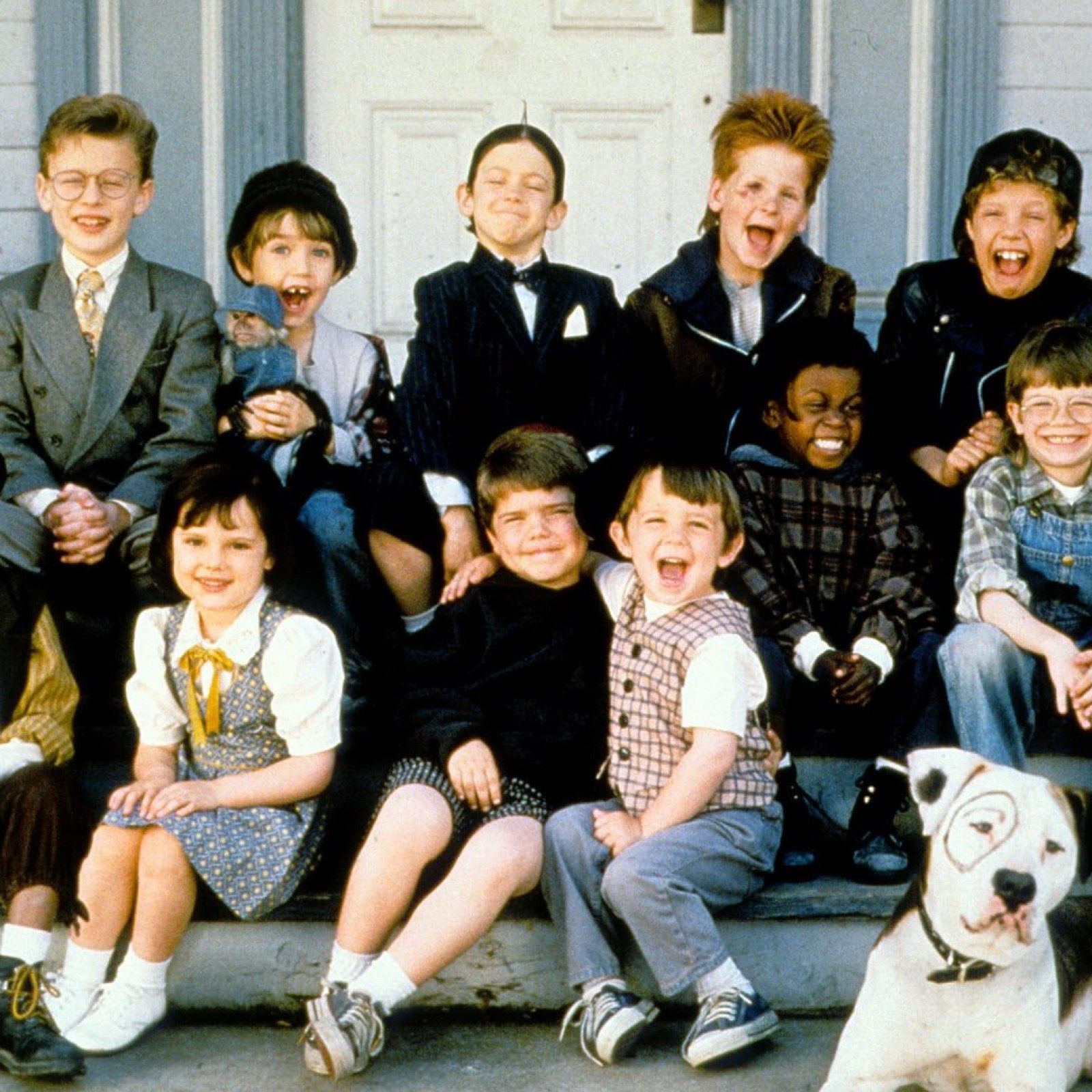
No discussion of the characters is complete without Pete the Pup, the American Pit Bull Terrier with the ring around his eye. The original Pete (Lucnay’s Peter) was sired by Pal the Wonder Dog. The ring was originally a natural marking that was enhanced with dye by Hollywood makeup pioneer Max Factor. Pete served as a silent protector and a member of the gang in his own right, often participating in their schemes with human-like reactions.
Comparison of Key Characters and Tenure
The following table outlines the primary cast members who defined the most popular era of the classic films.
| Character Name | Actor | Tenure | Key Archetype |
|---|---|---|---|
| Spanky | George McFarland | 1932–1942 | The President / Leader |
| Alfalfa | Carl Switzer | 1935–1940 | The Romantic / Singer |
| Darla | Darla Hood | 1935–1941 | The Leading Lady |
| Buckwheat | Billie Thomas | 1934–1944 | The Loyal Sidekick |
| Stymie | Matthew Beard | 1930–1935 | The Resourceful Strategist |
| Butch | Tommy Bond | 1932–1934; 1937–1940 | The Neighborhood Bully |
| Porky | Eugene Lee | 1935–1939 | The Younger Brother |
| Froggy | Billy Laughlin | 1940–1944 | The Unique Voice |
Production and Technical Depth: The "Roach Method"
The success of these characters was largely due to Hal Roach’s unique production philosophy. Unlike the rival Walt Disney or major studios like MGM (initially), Roach encouraged a "controlled chaos" on set. Director Robert F. McGowan, who helmed the majority of the silent and early sound shorts, was known for his patience. He would wait for the children to naturally react to situations rather than forcing them to recite lines robotically.
As the series transitioned to the "talkies" with Small Talk (1929), the challenge was maintaining this naturalism while dealing with primitive microphone technology. The early sound shorts often featured the children speaking over one another, which added to the realism. However, when the series moved to MGM in 1938, the production style shifted. Scripts became more rigid, the children were more rehearsed, and the "neighborhood" feel was replaced with more polished, studio-bound musical numbers. This transition is widely regarded by critics as the point where the characters lost their spontaneous edge.
Cultural Impact and Modern Perspective
In 2026, the legacy of The Little Rascals is analyzed through both a nostalgic and a critical lens. The series was one of the first to demonstrate that children could be the primary drivers of a successful commercial franchise.
The Myth of the "Our Gang" Curse
For decades, tabloid media perpetuated the idea of a "curse" because several actors died young or faced hardships (notably Carl Switzer and Matthew Beard). However, statistical analysis of the hundreds of children who appeared in the series shows that their mortality rates and life outcomes were generally consistent with their socio-economic backgrounds and the era in which they lived. Most cast members, such as George McFarland and Darla Hood, lived relatively private, successful lives outside of show business after their childhood fame faded.
Preservation and Accessibility
The characters have remained in the public consciousness thanks to extensive preservation efforts. The National Film Registry at the Library of Congress has recognized the cultural significance of these shorts. Today, high-definition restorations of the Roach-era films allow modern audiences to see the nuanced performances of these child actors in a way that the graininess of 1950s television broadcasts never allowed.
Frequently Asked Questions
Why did the names change from Our Gang to The Little Rascals?
The name change occurred in 1955 when Hal Roach sold the television rights to the 1922–1938 shorts to King World Productions. Because MGM still owned the name "Our Gang" for the shorts they produced from 1938–1944, the Roach shorts were rebranded as The Little Rascals for syndication. Today, the names are used interchangeably by the public.
Was the ring around Pete the Pup's eye real?
The original Pete (Pal the Wonder Dog) had a partial circle around his eye naturally. When his son, Pete, took over the role, he did not have the marking. The studio used dye to recreate the circle, ensuring character continuity. This made Pete one of the first "branded" animals in cinema history.
Who was the longest-running character in the series?
Billie "Buckwheat" Thomas holds the record for the most appearances in the series, appearing in 93 shorts between 1934 and 1944. George "Spanky" McFarland follows closely, having appeared in 95 shorts (though some sources credit him with 94), but Thomas’s tenure covered a decade of continuous production.
How were the children chosen for the roles?
Hal Roach often found his actors through open casting calls or by observing children in everyday life. For example, he discovered the first "Our Gang" children by watching a group of kids argue over a pile of sticks across the street from his studio. He wanted children who looked like "real" kids—dirt on their faces and mismatched clothes—rather than the "pretty" children usually cast in films.
Did any of the Little Rascals continue as adult actors?
While most left the industry, some found success. Jackie Cooper, an early Our Gang member, became a major star and an Academy Award nominee. Darla Hood did voice-over work and appeared in commercials. George McFarland made various appearances as "Spanky" later in life but primarily worked in sales and local television.
Next Steps for Enthusiasts
For those looking to explore the history of these characters further, the primary recommendation is to seek out the restored Roach-era shorts (1929–1938). These represent the artistic pinnacle of the series, featuring the most iconic iterations of Spanky, Alfalfa, and Buckwheat. Organizations such as the Sons of the Desert (the international Laurel and Hardy appreciation society) also maintain extensive archives on Hal Roach Studios' history and the child stars who worked there.
Image Gallery
Select an image to open it in a new tab.
Ingrid Bjornson
Global Cyber Policy and Regulation Analyst
