
Julia Margaret Cameron was a pivotal figure in the 19th century who transformed photography from a rigid scientific record into a medium of profound psychological and artistic expression. By pioneering the use of soft focus and dramatic lighting, she bridged the gap between traditional painting and the emerging technology of the camera.
The Emergence of a Late-Blooming Visionary
In the history of photography, few figures command as much retrospective respect as Julia Margaret Cameron. Born in Calcutta in 1815 and moving within the highest echelons of British intellectual society, Cameron did not begin her photographic career until the age of 48. In 1863, she received a camera as a gift from her daughter and son-in-law, intended to provide her with a hobby during her husband’s travels. This late start did not hinder her; instead, it allowed her to approach the medium with a mature aesthetic sensibility already informed by literature, religion, and the Pre-Raphaelite art movement.
Operating out of her home, Dimbola Lodge on the Isle of Wight, Cameron converted a coal house into a darkroom and a glass-roofed chicken coop into a studio. This domestic setting was the birthplace of some of the most iconic images of the Victorian era. While her contemporaries were focused on the commercial "carte de visite"—small, sharp, and often formulaic portraits—Cameron sought to capture the "inner man" and the "greatness of the spirit." Her work was a deliberate rejection of the period's obsession with technical perfection in favor of emotional and allegorical depth.
In 2026, her work remains a cornerstone for students of art history, representing the first major instance of a photographer asserting that the "truth" of a subject lay not in the sharpest possible detail, but in the capture of their character and presence.
Technical Innovation Through "Productive Imperfection"
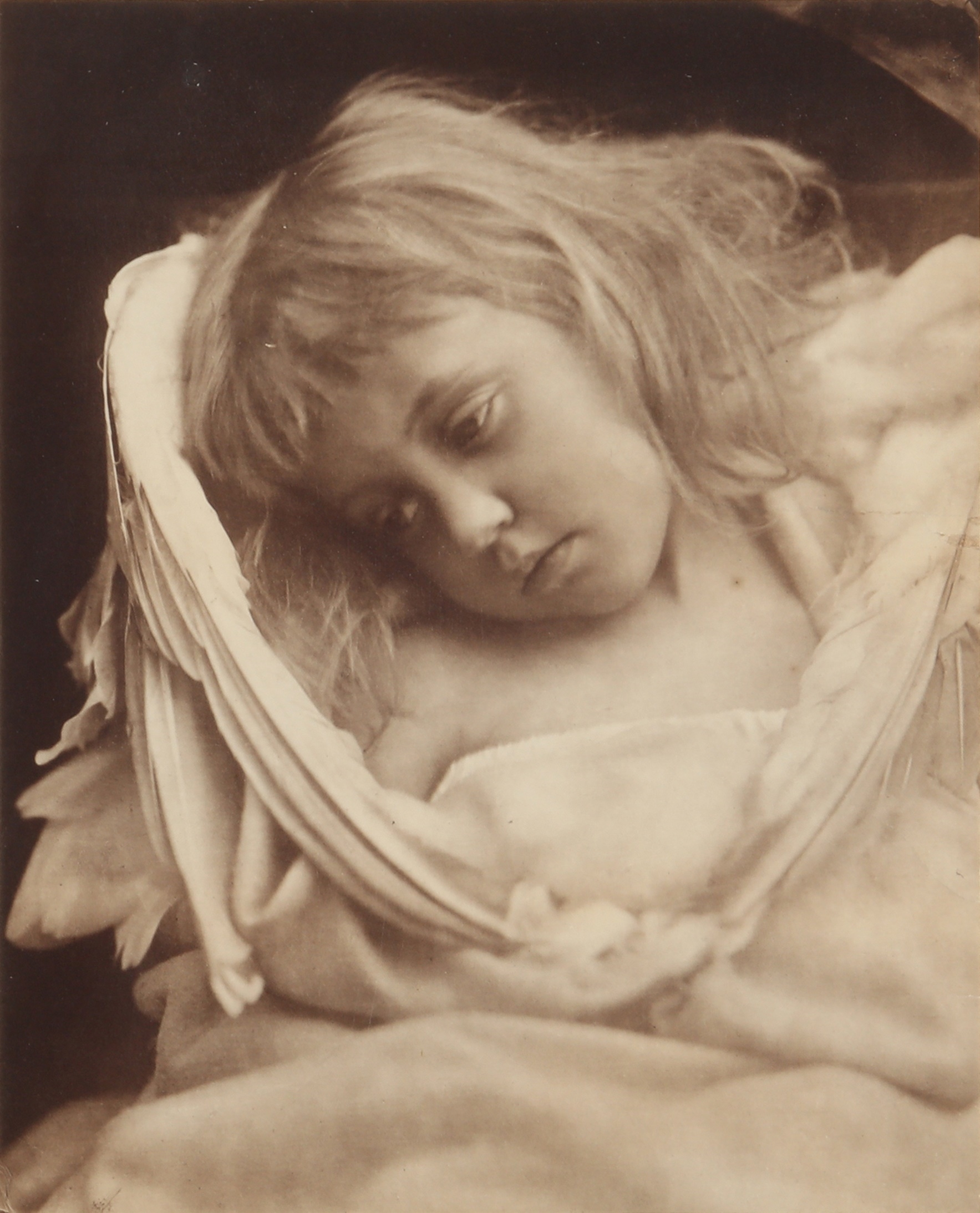
Cameron’s technique was often a source of ridicule among her professional peers. The photographic establishment of the 1860s, led by organizations like the Photographic Society of London, valued "sharpness" above all else. Cameron, however, purposely utilized a "soft focus" technique. She achieved this by using large-format cameras with long-focal-length lenses and often deliberately leaving the image slightly out of focus.
The Wet Plate Collodion Process
To understand Cameron’s contribution, one must understand the labor-intensive nature of her tools. She utilized the wet plate collodion process, which required the photographer to coat a glass plate with chemicals, sensitize it in a silver nitrate bath, expose it while still wet, and develop it immediately. This process was physically demanding and chemically volatile.
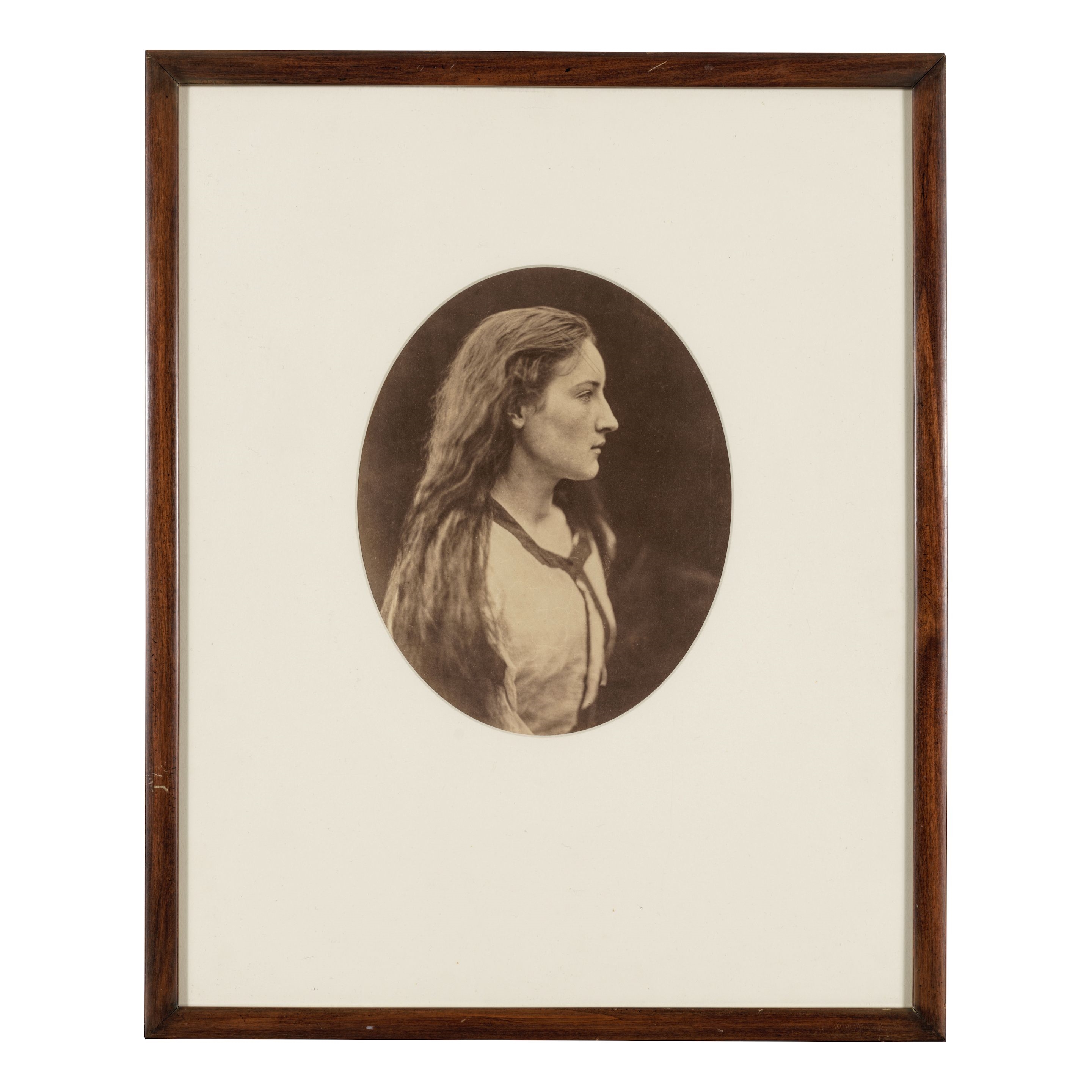
Cameron’s plates were often marred by what critics called "smudges" or "sloppy" technique. She frequently left fingerprints on the edges of her plates, and dust or hairs would sometimes settle in the emulsion. However, in the context of 2026 art criticism, these "flaws" are viewed as evidence of the artist’s hand—much like the brushstrokes of a painter. Her willingness to accept and even embrace these irregularities paved the way for the Pictorialist movement of the late 19th and early 20th centuries.
Lighting and Exposure
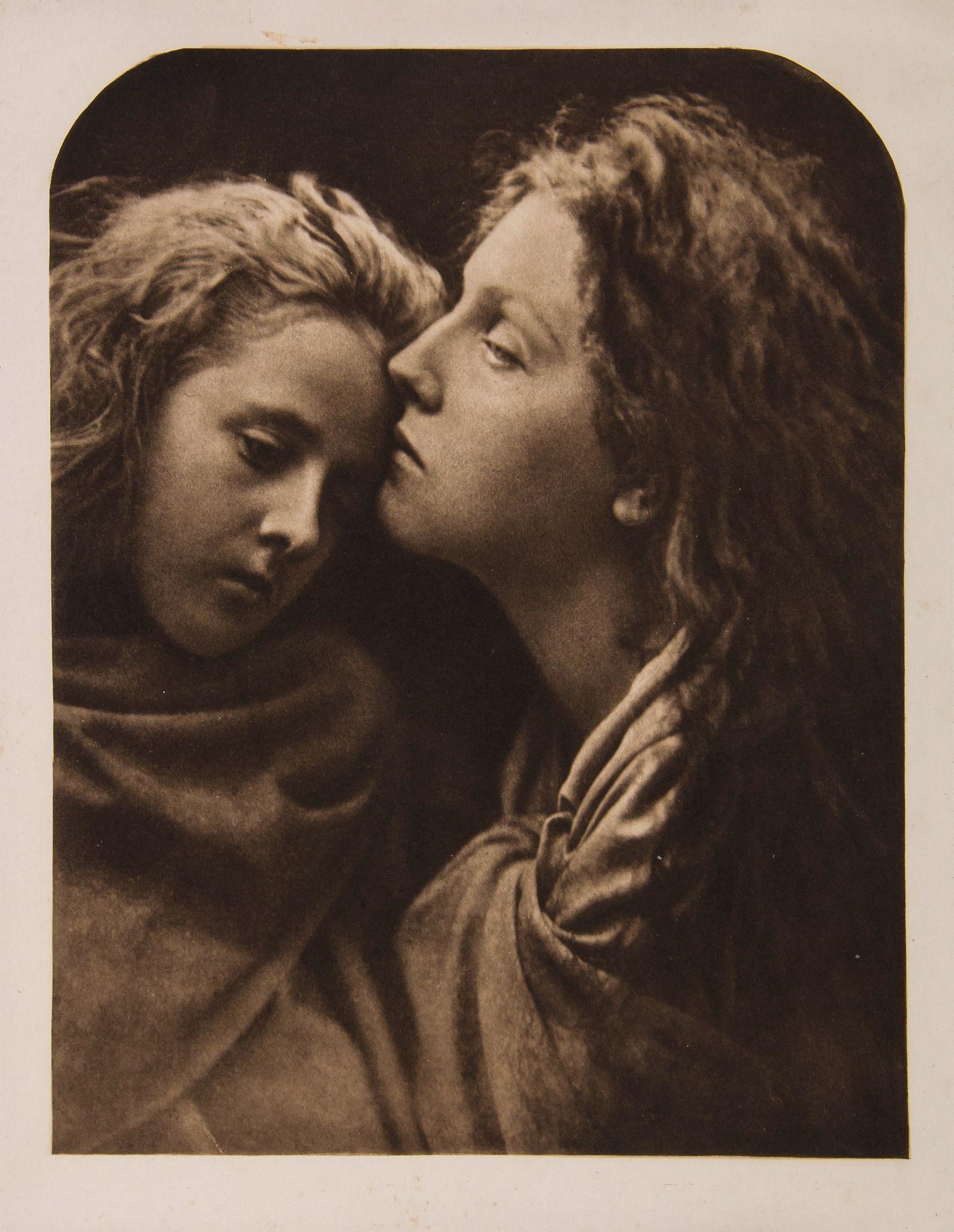
Cameron’s use of light was revolutionary. Eschewing the flat, even lighting typical of mid-Victorian studios, she utilized "Rembrandt lighting," featuring high-contrast shadows that sculpted the faces of her subjects. Because her lenses had narrow apertures and her plates had low light sensitivity, her exposure times were notoriously long—often lasting several minutes. This required her subjects to remain perfectly still, a feat that contributed to the intense, almost haunting stares found in her portraits. The slight movement of a subject during these long durations added a sense of "life" and vibration to the images that sharp, instantaneous shutter speeds could not replicate.

The Portraiture of Genius: Capturing the Victorian Mind
Cameron’s social circle included some of the most influential thinkers of the 19th century. Her portraits of these individuals are not merely records of their appearance but are considered definitive interpretations of their genius.
- Sir John Herschel (1867): Often cited as one of the greatest portraits in the history of the medium, Cameron’s image of the famed astronomer shows him with wild hair and a piercing gaze, emerging from a dark void. She famously tousled his hair herself to achieve the desired "prophetic" look.
- Charles Darwin (1868): Her portrait of Darwin captured the naturalist toward the end of his life. The image emphasizes his massive brow and deep-set eyes, conveying the weight of his scientific contributions.
- Alfred, Lord Tennyson: A neighbor and close friend, Tennyson was a frequent subject. Cameron’s portraits of the Poet Laureate helped define his public persona as a romantic, brooding visionary.
In these works, Cameron treated the human face as a landscape. She moved the camera remarkably close to her subjects—an unconventional move at the time—which forced the viewer into an intimate, almost uncomfortable proximity with the subject’s psyche.
Allegorical and Illustrative Works
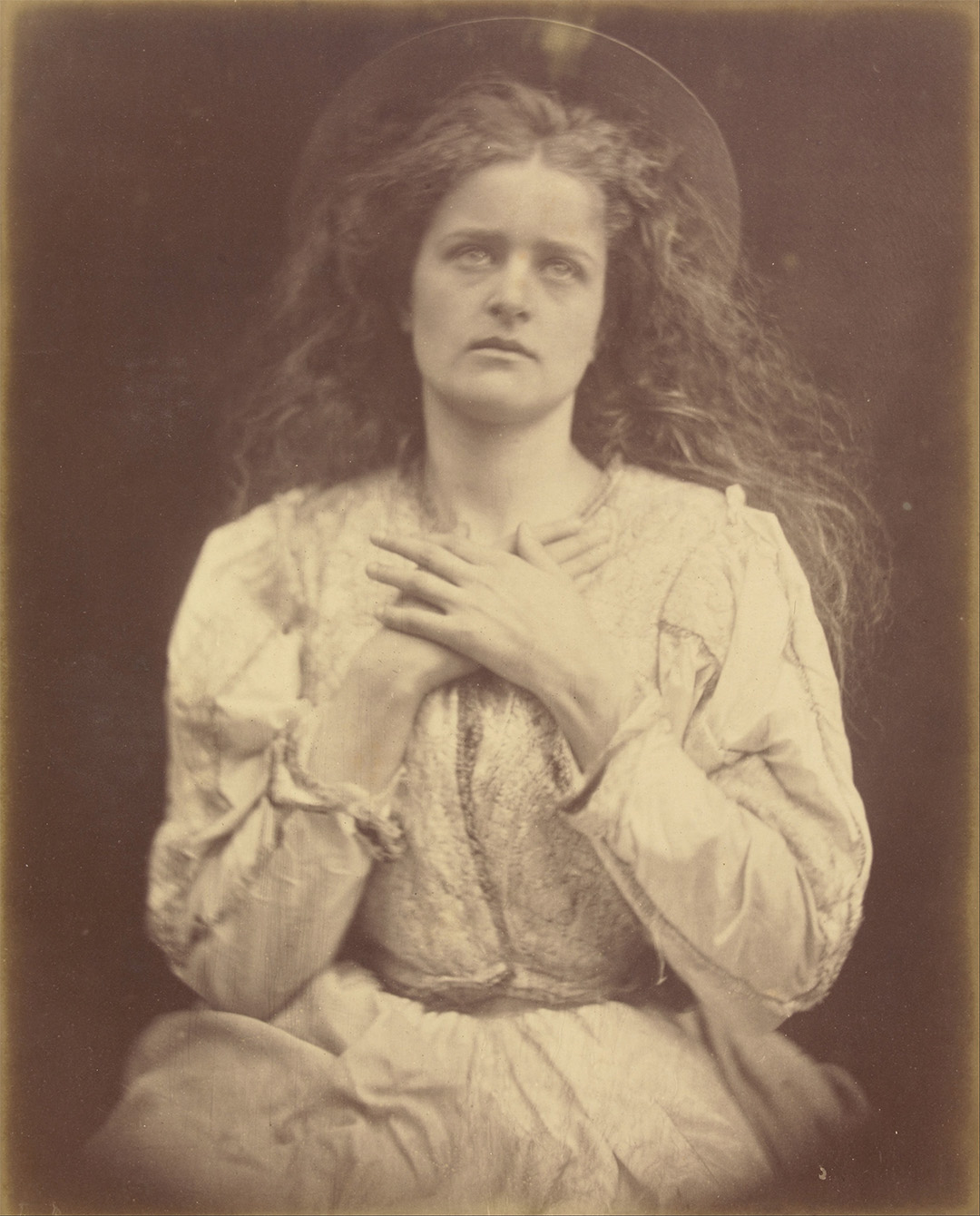
Beyond portraiture, Cameron was deeply invested in narrative photography. She sought to illustrate scenes from the Bible, Shakespeare, and the poetry of her time. These "tableaux vivants" involved dressing her family members, servants, and friends in costumes to portray historical or mythical figures.
Her most significant project in this vein was her illustration of Tennyson’s Idylls of the King. In 1874, Tennyson asked her to produce photographic illustrations for a new edition of his Arthurian poems. While the venture was not a commercial success at the time, it represents a landmark in the history of book illustration. Cameron’s ability to direct her "actors" and create atmospheric sets in her modest studio demonstrated the theatrical potential of photography.
One of her most famous models for these allegories was Mary Hillier, a housemaid who became known as "Island Mary." Hillier’s features were used to represent the Madonna or various Greek goddesses, showcasing Cameron’s ability to elevate the "ordinary" person to a state of timeless beauty through the lens.
Comparison: Cameron vs. Standard Victorian Photography
To appreciate the radical nature of Cameron’s work, it is helpful to compare her approach with the prevailing standards of the 1860s and 1870s.
| Feature | Standard Victorian Photography | Julia Margaret Cameron's Approach |
|---|---|---|
| Focus | Pin-sharp (Anastigmatic) | Soft focus; deliberate blur |
| Lighting | Flat, even studio lighting | Dramatic, high-contrast (Chiaroscuro) |
| Composition | Full-body or bust with props | Extreme close-ups; tight framing |
| Objective | Accurate documentation/likeness | Spiritual and psychological truth |
| Subject Matter | Commercial portraits; events | Illustrious "great men" and allegories |
| Technical Finish | Pristine, polished glass plates | Visible artifacts, smudges, and "flaws" |
Critical Reception and Later Rediscovery
During her lifetime, Cameron was a polarizing figure. While she had supporters among the Pre-Raphaelite painters (like George Frederic Watts), the photographic "experts" were often scathing. The British Journal of Photography frequently mocked her for her lack of technical precision, suggesting she simply did not know how to focus her camera.
However, Cameron was undeterred. She was a savvy self-promoter who copyrighted her images and exhibited them in London, Paris, and Berlin. She understood that she was creating a new category of art.
Her reputation underwent a massive revival in the early 20th century. The Bloomsbury Group, particularly Virginia Woolf (who was Cameron’s great-niece) and Roger Fry, championed her work. In 1926, exactly one hundred years before the current year, Woolf edited a collection of Cameron’s photographs, helping to cement her place in the modernist canon. Woolf recognized that Cameron had done more than take pictures; she had "arrested" the Victorian era’s spirit.
The Enduring Legacy in 2026
As of 2026, Julia Margaret Cameron is recognized as one of the first "art photographers." Her influence can be traced through the history of portraiture, from the Pictorialists like Edward Steichen to modern masters of the close-up like Richard Avedon or Annie Leibovitz.
Her work is preserved in major institutions worldwide, including the Victoria and Albert Museum (V&A) in London, which holds one of the largest collections of her prints. Dimbola Lodge, her former home on the Isle of Wight, now serves as a museum and gallery dedicated to her life and work, attracting thousands of visitors who seek to understand the origins of the photographic portrait.
The "Cameron style"—characterized by intimacy, dramatic light, and a focus on the internal world of the sitter—remains a foundational element of photographic education. She proved that the camera was not just a machine, but a tool for the imagination.
Frequently Asked Questions
Why did Julia Margaret Cameron use soft focus?
Cameron used soft focus because she believed that extreme sharpness was "mechanical" and lacked soul. She felt that a slightly blurred image captured the "spirit" and movement of the subject better than a static, sharp record. She famously stated, "When focusing and coming to something which, to my eye, was very beautiful, I stopped there instead of screwing on the lens to the more definite focus which all other photographers insist upon."
What was the "Great Men" series?
The "Great Men" series was Cameron’s attempt to document the intellectual giants of her era. She viewed these men as heroes and sought to create portraits that reflected their moral and intellectual stature. Famous subjects included Robert Browning, Henry Wadsworth Longfellow, and Sir John Herschel.
How did her gender affect her career in the 19th century?
As a woman of high social standing, Cameron had the leisure and resources to pursue photography, which was an expensive and difficult hobby. However, her gender also meant that many male critics of the time dismissed her technical "errors" as a sign of feminine incompetence rather than artistic choice. Despite this, she was fiercely independent, managing her own copyright and business affairs.
What camera did Julia Margaret Cameron use?
Cameron primarily used a large-format camera that took 12x15 inch glass plates. These cameras were massive and required a heavy tripod. The large size of the plates allowed for the incredible detail and tonal range seen in her original prints, even with her use of soft focus.
Where can I see her work today?
In 2026, the best places to view her original albumen prints are the Victoria and Albert Museum (London), the National Portrait Gallery (London), the Metropolitan Museum of Art (New York), and the J. Paul Getty Museum (Los Angeles). Her former residence, Dimbola Lodge on the Isle of Wight, is also a primary site for her history.
Final Recommendation for Further Exploration
To truly understand Cameron’s impact, one should move beyond digital screens and view her work in person. The scale of her 12x15 inch prints and the texture of the albumen paper provide a physical presence that a digital image cannot replicate. For those interested in the technical history, visiting the Victoria and Albert Museum’s Photography Centre offers an unparalleled look at her original glass negatives and prints. Additionally, reading the 1874 edition of "Idylls of the King" with her photographic illustrations provides insight into how she navigated the intersection of literature and visual art.
Image Gallery
Select an image to open it in a new tab.



Akira Tanaka
International Academic Trends Correspondent
