Unmasking Father: The Origin and Ambition of the Primary Antagonist in Fullmetal Alchemist: Brotherhood
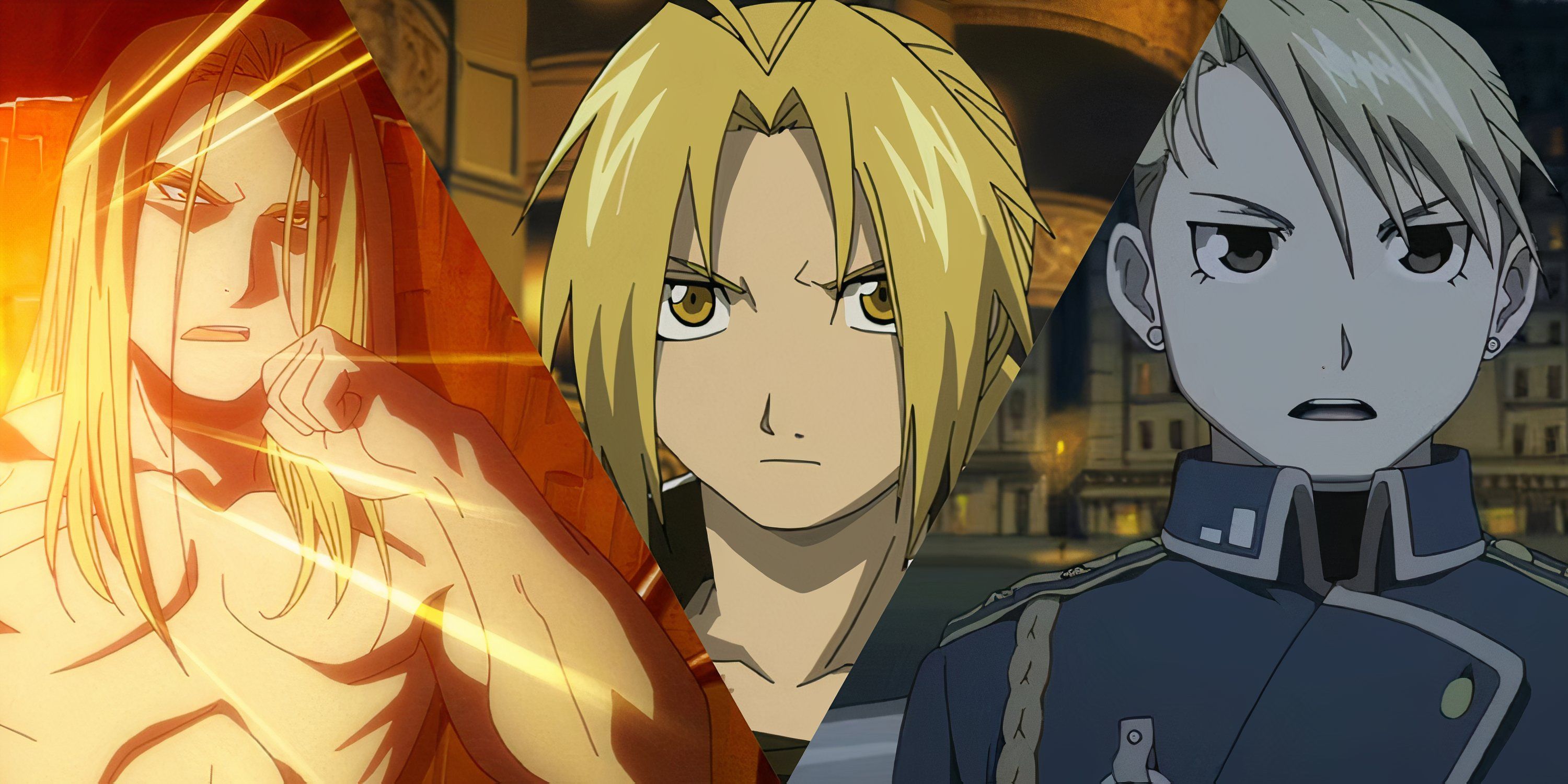
Father, also known as the Dwarf in the Flask or Homunculus, is the primary antagonist in Fullmetal Alchemist: Brotherhood. Originally created from the blood of Van Hohenheim in the ancient city of Xerxes, he is an entity of immense alchemical power who orchestrates a continent-wide conspiracy to transcend his nature as a homunculus and attain godhood by consuming the souls of an entire nation.
The Genesis of Father: The Dwarf in the Flask
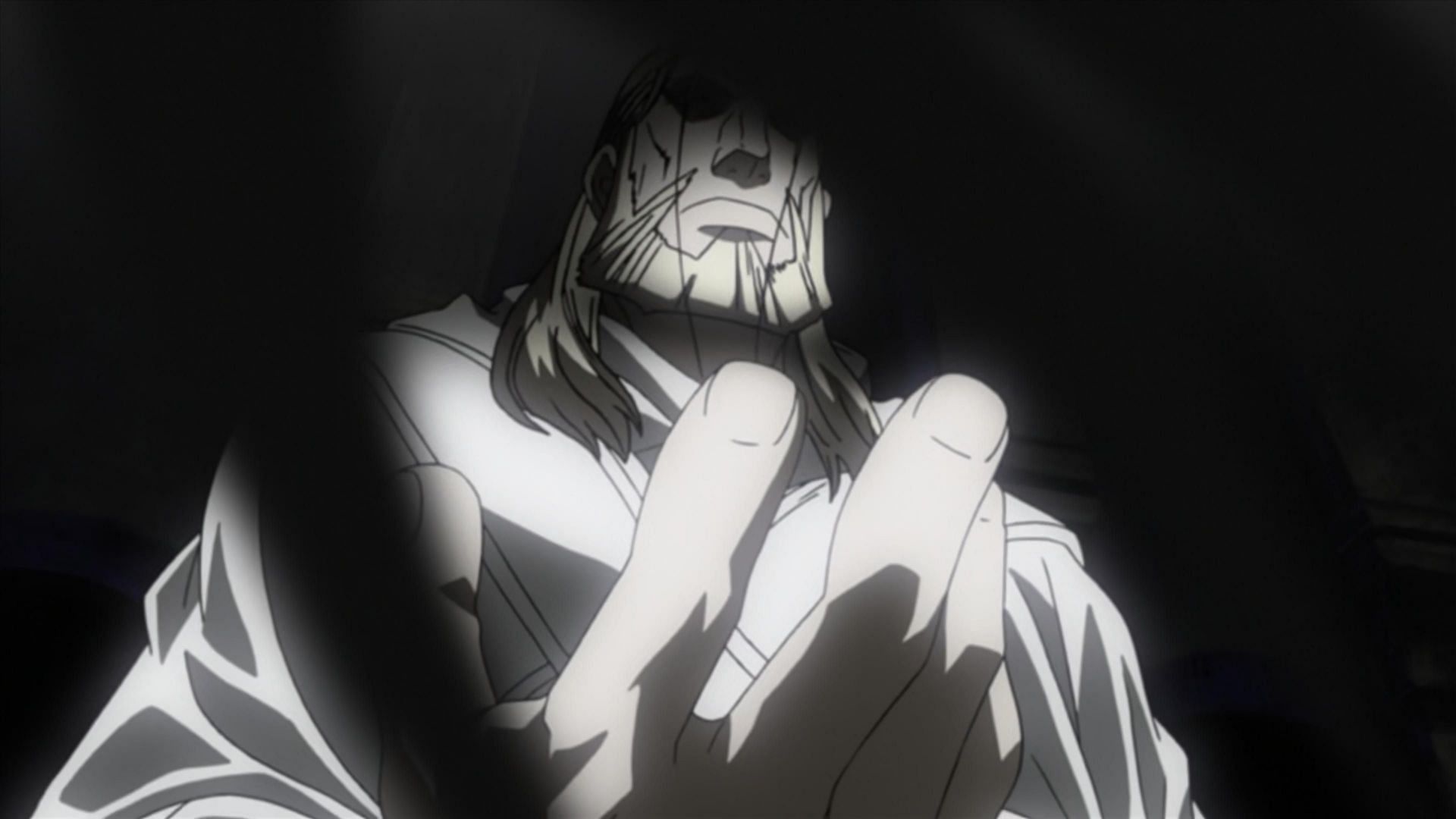
To understand Father’s motivations and his cold, calculating nature, one must look back to his origin in the kingdom of Xerxes. He was not born through natural means but was instead created as a result of an alchemical experiment conducted by the king of Xerxes, who sought immortality. By using the blood of a slave—who would later become Van Hohenheim—the alchemists created a sentient mass of dark energy contained within a glass flask.
This entity, initially referred to as the "Dwarf in the Flask," possessed vast knowledge of alchemy but was physically confined to its container. It manipulated the King of Xerxes into creating a massive transmutation circle disguised as a project for "eternal life." In reality, the circle was designed to sacrifice every living soul in Xerxes to create the Philosopher's Stones. During the activation of this circle, the Dwarf in the Flask gained a physical form, mimicking the appearance of Van Hohenheim, whom it perceived as its biological source. This act of mass genocide provided the entity with the souls necessary to sustain its existence and initiate its long-term plan for godhood.
The Nature of the Homunculi and Father’s Role
After escaping the ruins of Xerxes, the entity moved to the nation of Amestris. Over several centuries, it cultivated the country's history, influencing its military growth and internal conflicts. Its goal was to create another, much larger, nationwide transmutation circle. To oversee this process and shield itself from direct confrontation, it extracted its own inner vices, manifesting them as the Seven Homunculi: Pride, Lust, Gluttony, Envy, Wrath, Greed, and Sloth.
Each homunculus serves a specific purpose in Father’s grand design. They are not merely subordinates but extensions of his own psyche—pieces of his humanity that he discarded to become a more "perfect" being. By stripping away emotions like greed, pride, and wrath, Father believed he was evolving. However, this action created a fundamental irony: in his pursuit of perfection and godhood, he remained trapped by the very human flaws he attempted to isolate within his children.
Understanding the Seven Homunculi
The following table summarizes the roles and origins of the Homunculi under Father’s command:
| Name | Role/Representation | Origin Note |
|---|---|---|
| Pride | The first and most powerful | Occupies the body of Selim Bradley. |
| Lust | Tactical reconnaissance | Created to infiltrate and gather intelligence. |
| Gluttony | Failed Gate of Truth portal | Designed to consume anything in its path. |
| Envy | Psychological warfare | Capable of shapeshifting and inciting conflict. |
| Wrath | The military leader | King Bradley; the only homunculus that ages. |
| Greed | Seeking everything | Occupies the body of Ling Yao; eventually rebels. |
| Sloth | The tunnel digger | Responsible for completing the subterranean circle. |

The Amestris Conspiracy: The Promised Day
The central conflict of Fullmetal Alchemist: Brotherhood revolves around "The Promised Day." Father spent centuries manipulating the border conflicts of Amestris to create a national-scale transmutation circle, using the constant bloodshed to fuel the earth's tectonic veins. His intention was to perform a reverse transmutation—not to create something new, but to sacrifice the entire population of Amestris to open the Gate of the World and draw the power of God itself into his own body.
This process required specific "human sacrifices": alchemists who had seen the Truth by attempting human transmutation. Edward Elric, Alphonse Elric, and Izumi Curtis, among others, were captured as key components for this final ritual. Father viewed these individuals as tools, disregarding the lives lost in the process as mere fuel for his ascension.
Comparisons: Father vs. Van Hohenheim
The dynamic between Father and Van Hohenheim is central to the thematic core of the series. While Father views himself as a god-like being that has surpassed human limitations, Hohenheim embraces his humanity, despite being a "living Philosopher's Stone" himself.
Father’s path is one of isolation and the abandonment of connection. He views humans as "cattle" and his children as expendable assets. Conversely, Hohenheim spends his time among the people of Xerxes and later Amestris, building relationships and learning the value of the individual souls that compose his own being. When the final confrontation occurs, this contrast becomes the deciding factor. Father’s reliance on his extracted powers makes him vulnerable when those souls are depleted or turn against him, whereas Hohenheim’s reliance on the collective willpower of his internal souls demonstrates the strength of human connection.
The Philosophical Implications of the Dwarf in the Flask
Father is a cautionary tale regarding the pursuit of knowledge without moral grounding. He possesses total understanding of alchemy—the fundamental language of the universe—yet he lacks the wisdom to understand the value of the life he manipulates. His desire to reach the "Truth" (the source of all alchemical knowledge) is driven by a desire for power rather than enlightenment.
Throughout the series, Father frequently refers to himself as a "perfect" being. He believes that by removing his emotions, he has achieved a state of logical clarity. However, his ultimate defeat is brought about by the very things he considered inferior: the bonds between people, the desire to protect others, and the persistence of the human spirit. His hubris is his defining flaw. He sought to consume "God," but in doing so, he failed to realize that he was merely a parasite trapped within a flask of his own making, unable to truly comprehend the nature of the existence he sought to rule.
Common Questions Regarding Father's Identity
Why does Father look like Van Hohenheim?
Father took on the physical appearance of Van Hohenheim because he was created from the blood spilled by Hohenheim during the tragedy in Xerxes. In the series, Father views Hohenheim as his "parent" or the blueprint of his existence. By mimicking his form, Father asserts his own legitimacy as a physical being.
Is Father actually God?
No. Father seeks to become God by absorbing the power behind the Gate of Truth. While he attains a form of godhood during the climax of the series, he is ultimately a false deity. He is a construct—a homunculus—that lacks the true understanding of life, death, and human connection that defines the concept of God within the series' cosmology.
What is the "Gate of Truth" in relation to Father?
The Gate is the source of all alchemical knowledge. Father’s entire plan revolves around forcing the gate open on a massive scale. He wants to drag the "Truth" into the physical world so that he can control it. He believes that by mastering this source, he can become the absolute ruler of reality, free from the cycle of death and reincarnation.
Did Father ever care about the Homunculi?
Father treats the Homunculi as tools or, at most, extensions of his own discarded ego. He does not show parental affection. He demonstrates this by his willingness to dispose of them or reabsorb them if they fail their tasks or develop "human" flaws, such as when he reabsorbs Greed during the final battle.
Why was Father defeated?
Father was defeated primarily due to the exhaustion of his Philosopher's Stone power and the collective effort of the alchemists and the citizens of Amestris. Hohenheim utilized the souls he had cultivated over centuries to neutralize Father’s ability to control his power, while Edward Elric used his own understanding of alchemy to break through Father's defenses. Ultimately, Father was unable to handle the sheer weight of the truth he tried to consume.
Final Perspective on the Antagonist
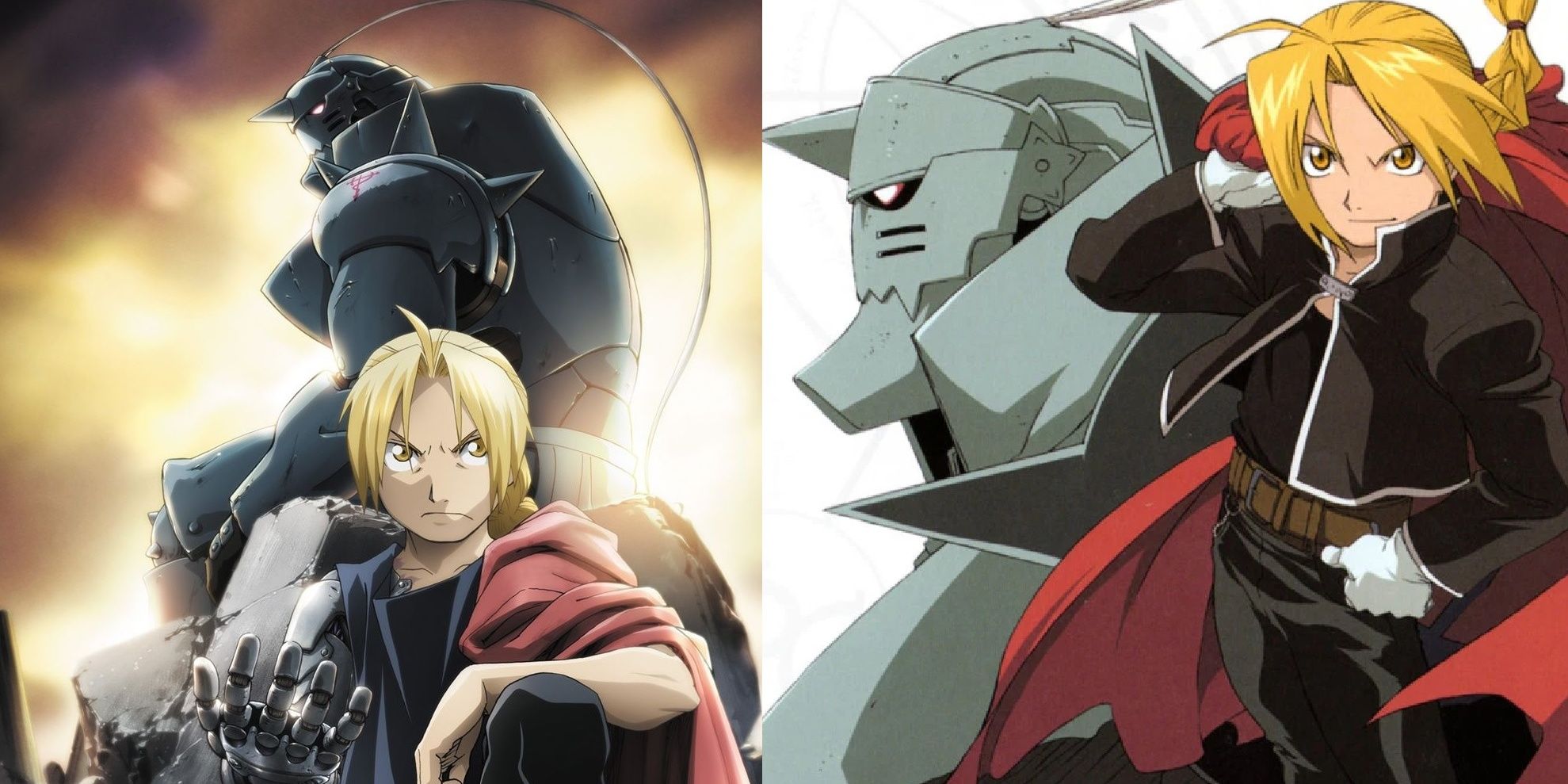
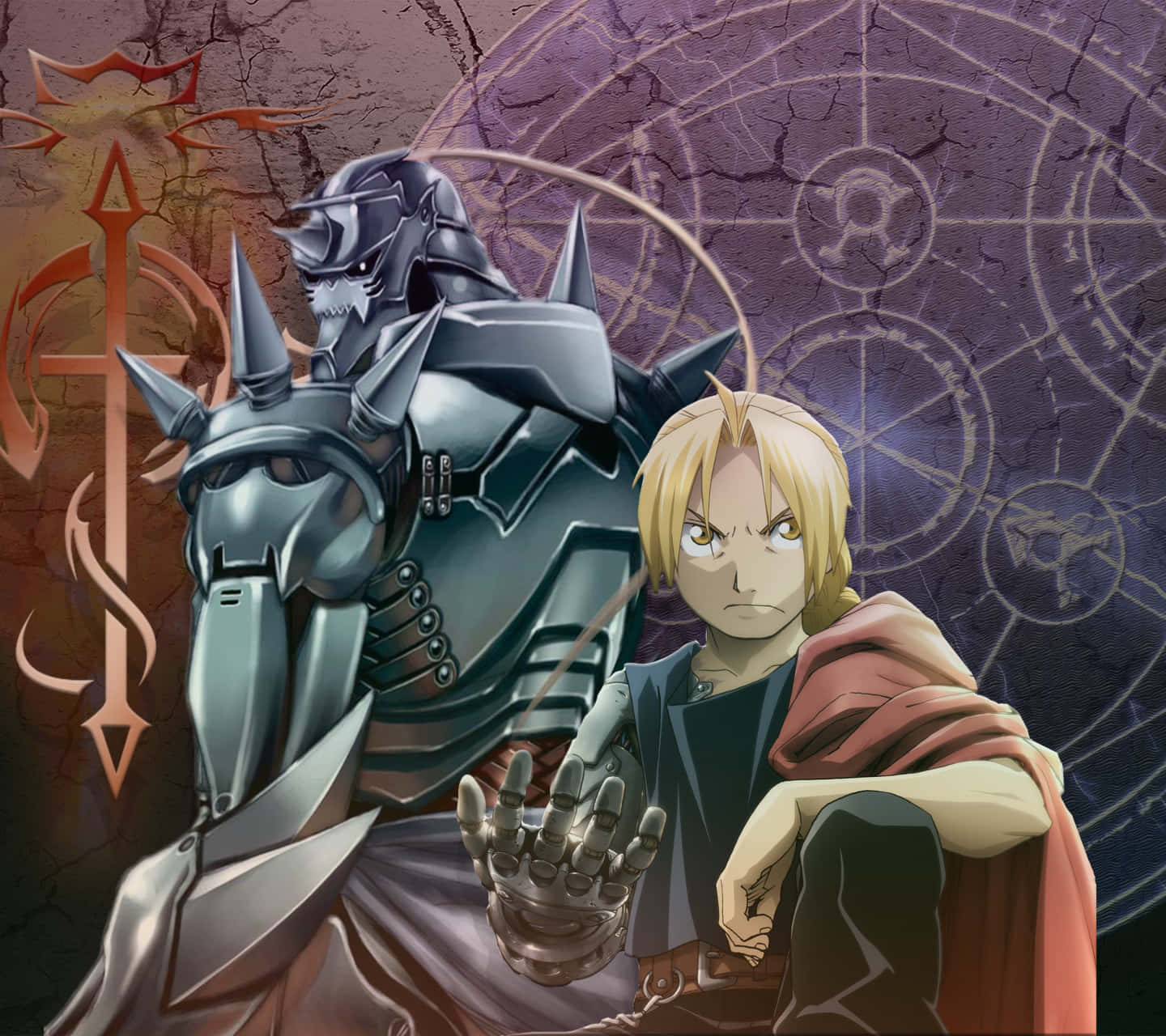
Father remains one of the most compelling antagonists in anime because his entire arc is an inversion of the hero's journey. While Edward and Alphonse Elric learn to accept their human limitations and find meaning in their connections with others, Father spends the entirety of his existence trying to reject his limitations, only to find himself hollow. His "Promised Day" is the manifestation of pure, detached ambition, and his failure serves as the ultimate affirmation of the show's belief in human perseverance. For those analyzing the series in 2026, his character provides a timeless look at the dangers of intellectual pursuit divorced from human empathy.
Image Gallery
Select an image to open it in a new tab.


Simon Caldwell
Enterprise Technology and Systems Editor
