
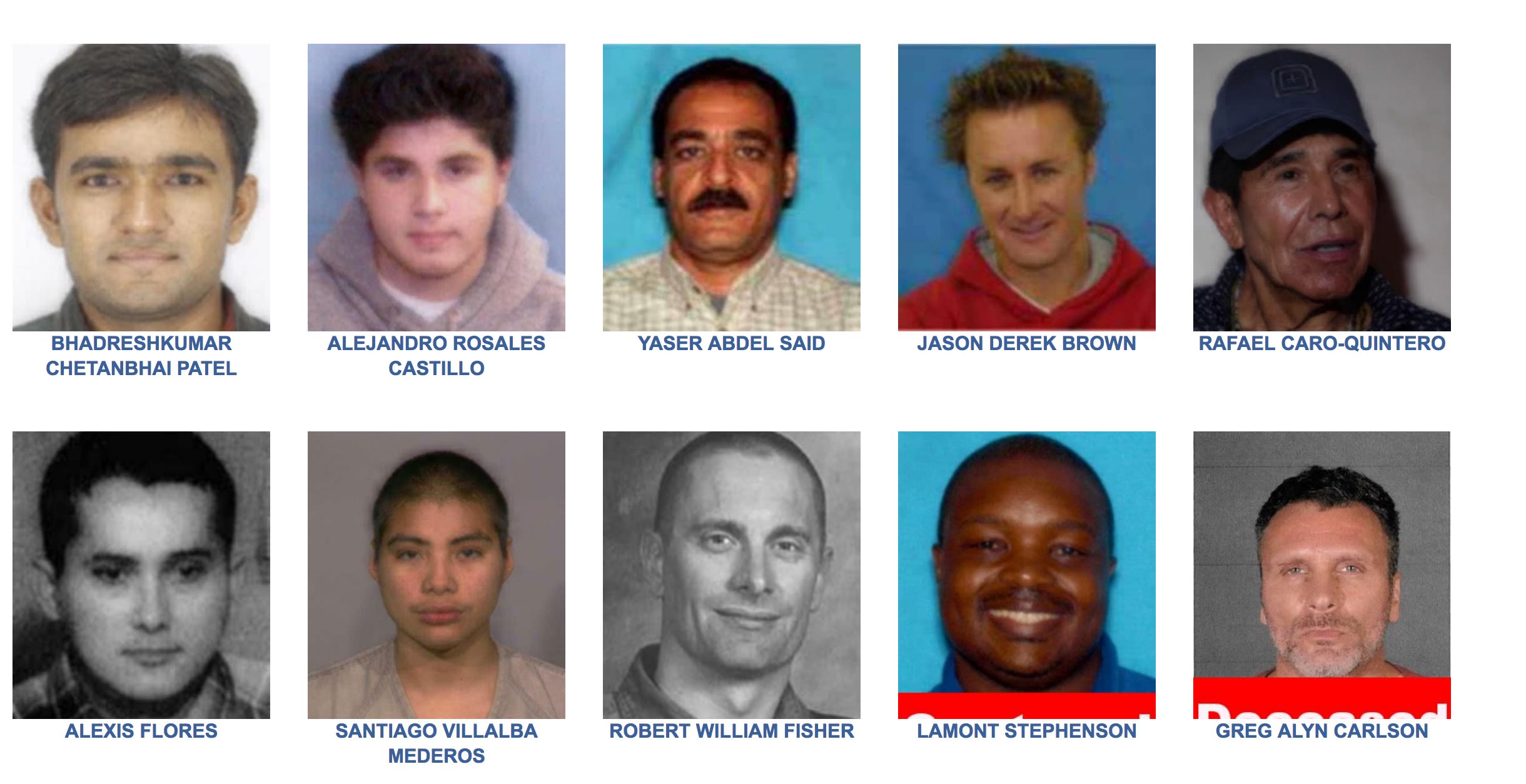
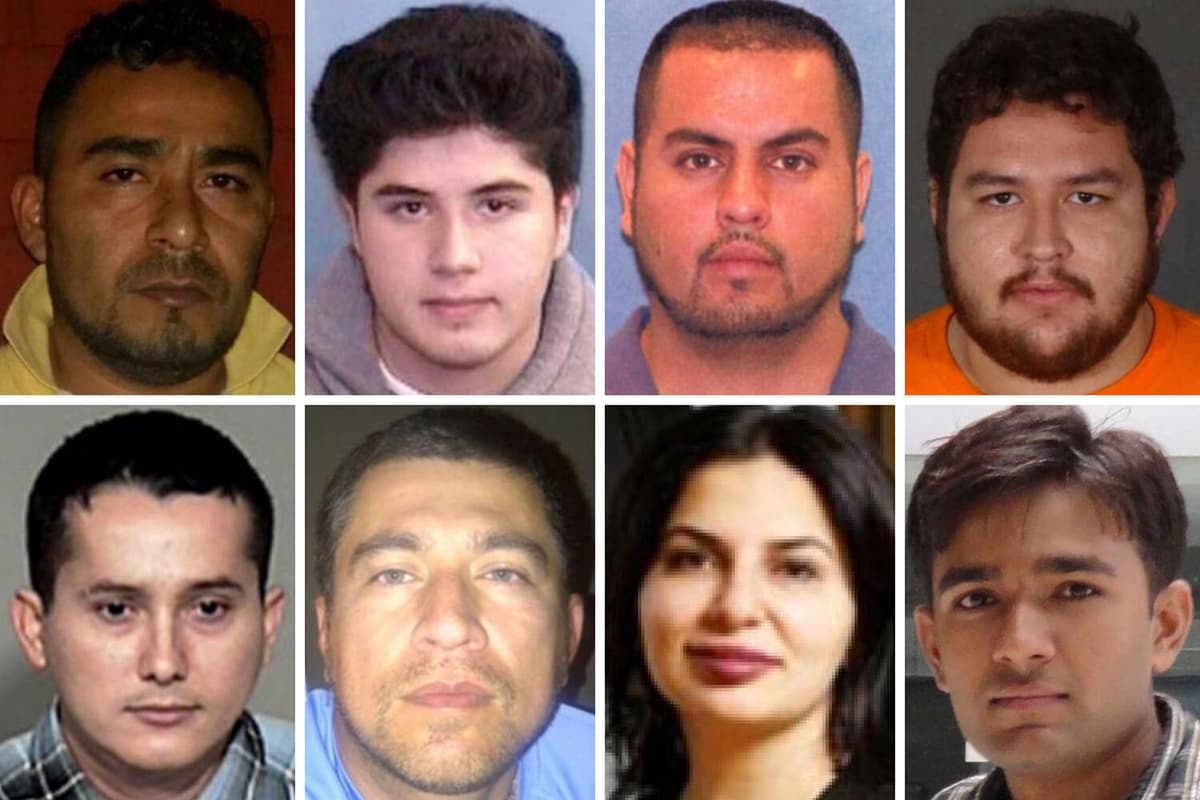
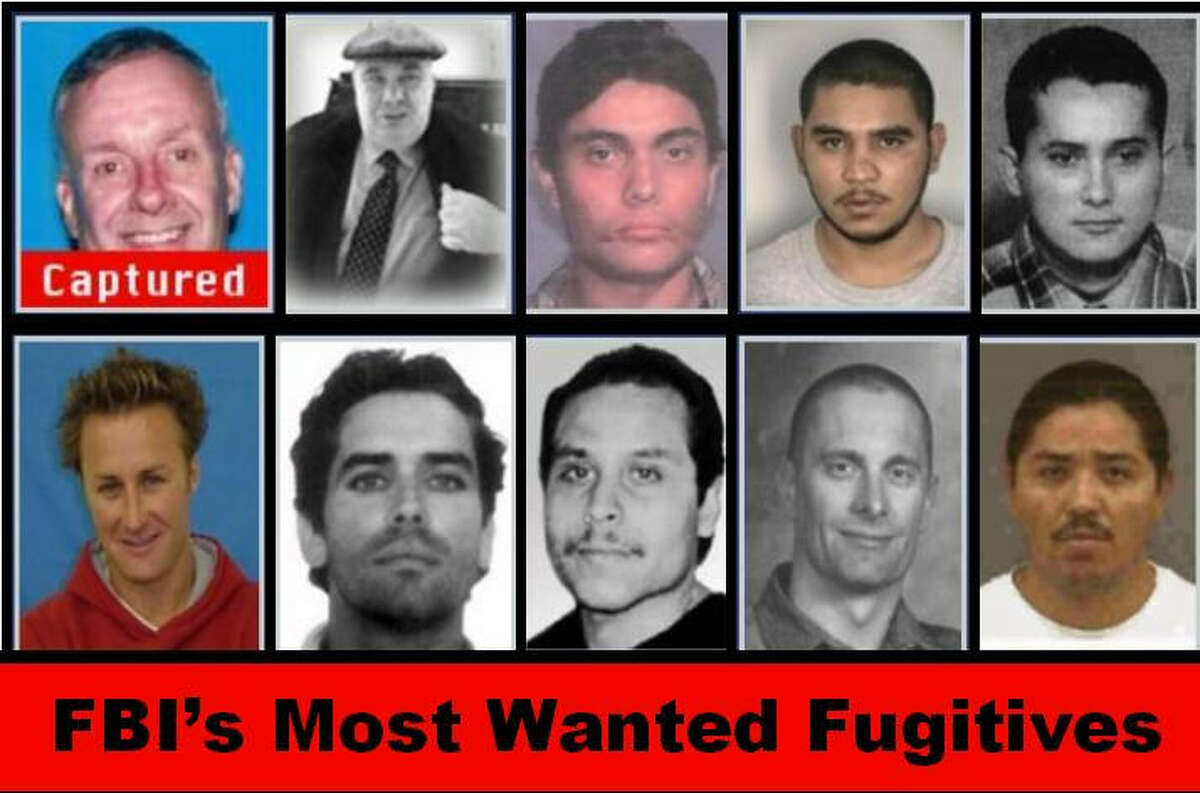
The FBI’s Ten Most Wanted Fugitives list is a high-profile investigative tool used to publicize dangerous criminals who remain at large. Established in 1950, the program relies on public assistance to locate individuals who meet specific criteria regarding their threat to society and the potential for public tips to lead to their capture.
The Federal Bureau of Investigation (FBI) maintains several "Most Wanted" lists, but the "Ten Most Wanted Fugitives" is the most famous. It serves as a bridge between federal law enforcement and the general public, turning millions of citizens into "extra eyes" for the Bureau. As of 2026, the list remains one of the most successful law enforcement tools in American history, having led to the apprehension of hundreds of fugitives since its inception. While the "Top Ten" is the flagship, the FBI also manages specialized lists for terrorism, cybercrime, white-collar crime, and missing persons, each with its own set of protocols and reward structures.
The Origin and History of the Top Ten List
The concept of the "Ten Most Wanted Fugitives" list was born out of a specific media request rather than a formal law enforcement initiative. In 1949, a reporter for the International News Service (INS) asked the FBI for the names and descriptions of the "toughest guys" the Bureau was currently pursuing. The resulting article was so popular and generated so much public interest that then-Director J. Edgar Hoover realized the potential of formalizing the process.
On March 14, 1950, the FBI officially inaugurated the Ten Most Wanted Fugitives program. The first person to be placed on the list was Thomas James Holden, a man wanted for the murder of his wife, her brother, and her half-brother. Holden was eventually captured in 1951 after a citizen recognized his photo in a newspaper. This early success solidified the program's value, proving that widespread publicity could shrink the world for even the most elusive criminals.
Over the decades, the list has evolved to reflect the changing nature of crime in the United States. In the 1950s, the list was dominated by bank robbers and burglars. In the 1960s and 70s, it shifted toward domestic terrorists and organized crime figures. By the 1990s and 2000s, international terrorists and drug kingpins became more prominent. In 2026, the list reflects a diverse array of threats, including violent gang leaders, perpetrators of mass casualty events, and high-stakes financial criminals whose actions have devastated communities.
Criteria for Inclusion on the Ten Most Wanted List
Not every dangerous criminal makes it onto the FBI's Top Ten list. The selection process is rigorous and involves multiple levels of vetting within the Bureau. To be considered, a fugitive must generally meet two primary criteria:
- Threat to Society: The individual must have a lengthy record of committing serious crimes and/or be considered a particularly dangerous threat to the public or national security.
- Potential for Publicity: There must be a reasonable belief that widespread publicity through the media and the public will significantly assist in the apprehension of the fugitive.
If a criminal is already well-known or if law enforcement believes they are hiding in a remote area where the public is unlikely to see them, they might not be added to the list. The goal is to maximize the utility of the "most wanted" status.
The Nomination and Selection Process
The process begins at the local level. The FBI has 56 field offices across the United States, each responsible for investigating federal crimes in their jurisdiction. When a field office believes a fugitive in one of their cases is a candidate for the Top Ten, they submit a formal nomination to FBI Headquarters in Washington, D.C.
The nomination is reviewed by special agents in the Criminal Investigative Division (CID) and the Office of Public Affairs. These officials look for individuals who "stand out" due to the heinousness of their crimes or the difficulty in locating them. Once the CID and Public Affairs office reach a consensus, the nomination is sent to the FBI’s Associate Director for approval, and finally to the Director of the FBI for a final signature.

Categories of FBI Most Wanted Lists
While the "Ten Most Wanted Fugitives" is the most recognizable, the FBI utilizes several other lists to target specific types of criminal activity. Each list is managed by the relevant division within the FBI and focuses on unique operational goals.
- Most Wanted Terrorists: Launched in October 2001 following the September 11 attacks, this list focuses on individuals indicted for acts of terrorism against the United States and its interests.
- Cyber’s Most Wanted: This list targets individuals involved in high-level computer intrusions, state-sponsored hacking, and major financial fraud conducted through digital means.
- Crimes Against Children: Focuses on fugitives involved in the kidnapping, exploitation, or abuse of minors.
- White-Collar Crimes: Targets individuals involved in massive corporate fraud, Ponzi schemes, and money laundering operations that impact the integrity of the U.S. financial system.
- Seeking Information: Unlike the fugitive lists, these entries are for people the FBI believes may have witness information or who are unidentified suspects in ongoing investigations (such as unidentified individuals captured on surveillance footage).
Comparison of Primary FBI Lists
| List Name | Year Established | Primary Focus | Minimum Reward (Standard) |
|---|---|---|---|
| Ten Most Wanted Fugitives | 1950 | Violent crime, organized crime, major threats | $100,000 |
| Most Wanted Terrorists | 2001 | International terrorism, acts against U.S. | Varies (often $1M - $25M) |
| Cyber's Most Wanted | 2013 | Hacking, data theft, state-sponsored cyber-attacks | Varies by case severity |
| Crimes Against Children | Various | Kidnapping, exploitation, child pornography | Case-dependent |
How Fugitives Are Removed from the List
A spot on the Ten Most Wanted Fugitives list is permanent until one of several conditions is met. The list does not "reset" annually; rather, names are replaced only as they are removed. There are four primary reasons a fugitive is taken off the list:
- Apprehension: The fugitive is captured by law enforcement or turns themselves in. This is the most common reason for removal.
- Death: If the FBI receives reliable evidence that the fugitive has died, they are removed.
- Dismissal of Charges: On rare occasions, the federal indictment against the individual may be dismissed by the Department of Justice, making the fugitive status moot.
- No Longer Fits Criteria: If an individual is no longer considered a "particularly dangerous threat to society," the FBI may remove them to make room for a more urgent case. This is rare and usually only happens after many years of the fugitive being on the list without any leads.
Once a spot opens up, the FBI begins the nomination process again to fill the vacancy. This ensures that there are always ten active profiles receiving maximum public exposure.
The Role of Rewards in Apprehension
Money is a powerful motivator for public cooperation. For the Ten Most Wanted Fugitives, the FBI offers a minimum reward of $100,000 for information leading directly to an arrest. In many cases, particularly those involving extreme violence or national security threats, the reward can be significantly higher, sometimes reaching several hundred thousand dollars.
For the Most Wanted Terrorists list, rewards are often much higher because they are frequently funded through the State Department’s "Rewards for Justice" program. These can reach as high as $25 million for high-value targets.
It is important to note that these rewards are not paid for "trying" to help; they are strictly for information that leads directly to the apprehension of the individual. The FBI protects the identity of tipsters to ensure their safety, especially when dealing with organized crime or terrorist organizations.
Success Rates and Statistics
The FBI’s Top Ten list is widely regarded as one of the most effective law enforcement programs in the world. Since its inception in 1950, more than 530 individuals have been placed on the list. Of those, over 490 have been located—a success rate of more than 90%.
Public assistance plays a massive role in this success. Approximately 160 of those captures were the direct result of tips provided by the public. This demonstrates the enduring power of the "wanted poster," even as it has transitioned from physical post office walls to social media feeds and digital billboards.
Modernizing the List: Law Enforcement in 2026
As of 2026, the FBI has fully integrated modern technology into its fugitive recovery efforts. While the traditional methods of investigation—interviews, surveillance, and forensic analysis—remain vital, digital tools have expanded the Bureau's reach.
- Digital Billboards: The FBI maintains partnerships with outdoor advertising companies to display the faces of Top Ten fugitives on thousands of digital billboards across the country within minutes of a new listing.
- Social Media and Apps: The FBI "Wanted" app allows citizens to browse lists, view photos, and submit tips directly from their smartphones. Social media platforms are used to "geo-target" advertisements to areas where a fugitive is suspected of hiding.
- Biometric Integration: Modern facial recognition and biometric databases help law enforcement identify fugitives if they attempt to cross international borders or engage with local police under a false identity.
- International Cooperation: The FBI works closely with Interpol and other international agencies to ensure that being on the "Most Wanted" list makes a fugitive a priority for law enforcement worldwide, not just in the United States.
Frequent Questions About the FBI Most Wanted List
Can a woman be on the FBI Top Ten list?
Yes. Although the list has historically been dominated by men, several women have been featured. The first woman added to the list was Ruth Eisemann-Schier in 1968, wanted for kidnapping and extortion. Since then, others have been added for crimes ranging from domestic terrorism to major fraud.
Does the FBI remove people if they are not caught for a long time?
Generally, no. A fugitive can stay on the list for decades if they remain a threat and there is hope of capture. For example, Victor Manuel Gerena was on the list for over 30 years before being removed in 2016 because he no longer met the "publicity" criteria—not because he was caught.
What should I do if I see someone on the list?
The FBI provides clear instructions: Do not attempt to apprehend the fugitive yourself. These individuals are considered armed and extremely dangerous. Instead, you should immediately contact your local FBI office or the nearest U.S. Embassy or Consulate if you are abroad. You can also submit a tip online at tips.fbi.gov.
Are the people on the list always American citizens?
No. The list includes any individual indicted for federal crimes in the U.S. or crimes against U.S. interests abroad. Many fugitives on the "Most Wanted Terrorists" or "Cyber’s Most Wanted" lists are foreign nationals residing outside the United States.
How often is the list updated?
The list is updated on an as-needed basis. There is no set schedule. If a fugitive is caught on a Monday, the FBI may nominate and announce a replacement by the following week, or it may take several months to vet the next candidate.
Final Recommendations for the Public
The FBI’s Most Wanted lists are only as effective as the public's willingness to engage with them. By staying informed about the individuals currently on the list, citizens can play a proactive role in community safety.
If you are interested in tracking these cases, the best course of action is to follow official FBI communication channels. You can view the current "Ten Most Wanted" at any time on the FBI's official website. If you believe you have information about a fugitive, document as many details as possible—such as location, vehicle descriptions, and companions—and report them through official channels immediately. Your anonymity is a priority for the Bureau, and your information could lead to a significant reward and, more importantly, a safer community.
Image Gallery
Select an image to open it in a new tab.


Akira Tanaka
International Academic Trends Correspondent
