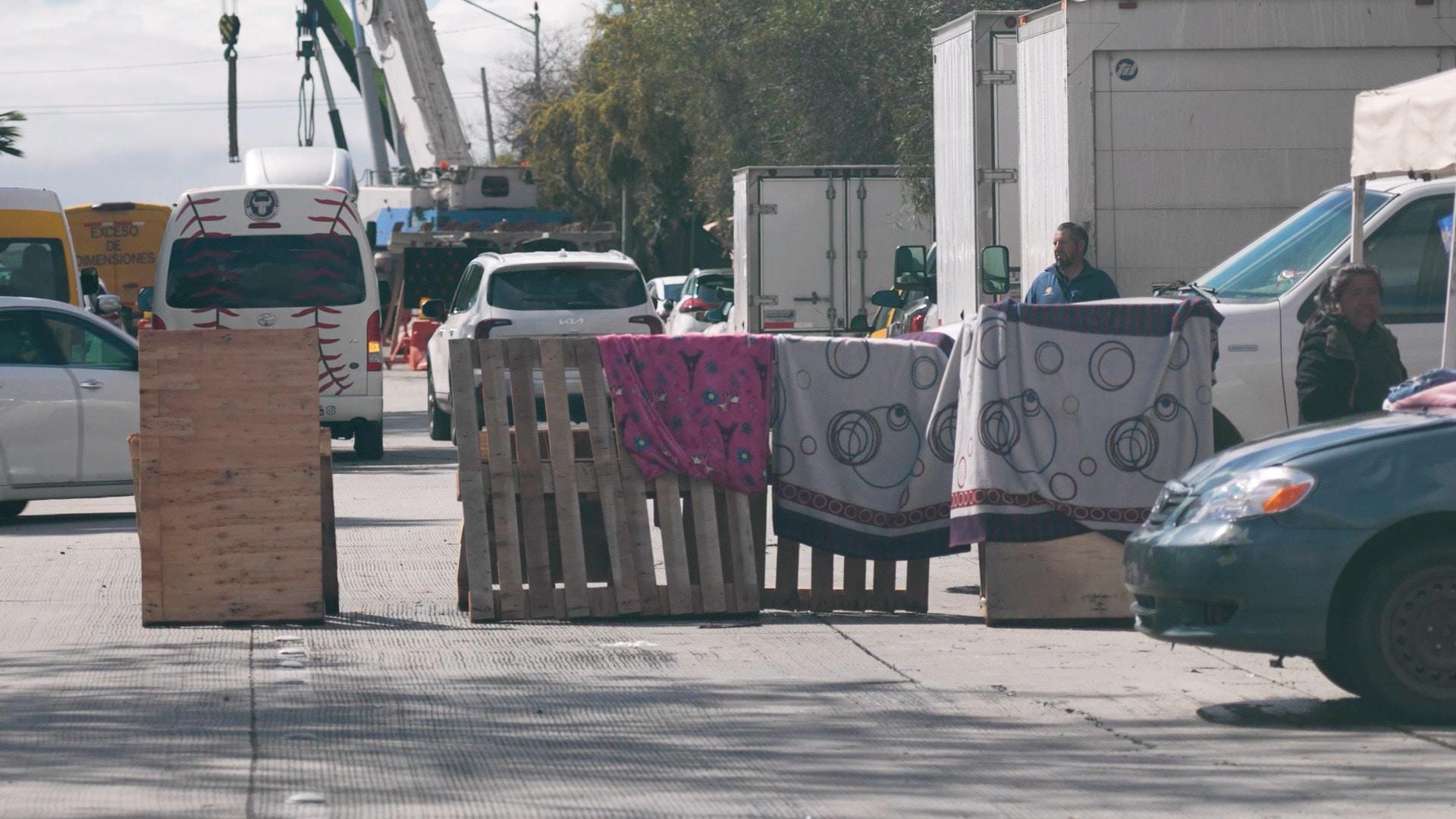
The persistence of Tijuana’s dangerous reputation stems from a complex intersection of high homicide statistics, recurring cartel conflicts, and sensationalized media portrayals. While the city is a global leader in medical tourism and manufacturing, the concentrated violence in peripheral neighborhoods and high-profile border incidents reinforce a narrative of instability that overshadows its socioeconomic growth.
Tijuana, Mexico, occupies a unique space in the global consciousness. As the most visited border city in the world, it serves as a gateway between the United States and Latin America. However, for decades, it has struggled to shake a "Black Legend" (Leyenda Negra) that characterizes it as a lawless frontier. Even as we navigate 2026, with the city experiencing significant infrastructure investment and a flourishing culinary scene, the specter of danger remains the primary lens through which outsiders view the region.
To understand why this reputation persists, one must look beyond the headlines and examine the structural, geographical, and narrative forces that keep Tijuana’s volatility at the forefront of public perception.
The Statistical Reality of Violence in Tijuana
The most significant driver of Tijuana’s reputation is its consistent appearance at the top of international homicide rankings. For several years leading into 2026, Tijuana has frequently been cited as having one of the highest murder rates per capita globally.
Understanding the Homicide Rate
It is essential to contextualize these statistics to understand the "why" behind the reputation. The vast majority of violent crimes in Tijuana are targeted and linked to the retail drug trade (narcomenudeo) and disputes between rival cartels. Specifically, the friction between the Sinaloa Cartel and the Jalisco New Generation Cartel (CJNG) creates cycles of violence that inflate the city's murder rate.
For the average resident or visitor, the risk of being a victim of a violent crime is statistically low if they are not involved in illicit activities. However, the sheer volume of incidents—often occurring in the city's marginalized "colonias" on the outskirts—creates a "halo effect" of fear. When a city records thousands of homicides a year, the nuance of "targeted vs. random" is often lost on the international community, leading to a blanket perception of danger.
The Impact of Localized Crime
While homicides capture headlines, "micro-insecurity" such as carjackings, robberies, and extortion also plays a role. In many parts of Tijuana, businesses must contend with "derecho de piso" (protection money) demands. While this rarely affects tourists directly, it creates an atmosphere of tension among the local population, which inevitably colors the experiences of those visiting or doing business in the city.
The Geographical Divide: A Tale of Two Cities
A primary reason the reputation persists is the visible disparity between Tijuana’s affluent zones and its impoverished sectors. This geographic fragmentation makes it easy for negative incidents in one area to define the entire municipality.
The Tourist and Business Core
Areas like Zona Río, Colonia Cacho, and Playas de Tijuana are modern, cosmopolitan, and generally safe. They feature high-end shopping, international banks, and some of the best restaurants in North America. For a business traveler or a medical tourist in 2026, the experience of Tijuana is one of convenience and sophistication.
The Peripheral Conflict Zones
Conversely, the eastern and northern peripheries of the city—areas like Sánchez Taboada or Camino Verde—suffer from a lack of infrastructure and a heavy presence of organized crime. These neighborhoods are where the majority of the city's violence occurs. Because Tijuana is a densely packed urban sprawl, the proximity of these high-conflict zones to the "safe" areas creates a sense of unpredictability. One can be in a luxury skyscraper and be only a few miles away from a neighborhood where the rule of law is constantly challenged.

Media Influence and the "Black Legend"
The "Black Legend" of Tijuana dates back to the Prohibition era, when the city became a haven for gambling, alcohol, and nightlife that was banned in the United States. This historical foundation of "sin city" has been modernized by 21st-century media.
Hollywood and the "Yellow Filter"
Pop culture has played a massive role in maintaining Tijuana’s dangerous reputation. Films and television series often use a distinctive "yellow filter" when depicting Mexican border cities, signaling to the audience that the environment is dirty, hot, and lethal. Tropes involving corrupt police officers, ruthless "sicarios" (hitmen), and desperate migrants are staples of the action genre. These fictionalized accounts often serve as the primary source of information for individuals who have never visited the city, cementing a bias that is difficult to erase with reality.
Sensationalist News Cycles
News organizations often prioritize "spectacle" violence. In the digital age of 2026, a single high-profile incident—such as a shootout near a shopping mall or a discovery of a mass grave—goes viral globally within minutes. Positive developments, such as the opening of a new medical pavilion or a decrease in unemployment, rarely receive the same level of engagement. This creates a skewed information ecosystem where the "danger" is the only version of Tijuana that is consistently exported.
The Humanitarian Crisis and the Border Wall
Tijuana’s position as a terminal point for migration flows contributes significantly to its reputation for instability. The city is often the site of large-scale humanitarian challenges that are visually jarring and associated with "chaos."
Migration Pressures
In recent years, including the trends observed in 2026, Tijuana has hosted tens of thousands of migrants from Central America, Haiti, and even Eastern Europe. Large encampments near the border or near the El Chaparral crossing create an image of a city under siege by social pressures. While these migrants are more often victims of crime rather than perpetrators, the presence of large, desperate populations living in makeshift conditions reinforces the perception of Tijuana as a place of crisis.
The Border as a Conflict Zone
The physical border itself—the wall, the heavy presence of U.S. Customs and Border Protection (CBP), and the long wait times—creates a psychological barrier. The fortification of the border suggests that what lies on the other side is something that needs to be contained. For those looking south from San Diego, the sight of the fence and the stories of "border violence" contribute to a narrative of Tijuana as a dangerous "other."
Economic Duality: Growth vs. Perception
Paradoxically, Tijuana is an economic powerhouse. It is the television manufacturing capital of the world and a hub for aerospace and medical device production. This economic success often clashes with its reputation.
| Sector | Impact on Reputation | Reality in 2026 |
|---|---|---|
| Medical Tourism | High risk perception due to "unregulated" myths. | Over 2 million visitors annually; world-class facilities in Zona Río. |
| Manufacturing | Perception of "sweatshops" and cartel interference. | Sophisticated "Maquiladora" system with high technical standards. |
| Culinary/Arts | Often ignored in favor of crime news. | "Baja-Med" cuisine is a global culinary trend; thriving craft beer scene. |
| Real Estate | Perceived as unsafe for investment. | Massive vertical housing boom driven by San Diego's high cost of living. |
The growth of the "Cali-Baja" mega-region demonstrates that, for those with skin in the game, the reputation is a secondary concern to the economic opportunity. However, for the general public, the "manufacturing success" story is far less compelling than the "drug war" story.
Practical Safety for Navigating Tijuana in 2026
Despite the persistent reputation, hundreds of thousands of people cross the border daily without incident. Navigating the city safely requires an understanding of its layout and a rejection of the "anything goes" attitude that often leads travelers into trouble.
1. Stick to "The Bubble"
For most visitors, staying within the affluent and well-patrolled zones is the best way to mitigate risk. Stick to the following areas:
- Zona Río: The business and financial heart.
- Avenida Revolución (Cacho/Downtown): The historic center, which has seen significant revitalization.
- Playas de Tijuana: The coastal boardwalk area.
2. Use Regulated Transportation
Avoid hailing "Taxis Libres" on the street, especially at night. Instead, use ride-sharing apps like Uber or DiDi, which provide GPS tracking and driver identification. If you are driving your own vehicle, use secure, paid parking lots rather than parking on the street in unfamiliar neighborhoods.
3. Maintain "Situational Awareness"
The danger in Tijuana is often situational. Avoid wearing flashy jewelry or displaying large amounts of cash. Most importantly, stay away from the "Zona Norte" (the red-light district) after dark unless you are familiar with the area, as this is a high-activity zone for both petty crime and cartel-related surveillance.
4. Understand Travel Advisories
The U.S. Department of State frequently issues travel advisories for Baja California. These advisories often categorize the entire state under "Reconsider Travel" or "Exercise Increased Caution." While these are important to read, it is vital to note that they often apply to specific rural highways or conflict-prone neighborhoods rather than the sanitized business and tourist corridors.
Why the Reputation May Never Fully Disappear
The persistence of Tijuana’s reputation is likely a permanent feature of its identity for three reasons:
- Proximity: Being right next to the world’s largest consumer of illicit drugs (the U.S.) ensures that the transit routes through Tijuana will always be contested.
- The Income Gap: As long as there is a massive wealth disparity between the U.S. and Mexico, and between Tijuana’s rich and poor, the "border tension" will persist.
- Narrative Inertia: Once a city is branded as "dangerous" by global media, it takes decades of sustained peace—not just a reduction in crime—to change the collective mind.
Tijuana remains a city of profound contradictions. It is a place where one can enjoy a Michelin-recognized meal and then drive ten minutes into a neighborhood that resembles a war zone. This duality is exactly why the dangerous reputation persists; the danger is not a myth, but it is also not the whole truth.
Frequently Asked Questions
Is it safe to drive to Tijuana in 2026?
Yes, it is generally safe to drive to Tijuana, provided you stay on main toll roads (cuotas) and avoid driving at night in unfamiliar areas. Ensure you have Mexican auto insurance, as U.S. policies are not valid in Mexico.
Why does the U.S. government give Tijuana such a bad safety rating?
The U.S. State Department’s ratings are based on the total volume of crime and the capacity of local law enforcement to respond. Because the homicide rate remains high and the judicial system struggles with "impunity" (unsolved crimes), the official rating remains cautious.
Is the "Zona Norte" dangerous for tourists?
The Zona Norte is the city’s red-light district and is considered a high-risk area. While many tourists visit it without incident, it is also a hub for drug trafficking and human smuggling. If you choose to visit, do so with extreme caution and never go alone.
Has the new border technology in 2026 improved safety?
Advancements in border technology, such as biometric scanning and AI-driven surveillance at the San Ysidro and Otay Mesa crossings, have improved the security of the port of entry itself. However, these technologies do little to impact the internal crime dynamics within the city's neighborhoods.
What is the most common crime against tourists in Tijuana?
The most common crimes are non-violent "crimes of opportunity," such as pickpocketing, ATM skimming, or overcharging by unregulated taxis. Violent crime against tourists remains rare but is highly publicized when it occurs.
Summary Recommendation
If you are planning to visit or invest in Tijuana in 2026, do not let the city's reputation deter you, but do let it inform you. Respect the city's boundaries, stay in well-traveled areas, and maintain the same level of situational awareness you would use in any major global metropolis like Chicago or Rio de Janeiro. The "danger" of Tijuana is a concentrated reality, but for the informed traveler, the city offers a vibrant, culturally rich experience that far outweighs its negative headlines.
Image Gallery
Select an image to open it in a new tab.


Vivian Cho
Executive IT and Emerging Technologies Reporter
