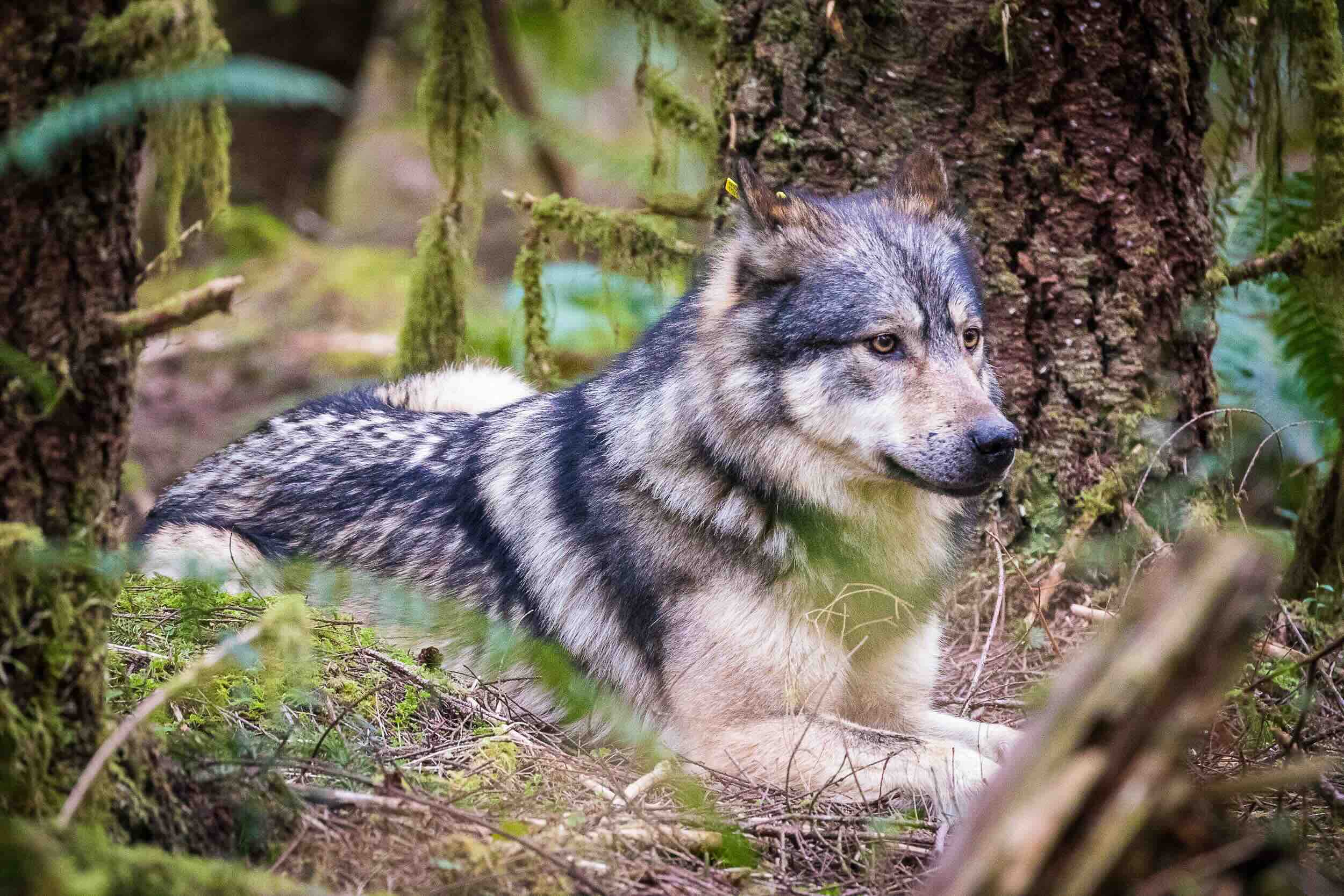
Wolf habitats are diverse ecosystems ranging from Arctic tundras and dense forests to arid deserts and high-altitude mountains. Wolves are highly adaptable generalists, requiring three primary elements to thrive: an abundance of prey, adequate cover for denning and raising young, and a relative lack of intensive human persecution.
The Global Distribution of Wolves in 2026
As of 2026, the gray wolf (Canis lupus) remains one of the most widely distributed land mammals in the Northern Hemisphere. Historically, their range was even more extensive, covering nearly every habitat type in North America, Europe, and Asia. While their territory was significantly reduced by the mid-20th century due to habitat loss and deliberate eradication programs, the last few decades have seen a measured expansion through both natural migration and structured reintroduction efforts.
In North America, wolves are firmly established in Canada and Alaska, with significant populations in the Northern Rocky Mountains, the Great Lakes region, and the Pacific Northwest. In Eurasia, they occupy vast stretches of the Russian wilderness, the Himalayan plateau, and are increasingly reclaiming territory in Western Europe, including Germany, France, and Italy. The ability of wolves to survive in such varied climates is a testament to their physiological and behavioral plasticity.
Defining the Essential Components of a Wolf Habitat
A habitat is more than just a location; it is a functional environment that provides everything a species needs to maintain a stable population. For wolves, the suitability of a habitat is defined by several critical factors:
1. Prey Density and Availability
The most significant factor determining whether a wolf pack can inhabit an area is the presence of large ungulates. Wolves are apex predators that primarily hunt deer, elk, moose, caribou, and bison. A single wolf requires roughly 5 to 10 pounds of meat per day on average to remain healthy and reproductive. Therefore, a habitat must support a biomass of prey sufficient to sustain a pack, which typically consists of 2 to 15 individuals.
2. Terrain and Physical Cover
While wolves are capable of traveling across open plains, they require specific terrain features for "security cover." This includes thick timber, rock outcroppings, or rugged canyons where they can rest, hide from potential human threats, and ambush prey. Cover is especially vital during the pup-rearing season when the pack is tethered to a specific location.
3. Minimal Human Interference
Although wolves can physically survive near human settlements, their long-term presence is usually dictated by the level of human tolerance. High road density, urban sprawl, and intensive livestock grazing often lead to conflicts. In 2026, wildlife managers emphasize that "social carrying capacity"—the amount of "room" humans are willing to give wolves—is as important as the biological carrying capacity of the land.

Diverse Ecosystems: Where Wolves Live
Wolves are not restricted to the "deep woods" of popular folklore. They inhabit a spectrum of environments that vary significantly in temperature, precipitation, and vegetation.
The Arctic Tundra
In the far north, wolves inhabit the treeless tundra. These habitats are characterized by permafrost and extreme seasonal shifts in light and temperature. Tundra wolves often follow the migratory patterns of caribou herds, traveling hundreds of miles annually. Their habitat here is vast and open, requiring them to be highly visible hunters who rely on speed and endurance.
Boreal and Temperate Forests
This is the most iconic wolf habitat. Dense forests provide excellent cover and a variety of prey species. In the boreal forests of Canada and Siberia, wolves navigate deep snow and thick coniferous stands. In temperate forests, such as those in the Great Lakes region, they utilize a mix of deciduous and evergreen trees, often using frozen lakes and rivers as "highways" for travel during the winter months.
Grasslands and Steppes
Historically, the Great Plains of North America were prime wolf habitat, supporting massive herds of bison. Today, wolves inhabit the steppes of Central Asia and parts of the Eastern European plains. These habitats offer less cover, making the "pack strategy" of hunting even more essential for success.
Deserts and Arid Shrublands
Though less common, wolves are found in the deserts of Israel, Saudi Arabia, and the Southwestern United States (Mexican Gray Wolf). These wolves are typically smaller in size—an adaptation known as Bergmann's Rule, where animals in warmer climates have smaller bodies to dissipate heat more effectively. Their habitat selection in these regions is heavily influenced by the proximity to permanent water sources.
Territory and Home Range Dynamics
A wolf pack’s territory is the specific area they defend against other wolves. The size of this territory is inversely proportional to prey density. In areas with high concentrations of deer or elk, a territory might be as small as 50 square miles. In the Arctic, where prey is scarce and migratory, a single pack may require a home range exceeding 1,000 square miles.
Wolves use scent marking (urination and defecation) and howling to advertise the boundaries of their territory. These "border checks" are a constant part of a wolf's life. Entering a rival pack's territory is the leading cause of natural mortality among wolves, as packs will aggressively defend their habitat to ensure exclusive access to the food resources within it.
Denning and Rendezvous Sites: The Micro-Habitats
Within their large territories, wolves utilize specific "micro-habitats" for reproductive purposes. These sites are chosen with great care and often reused for generations.
- Dens: Used only during the first few weeks of a pup's life. Dens are typically dug into well-drained soil on a hillside, often under a large root system or within a rock crevice. They provide protection from predators and insulation from the weather.
- Rendezvous Sites: Once the pups are old enough to leave the den but too young to join the hunt (usually at 8–10 weeks), the pack moves them to "rendezvous sites." These are open meadows or forest clearings near water where the pups can play and wait while the adults hunt. These sites serve as the pack’s "home base" throughout the summer.
Technical Comparison of Global Wolf Habitats
The following table outlines the differences in habitat characteristics across three major regions where wolves are prominent as of 2026.
| Habitat Type | Geographic Examples | Primary Prey | Average Territory Size | Climate Challenge |
|---|---|---|---|---|
| Arctic Tundra | Northern Alaska, Siberia | Caribou, Muskox | 600 - 1,000+ sq miles | Extreme cold; lack of cover |
| Montane Forest | Rocky Mountains, Alps | Elk, Deer, Wild Boar | 150 - 400 sq miles | Steep terrain; deep snow |
| Arid/Semi-Desert | Middle East, SW USA | Gazelle, Small Ungulates | 50 - 200 sq miles | Water scarcity; high heat |
| Coastal/Rainforest | British Columbia, SE Alaska | Salmon, Deer, Marine life | 40 - 100 sq miles | High humidity; unique diet |
Habitat Fragmentation and Connectivity
One of the greatest threats to wolf habitats in 2026 is fragmentation. This occurs when large, continuous tracts of wilderness are broken up by roads, fences, and urban development. Fragmentation isolates packs, which can lead to genetic bottlenecks and inbreeding.
To combat this, conservationists focus on wildlife corridors—strips of protected habitat that connect larger "islands" of wilderness. For example, the "Yellowstone to Yukon" (Y2Y) initiative aims to maintain a connected corridor for wolves and other large carnivores across the spine of the Rocky Mountains. Successful wolf habitat management requires looking beyond political boundaries and managing landscapes at a continental scale.
The Role of Wolves in Shaping Their Habitat
Wolves are often described as "ecosystem engineers" because of their role in trophic cascades. By controlling the population and behavior of herbivores (like elk or deer), wolves indirectly affect the vegetation. For instance, in Yellowstone National Park, the presence of wolves prevented elk from overgrazing willow and aspen groves near riverbanks. This allowed the trees to recover, which in turn provided habitat for songbirds and material for beavers to build dams. The beavers' dams created wetlands, benefiting fish and amphibians. This demonstrates that the "habitat" of a wolf is not just where they live, but a system they actively help maintain.
Frequently Asked Questions
Do wolves live in tropical rainforests?
No, wolves generally do not inhabit tropical rainforests. Their evolutionary lineage is adapted to temperate, boreal, and arid climates. The dense, humid, and heat-trapping canopy of a tropical rainforest does not support the large, hoofed mammals that wolves rely on, nor does it suit their physiological needs for heat regulation.
How do wolves survive in habitats with deep snow?
Wolves have several adaptations for snowy habitats. Their paws are large and can spread out to act like snowshoes, distributing their weight more evenly. Furthermore, their thick, two-layered coat provides incredible insulation. The inner layer is dense and woolly for warmth, while the outer layer is water-resistant to prevent snow from reaching the skin.
Can wolves live in deserts without water?
While wolves are resilient, they cannot survive without access to water. In desert habitats, wolf territories are usually centered around permanent springs, rivers, or human-made wells. They are also known to get some moisture from the blood and tissues of their prey, but a reliable water source is a prerequisite for a permanent home range.
Why do some wolf packs have such small territories?
Territory size is almost entirely dependent on food. If a habitat has a very high density of prey—such as a valley floor with a resident deer population that doesn't migrate—the wolves do not need to travel far to eat. In these "prey-rich" environments, the energy saved by maintaining a small territory can be invested in raising larger litters of pups.
Is habitat loss the biggest threat to wolves in 2026?
While habitat loss is a major concern, the more immediate threat in many regions is habitat fragmentation and human-wildlife conflict. Wolves are quite good at living in different types of terrain, but they struggle when that terrain is crisscrossed by highways or populated by livestock, which increases the likelihood of lethal control by humans.
Practical Recommendation for Wildlife Enthusiasts
If you are interested in observing wolves in their natural habitat or supporting habitat conservation, the most effective action is to support "landscape-level" conservation. This means advocating for the protection of large, connected tracts of land rather than small, isolated parks.
For those living in or near wolf habitats, practicing "Carnivore Coexistence" is essential. This includes using bear-proof (and wolf-proof) trash containers, keeping pets indoors at night, and supporting livestock producers who use non-lethal deterrents like range riders and livestock guardian dogs. Maintaining the integrity of wolf habitats requires a balance between biological needs and human community safety.
Image Gallery
Select an image to open it in a new tab.

Celine Dubois
Contemporary Living and Global Arts Columnist
